
Main Courses
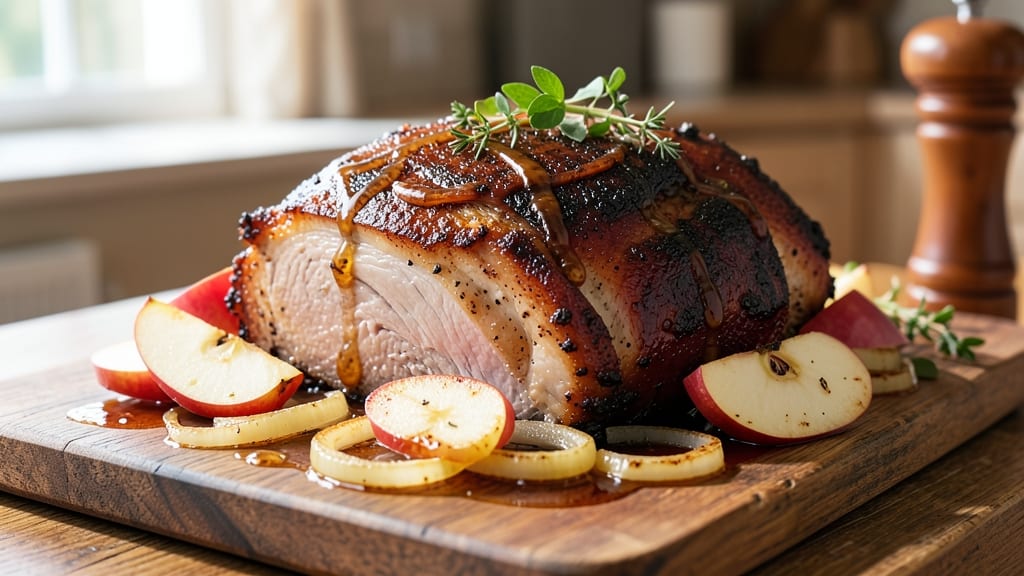
This pork apple and onion recipe transforms humble ingredients into a restaurant-worthy braise that balances sweet and savory flavors perfectly. 🔥 Growing up in Georgia, I learned how apples and onions could elevate simple pork into something unforgettable—now I'm sharing the professional technique I perfected at The Smoky Pig.
The key lies in slow caramelization that develops rich, complex notes while keeping the pork tender.
The magic happens when onions and apples break down into a sweet, jammy sauce that clings to perfectly cooked pork shoulder. I use a combination of sharp apples and yellow onions for the right balance of tartness and sweetness, while a touch of brown sugar enhances the natural caramelization.
This method delivers melt-in-your-mouth pork with a sauce so flavorful it becomes the star of the meal.
What makes this recipe truly special is its versatility—serve it over creamy mashed potatoes, with crusty bread for soaking up the sauce, or alongside roasted root vegetables. The long braising time (about 3 hours) ensures the pork becomes fork-tender while developing incredible depth of flavor.
This is comfort food at its finest, with a professional touch that will impress even the most discerning guests.
For those who love hands-off cooking, this braise requires minimal attention after the initial prep. The slow cooking process allows flavors to meld beautifully, creating a dish that tastes even better the next day.
Whether you're feeding a family or hosting a dinner party, this pork apple and onion recipe delivers hearty, satisfying results that always bring the table together.
Ingredients for pork apple and onion
Sweet onions, crisp apples, and tender pork shoulder—this braise delivers restaurant-quality comfort food with minimal effort.
| Ingredient | Amount | Notes |
|---|---|---|
| Pork Shoulder (Bone-In) 🐖 | 3 lb | Cut into 2-inch chunks |
| Yellow Onions 🧅 | 2 whole | Medium size, sliced thick |
| Apples (Sharp Variety) 🍎 | 3 whole | Honeycrisp or Granny Smith, peeled |
| Brown Sugar 🍚 | ¼ cup | Packed, light brown preferred |
| Apple Cider Vinegar 🍶 | ¼ cup | For tangy depth |
| Dried Thyme 🌿 | 1 tbsp | Or 1 tbsp fresh thyme leaves |
| Garlic Cloves 🧄 | 4 cloves | Smashed, not minced |
| Salt 🧂 | 1 ½ tsp | Kosher or sea salt |
| Black Pepper 🌶️ | ½ tsp | Freshly cracked |
| Beef Broth 💧 | 2 cups | Low-sodium preferred |
| Olive Oil 🫒 | 2 tbsp | For searing pork |
| Fresh Rosemary 🌿 | ½ tsp | Chopped, optional garnish |
The pork shoulder is your star here. Ask the butcher for bone-in—it adds flavor and keeps the meat juicy. I always grab mine from Costco when I'm making this for a crowd, but the regular supermarket bone-in pork shoulder works perfectly for six. For the apples, Honeycrisp or Granny Smith hold their shape while adding sweet-tart balance. Yellow onions? Sweet Vidalia if you're in season, but regular yellows work too. The key is to slice them thick—about 1/2-inch chunks so they caramelize properly without turning to mush.
No sharp apples? Fuji or Gala work in a pinch, but they'll get softer faster. Out of apple cider vinegar? White vinegar plus 1 tsp sugar mimics the tang. Fresh thyme is ideal, but dried at half the amount works if that's what you've got. The beef broth can be swapped for chicken broth plus 1 tsp soy sauce if you're vegetarian (though this is traditionally a beef broth braise). For extra richness, add 1/4 cup red wine with the broth—just reduce it by 1/4 cup liquid if you do. The brown sugar? Light brown is best—it's got more molasses flavor that caramelizes beautifully.
This braise tastes even better the next day, so make extra. Store in the fridge for 4-5 days or freeze portions for up to 3 months. I like to portion it into individual containers so it's ready for quick lunches. The sauce thickens as it cools, so just add a splash of broth when reheating. For serving, I always sprinkle with fresh rosemary—a few minutes in hot olive oil makes it pop with aroma. Leftovers reheat beautifully in a skillet with a splash of water or broth.
Why You'll Love This Recipe
- Fewer Grocery Trips: I swear by this recipe for my weekly meal prep—just one stop for pork, apples, and onions, and I’m set for days. The bone-in shoulder adds richness without extra cost, and those sharp apples? They’re often on sale in the fall, making this my go-to budget stretch.
- Sweet-Savory Magic: That caramelized onion-apple mix with brown sugar and vinegar? It’s the kind of balance you’ll crave. The pork stays tender while soaking up all that sticky, tangy-sweet glaze—like a cross between pulled pork and apple crisp in one bite.
- Leftovers That Don’t Suck: Between us, most pork dishes turn dry or boring the second day. Not this one. The apples keep it juicy, and the vinegar cuts through any richness. I pack it for lunches—hot or cold—and it’s still ridiculously good three days later.
- Tailgate or Tuesday: Serve it on a slathered bun for game day, or pile it over mashed potatoes for a cozy weeknight. Honestly, I’ve even thrown it on a platter with crusty bread for a no-fuss dinner when friends drop by. It’s equal parts hearty and easygoing—no stress, just flavor.
Step-by-step instructions for sweet-savory pork braise
Here's how to turn tough pork into melt-in-your-mouth tender bites with caramelized apples and onions.
🔥 Step 1: Sear the Pork Shoulder for Maximum Flavor
Pat the 3 lb pork shoulder dry with paper towels—this ensures a crispy crust. Heat 2 tbsp olive oil in a large Dutch oven over medium-high heat until shimmering. Add the pork in a single layer (work in batches if needed) and sear for 5-6 minutes per side until deep golden brown with crispy edges.
Here's the thing—don't rush this step. The pork should develop a dark mahogany crust before you move it. If it sticks, don't panic—just press down gently with a spatula for 10 seconds to release it. Transfer the seared pork to a plate and set aside.
👨🍳 Step 2: Build the Sweet-Savory Base
In the same Dutch oven, add the 2 whole yellow onions (sliced thick) and cook for 5 minutes until softened and starting to caramelize. Add the 3 whole apples (peeled and sliced) and cook for another 4 minutes until they begin to soften and release their juices.
Stir in the 4 smashed garlic cloves, 1 tbsp dried thyme, 1.5 tsp salt, and 0.5 tsp black pepper. Cook for 1 minute until fragrant—this releases all those aromatic oils that'll infuse the pork. Real talk: if you skip this step, you're missing out on layers of flavor.
🥘 Step 3: Deglaze and Combine Everything
Pour in the 0.25 cup apple cider vinegar and scrape up all those browned bits from the bottom of the pot with a wooden spoon. This deglazing captures all that meaty flavor that would otherwise go down the drain. Let it simmer for 2 minutes until the vinegar reduces slightly and the mixture smells tangy-sweet.
Add the 0.25 cup brown sugar and stir until dissolved. This is where the magic happens—the sugar will caramelize with the onions and apples, creating a glossy, sweet-savory sauce that coats every bite of pork.
⏰ Step 4: Braise Until Fork-Tender
Return the pork to the Dutch oven, fat-side up. Pour in the 2 cups beef broth, making sure the pork is mostly submerged. Bring to a gentle simmer, then reduce heat to low, cover, and let it cook for 2.5 hours. Here's the secret: don't peek or stir—the pork needs to develop its own steam and flavors undisturbed.
After 2.5 hours, check for doneness by inserting a fork into the thickest part of the pork. If it slides in easily with no resistance, it's ready. If not, cook another 30 minutes covered. The internal temperature should reach 195-205°F—this is when pork becomes fall-apart tender.
🍽️ Step 5: Finish and Serve with Garnish
Once the pork is tender, carefully transfer it to a cutting board and let it rest for 10 minutes (this is crucial—it lets the juices redistribute so every bite stays moist). Meanwhile, skim any excess fat from the braising liquid and adjust the seasoning if needed.
Slice the pork against the grain into ½-inch thick pieces. Spoon the caramelized apple and onion mixture over the top and drizzle with any reduced braising sauce. Garnish with 0.5 tsp chopped fresh rosemary for a pop of color and fresh aroma. Serve immediately with crusty bread to soak up all that delicious sauce—this dish tastes even better the next day, but trust me, you won't want to wait!
Pro Tips For Making Pork Apple And Onion
- USE A HEAVY-DUTY POT: I learned this the hard way—skimp on the pot, and your pork shoulder will simmer in a sad, shallow pool of liquid instead of a proper braise. A deep Dutch oven or stockpot guarantees enough liquid to cover the meat by at least an inch, which keeps the onions and apples submerged and prevents them from sticking to the bottom like glue.
- PEEL ONIONS LAST MINUTE: Onions release sulfur compounds that turn your pork water murky and bitter if they sit too long. Keep them whole and unpeeled until you’re ready to add them to the pot—just slice and toss them in raw. This keeps the broth clear and the flavor bright, especially when paired with sharp apples.
- SKIP THE BOIL: After browning the pork, resist the urge to let it boil vigorously. Once the liquid reaches a gentle simmer (tiny bubbles, not rolling), lower the heat to maintain it. Boiling toughens the meat and turns the apples mushy faster—we want tender pork and just-firm apples, not a pudding.
- SAVE TIME WITH COLD PORK: No need to thaw or even bring the pork to room temperature first. Toss the bone-in shoulder straight from the fridge into the pot with cold ingredients. The cold meat will warm up gradually as everything simmers, and you’ll avoid the risk of uneven cooking or over-browning the exterior before the center is done.
Wine and beer pairings for pork apple and onion
Red Wine Pairings
For this sweet-savory braise, I reach for a Pinot Noir from Oregon—its bright acidity and red fruit notes cut through the caramelized onions and apples beautifully. The Willamette Valley region produces excellent examples under $30, like Domaine Serene or Soter Vineyards.
If you prefer something bolder, a Syrah from Washington State offers earthy spice that complements the thyme and brown sugar. 🍷
Avoid heavy, tannic reds—they'll clash with the dish's natural sweetness. Instead, look for wines with 12-14% alcohol and medium body that won't overpower the pork's tenderness. I always decant red wine for 30 minutes before serving to soften its edges and enhance its aromas.
Crisp White Options
If you prefer white wine, a dry Riesling from Germany or Alsace provides stunning contrast. The Mosel region specializes in these wines, with Dr. Loosen or Reichsgraf von Buhl offering excellent quality. Their petit grape variety delivers crisp acidity and subtle honeyed notes that mirror the apples' sweetness. 🍷
For a lighter option, try a Sauvignon Blanc from New Zealand—its citrus and herbal notes pair surprisingly well with the dish's caramelized flavors. Just ensure it's bone-dry to avoid competing with the braise's sweetness. I keep a bottle of Cloudy Bay on hand specifically for pork dishes.
Craft Beer Pairings
A Belgian-style witbier like Hoegaarden or Stella Artois cleanses the palate between bites. The corianander and orange peel notes complement the apples beautifully, while the effervescence cuts through the rich sauce. For something stronger, try a German Helles Lager—its malty sweetness and moderate carbonation balance the dish's depth. 🍺
If you're feeling adventurous, a sour ale like New Belgium Fat Tire adds a tangy contrast that echoes the apple cider vinegar in the recipe. Just avoid heavy IPAs or stouts—they'll overwhelm the delicate flavors.
I often serve this dish with a local craft beer from Atlanta's Craft Beer Cellar to highlight regional pairings.
Non-Alcoholic Options
For those skipping alcohol, a sparkling apple cider like Martinelli's provides refreshing acidity. Add a splash of ginger beer for a spicy kick that mirrors the black pepper in the dish. For something more sophisticated, try a dry sparkling wine like Freixenet Cordon Negro. 🍎
Herbal teas can also work—brew a hibiscus and rose blend with lemon slices for a floral, tart accompaniment. I keep a pitcher of sparkling water infused with cucumber and mint on hand for guests who prefer simple, clean flavors.
The key is balancing the dish's richness with something bright and refreshing.
Nutrition facts
Frequently asked questions
Can I substitute chicken or beef for the pork in this recipe?
While this recipe is designed for pork shoulder, you can adapt it for chicken thighs (bone-in) or beef chuck roast. For chicken, reduce the braising time to 1.5 hours since it cooks faster. For beef, increase to 3-4 hours to achieve tenderness. The apple-onion base works beautifully with either protein—just adjust the seasoning slightly if using beef (it's naturally richer).
What's the best way to reheat leftovers without drying out the pork?
Reheat leftovers in a skillet with 1-2 tablespoons of broth or water over low-medium heat for 5-7 minutes, stirring occasionally. The liquid prevents drying. Alternatively, cover and warm in a 350°F oven for 20-30 minutes with a splash of broth. Never microwave—it turns the pork rubbery. This braise actually tastes better reheated!
Can I make this recipe in a slow cooker instead of a Dutch oven?
Brown the pork and vegetables in a skillet first, then transfer everything to a 6-quart slow cooker. Add all liquids and cook on LOW for 8 hours or HIGH for 5 hours. The slow cooker's gentle heat works perfectly for tenderizing the pork. Just add 1/4 cup extra broth since slow cookers evaporate more liquid. The flavors develop beautifully!
Why does my pork come out tough instead of tender?
Overcooking or not enough liquid are the most common culprits. Make sure your pork reaches 195-205°F internal temp (not 165°F!)—this is when collagen breaks down. Keep the liquid level high enough to cover 2/3 of the pork at all times. If using a slow cooker, never exceed 350°F internal temp. The key is patience—rush the process and you'll end up with dry meat.
What are the best side dishes to serve with this pork braise?
This rich dish pairs perfectly with creamy mashed potatoes, crusty sourdough bread, or roasted Brussels sprouts. For a lighter option, try a fresh arugula salad with lemon vinaigrette. The sweet-tart flavors of the braise complement the earthiness of wild rice pilaf or buttery egg noodles. I always serve it with a simple green salad to balance the richness.