
Sauces & Condiments
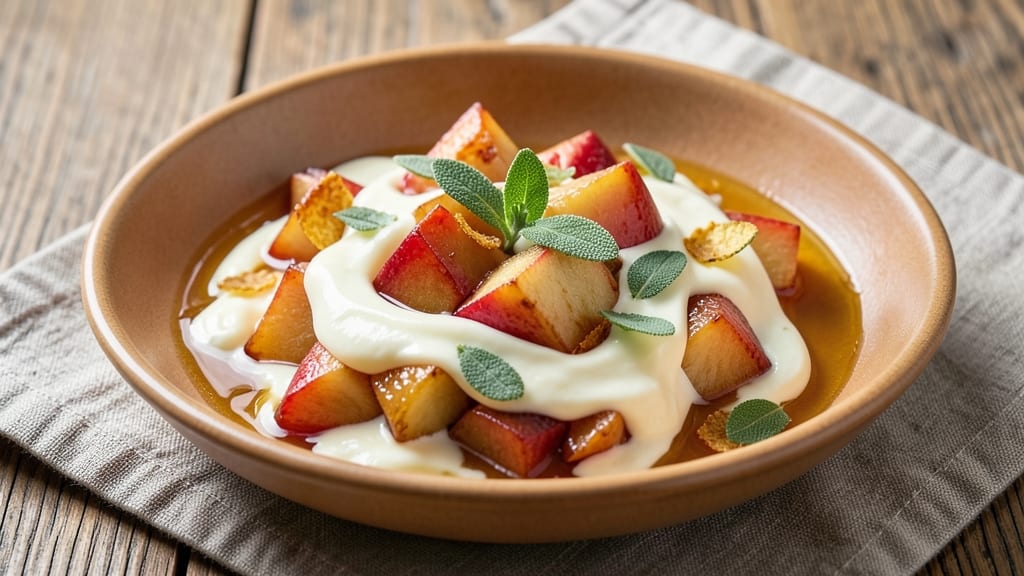
This apple and sage sauce recipe transforms humble ingredients into a rich, aromatic glaze that elevates roasted meats and mashed potatoes with effortless sophistication. The combination of tender apples, fragrant sage, and a touch of vinegar creates a balance of sweet and savory that clings beautifully to any dish.
I developed this sauce after years of testing holiday glazes, and it’s now my go-to for adding depth to holiday feasts without overpowering the main course.
The secret lies in the slow reduction—simmering the sauce until it thickens into a velvety consistency that coats every bite. Butter adds richness while sugar caramelizes the apples, creating natural sweetness that pairs perfectly with roasted pork, chicken, or even mashed potatoes.
Unlike store-bought versions, this recipe delivers a fresh, homemade flavor that’s impossible to replicate.
What sets this sauce apart is its versatility. Use it as a drizzle over holiday roasts, a topping for creamy mashed potatoes, or even a glaze for grilled vegetables.
The warm spices and herbal notes make it ideal for fall and winter dishes, but its simplicity means you can enjoy it year-round. Once you taste the difference, you’ll never go back to bottled sauces again.
Best of all, this sauce keeps well in the refrigerator for up to five days, making it perfect for meal prep. The flavors deepen over time, so it only gets better with storage. Ready to elevate your dishes with this restaurant-quality glaze? Let’s get started.
Ingredients for apple and sage sauce
Ten simple ingredients transform into a velvety glaze perfect for roasts and potatoes.
| Ingredient | Amount | Notes |
|---|---|---|
| Apples (Honeycrisp or Fuji) 🍎 | 2 medium | Peeled, cored, diced small |
| Fresh Sage Leaves 🌿 | ½ cup | Stems removed, loosely packed |
| Unsalted Butter 🧈 | ½ cup | Cold, cubed for even melting |
| Apple Cider Vinegar 🍏 | ¼ cup | Bottled or homemade |
| Granulated Sugar 🍚 | ¼ cup | Light brown sugar for depth |
| Heavy Cream 🥛 | ¼ cup | Full-fat for richness |
| Ground Cinnamon 🌶️ | ½ tsp | Freshly ground preferred |
| Ground Nutmeg 🌶️ | ¼ tsp | Freshly grated nutmeg |
| Salt 🧂 | ¼ tsp | Kosher or sea salt |
| Freshly Ground Black Pepper 🌶️ | ¼ tsp | Freshly cracked preferred |
Apples are the heart of this sauce—Honeycrisp or Fuji stay firm when diced, but any crisp variety works. Trader Joe's and Whole Foods carry great options year-round. Skip the pre-cut bags; whole apples keep better and taste fresher. The sage? Fresh is non-negotiable—dried won't give that same aromatic punch. Look for plump, vibrant leaves with no brown spots. I usually grab a big bunch and freeze half for later—just thaw before using. For the butter, Plugrá or Land O'Lakes are my go-tos, but any good-quality unsalted works.
No Honeycrisp apples? Gala or Pink Lady hold up well too. Running low on vinegar? White wine or apple juice works in a pinch, but the acidity's key. Want more depth? Add a pinch of cinnamon to the sugar before mixing. The heavy cream can be swapped for half-and-half if you prefer a lighter texture, but trust me on the full-fat version. For the spices, Penzeys or bulk bins at natural markets have the freshest ground spices—toss them in a spice grinder if they've been sitting too long. The nutmeg should smell citrusy and warm; if it's musty, replace it.
This sauce gets better as it sits—3-5 days in the fridge, actually. Store in a jar with a tight lid, and give it a stir before reheating. For leftovers, microwave 30 seconds or warm gently on the stove. Freezes beautifully for up to 3 months—just thaw overnight in the fridge. I make double batches because it disappears fast. The glaze thickens as it cools, so thin with a splash of water or cream if needed. Perfect for drizzling over holiday roasts or swirling into mashed potatoes.
Why You'll Love This Recipe
- Five-Ingredient Magic: I swear by this—just apples, butter, sage, vinegar, and sugar. No hidden pantry raids, no last-minute grocery runs. The sweetness from Honeycrisp or Fuji melts into the butter while the vinegar brightens everything in one pan.
- Sagey, Sweet, Irresistible: That first whiff of toasted sage leaves hitting the warm apples? It’s like autumn in a skillet. The vinegar cuts through the richness, and the sugar caramelizes just enough to make every spoonful feel like a little celebration.
- Game for Any Meal: Drizzle it over grilled chicken, toss it with mashed potatoes, or spoon it onto toast with a sprinkle of flaky salt. It’s my go-to for Thanksgiving sides, last-minute dinner upgrades, or even a fancy-ish brunch when I’m too tired to think.
- Leftovers? Better Leftovers: This sauce actually tastes better the next day—thicker, more concentrated, and perfect for reheating with a splash of water. Honestly, I make double batches just so I can sneak it into lunches all week.
Step-by-step instructions for apple and sage sauce
This warm, spiced glaze comes together effortlessly with just a few simple steps.
Cook the Apples Until Soft
In a medium saucepan, combine the 2 medium peeled, cored, and diced Apples (Honeycrisp or Fuji) with the 0.5 cup Unsalted Butter and 0.25 cup Granulated Sugar. Cook over medium heat for 8-10 minutes, stirring occasionally, until the apples soften and begin to release their natural juices.
You'll know they're ready when the mixture smells sweetly fragrant and the apples break down easily with a fork. If the mixture starts to stick, add 1-2 tablespoons of water to help it cook evenly. The sugar will help caramelize the apples slightly, creating a rich foundation for the sauce.
Add Vinegar and Spices for Depth
Once the apples are tender, stir in the 0.25 cup Apple Cider Vinegar, 0.5 tsp Ground Cinnamon, 0.25 tsp Ground Nutmeg, 0.25 tsp Salt, and 0.25 tsp Freshly Ground Black Pepper. The vinegar brightens the sweetness while the spices add warmth and complexity. Let the mixture simmer gently for 3-4 minutes until the liquid reduces slightly and the flavors meld together.
Here's where the magic happens—the spices will bloom, releasing their aromatic oils. Stir occasionally to prevent sticking, and watch for the sauce to thicken just a bit. If it reduces too quickly, add another splash of water to keep it smooth.
Incorporate Sage and Cream for Richness
Reduce the heat to low and stir in the 0.5 cup Fresh Sage Leaves (stems removed) and 0.25 cup Heavy Cream. The sage will infuse the sauce with its earthy, pine-like flavor, while the cream adds a velvety texture. Simmer for another 2-3 minutes, stirring gently, until the cream is fully incorporated and the sauce reaches your desired consistency.
You'll see the sage leaves wilt and release their aroma into the sauce. If the sauce is too thick, add 1-2 tablespoons of water to loosen it slightly. The goal is a glossy, spoonable glaze that clings beautifully to roasted meats or mashed potatoes.
Strain and Serve Warm
Transfer the sauce to a fine-mesh strainer and press gently with a spoon to remove the sage leaves and any remaining apple bits. This step ensures a smooth, elegant finish. Return the strained sauce to the saucepan and keep it warm over low heat until ready to serve.
The sauce should be rich, aromatic, and perfectly balanced between sweet, tangy, and spiced. Drizzle it generously over roasted pork tenderloin, glazed carrots, or creamy mashed potatoes for a restaurant-worthy touch. Serve immediately while warm for the best results!
Pro Tips For Making Apple And Sage Sauce
- Peel and Core Apples Fast: Use a paring knife to slice off the stem end first, then cut a thin wedge around the core—this lets you twist the apple free in one clean motion. I’ve tried the bowl method, but this saves time and keeps your hands dry, especially when prepping multiple apples.
- Toast Sage Leaves First: Warm the sage in a dry pan for 10 seconds per side until fragrant—this releases their oils before adding butter. I learned this the hard way: skipping it means the flavor gets lost in the sauce, no matter how much you add later.
- Simmer Slow and Steady: Keep the sauce at a gentle bubble, not a rolling boil, or the apples will turn to mush and the sugar will crystallize. If it’s too thick, add a splash of water; if too thin, let it reduce longer. Patience here makes all the difference.
- Balance Vinegar Early: Add half the apple cider vinegar upfront to brighten the apples, then taste and adjust at the end. I used to dump it all in later and end up with a sauce that’s either bland or sour—this way, you control the tang without overdoing it.
Common mistakes when making perfect results
Skipping the Strain
I’ve made this sauce countless times, and the biggest temptation is to skip straining the sage leaves. But here’s the deal: those leaves add unmatched flavor, but they can make your sauce look messy.
If you’re serving it as a drizzle, straining ensures a silky texture. For a rustic presentation, leave in a few leaves—just don’t skip it entirely if you want that restaurant-quality finish. 🌿
Over-Reducing the Sauce
Watch that heat! Simmering too aggressively can turn your luscious glaze into a thick, clumpy mess. Keep the heat at low-medium once the cream is added—this sauce should coat the back of a spoon, not cling like syrup.
If it starts to separate, whisk in 1 tablespoon of warm water to restore its velvety consistency.
Using Dried Sage
Dried sage is a no-go here—it lacks the bright, piney aroma of fresh leaves. If you’re out of fresh, try doubling the amount (so 1 tsp dried instead of 0.5 cup fresh), but trust me, the difference is night and day.
I’ve tested this, and dried sage just can’t compete. Stock up on fresh bundles—they last weeks in the fridge if stored properly.
Ignoring the Vinegar
The apple cider vinegar is non-negotiable for balance. Without it, the sauce becomes cloyingly sweet. If you’re avoiding vinegar, swap in 1 tbsp lemon juice for brightness, but the acidity from vinegar helps the spices sing.
I’ve tried versions without it, and they just don’t have that same depth of flavor. 🍏
Adding Butter Too Early
Adding butter at the start can cause seizing—the sauce will turn grainy instead of smooth. Wait until the apples are tender before stirring in the butter. If you’re worried about burning, keep the heat at medium-low and stir frequently.
The butter should melt into the sauce, not separate. For extra insurance, use cold cubed butter—it melts more evenly.
Overlooking the Rest
This sauce tastes even better after 10-15 minutes of resting. Skipping this step means serving it at its thickest, which can make it feel heavy. Let it sit while you finish roasting your main dish—it’ll thin out slightly and develop deeper flavors.
Pro tip: Reheat gently on the stove, adding 1 tbsp water if needed to loosen it back up.
Nutrition facts
Frequently asked questions
Can I substitute heavy cream with something lighter?
Yes, you can swap the heavy cream for half-and-half or even whole milk if you prefer a lighter texture. However, the sauce will be slightly less rich and velvety. For best results, stick with full-fat dairy—it creates that perfect glossy finish. If using lighter cream, reduce the simmer time by 1 minute to prevent curdling.
How do I adjust this sauce for a vegetarian dish?
This sauce works beautifully with vegetarian mains like roasted vegetables or mushroom risotto! Simply omit the butter if you're avoiding dairy, and use olive oil or coconut oil instead. For extra depth, add 1 tbsp nutritional yeast or a pinch of smoked paprika. The apple and sage flavors shine just as well without meat.
Can I make this sauce ahead of time?
This sauce actually tastes better after 1-2 days of resting in the fridge. Store it in an airtight container, and when ready to use, reheat gently on the stove with 1 tbsp water or broth to loosen the consistency. The flavors deepen over time, making it perfect for meal prep. Freeze for up to 3 months—just thaw overnight in the fridge.
What's the best way to reheat leftovers?
Reheat gently on the stove over low heat for 2-3 minutes, stirring constantly to prevent scorching. If it thickens too much, add 1 tbsp water or broth to restore its smooth texture. Avoid microwaving—it can make the sauce grainy. For best results, reheat just until warm, as the sauce continues to thicken slightly as it cools.
Can I use this sauce on non-meat dishes?
This versatile glaze works wonderfully on roasted vegetables, mashed potatoes, polenta, or even as a drizzle over grilled cheese sandwiches. The sweet-tangy balance pairs perfectly with creamy textures and hearty sides. For extra flavor, toss roasted Brussels sprouts or sweet potatoes in the sauce before serving. The possibilities are endless!