
Sauces & Condiments
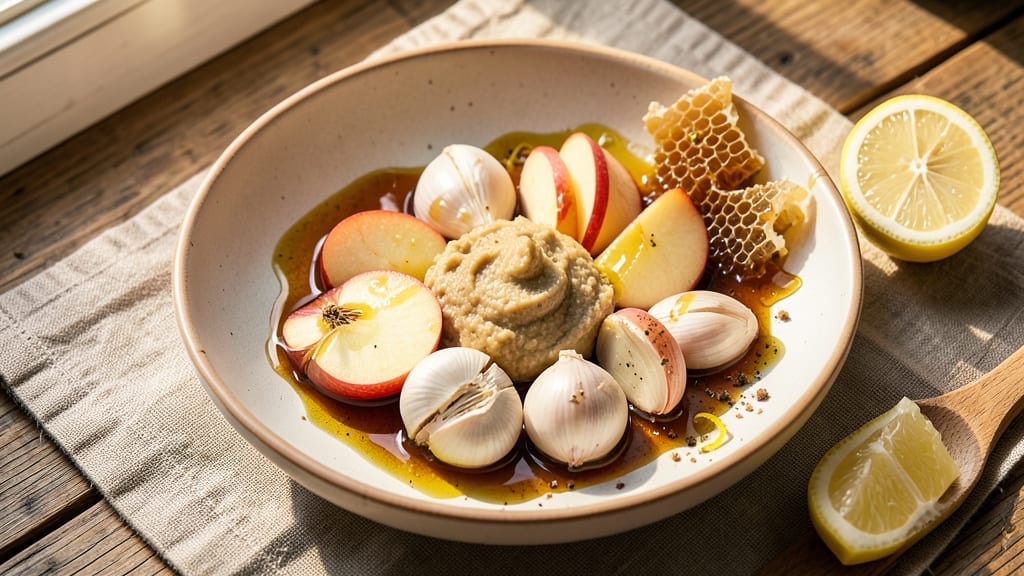
This ginger garlic lemon apple vinegar honey sauce transforms ordinary dishes into vibrant, restaurant-quality creations with just a drizzle. The bright, tangy balance of fresh ginger, aromatic garlic, and zesty lemon creates a glossy finish that enhances meats, salads, and roasted vegetables effortlessly.
I developed this recipe after years of experimenting with Asian-inspired glazes, seeking a versatile sauce that could shine in both savory and slightly sweet applications.
The foundation of this sauce lies in its simplicity: fresh ginger and garlic are sautéed until fragrant, then deglazed with apple cider vinegar for depth. Honey adds natural sweetness while balancing the acidity, creating a smooth, velvety consistency that clings beautifully to proteins or tosses perfectly with greens.
Unlike store-bought dressings, this sauce builds flavor complexity through slow reduction, ensuring every drop delivers bright, layered taste.
What makes this sauce truly exceptional is its adaptability—use it as a marinade for chicken or pork, a glaze for roasted vegetables, or a zesty dressing for fresh salads. The acidity tenderizes meats while the honey caramelizes slightly under heat, creating a sticky, flavorful crust.
Best of all, it keeps well in the refrigerator for up to two weeks, making it a perfect pantry staple for quick weeknight meals.
For optimal results, adjust the honey-to-vinegar ratio to suit your preference: more honey for sweetness, more vinegar for tang. A splash of water can thin the sauce if needed, while a pinch of salt enhances the overall balance.
This isn’t just a sauce—it’s a flavor multiplier that elevates simple ingredients to extraordinary heights.
Ingredients for ginger garlic lemon apple vinegar honey
Eight vibrant ingredients create a restaurant-quality sauce that elevates every dish with its bright, balanced tang.
| Ingredient | Amount | Notes |
|---|---|---|
| Fresh Ginger Root 🌿 | ½ cup | Finely minced, peel removed |
| Garlic Cloves 🧄 | 6 whole | Minced to a paste |
| Extra-Virgin Olive Oil 🫒 | ¼ cup | High-quality, fruity |
| Apple Cider Vinegar 🍎 | ½ cup | Raw, unfiltered preferred |
| Raw Honey 🍯 | ⅓ cup | Wildflower or clover variety |
| Water 💧 | ¼ cup | For thinning consistency |
| Kosher Salt 🧂 | ½ tsp | Diamond Crystal preferred |
| Fresh Lemon Juice 🍋 | ¼ cup | Strained, no pulp |
The ginger and garlic form the aromatic foundation—freshly minced releases their full potential. For ginger, organic from Whole Foods or Asian markets delivers the most vibrant flavor. Garlic should be peeled and smashed before mincing to intensify its aroma. The apple cider vinegar adds depth; raw, unfiltered varieties like Bragg’s contain the mother culture for extra complexity. Honey selection matters too—local wildflower offers subtle floral notes while clover remains universally versatile. A splash of water ensures smooth consistency without thinning the sauce's intensity.
No fresh ginger? Powdered ginger at one-third the amount works in a pinch, though texture suffers. Substitute garlic powder, but reduce to half the quantity since it lacks moisture. Vinegar alternatives? Rice vinegar or lemon juice both work, though apple cider’s malty notes are irreplaceable. Honey substitutes include maple syrup or agave nectar, though they alter the sauce’s delicate balance. For extra richness, add 1 teaspoon of soy sauce—it enhances umami without overpowering. The lemon juice can be bottled, but freshly squeezed delivers brighter acidity that prevents bitterness during reduction.
This sauce develops deeper flavor with time—reheat gently to restore its glossy texture. Store in a glass jar with a tight seal in the refrigerator for up to 2 weeks. Freeze in ice cube trays for single-use portions that keep for 6 months. For restaurant-quality results, reduce the sauce uncovered on medium-low heat until it reaches a syrupy consistency—about 15 minutes. The sauce thickens further as it cools, so adjust water additions gradually during the process.
Why You'll Love This Recipe
- Five-Ingredient Magic: I swear by this combo—peel and grate ginger, mince garlic, then toss with vinegar and honey. That’s it. No fancy tools, no stress, just pure, zesty flavor in 10 minutes.
- Zingy Wake-Up Call: The apple cider vinegar cuts through the honey’s sweetness while the ginger and garlic add a warm, spicy kick. Honestly? It’s the kind of tangy-sweet punch that makes plain yogurt or oatmeal taste like a treat.
- Pantry Powerhouse: This mix is my go-to for dressings, marinades, or even a quick glaze for roasted veggies. I keep a jar in the fridge—drizzled on grilled chicken, stirred into salad, or slathered on toast. It’s the ultimate lazy-day upgrade.
- Budget Brightener: Fresh ginger and garlic bulk up cheaply, and a little honey and vinegar stretch for weeks. Between us, I’ve turned this into a cheap but impressive hostess gift—just bottle it up with a sprig of rosemary. Fancy without the price tag.
Step-by-step instructions for ginger garlic lemon apple vinegar honey sauce
This vibrant sauce comes together in minutes with precise technique and bold flavors.
Prepare the Ginger and Garlic Base
Peel the 0.5 cup fresh ginger root using a spoon to remove the skin, then finely mince it using a sharp knife or microplane. The goal is a smooth, paste-like consistency—no visible chunks. Transfer to a small bowl and set aside.
Next, peel the 6 whole garlic cloves and place them in a clean mortar and pestle. Crush them into a smooth paste, adding a pinch of the 0.5 teaspoon kosher salt to help break down the fibers. This paste will form the aromatic foundation of your sauce, so take your time to achieve an even, smooth texture.
Bloom the Aromatics in Olive Oil
Heat the 0.25 cup extra-virgin olive oil in a small saucepan over medium-low heat. Add the ginger paste and garlic paste, stirring constantly for 3-4 minutes until fragrant. The mixture should smell intensely aromatic—like a burst of fresh garden flavors. Avoid letting it brown, as this can create bitterness.
Once the aromatics are fragrant, immediately remove the pan from heat. This prevents the garlic from burning, which would otherwise dominate the sauce with an unpleasant sharpness. The residual heat will continue cooking the mixture slightly, so don't rush this step.
Combine Vinegar and Honey
Return the pan to medium heat and add the 0.5 cup apple cider vinegar and 0.33 cup raw honey. Stir continuously for 2-3 minutes until the honey dissolves completely and the mixture begins to simmer gently. You'll notice the sauce thicken slightly as the heat helps the honey and vinegar meld together.
This is where the sauce starts to develop its signature balance—tangy from the vinegar, sweet from the honey, and bright from the ginger and garlic. If the mixture looks too thick, you can add 1 tablespoon of water to adjust the consistency, but be cautious not to dilute the flavors too much.
Finish with Lemon and Water
Remove the pan from heat once more and stir in the 0.25 cup fresh lemon juice and the remaining 0.25 cup water. The lemon juice will add a sharp, citrusy brightness that cuts through the sweetness of the honey and balances the acidity of the vinegar. Taste the sauce and adjust the seasoning with more salt if needed—this is your chance to fine-tune the flavors.
Return the pan to low heat and let the sauce simmer for another 1-2 minutes to ensure all the ingredients are fully incorporated. The final texture should be glossy and slightly syrupy, clinging to the back of a spoon. If it's too thick, add a splash more water; if it's too thin, simmer longer to reduce slightly.
Cool and Store for Maximum Flavor
Transfer the sauce to a clean jar or airtight container and let it cool to room temperature. The flavors will continue to develop and deepen as it cools, becoming even more vibrant. This sauce keeps well in the refrigerator for up to 2 weeks, making it perfect for batch preparation.
Use it as a glossy drizzle over grilled meats, a tangy dressing for salads, or a sweet-savory glaze for roasted vegetables. The balance of sweet, tangy, and aromatic notes makes it incredibly versatile—trust your taste buds to guide you on the best application.
Pro Tips For Making Ginger Garlic Lemon Apple Vinegar Honey
- PEEL GINGER IN THIN STRIPS: That thick, chewy skin on ginger root? It’s the part that makes your sauce taste bitter and uneven. Use a spoon to scrape off the skin first, then slice paper-thin strips—about 1/8-inch thick—so they infuse quickly without turning to mush. (Yes, even if you’re impatient like me, resist the urge to mince it fine.)
- SMASH GARLIC WITH A KNIFE: Chopping garlic cloves into tiny pieces? You’re losing flavor. Instead, lay each clove flat on the cutting board, press down with your knife, and smash it into a paste before mincing. This releases more allicin—the compound that actually makes garlic sing—and keeps it from burning before the other ingredients are ready.
- LOW HEAT FOR THE VINEGAR: The moment you add apple cider vinegar, drop the heat to medium-low. Vinegar boils at a lower temperature than water, and if you let it bubble hard, you’ll end up with a sharp, harsh edge instead of a smooth, balanced tang. Think of it like whispering to the pot instead of yelling.
- HONEY LAST, OFF HEAT: Stirring honey in too early turns your sauce into sticky syrup. Wait until the garlic and ginger have softened and the vinegar’s acid has mellowed, then remove the pot from heat and drizzle in the honey while whisking constantly. This keeps the texture glossy and the flavors layered—not cloying. (Your future self will notice the difference.)
Serving suggestions for this dish
Grilled Meat Glaze
This sauce transforms grilled chicken, pork, or salmon into a showstopper with its sticky, aromatic glaze. Brush it on 10-15 minutes before the meat finishes cooking—it caramelizes beautifully under the grill’s heat. For extra shine, reduce the sauce by 50% before applying, creating a thick, syrupy finish.
I love using it on pork chops or salmon fillets, where the honey helps create a perfect balance of sweet and smoky flavors. 🔥
Salad Dressing
Thin the sauce with 2-3 tablespoons of water to create a vibrant vinaigrette perfect for mixed greens or grain bowls. Toss it with arugula, spinach, or kale and top with toasted nuts or dried cranberries for texture contrast.
The tangy-sweet profile brightens even hearty salads, like those with roasted sweet potatoes or grilled vegetables. Store extra dressing in a small glass jar for up to 5 days in the fridge.
Roasted Vegetable Drizzle
Use this sauce as a finishing touch for roasted carrots, Brussels sprouts, or butternut squash. Toss the vegetables with 1 tablespoon of olive oil, roast until tender, then drizzle with 1-2 tablespoons of sauce while still warm.
The acidity cuts through the natural sweetness of the vegetables, while the honey adds a subtle caramelization. I often serve it alongside seared scallops or grilled shrimp for a complete meal.
Marinade for Tender Meats
Use this sauce as a marinade for chicken thighs, pork tenderloin, or tofu—its acidity tenderizes while the honey adds natural sweetness. Marinate for 30-60 minutes (no longer, or the acid will start breaking down the meat).
For extra flavor, add 1 teaspoon of soy sauce or 1 tablespoon of sesame oil to deepen the umami notes. The result? Juicy, flavorful proteins with a glossy, caramelized crust. 💫
Dipping Sauce
Serve this sauce as a dipping sauce for spring rolls, dumplings, or fries. Its balanced sweet-tangy profile complements crispy textures perfectly. For a thicker consistency, reduce the sauce by 30% before serving.
I often pair it with baked sweet potato fries or crispy tofu bites for a restaurant-worthy appetizer. Store leftovers in a small airtight container for up to 7 days.
Breakfast Topping
Drizzle this sauce over pancakes, waffles, or French toast for a bright, tangy twist on breakfast classics. The ginger and garlic add warmth, while the honey balances the acidity. For extra flair, sprinkle with toasted coconut flakes or chopped pecans.
I also love using it as a glaze for baked apples or pears—simply drizzle and bake until caramelized for a simple dessert. 🍳
Nutrition facts
Frequently asked questions
Can I make this sauce without fresh ginger?
Yes, but the flavor will be less vibrant. Use 1 teaspoon of ground ginger (about one-third the amount) for a similar kick. For extra depth, add ½ teaspoon of ginger powder plus 1 teaspoon of lemon zest to mimic the fresh ginger’s brightness. Avoid overdoing it—ground ginger can be more potent than fresh.
How do I adjust the sweetness or tanginess?
Start with the recipe as written, then tweak to taste. For more sweetness, add 1 tablespoon of honey at a time. For extra tang, increase the apple cider vinegar by 1 tablespoon (or swap in lemon juice). Always adjust gradually—taste after each addition to avoid overpowering the balance.
Will this sauce thicken as it cools?
Yes! The sauce naturally thickens as it sits, especially after refrigeration. If it becomes too thick, thin it with 1-2 tablespoons of water while warm. For a glossier finish, reheat gently before serving—this restores its silky texture. Store in an airtight container to prevent evaporation.
Can I substitute apple cider vinegar?
Use rice vinegar or white vinegar for a milder tang, or balsamic vinegar for deeper richness. Lemon juice works too (replace the vinegar with ¼ cup extra lemon juice), but apple cider’s malty notes are unique. Avoid distilled vinegar—it lacks flavor complexity.
Why did my sauce turn cloudy or separate?
Cloudiness often happens if the honey didn’t fully dissolve or if the sauce cooled too quickly. Reheat gently while stirring until smooth. Separation can occur if too much water was added—simmer uncovered for 2-3 minutes to restore consistency. For future batches, whisk constantly while heating to prevent separation.