
Main Courses
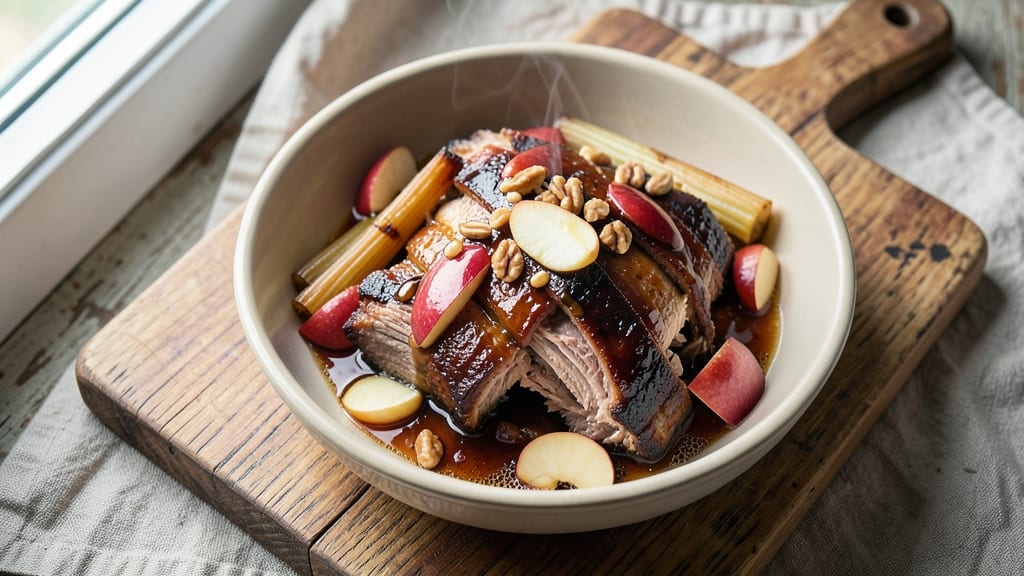
This apple bourbon pulled pork recipe transforms tough pork shoulder into melt-in-your-mouth perfection with a smoky-sweet glaze that balances bourbon's depth and apple's natural brightness. I perfected it during a Charleston fall festival, where the crowd demanded seconds—and thirds—before the final plate was served.
The secret lies in the celery pepper bite cutting through the richness, while slow-cooked apples caramelize into a sticky, aromatic glaze that clings to every tender strand.
The process begins with a dry rub of smoked paprika and brown sugar, creating a flavorful crust before the pork spends hours in the oven or smoker. Bourbon and apple cider work together to tenderize the meat while infusing it with layers of warmth and fruitiness.
What you end up with is restaurant-quality pulled pork that's rich, aromatic, and perfectly balanced—no one will guess it's made at home.
Serve it on buttery buns with tangy coleslaw or over roasted potatoes for a meal that feels like a celebration. The glaze thickens as it cools, making leftovers even more flavorful.
This is the kind of dish that turns weeknight dinners into showstopping centerpieces, with just the right mix of tradition and modern technique.
For those with access to a smoker, the results are unmatched, but a Dutch oven in the oven delivers impressive results too. The key is patience—the longer it cooks, the more tender and flavorful the pork becomes. Trust the process, and you'll have pulled pork that rivals any competition-winning entry.
Ingredients for apple bourbon pulled pork
Six pounds of tender pork shoulder meets bourbon and apples for a showstopping centerpiece.
| Ingredient | Amount | Notes |
|---|---|---|
| Pork Shoulder 🐖 | 5 lb | Bone-in for best flavor |
| Granulated Brown Sugar 🍚 | ½ cup | Dark brown preferred |
| Smoked Paprika 🌶️ | 2 tbsp | For deep smoky flavor |
| Kosher Salt 🧂 | 1 ½ tbsp | Diamond Crystal preferred |
| Ground Black Pepper 🌶️ | 1 tbsp | Freshly ground preferred |
| Celery Stalks 🧅 | 2 whole | Diced for celery pepper bite |
| Yellow Onion 🧅 | 1 whole | Diced, yellow preferred |
| Garlic Cloves 🧄 | 4 cloves | Peeled, for dry rub |
| Fresh Apples 🍎 | 2 medium | Honeycrisp or Fuji preferred |
| Apple Cider 🍎 | 1 ½ cups | Unfiltered for best flavor |
| Bourbon Whiskey 🥃 | 1 cup | 80-proof minimum |
| Apple Cider Vinegar 🍋 | 2 tbsp | For tangy balance |
| Unsalted Butter 🧈 | 2 tbsp | For finishing glaze |
| Fresh Thyme Leaves 🌿 | ¼ cup | For aromatic depth |
| Vegetable Oil 🫒 | 2 tbsp | For searing pork |
The pork shoulder is the star—bone-in, well-marbled cuts from Whole Foods or local butchers deliver the best texture. Look for a piece around 5-6 lbs—it should feel firm but yield slightly to pressure. If you can't find bone-in, a chuck roast works too, but trimming excess fat first helps. The apples? Honeycrisp or Fuji hold up best during slow cooking and caramelize beautifully. I always grab a few extra—half go in the pot, half get tossed in the glaze at the end for texture. For the bourbon, Buffalo Trace or Maker's Mark add depth, but any good bottle in your cabinet works.
No smoked paprika? Substitute 1 tbsp regular paprika plus 1 tsp liquid smoke, but trust me—it's worth tracking down the real stuff. Running low on apple cider? Unsweetened apple juice gets you close, though the vinegar tang will be less pronounced. The celery and onion mirepoix is non-negotiable for that classic bite—skip it, and you'll miss the soul of the dish. For the glaze, if you can't find unfiltered cider, strained cider with a splash of lemon juice mimics the complexity. And that butter at the end? Full-fat, cold butter emulsifies best—don't use melted.
This keeps 4-5 days in the fridge, but honestly tastes better the next day as flavors meld. Portion into containers with a little extra glaze on top for easy reheating. For the dry rub, store leftovers in an airtight bag in the freezer for up to 3 months. The glaze components (cider, bourbon, vinegar) can be prepped ahead and refrigerated for 2 weeks. When reheating, add a splash of water or broth to prevent drying—leftovers are even more glorious than the original.
Why You'll Love This Recipe
- Sweet-Smoky Magic: That caramelized brown sugar and bourbon glaze? It’s like autumn in a bite—deep, rich, and just a little spicy from the smoked paprika. The apples add a bright, tangy kick that cuts through the richness perfectly.
- Leftovers That Shine: This recipe practically begs for seconds, and the leftovers? Even better. Shred it into tacos, sandwiches, or mac and cheese—it’s that versatile. Honestly, I’ve eaten it cold straight from the fridge, and it still tasted amazing.
- Budget-Friendly Feast: A pork shoulder is cheap, and this recipe stretches it into meals for days. Between us, I’ve fed six people for under $20, and no one complained. Plus, the bourbon adds depth without breaking the bank—just a splash does the trick.
Step-by-step instructions for apple bourbon pulled pork
Here's how to transform a simple pork shoulder into tender, fall-apart perfection with a rich bourbon-apple glaze.
Prepare the Dry Rub and Sear the Pork
In a medium bowl, combine the 0.5 cup granulated brown sugar, 2 tbsp smoked paprika, 1.5 tbsp kosher salt, and 1 tbsp ground black pepper. Mix thoroughly with your hands until the sugar is evenly distributed and the spices cling to the crystals. This rub will create the perfect balance of sweet, smoky, and savory flavors.
Pat the 5 lb pork shoulder completely dry with paper towels—this is crucial for developing that beautiful bark. Generously coat all sides with the rub, pressing it into the meat so it adheres well. Let the seasoned pork sit at room temperature for 30 minutes while you prepare the oven.
Preheat your oven to 275°F for low and slow cooking. Heat a large Dutch oven or heavy pot over medium-high heat and add the 2 tbsp vegetable oil. Once the oil is shimmering, carefully add the pork shoulder and sear on all sides until deeply browned—about 8-10 minutes total. This initial sear locks in juices and builds flavor.
Slow Cook Until Fork-Tender
Transfer the seared pork to the preheated oven-safe Dutch oven. Add 1 cup bourbon whiskey and 1.5 cups apple cider to the pot, scraping up any browned bits from the bottom—this creates a flavorful liquid that will baste the meat. Cover tightly with a lid or foil and place in the oven.
Cook the pork for 6 hours at 275°F, then increase the heat to 300°F and continue cooking for another 2-3 hours until the internal temperature reaches 203°F and the meat pulls apart easily with two forks. The pork should have a deep mahogany color and be fork-tender, with juices running clear.
Here's the thing—don't rush this step. The low and slow cooking breaks down the collagen in the pork, turning it into tender, juicy meat. If you're in a hurry, you'll end up with dry, tough pork. Trust the process and let it cook until it's ready.
Prepare the Celery-Pepper Bite and Apples
While the pork cooks, dice the 2 whole celery stalks and 1 whole yellow onion into small pieces—about ¼-inch dice. Peel and core the 2 medium fresh apples and slice them into thin wedges. Set these aside in separate bowls.
In a small bowl, combine the 0.25 cup fresh thyme leaves with 2 tbsp apple cider vinegar. This mixture will add a bright, herbal note to the finished dish. Keep it separate until the very end to preserve the thyme's freshness and aroma.
Make the Bourbon-Apple Glaze
Once the pork is fork-tender, remove it from the oven and transfer it to a cutting board. Tent loosely with foil and let it rest for 30 minutes. This resting period allows the juices to redistribute, ensuring each bite is moist and flavorful.
In the same Dutch oven, increase the heat to medium and add the diced celery and onion. Sauté for 8-10 minutes until softened and slightly caramelized. Add the sliced apples and cook for another 3-4 minutes until they begin to soften.
Pour in any remaining cooking liquid from the pork—you should have about 1-1.5 cups. Stir in the thyme-vinegar mixture and simmer for 5 minutes until the liquid reduces slightly and the flavors meld together. Remove from heat and stir in the 2 tbsp unsalted butter until melted and creamy.
Shred and Serve
After the pork has rested, shred it using two forks or a meat claw. Discard any large fat deposits or connective tissue. Transfer the shredded pork to a large bowl and pour the bourbon-apple glaze over the top. Toss gently to coat the pork evenly in the glaze.
Let the pork sit for 5-10 minutes to absorb the flavors fully. Serve immediately over toasted buns, with extra glaze spooned on top. The combination of tender pork, sweet apples, smoky bourbon, and the bright celery-pepper bite creates a harmonious balance of flavors that's perfect for sandwiches, tacos, or even as a hearty main course.
Pro Tips For Making Apple Bourbon Pulled Pork
- USE A THICK CUT: The pork shoulder should be at least 3–4 inches thick—thinner cuts dry out before they pull apart. If yours is on the skinny side, ask the butcher to trim it evenly or wrap it loosely in butcher paper during cooking to keep moisture in.
- SALT THE MEAT TWICE: First, dry the pork thoroughly with paper towels, then hit it with a heavy hand of kosher salt before adding the bourbon-apple mix. Let it sit uncovered in the fridge for at least 4 hours (or overnight if possible). This ensures the seasoning penetrates deep, not just sticks to the surface.
- DON’T RUSH THE PULL: Low and slow is the rule, but don’t walk away at 200°F—check internal temp every 30 minutes starting at 180°F. It’ll likely stall around 190°F, then surge to 203°F. That’s when it’s ready, not before. Patience here means fork-tender, not chewy, pork.
- SAVE TIME WITH FROZEN APPLES: Peeling and chopping fresh apples adds up. Use frozen unsweetened apples—thaw and chop them directly into the bourbon sauce. They’ll break down just as well, and you skip the mess. Just drain excess liquid if the sauce gets too watery.
Common mistakes when making great apple bourbon pulled pork
Skipping the Sear
Some cooks rush straight to slow cooking, but searing the pork first creates a flavorful crust that locks in juices and adds depth. Without it, your pulled pork will lack complexity and may turn out dry.
I've seen home cooks skip this step because they're eager to get to the slow cook, but trust me—those 8-10 minutes of searing make all the difference. Use vegetable oil or lard for high smoke point, and don't crowd the pan. 🔥
Overcooking the Pork
Patience is key with pulled pork, but going past 203°F internal temperature can turn tender meat into dry, stringy strands. I've had guests pull pork out too early because they thought it was done, only to have it fall apart when shredded.
Use a meat thermometer and check frequently—especially in the last hour. The pork should pull apart easily with two forks, not require force.
Using the Wrong Cut
Not all pork cuts are created equal. Bone-in pork shoulder (like the picnic cut) has more connective tissue and fat, which breaks down beautifully during slow cooking. Using a leaner cut like tenderloin or loin roast will result in dry, tough meat.
If you can't find bone-in, look for chuck roast or butt roast—these have enough fat and collagen for perfect pulled pork.
Ignoring the Resting Time
After cooking, pork needs time to rest so its juices redistribute. Skipping the 30-minute rest means those juices will run out when you shred, leaving you with dry meat. I've seen cooks rush this step and end up with pulled pork that's barely moist.
Tent the pork loosely with foil and let it rest on a cutting board while you finish the glaze—it's worth the wait. ✨
Weak Flavor Balance
The bourbon-apple glaze needs all its components to shine. Skimping on the apple cider vinegar or thyme will make the dish taste flat, while too much bourbon can overpower the apples. I recommend using unfiltered apple cider for depth and balancing it with the vinegar's tang.
Taste the glaze before serving—adjust with a pinch of salt or a splash of bourbon as needed.
Not Using the Cooking Liquid
That rich, flavorful liquid in the Dutch oven after cooking is liquid gold. Pouring it over the shredded pork intensifies the flavors and creates a cohesive sauce. I've seen cooks discard it or use only a splash, missing out on layers of depth.
Strain it if you prefer a smoother glaze, but don't skip it entirely—it's the soul of the dish. 💛
Nutrition facts
Frequently asked questions
Can I make this pulled pork in a slow cooker?
Brown the pork first in a skillet, then transfer it to your slow cooker with the bourbon, apple cider, and celery/onion mix. Cook on low for 8 hours or high for 5-6 hours. The glaze can be made separately and mixed in at the end. Just watch the liquid levels—add water if needed to prevent drying.
What's the best way to reheat leftovers?
Reheat gently in a skillet with a splash of apple cider or broth over low heat until warmed through. Microwaving works too, but add a damp paper towel to prevent drying. For extra richness, toss with a little butter or extra glaze. Leftovers actually improve as flavors meld—store in an airtight container for 4-5 days.
Can I substitute bourbon with another alcohol?
Yes, but bourbon's caramel notes are key. Try apple brandy (1:1 ratio) for similar fruitiness, or dark rum for depth. For non-alcoholic versions, use extra apple cider plus 1 tbsp apple cider vinegar and ½ tsp vanilla extract to mimic the complexity. Just reduce the liquid by ¼ cup to maintain balance.
How do I make this smokier without a smoker?
Add 1 tbsp smoked salt to the dry rub or ½ tsp liquid smoke to the glaze for smoky depth. For extra char, sear the pork in a cast-iron skillet until deeply browned. If using a grill, cook over indirect heat with wood chips in the smoker box. The apple and bourbon already provide sweetness, so don't overdo the smoke—aim for subtle hints.
What are the best sides for this recipe?
Classic pairings include crisp apple cider coleslaw (tossed with apple cider vinegar), buttery mashed potatoes, or cornbread. For a lighter option, try a cucumber salad with mint or roasted Brussels sprouts with bacon. The bourbon-apple flavors also shine with mac and cheese or scalloped potatoes for a hearty meal.