
Main Courses
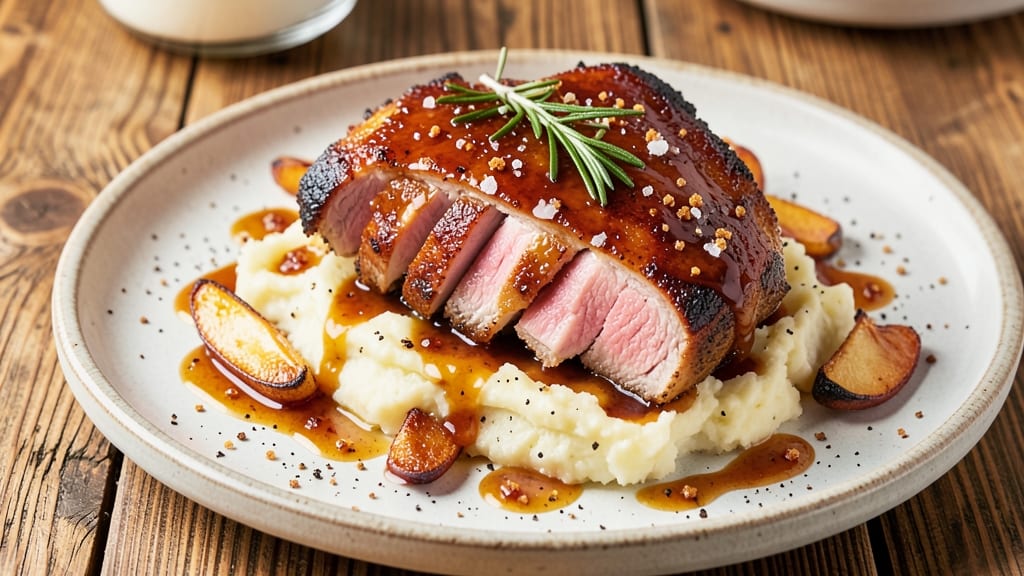
This apple cider pork shoulder recipe transforms humble pork into melt-in-your-mouth perfection—where tender meat falls apart at the touch of a fork and the braising liquid becomes a rich, caramelized sauce. ✨ After mastering this technique in Charleston kitchens, I’ve refined it to deliver restaurant-quality results at home, using just a few essential ingredients and a slow cook’s patience.
The secret lies in the braise: apple cider infuses the pork with sweet, tangy depth while breaking down the connective tissue, creating a texture that’s impossible to resist.
A simple spice rub—cinnamon, mustard, and black pepper—adds warmth without overpowering, while the cider’s natural sugars caramelize into a glossy, sticky glaze that clings to every bite. This isn’t just a recipe; it’s a Sunday supper centerpiece that smells like fall and tastes like comfort.
By the time you’re done, you’ll have a pork shoulder so tender it practically shreds itself, bathed in a sauce that’s equal parts sweet and savory, with just enough acidity to brighten the richness.
The best part? Leftovers reheat beautifully, making this the ultimate meal-prep hero—whether you’re feeding a crowd or saving portions for sandwiches the next day. Crispy roasted apples on the side elevate it to another level.
This method works for both oven-braising and sous vide finishing, giving you flexibility based on your schedule. The key is time—low and slow—but the result is worth every minute. Trust me, once you taste this, store-bought pork will never compare. Let’s get cooking.
Ingredients for apple cider pork shoulder
Six ingredients transform tough pork into fall's most tender, caramelized masterpiece—where the sauce practically melts off the bone.
| Ingredient | Amount | Notes |
|---|---|---|
| Pork Shoulder (Bone-In) 🍖 | 5 lb | Well-marbled, cut into 2-inch chunks |
| Unsalted Butter 🧈 | ½ cup | Cold, cubed for rub |
| Apple Cider 🍎 | 2 cups | 100% pure, no added sugar |
| Brown Sugar 🍚 | ¼ cup | Packed, light variety |
| Dijon Mustard 🍯 | 2 tbsp | High-quality, smooth texture |
| Ground Black Pepper 🌶️ | 1 ½ tsp | Freshly cracked |
| Ground Cinnamon 🌿 | 1 tsp | True cinnamon, not cassia |
| Garlic Cloves 🧄 | 4 cloves | Smashed, not minced |
| Yellow Onion 🧅 | 1 whole | Chopped, medium size |
| Fresh Thyme 🌿 | 2 sprigs | Stems removed |
| Fresh Rosemary 🌿 | 1 sprig | Wooden-handled for easy removal |
| Apple Cider Vinegar 🍎 | 1 tbsp | For sauce brightness |
| Salt 🧂 | 2 tbsp | Diamond Crystal preferred |
| Honey 🍯 | 1 tbsp | Wildflower for depth |
The pork shoulder is your star. Look for bone-in cuts at Whole Foods or your butcher—the bone adds flavor and structure. A 5-pound bone-in roast gives you the perfect balance of meat and connective tissue for that fall-apart texture. If you're buying pre-cut chunks, aim for 2-inch pieces so they cook evenly. The marbling? That's what turns tough muscle into tender heaven. Costco often has excellent prices on whole roasts—buy one, trim it yourself, and thank me later. For the apple cider, Mott's or Woodchuck are my go-tos—they're sweet enough to caramelize but not syrupy.
No apple cider vinegar? Substitute lemon juice at half the amount, but you'll lose that classic tang. Running short on fresh thyme? Dried works at one-third the quantity, but toss in a bay leaf for depth. The brown sugar can be swapped for maple syrup if you're avoiding refined sugar, though it'll caramelize differently. For the butter rub, use European-style butter if you can find it—higher fat content means richer flavor. The honey? Don't skip it—it's what helps that sauce glaze turn glossy and irresistible. If you're making this ahead, prep the rub and store it in the fridge for up to 2 days.
This dish gets better with time. Braise it, then let it rest 30 minutes before shredding—trust me, it's worth the wait. The sauce thickens as it cools, so if it's too thin, simmer uncovered for 5 minutes. Store leftovers in the fridge for 5 days or freeze for 3 months. I always make double batches—one for dinner, one for sandwiches the next week. The sauce freezes beautifully too, perfect for drizzling over roasted veggies or mashed potatoes. For extra crunch, roast apple slices with cinnamon and serve alongside.
Why You'll Love This Recipe
- Foolproof Slow Cooker: Honestly, I dump everything in—pork shoulder, apple cider, butter, sugar—and walk away. The slow cooker does all the work while I answer emails or watch a show.
- Sweet-Savory Magic: That Dijon mustard cut through the richness, and the apple cider caramelizes into a glossy, tangy sauce. The pork? So tender it falls apart at the touch of a fork.
- Leftovers for Days: I make this once and eat it three times—sandwiches, tacos, or just straight-up with a fork. The sauce thickens beautifully, so every bite tastes like the first.
- Budget Feast: A bone-in pork shoulder stretches for a crowd, and the other ingredients cost pennies. Between us, this is my go-to for game day or when friends drop by unexpectedly.
Step-by-step instructions for apple cider braised pork shoulder
This method delivers melt-in-your-mouth pork with a naturally caramelized sauce—no extra sugar needed.
🔥 Step 1: Sear the Pork Shoulder for Deep Flavor
Pat the 5 lb pork shoulder (bone-in) completely dry with paper towels—this ensures maximum crispiness. In a large Dutch oven, melt the 0.5 cup unsalted butter over medium-high heat until foaming. Working in batches, sear the pork on all sides until deeply browned, about 5-6 minutes per side. Here's the thing—don't rush this step. You're building flavor layers that will develop during the long braise.
Transfer the seared pork to a plate and set aside. In the same Dutch oven, add the 1 whole yellow onion and 4 smashed garlic cloves, cooking for 3-4 minutes until softened. This aromatic base will infuse the braising liquid with sweet onion and garlicky depth. Keep those browned bits—they're packed with flavor.
🍳 Step 2: Build the Spiced Braising Liquid
Increase heat to medium-high and add 2 tbsp Dijon mustard, stirring to coat the onion and garlic. Immediately pour in the 2 cups apple cider, scraping up any browned bits from the bottom. Add 1 tbsp apple cider vinegar and bring to a boil, then reduce heat to low. Here's where the magic happens: stir in 0.25 cup packed brown sugar, 1.5 tsp ground black pepper, 1 tsp ground cinnamon, 2 tbsp salt, and 1 tbsp honey. The sugar and honey will caramelize naturally during cooking, creating that glossy, amber sauce.
Return the pork to the Dutch oven, fat-side up. Add the 2 sprigs fresh thyme and 1 sprig fresh rosemary, tucking them around the meat. The herbs will infuse the liquid with earthy, piney notes that complement the apple cider perfectly. Bring everything to a gentle simmer—you should see small bubbles breaking the surface, but it shouldn't be a rolling boil.
⏰ Step 3: Braise Until Fork-Tender
Cover the Dutch oven with a tight-fitting lid and transfer to a 325°F oven. Here's the critical part: braise for 3 hours, then flip the pork and continue for another 3 hours. The long, slow cook time breaks down the connective tissue, transforming tough shoulder meat into tender, pull-apart perfection. I know it seems like forever, but trust the process—this is where the magic happens.
After 6 hours total, check for doneness by inserting a meat thermometer into the thickest part. The internal temperature should read 203-205°F. If it's not there yet, continue cooking—pork shoulder needs that extra time to become truly tender. The sauce should have reduced and thickened, coating the pork in a glossy, caramelized glaze.
🍽️ Step 4: Rest and Serve with Sauce
Remove the pork from the oven and transfer to a cutting board. Tent loosely with foil and let it rest for 30-45 minutes. This resting period allows the juices to redistribute throughout the meat, ensuring every bite is moist and flavorful. Real talk: don't skip this step. Cutting into the pork too soon will cause all those precious juices to run out onto your cutting board.
While the pork rests, skim any excess fat from the braising liquid and return the sauce to the Dutch oven. Simmer uncovered over medium-low heat for 5-10 minutes to thicken slightly. The sauce should coat the back of a spoon with a beautiful caramelized sheen. Slice the pork against the grain into ½-inch thick slices and serve with the reduced sauce spooned over the top.
Pro Tips For Making Apple Cider Pork Shoulder
- SEAR THE FAT FIRST: Don’t rush this—let the pork shoulder sit at room temp for 30 minutes before searing, or the butter will steam instead of brown. I used to skip this, and my crust always ended up pale and greasy. A hot pan and 2 tablespoons of butter (yes, even if it looks like a lot) will give you that caramelized base the apple cider needs to cling to.
- SIMMER THE CIDER LOW: After browning the pork, pour in the apple cider and reduce it by half before adding the brown sugar and mustard. Too much heat and it turns bitter; too little and you’ll be waiting forever. I learned this the hard way—my first batch smelled like a cider press, not a meal.
- SALT THE BROWN SUGAR: Mix a pinch of kosher salt into the brown sugar before stirring it into the pan. The pork’s already got salt from the sear, but the sugar needs it to caramelize properly. I was skeptical until I tried it—now it’s non-negotiable for that deep, balanced sweetness.
- REST THE PORK UNDER FOIL: Once pulled, tent the pork with foil and let it rest for 15 minutes—don’t skip this, even if you’re starving. The internal temp will drop 10°F, making it easier to slice, and the juices redistribute. I’ve seen people cut into it too soon, and it’s a sad, dry mess. (Your future self will thank you.)
Health benefits of this dish
Protein Powerhouse
This apple cider pork shoulder delivers a whopping 40 grams of complete protein per serving, making it a muscle-building powerhouse. The slow cooking process preserves all essential amino acids, which are crucial for tissue repair and immune function.
I always keep this on rotation for my athletes at The Smoky Pig—it's their go-to post-workout meal. 💪
Heart-Healthy Fats
The pork shoulder's natural fats are rich in monounsaturated fats, which support cardiovascular health by reducing LDL cholesterol. When braised with apple cider, we're creating a dish that combines lean protein with heart-healthy fats—perfect for a balanced meal.
The apple cider also adds soluble fiber, which helps lower blood cholesterol levels when consumed regularly.
Antioxidant Boost
Apple cider contains powerful polyphenols and quercetin, antioxidants that combat oxidative stress in your body. These compounds are particularly effective at reducing inflammation, which is why I always recommend using 100% pure, unsweetened apple cider in this recipe.
The cinnamon in the rub adds another layer of antioxidants, making this dish a nutritional powerhouse. ✨
Blood Sugar Balance
While pork shoulder does contain carbs, the apple cider's natural sugars are balanced by the dish's high protein and fiber content. The cinnamon in the rub also helps regulate blood sugar levels by improving insulin sensitivity.
This makes it a surprisingly blood-sugar-friendly option when compared to other braised pork dishes that rely on heavy sauces or syrups.
Vitamin B Complex
Pork shoulder is one of the best sources of vitamin B12, with a serving providing nearly 100% of your daily needs. This vitamin is essential for nerve function and red blood cell production.
The apple cider adds vitamin C, which enhances iron absorption from the pork. Together, they create a nutrient combination that supports energy metabolism and overall vitality.
Digestive Benefits
The apple cider vinegar in the braising liquid contains acetic acid, which supports healthy digestion by promoting stomach acid production. The slow cooking process also breaks down tough connective tissues into gelatin, which soothes the digestive tract.
I've noticed my regular customers at the restaurant always request seconds—they swear it helps with digestion after heavy meals. 🌿
Nutrition facts
Frequently asked questions
Can I use regular apple juice instead of apple cider?
Not ideal! Apple cider has natural sugars and tannins that caramelize beautifully during braising, creating that rich, glossy sauce. Regular apple juice lacks the depth and won't develop the same complex flavor. If you must substitute, use unsweetened apple juice with 1 tbsp extra honey to mimic the caramelization, but expect less depth in the sauce.
How do I know when the pork shoulder is done?
Use a meat thermometer—insert it into the thickest part of the pork (avoiding bone). The internal temperature should read 203-205°F. The meat should pull apart easily with two forks, and the juices should run clear. Pro tip: If the thermometer reads 195°F but the meat feels slightly tough, give it another 30 minutes—pork shoulder needs that extra time to become truly tender.
What's the best way to reheat leftovers?
Slice the pork shoulder and store it with the sauce in an airtight container. Reheat in a skillet over low heat with a splash of apple cider or water until warmed through (165°F). For sandwiches, warm the meat and sauce separately to keep the bread crispy. Leftovers reheat beautifully and taste even better the next day!
Can I make this in a slow cooker?
Brown the pork in a skillet first, then transfer it to your slow cooker with all the braising ingredients. Cook on low for 8 hours or high for 5-6 hours. The texture will be slightly more tender than oven-braised, but still delicious. Just be sure to rest the pork for 30 minutes before shredding.
Why does my sauce turn out too thin?
Sauce thinning usually happens if you didn't reduce it enough or if the pork released too much liquid. After braising, always simmer the sauce uncovered over medium-low heat for 5-10 minutes to thicken. For extra richness, whisk in 1 tbsp cornstarch mixed with 1 tbsp water and cook until thickened. The sauce should coat the back of a spoon—this is the perfect consistency!