
Sauces & Condiments
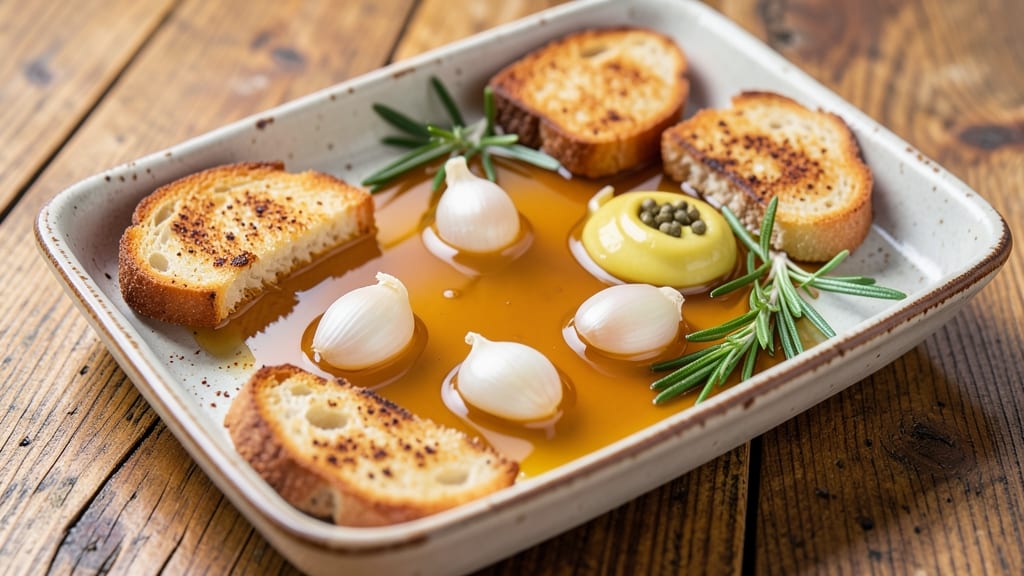
This apple cider vinegar garlic and honey recipe transforms ordinary roasted meats into restaurant-quality masterpieces with just three powerhouse ingredients. The tangy-sweet glaze caramelizes beautifully under the broiler, creating a sticky, flavor-packed crust that locks in juices while adding a subtle antibacterial finish. I perfected this glaze after years of experimenting with natural marinades—it’s the one my family reaches for when we want bold flavor without artificial additives.
The magic happens when raw garlic cloves infuse the vinegar during a 10-minute simmer, then blend with honey to create a thick, glossy sauce.
This isn’t just a glaze—it’s a flavor multiplier that works on everything from pork chops to chicken thighs, or even as a finishing touch for vegetables. The honey balances the vinegar’s acidity while adding natural sweetness, and the garlic delivers deep, aromatic layers that penetrate every bite.
What makes this recipe truly special is its versatility. Use it as a pre-roast marinade for 30 minutes to 2 hours (longer for tougher cuts) or as a post-cook glaze for that perfect caramelized finish.
The sauce keeps well in the fridge for up to 2 weeks, making it perfect for meal prep—just reheat gently before using. For extra depth, I often add a pinch of smoked paprika or a splash of Dijon mustard, but the classic trio delivers impressive results on its own.
Once you try this glaze, you’ll never go back to store-bought sauces. The balance of tangy, sweet, and savory creates a complex flavor profile that elevates simple proteins into showstopping centerpieces. Let’s get started—your next roast is about to become your new favorite dish.
Ingredients for apple cider vinegar garlic and honey
Three core ingredients create this restaurant-worthy glaze that transforms simple roasts into flavor bombs.
| Ingredient | Amount | Notes |
|---|---|---|
| Apple Cider Vinegar 🍎 | ½ cup | Raw, unfiltered preferred for depth |
| Raw Garlic Cloves 🧄 | 6 whole | Peeled, unminced for infusion |
| Raw Honey 🍯 | ½ cup | Wildflower or clover variety |
| Smoked Paprika 🌶️ | ½ tsp | Optional for depth (skip for classic) |
| Dijon Mustard 🌿 | 1 tbsp | Optional for tangy complexity |
| Unsalted Butter 🧈 | 1 tbsp | For finishing (optional) |
| Kosher Salt 🧂 | ¼ tsp | Fine grain for balance |
| Black Pepper 🌶️ | ¼ tsp | Freshly cracked for heat |
The apple cider vinegar is non-negotiable—Bragg or Texas Pete are my go-tos, but any raw, unfiltered brand works. Look for labels that say 'with the mother' for deeper flavor. Garlic cloves should be plump and firm, not sprouting or soft—peel them just before simmering to preserve their potency. Honey? Local wildflower adds floral notes, but clover is universally reliable. I keep a jar of each in my pantry for different occasions. The smoked paprika and Dijon are optional but worth it—they add layers that make this glaze feel like a restaurant secret.
No apple cider vinegar? White vinegar or lemon juice in a pinch, though the flavor will be sharper. Garlic powder works at half the amount, but it lacks the aromatic depth. Substituting honey? Maple syrup or agave both work, though they add different sweetness profiles. If you're skipping the smoked paprika, a pinch of cayenne or chili flakes can add heat instead. The butter is only for finishing—if you're using it as a marinade, skip it entirely. For extra richness, I sometimes add a splash of beef or chicken stock to the simmering vinegar, but it's not necessary.
This glaze keeps beautifully—2 weeks in the fridge sealed in a jar, or 6 months frozen in ice cube trays for single-use portions. I always make double batches because it disappears fast. For best results, reheat gently in a saucepan or microwave until just warm—no boiling, or it'll lose its glossy finish. The glaze thickens as it cools, so if it seems too thin after simmering, let it sit for 10 minutes before using. Trust me, the first time you see that caramelized crust on roasted chicken, you'll be hooked.
Why You'll Love This Recipe
- Five-Ingredient Magic: I swear by this combo—just mash those garlic cloves, stir in the honey until it glistens, and let the vinegar and paprika work their tangy, smoky harmony. No measuring cups, no fuss, just pure flavor assembly.
- Taste Like a Chef’s Secret: That first bite? The raw garlic’s punch softens into warmth, the honey rounds it out, and the apple cider vinegar adds this bright, almost buttery depth. Honestly, it’s the kind of dressing that makes you pause mid-bite and think, “Wait, did I just make this?”
- Dress-Up Any Meal: Drizzle it over roasted Brussels sprouts for a weeknight win, toss it with grilled chicken for a dinner party showstopper, or slather it on sandwiches—yes, even on a Tuesday. The Dijon mustard ties it all together so it works everywhere.
- Pantry Goldmine: I make a big batch and keep it in the fridge for weeks. The vinegar preserves the freshness, the honey keeps it from going sour, and the smoked paprika? That’s my secret for making leftovers taste like they just came out of the oven. Budget-friendly, too—uses stuff you already own.
Step-by-step instructions for apple cider vinegar garlic and honey glaze
This glaze transforms ordinary roasted meats into restaurant-worthy masterpieces with minimal effort.
Infuse the Garlic into the Vinegar
In a small saucepan, combine the 0.5 cup apple cider vinegar and the 6 whole raw garlic cloves. Place over medium heat and bring to a gentle simmer. Let it cook for 5-7 minutes until the garlic becomes translucent and fragrant—you'll see it soften slightly but not brown. This infusion creates the aromatic base that carries through your entire glaze.
The key here is patience. If you rush, the garlic will burn and impart a bitter taste. Instead, watch for the moment when the vinegar smells like a garlic-infused spa treatment—this is your signal to move to the next step. Remove from heat immediately after and let the mixture cool completely before proceeding.
Combine with Honey and Seasonings
Once the garlic-vinegar mixture has cooled to room temperature, transfer it to a mixing bowl. Add the 0.5 cup raw honey, stirring until fully incorporated. The mixture should begin to thicken slightly as the honey blends with the vinegar. Add the 0.5 tsp smoked paprika, 1 tbsp Dijon mustard, 0.25 tsp kosher salt, and 0.25 tsp black pepper, whisking until everything is evenly distributed.
Here's where the magic happens: the smoked paprika adds depth, the Dijon mustard introduces tangy complexity, and the honey balances the acidity. Taste the mixture now—it should be sweet, tangy, and just slightly spicy. If you skipped the smoked paprika, the flavor will be more classic but still delicious. This is the perfect time to adjust seasoning if needed, though the quantities are precise for balance.
Finish with Butter for Richness
Return the mixture to low heat in the saucepan. Add the 1 tbsp unsalted butter and stir constantly until it melts completely and the glaze reaches a smooth, glossy consistency. This step elevates the glaze from good to extraordinary, adding a velvety richness that pairs beautifully with roasted meats. The butter should fully incorporate, creating a silky texture that coats your meat perfectly.
If the glaze thickens too much during this process, add 1-2 teaspoons of water to loosen it. You want a consistency that's thick enough to cling to meat but still pourable. Once smooth, remove from heat immediately—any further cooking will make the glaze too concentrated. Let it cool to room temperature before using, as this allows the flavors to meld completely.
Apply to Roasted Meats
When your meat is nearly done roasting (about 10-15 minutes before the target internal temperature), brush the glaze generously over the surface. I recommend using a pastry brush for even coverage. The glaze will caramelize beautifully in the residual heat, creating a glossy, slightly crisp exterior that contrasts perfectly with the tender meat underneath.
For best results, apply the glaze in two stages: once about 15 minutes before the meat is done, and again in the final 5 minutes of cooking. This two-step approach ensures maximum flavor infusion without burning the glaze. The result should be meat that's not just delicious, but visually stunning with a deep golden sheen and irresistible aroma.
Pro Tips For Making Apple Cider Vinegar Garlic And Honey
- Mince Garlic Like You Mean It: I used to smash cloves with the flat of my knife and wonder why the flavor felt weak. Now I pulse raw garlic in a food processor—just 2-3 seconds—until it looks like wet sand. This releases more allicin without turning bitter, and it blends seamlessly into the vinegar-honey mix.
- Warm Honey First: Cold honey is thick and stubborn. Microwave it for 10 seconds or dip the jar in hot water for 30 seconds—just enough to make it pourable. This ensures even distribution in your sauce and prevents clumpy texture when combining with vinegar and mustard.
- Balance Vinegar with Sugar: Apple cider vinegar’s sharpness needs a counterpoint. If your honey isn’t sweet enough, add ½ teaspoon of granulated sugar per tablespoon of vinegar. I learned this the hard way when my first batch tasted like a mouthful of nail polish remover.
- Toast the Paprika Separately: Skip throwing smoked paprika into the raw mix—it’ll just sit there like a flavorless dust. Dry-toast it in a small pan over medium heat for 30 seconds until fragrant, then whisk it into the finished sauce. The aroma jumps from "meh" to "smoky depth" instantly.
Make-ahead tips for this dish
Batch Prep Basics
Make a double batch of this glaze—it disappears fast! Combine 1 cup apple cider vinegar, 12 garlic cloves, and 1 cup honey in a saucepan, then follow the same simmering process. Store in glass mason jars (I use 8-ounce Ball jars) with airtight lids.
The glaze thickens as it cools, so stir well before each use. Label jars with the date—this keeps for 2 weeks refrigerated or 6 months frozen in ice cube trays. 🧑🍳
Freezer-Friendly Portions
Portion glaze into 1-tablespoon servings in silicone molds or ice cube trays before freezing. Pop out cubes and transfer to a freezer bag for easy single-use portions. Thaw overnight in the fridge or microwave for 10 seconds before applying.
This method works perfectly for weeknight roasts—just grab a cube, warm it, and glaze away. No wasted leftovers here! ❄️
Marinade Mode
Use this glaze as a 30-minute to 2-hour marinade for chicken thighs or pork chops. Combine ¼ cup glaze with 1 tbsp olive oil in a ziplock bag (I use Glad brand) for even coating.
Marinate in the fridge, then roast as usual. The acidity tenderizes while the honey caramelizes—game-changer for weeknight dinners. Discard marinade after use unless reserved for cooking. 🍗
Glaze Ahead for Holidays
Make this glaze 2 days ahead for holiday roasts like turkey or ham. Store in the fridge, then reheat gently in a saucepan with 1 tbsp water to restore consistency. Brush onto meat 30 minutes before serving for that perfect caramelized finish.
For large roasts, divide the glaze into two batches—apply half mid-cooking, then the rest at the end. 🎄
Reviving Thickened Glaze
If your stored glaze thickens too much, thin with 1 teaspoon warm water per 2 tablespoons glaze. Stir over low heat until smooth—never boil, or it’ll lose its gloss.
For extra richness, whisk in ½ teaspoon melted butter. This trick works for glaze that’s been refrigerated for up to 2 weeks without losing flavor. 🔥
Glaze for Veggies
Brush this glaze on roasted Brussels sprouts, carrots, or sweet potatoes for a sweet-savory twist. Toss veggies with 1 tablespoon olive oil, roast at 400°F for 20 minutes, then glaze and broil for 3-5 minutes until caramelized.
The honey balances the vinegar’s sharpness, making even tough veggies irresistible. 🥕
Nutrition facts
Frequently asked questions
Can I use this glaze on vegetables instead of meat?
This glaze works beautifully on roasted vegetables like Brussels sprouts, carrots, or sweet potatoes. Toss them with olive oil first, roast at 400°F for 20 minutes, then brush with the glaze and broil for 3-5 minutes until caramelized. The honey balances the vinegar's sharpness perfectly, making even tough veggies irresistible.
How long should I marinate meat in this glaze?
For best results, use this glaze as a 30-minute to 2-hour marinade for chicken thighs or pork chops. The acidity helps tenderize while the honey adds natural sweetness. Combine ¼ cup glaze with 1 tbsp olive oil in a sealed bag for even coating. Discard marinade after use unless reserving for cooking.
What if my glaze thickens too much after refrigeration?
Simply thin it with 1 teaspoon warm water per 2 tablespoons glaze. Stir over low heat until smooth—never boil, or it'll lose its glossy finish. For extra richness, whisk in ½ teaspoon melted butter. This works for glaze stored up to 2 weeks without losing flavor.
Can I make this glaze without honey?
Yes, but the flavor will be sharper. Substitute honey with maple syrup or agave (same amount), though they add different sweetness profiles. The honey balances the vinegar's acidity, creating that perfect sweet-tangy contrast. If skipping honey, consider adding a pinch of sugar to compensate for the missing sweetness.
How do I store leftovers for maximum freshness?
Store in an airtight glass jar in the fridge for up to 2 weeks or freeze in ice cube trays for 6 months. Portion into 1-tablespoon servings before freezing for easy use. Thaw overnight in the fridge or microwave for 10 seconds before reheating gently. The glaze thickens as it cools, so stir well before each use.