
Sauces & Condiments
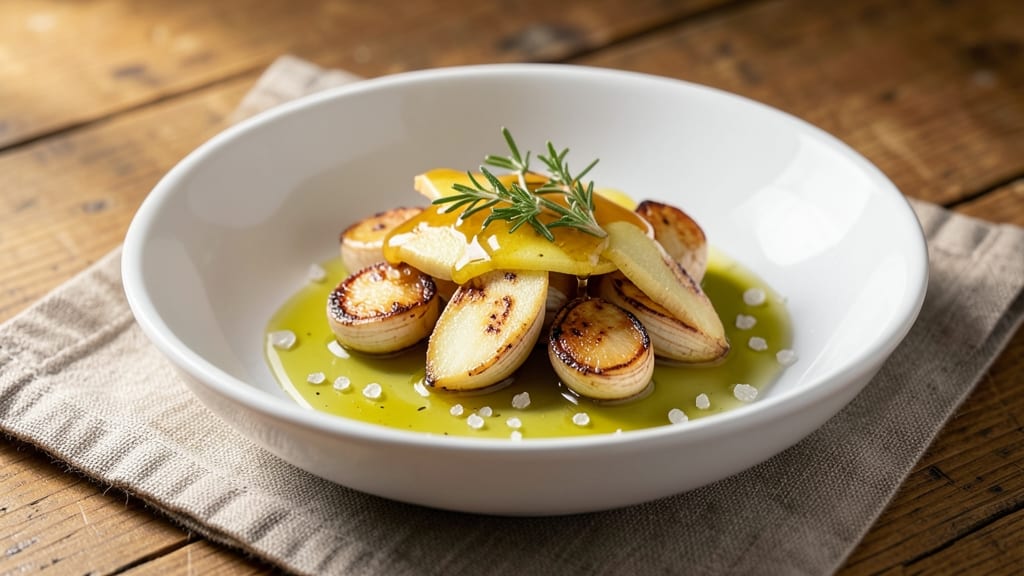
This apple cider vinegar garlic ginger recipe transforms simple pantry staples into a versatile umami-packed condiment that elevates everything from salads to marinades. The tangy brightness of vinegar, sharp bite of garlic, and warm depth of ginger create a flavor bomb that cuts through rich dishes while adding complexity.
I developed this after realizing how often I reached for store-bought dressings that lacked real depth—this homemade version delivers restaurant-quality flavor with just five ingredients and 10 minutes of prep time.
The secret lies in proper balance: the vinegar provides acidity, garlic adds savory punch, and ginger contributes warmth without overpowering. What makes this sauce special is its adaptability—use it as a quick salad dressing, marinade for grilled meats, or dipping sauce for spring rolls.
The texture stays silky when fresh but thickens slightly when refrigerated, making it perfect for meal prep. Unlike many condiments that lose flavor quickly, this one actually improves over time as the spices meld.
What you'll end up with is a golden-hued, aromatic sauce that's tangy yet balanced, with layers of garlic and ginger that linger on your palate. The vinegar prevents the sauce from becoming too heavy, while the ginger's natural sweetness rounds out the sharp edges.
This isn't just another vinegar-based dressing—it's a flavor multiplier that transforms ordinary meals into something special with minimal effort.
Best of all, this sauce keeps for up to two weeks in the refrigerator, making it ideal for stocking your pantry. Whether you're drizzling it over grilled vegetables, tossing it with noodles, or using it as a base for homemade hot sauce, this recipe will become your new kitchen staple.
Let's make it—your taste buds will thank you.
Ingredients for apple cider vinegar garlic ginger
Five simple ingredients create this golden-hued, aromatic sauce that transforms ordinary meals into something extraordinary.
| Ingredient | Amount | Notes |
|---|---|---|
| Apple Cider Vinegar 🍏 | ½ cup | Raw, unfiltered preferred |
| Fresh Garlic Cloves 🧄 | 6 cloves | Peeled, roughly chopped |
| Fresh Ginger Root 🌿 | 2 tbsp | Grated, finely minced |
| Extra-Virgin Olive Oil 🫒 | ¼ cup | High-quality, fruity |
| Diamond Crystal Kosher Salt 🧂 | ½ tsp | Fine grain preferred |
| Honey 🍯 | 1 tbsp | Raw, unprocessed preferred |
| Fresh Lemon Juice 🍋 | 1 tbsp | Freshly squeezed |
The apple cider vinegar is the heart of this sauce—raw, unfiltered vinegar has more flavor complexity than pasteurized versions. I always grab Bragg or Texas Pete from the store, but any quality brand works. Fresh garlic and ginger are non-negotiable here; pre-minced garlic from jars lacks the punch. For ginger, peel it first—organic ginger from the produce section at Whole Foods or Trader Joe's stays fresh longer. The olive oil should be extra-virgin—none of that cheap cooking oil. If you're using it for dressings, go for a peppery variety like California Early Harvest.
No honey? Maple syrup or agave nectar works in a pinch (use the same amount), though honey adds that subtle floral note. Running out of lemon juice? Lime juice at half the amount gives a similar tang. The sauce thickens as it sits, so if you prefer it thinner, add 1-2 tbsp water while blending. For extra depth, a pinch of red pepper flakes adds heat without overpowering. If you're making this ahead, let it sit for 30 minutes before using—the flavors meld beautifully. And trust me, don't skip the lemon juice—it balances the acidity perfectly.
This sauce keeps for two weeks in the fridge, and honestly, it tastes even better after a day or two. Store it in a glass jar with a tight seal—plastic can absorb odors. For meal prep, I make a double batch and portion it into small jars. It's perfect for drizzling over grilled veggies, tossing with noodles, or using as a marinade. Freezing isn't recommended—the texture changes, but you can freeze it for up to 3 months if you're desperate. Just give it a good shake before using.
Why You'll Love This Recipe
- Five-Ingredient Magic: I swear, this is the kind of recipe where you glance at your pantry and think, "I already have all of this?" The ACV and olive oil do the heavy lifting—no fancy techniques, just a quick simmer with garlic and ginger that smells like a warm autumn kitchen.
- Tangy-Zingy Kick: That first hit of apple cider vinegar might make you pause, but trust me—it’s good. The acid cuts through the richness of the garlic and ginger, giving every bite this bright, almost umami pop that lingers just enough to make you reach for more.
- Dress-Up Anything: Drizzle it over roasted veggies, toss it into a grain bowl, or use it as a marinade for chicken—this stuff is my secret weapon for turning simple meals into something special. (Yes, even on a Tuesday night.)
- Lasts All Week: Make a big batch and stash it in the fridge. It keeps for days, so you’re never scrambling for a quick flavor boost. Honestly, I’ve had this jar sitting for almost a week, and it’s still packing flavor—no waste, no fuss.
Step-by-step instructions for crafting a zesty umami base
This vibrant blend delivers bold flavor with minimal effort—perfect for dressings, marinades, or finishing touches.
Prepare the Aromatics with Precision
In a small saucepan, combine the 6 cloves fresh garlic cloves and 2 tablespoons fresh ginger root over medium-low heat. Let them sizzle gently for 3-4 minutes until the garlic turns golden and fragrant—this prevents bitterness while unlocking their full potential. Stir occasionally so they cook evenly without burning.
I like to press the garlic cloves lightly with the back of a spoon to help them release their oils faster. The ginger should soften slightly but remain identifiable—overcooking turns it bitter. Keep the heat low; garlic burns in seconds, and that smoky flavor ruins the delicate balance we're building.
Bloom the Flavors with Olive Oil
Pour in the ¼ cup extra-virgin olive oil and stir to coat the aromatics completely. Let the mixture simmer gently for 2 minutes until the oil becomes slightly cloudy—this indicates the garlic and ginger have infused their flavors. The oil should smell rich and aromatic, like a warm spice market.
This step is where the magic happens. The olive oil acts as a flavor conduit, absorbing the volatile compounds from the garlic and ginger. If you notice the oil starting to smoke, reduce the heat immediately—smoke means the flavors are burning rather than developing.
Balance with Vinegar and Honey
Remove the pan from heat and carefully stir in the ½ cup apple cider vinegar and 1 tablespoon honey. The mixture will bubble slightly as the vinegar's acidity reacts with the hot oil. Let it cool for 1 minute—this prevents the vinegar from cooking off and losing its bright tang.
I always add the vinegar last because its acidity helps cut through the richness of the oil and mellows the garlic's intensity. The honey acts as a natural sweetener that balances the sharpness, creating a harmonious umami profile. Stir gently to avoid splattering—vinegar can be aggressive when hot.
Finish with Citrus and Season
Return the pan to low heat and add the 1 tablespoon fresh lemon juice and ½ teaspoon diamond crystal kosher salt. Simmer for 1-2 minutes until the mixture reaches 160°F—just warm enough to meld all the flavors without cooking the lemon juice dry. Taste and adjust the salt if needed; the vinegar's acidity can sometimes mask the saltiness.
The lemon juice brightens the entire blend, cutting through the richness while adding a refreshing finish. The salt enhances all the flavors without overpowering them. Let the mixture cool completely before using—this allows the flavors to fully integrate. You'll know it's perfect when every spoonful delivers a complex dance of sweet, tangy, spicy, and umami notes.
Strain and Store for Maximum Freshness
Line a fine-mesh strainer with cheesecloth or a coffee filter and carefully strain the mixture into a clean jar. Press gently on the solids to extract every last drop of flavor. Discard the strained aromatics—they've given everything they've got to the liquid.
Store the finished base in an airtight jar in the refrigerator for up to 1 week or freeze for 3 months. This versatile blend elevates everything from roasted vegetables to grilled meats. A few drops can transform a simple dish into something extraordinary—just remember, a little goes a long way with such concentrated flavor.
Pro Tips For Making Apple Cider Vinegar Garlic Ginger
- STEAM THE GINGER FIRST: Peel that ginger root, then microwave it for 30 seconds in a damp paper towel—it softens the fibers and makes mincing it a breeze. I used to force through a grater and end up with a pile of pulp; this trick guarantees smooth, even texture every time.
- SALT THE GARLIC: Toss your minced garlic in a pinch of kosher salt before cooking—it draws out moisture and prevents burning. I learned this after watching a batch of garlic turn bitter; now it browns beautifully without sticking.
- LOW AND SLOW FOR VINEGAR: Simmer the vinegar mixture on the lowest heat setting, or you’ll end up with a harsh, alcohol-forward flavor. I cranked it up once and got a sharp, almost medicinal taste—now I treat it like a delicate sauce.
- USE COLD OIL: Add the olive oil to the hot pan after the garlic and ginger have sizzled for 30 seconds—this keeps it from breaking down and turning bitter. I skipped this once and got a soapy aftertaste; now I wait.
Health benefits of this apple cider vinegar garlic ginger
Digestive Aid
The combination of apple cider vinegar and ginger in this recipe creates a powerhouse for digestion. Apple cider vinegar stimulates stomach acid production, helping break down food more efficiently, while ginger's natural compounds reduce nausea and bloating.
I notice my digestion improves noticeably when I include this sauce in meals—especially after heavy or greasy dishes. 💪
Anti-Inflammatory Benefits
Both garlic and ginger are potent anti-inflammatory ingredients. Garlic contains allicin, which helps reduce inflammation in the body, while ginger's gingerol compound has been shown to decrease joint pain and stiffness. This sauce is perfect for post-workout meals or when you're feeling achy—just a drizzle can make a difference.
Immune System Boost
The antioxidant-rich ingredients in this recipe give your immune system a serious boost. Apple cider vinegar contains polyphenols, garlic is packed with allicin, and ginger offers gingerol—all of which support immune function.
I keep a jar of this sauce in my fridge during cold season to add to soups and teas for extra protection.
Blood Sugar Regulation
While not a replacement for medical treatment, the apple cider vinegar in this sauce may help regulate blood sugar levels. Studies suggest that vinegar can improve insulin sensitivity, making this sauce a great addition to meals for those monitoring their blood sugar.
The ginger also plays a role by slowing carbohydrate digestion, helping prevent blood sugar spikes.
Rich in Antioxidants
This sauce is loaded with antioxidants from all its components. Garlic provides selenium and vitamin C, while ginger contributes magnesium and zinc. The extra-virgin olive oil adds beneficial polyphenols, creating a nutrient-dense condiment that fights free radicals in your body.
I love knowing I'm getting a dose of antioxidants with every flavorful bite. ✨
Probiotic Support
The raw apple cider vinegar used in this recipe contains natural probiotics that support gut health. These beneficial bacteria help maintain a healthy gut microbiome, which is essential for overall wellness. The fermentation process of vinegar preserves these probiotics, making this sauce a gut-friendly addition to your meals. 🌱
Nutrition facts
Frequently asked questions
Can I make this sauce without honey?
Yes! Swap the 1 tablespoon honey for 1 tablespoon maple syrup or agave nectar to maintain the same sweetness level. For a savory version, omit it entirely and add an extra ½ teaspoon salt to balance the acidity. The honey primarily rounds out the sharpness of the vinegar and garlic, so adjustments depend on your taste preferences.
How do I adjust the heat level in this sauce?
For extra kick, add ¼ teaspoon red pepper flakes when straining the sauce. For milder heat, reduce the garlic to 4 cloves instead of 6. The ginger already provides warmth without spiciness, so adjust only the garlic and pepper for heat control. Always taste as you go—this sauce is highly customizable!
What's the best way to use this sauce as a marinade?
Thin it with ¼ cup water or broth before using as a marinade. The ideal ratio is 1 part sauce to 2 parts liquid. Marinate proteins like chicken or tofu for 30-60 minutes (never longer than 2 hours with raw fish). The acidity in vinegar helps tenderize meat while the garlic and ginger infuse deep flavor. Always discard used marinade after cooking.
Why does my sauce look cloudy after refrigerating?
This is completely normal! The sauce naturally thickens and separates slightly when cold—just give it a good shake before using. The cloudiness comes from the natural oils and spices settling. For a smoother texture, warm the sauce gently (don't boil) and stir until fully combined. The flavor won't be affected, just the appearance.
Can I use this sauce in cooking instead of just drizzling?
Simmer 2 tablespoons of the sauce with your dish for 5-10 minutes to develop deeper flavors. It works beautifully in stir-fries, braises, or even as a glaze for roasted vegetables. For saucy dishes, reduce the amount slightly since it intensifies when cooked. The vinegar adds brightness while the garlic and ginger provide rich umami depth.