
Sauces & Condiments
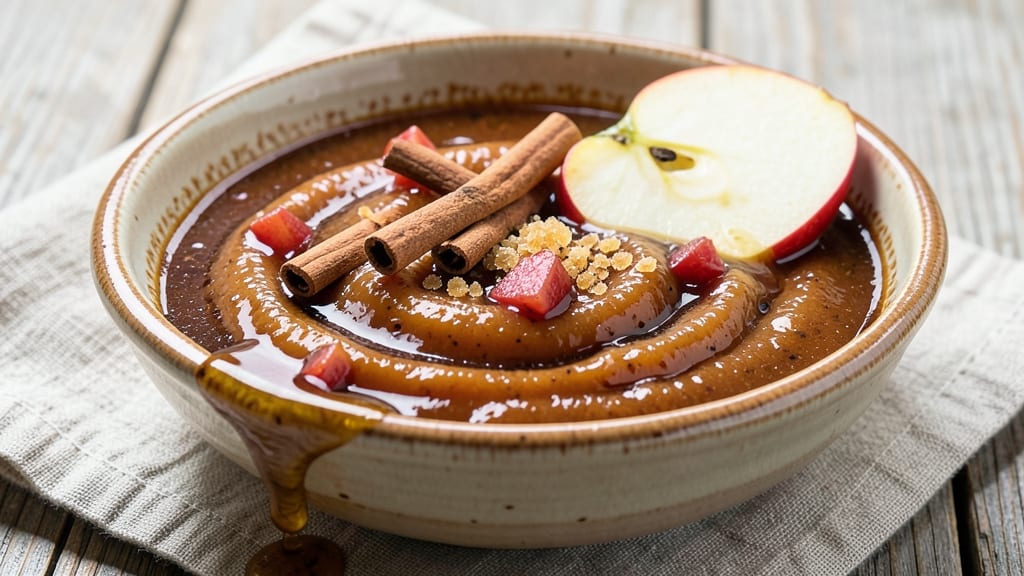
This apple cinnamon barbecue sauce recipe transforms your grill into a fall-inspired flavor station—where smoky, sweet, and spiced notes collide in every bite. 🔥 As a pitmaster trained in French technique, I developed this sauce to bridge the gap between classic BBQ tang and autumnal warmth, perfect for glazing ribs, basting brisket, or drizzling over roasted vegetables.
The secret lies in a slow-simmered blend of vinegar, tomato base, and caramelized apple purée that deepens in flavor the longer it cooks.
The magic happens in layers: first, the vinegar and spices build a bright, tangy foundation; then, the apple purée and brown sugar caramelize into a sticky, aromatic glaze; finally, the tomato paste and molasses add depth that ties everything together.
Unlike store-bought sauces, this one develops complexity as it simmers, creating a sauce that’s rich enough for ribs but versatile enough for dipping or marinating. The result? A sauce that caramelizes on contact, turning any dish into a showstopper.
What makes this sauce truly special is its triple-layered flavor profile—tart from the apple cider vinegar, sweet from the caramelized purée, and smoky from the slow reduction. It’s the kind of sauce that turns weeknight grilling into a celebration, whether you’re basting pulled pork or glazing grilled chicken.
The best part? It keeps beautifully in the fridge for up to two weeks, so you’ll always have a flavorful backup for your next cookout.
Ready to elevate your BBQ game? This sauce isn’t just for grilling—use it as a dip for fries, a glaze for roasted vegetables, or even a marinade for chicken. The possibilities are endless, and the flavor? Unforgettable. Let’s get cooking.
Ingredients for apple cinnamon barbecue sauce
Twelve ingredients. Three layers of flavor. Your grill just got a fall upgrade.
| Ingredient | Amount | Notes |
|---|---|---|
| Apple Cider Vinegar 🍏 | ½ cup | Raw, unfiltered preferred |
| Brown Sugar 🍚 | ¾ cup | Light or dark variety |
| Unsweetened Applesauce 🍎 | 1 cup | Smooth, no chunks |
| Tomato Paste 🍅 | ¼ cup | Smooth, no added salt |
| Molasses 🍯 | ¼ cup | Unsulphured preferred |
| Ground Cinnamon 🌿 | 1 tbsp | Freshly ground for warmth |
| Smoked Paprika 🌶️ | 1 tbsp | For smoky depth |
| Garlic Powder 🧄 | 1 tbsp | Freshly ground preferred |
| Onion Powder 🧅 | 1 tbsp | For subtle sweetness |
| Black Pepper 🌶️ | ½ tsp | Freshly cracked for heat |
| Salt 🧂 | 1 tsp | Kosher or sea salt |
| Water 💧 | ½ cup | For thinning consistency |
The apple cider vinegar is non-negotiable here—it’s the tart backbone that keeps this sauce from being too sweet. Bragg or Texas Pete are my go-tos, but any raw, unfiltered brand works. For the applesauce, Mott’s or Libby’s unsweetened are pantry staples, but if you’re feeling fancy, grab a bag of organic apples and blend them fresh. The tomato paste? Mutti or Barilla are my favorites—they’re smooth and never bitter. As for molasses, unsulphured is key; it’s sweeter and has a deeper flavor. If you can’t find it, regular molasses will work, but you might need to adjust the sugar slightly.
No smoked paprika? Regular paprika plus a pinch of liquid smoke gets you close. The spices can be swapped in a pinch—dried thyme or rosemary at half the amount adds a nice herbal note. Running low on applesauce? Purée 2 ripe apples with a splash of water works in a bind. The water is just for thinning if your sauce gets too thick during simmering—add it gradually. And if you’re worried about the molasses being too strong, reduce it to 2 tablespoons and bump the brown sugar up by the same amount. The sauce will still caramelize beautifully.
This sauce tastes even better after a day or two in the fridge—like the flavors have time to marry. Store it in a glass jar with a tight seal for up to 2 weeks. For longer storage, freeze it in ice cube trays—perfect for single-use portions. If it thickens when refrigerated, just stir in a splash of water or apple cider vinegar to loosen it up. And trust me, you’ll want to make extra—this stuff disappears fast, whether it’s glazing ribs or drizzling over roasted sweet potatoes.
Why You'll Love This Recipe
- Pantry Magic: I swear by this one—no specialty trips to the store. Brown sugar, applesauce, and molasses? Stuff I already have in my cabinet. The apple cider vinegar ties it all together with that tangy kick without needing fancy ingredients.
- Sweet-Spicy Balance: That molasses and tomato paste combo gives it depth, but the applesauce keeps it from being too heavy. Honestly, it’s the kind of sauce where every spoonful makes you want to dip something else—even if you just ate.
- Weeknight Wonder: Slather it on burgers, toss it with baked beans, or drizzle it over grilled chicken—it works everywhere. Between us, I’ve even used it as a glaze for roasted carrots when I needed something quick. (Yes, even on a Tuesday night.)
- No Waste, All Win: A batch lasts me forever. I keep it in the fridge for a week, and it still tastes fresh. Plus, the ingredients are cheap—this sauce is my budget-friendly secret for making simple meals feel special without breaking the bank.
Step-by-step instructions for apple cinnamon barbecue sauce
Here's how to build this rich, caramelized sauce layer by layer—no shortcuts, just deep flavor.
🍳 Step 1: Build the Base with Vinegar and Sugar
In a medium saucepan over medium-high heat, combine the 0.5 cup apple cider vinegar and 0.75 cup brown sugar. Stir until the sugar dissolves completely—you'll see it transform into a golden syrup. This step creates the foundational sweet-tangy balance that defines the sauce.
Bring the mixture to a gentle boil, then reduce heat to medium. Let it simmer for 5 minutes until it thickens slightly and develops a glossy sheen. You're looking for a consistency similar to light syrup—thick enough to coat the back of a spoon but still pourable. Here's where the magic starts: the vinegar's acidity begins reacting with the sugar to create caramelized notes.
🥘 Step 2: Add Depth with Molasses and Tomato Paste
Lower the heat to medium-low and stir in the 0.25 cup molasses and 0.25 cup tomato paste. The molasses will darken the sauce immediately, adding that signature depth and subtle bitterness that balances the sweetness. Stir constantly for 3-4 minutes until everything is fully incorporated and the mixture becomes smoother.
This is the moment that matters: the molasses and tomato paste combine with the vinegar-sugar base to create a complex flavor profile. You'll notice the sauce thicken further as it simmers—this is normal and exactly what we want. If it gets too thick too quickly, you can add 1-2 tablespoons of the 0.5 cup water later to adjust consistency, but we're aiming for a thick, spreadable sauce here.
🍳 Step 3: Layer in the Spices and Aromatics
With the heat still at medium-low, add the 1 tbsp ground cinnamon, 1 tbsp smoked paprika, 1 tbsp garlic powder, 1 tbsp onion powder, 0.5 tsp black pepper, and 1 tsp salt. Stir vigorously for 1 minute to ensure the spices are evenly distributed throughout the sauce.
Watch for the spices to bloom—you'll see the sauce darken slightly and smell that warm, spicy aroma develop. The cinnamon will add warmth, the smoked paprika brings that subtle smokiness, and the garlic and onion powders create a savory backbone. This is where the sauce transforms from good to extraordinary. Don't be tempted to rush this step—the spices need time to meld with the other flavors.
🍎 Step 4: Finish with Applesauce and Simmer to Perfection
Add the 1 cup unsweetened applesauce and the remaining 0.5 cup water (if needed for consistency). Stir well to combine, then increase the heat to medium-high again. Bring the sauce to a boil, then immediately reduce to low heat and let it simmer for 10-12 minutes.
This final simmer is crucial—it allows all the flavors to fully develop and the sauce to thicken to the perfect consistency. You're looking for a sauce that's thick enough to cling to meats or coat ribs beautifully, but still pourable enough to drizzle. Stir occasionally to prevent sticking, and taste as you go. Here's the thing—the sauce will continue to thicken as it cools, so aim for a slightly thinner consistency than you think you need when hot.
⏰ Step 5: Rest and Caramelize
Remove the saucepan from heat and let the sauce rest for 10 minutes. This resting period allows the flavors to settle and the sauce to thicken further. I know it's hard to wait, but trust me—this step makes all the difference in the final texture and flavor.
For the ultimate version, transfer the sauce to a shallow baking dish and broil for 2-3 minutes on high heat. Watch it closely—you want the surface to develop a beautiful caramelized crust while keeping the sauce underneath warm and spreadable. This caramelized top adds that restaurant-quality finish that makes this sauce truly special. Once caramelized, let it cool for 5 minutes before serving to allow the flavors to meld completely.
Pro Tips For Making Apple Cinnamon Barbecue Sauce
- Simmer Slowly, Not Fast: This sauce needs time to meld—don’t rush it. After adding the tomato paste and molasses, drop the heat to low and let it bubble gently for at least 20 minutes. I used to crank the stove and end up with a thin, vinegary mess. Low and slow thickens the sauce properly and lets those apple and cinnamon notes develop.
- Strain the Applesauce: Unsweetened applesauce is great, but it’s full of tiny fiber bits that turn your sauce grainy. Strain it through a fine-mesh sieve before adding it to the pot. Yes, it’s an extra step, but your sauce will look polished and taste smoother—no one wants to bite into a chunk of fruit while eating ribs.
- Balance the Sweetness First: Taste the sauce before adding the molasses—it’s the sneakiest ingredient here. If the brown sugar and applesauce already make it cloying, skip the molasses or cut it in half. I learned this after slathering a batch on pulled pork and nearly choking on the sugar overload. Start with 1 tablespoon and adjust.
- Deglaze with Vinegar Early: Add the apple cider vinegar right after the tomato paste, while the pot is still hot. This cuts through the sugar’s stickiness and prevents a thick, gloppy mess. Scrape up any browned bits from the bottom—those add depth, and vinegar helps dissolve them faster. (Yes, even if you’re impatient like me.)
Creative variations of this dish
Spiced Rum Twist
Add 2 oz dark spiced rum (like Kahlúa or Captain Morgan) along with the molasses and tomato paste. Simmer for an extra 5 minutes to let the alcohol burn off and infuse the sauce with warm, boozy depth.
This works beautifully on pork shoulder or as a glaze for grilled pineapple. I first tried this variation after a coastal motorcycle ride when I had rum on hand—it became an instant favorite. 🍹
Maple-Bourbon Glaze
Swap the molasses for ¼ cup pure maple syrup and add 1 tbsp bourbon (like Maker’s Mark). Reduce the brown sugar to ½ cup to balance the natural sweetness. This version has a richer, more complex sweetness that pairs perfectly with smoked brisket or glazed carrots.
The bourbon adds a subtle charred note that reminds me of my French training—elegant yet bold. 🥃
Chipotle Heat Boost
Add 1-2 chipotle peppers in adobo sauce (minced) along with the spices. For extra heat, include the seeds. This adds smoky, spicy depth that cuts through the sweetness.
I learned this trick from a Texas BBQ competition where I needed to balance my sweet rubs—it’s now a staple for my spicy pulled pork. Adjust to taste, but start with 1 pepper for mild heat. 🌶️
Caramelized Onion Swap
Replace the applesauce with 1 cup caramelized onions (cooked down until jammy). This adds a deep, savory sweetness that complements the cinnamon beautifully. I often make a big batch of caramelized onions when I’m foraging wild onions along the coast—it’s a game-changer for depth.
The texture becomes slightly thicker but more luxurious, perfect for drizzling over roasted vegetables or as a dip for pretzels. 🧅
Citrus Zest Brightener
Add 1 tbsp lemon zest and 1 tbsp orange zest when you add the spices. The citrus cuts through the richness and adds a refreshing brightness. I first tried this after a coastal ride when I had fresh citrus on hand—it’s now a must for summer grilling.
Pair it with grilled chicken or shrimp skewers for a refreshing twist. 🍊
Herbal Infusion
Stir in 1 tbsp fresh rosemary (finely chopped) or 1 tsp dried thyme when you add the spices. The herbs add an earthy complexity that balances the sweetness. I forage rosemary from wild patches near the coast—it’s a secret weapon for adding layers of flavor.
This works especially well with lamb or as a marinade for grilled vegetables. 🌿
Nutrition facts
Frequently asked questions
Can I make this sauce without applesauce?
Replace the 1 cup unsweetened applesauce with 1 cup caramelized apple purée (cooked down from peeled apples) or ½ cup apple cider + ½ cup unsweetened applesauce for extra tang. For a savory twist, try 1 cup caramelized onions—they add deep sweetness that pairs beautifully with the cinnamon. The sauce will still develop that signature caramelized flavor, just with a different texture.
How long will this sauce keep, and can I freeze it?
This sauce stays fresh in an airtight container in the fridge for up to 2 weeks, and it actually tastes better after 24 hours as the flavors meld. For longer storage, freeze it in ice cube trays or small jars—thaw overnight in the fridge. If it thickens when refrigerated, stir in 1-2 tablespoons of water or apple cider vinegar to restore consistency. The freezer life? Up to 6 months without losing quality.
What’s the best way to use this sauce on ribs?
For St. Louis-style ribs, apply a thin layer during the last 30 minutes of cooking, then brush on more sauce during the final 10 minutes to create a caramelized crust. For 3-2-1 ribs, baste generously during the 2-hour wrap phase and finish with a glaze in the oven. Pro tip: Let the sauce sit for 10 minutes before applying—it thickens as it cools, so you’ll get better coverage.
Why did my sauce turn out too sweet?
This usually happens if you skipped the 5-minute simmer in Step 1 or didn’t balance the flavors during the final simmer. The vinegar’s acidity should cut through the sweetness—if it’s missing, add 1-2 tablespoons of apple cider vinegar or a pinch of smoked paprika to add depth. For future batches, taste as you go and adjust gradually. The molasses and tomato paste should also add subtle bitterness to balance the sweetness.
Can I use this sauce as a marinade?
Yes! For chicken or pork, mix ½ cup sauce with ½ cup olive oil and let it marinate for 4-6 hours (or overnight for deeper flavor). The spices and vinegar will tenderize the meat while infusing it with that signature apple-cinnamon profile. For fish or shrimp, use a 1:1 ratio of sauce to oil and marinate for 1-2 hours max to avoid overpowering delicate flavors.