
Sauces & Condiments
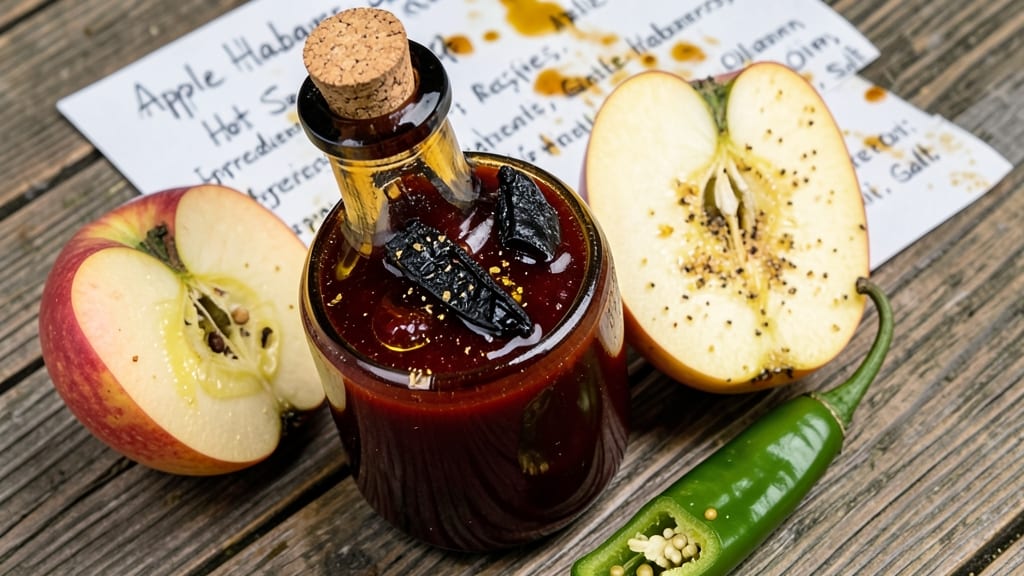
This apple habanero hot sauce recipe transforms bold heat into a complex, sweet-spicy condiment that elevates everything from tacos to grilled meats. The key lies in balancing the habanero’s fiery punch with apple’s natural sweetness, creating a sauce that’s addictive in its contrast.
I’ve perfected this blend over years of testing—each batch delivers a perfect harmony of tang, sweetness, and lingering heat that lingers on the tongue.
The process is straightforward but requires patience: roasting the habanero peppers intensifies their smoky depth while preserving their signature heat, and the apple purée adds a subtle sweetness that rounds out the acidity of the vinegar base.
A touch of garlic and onion powder deepens the flavor profile, ensuring every drizzle packs layers of complexity. What you’ll end up with is a glossy, vibrant sauce with a perfect balance—hot enough to wake up flavors but sweet enough to be approachable.
This hot sauce isn’t just for spicy food lovers—its versatility makes it a game-changer in any kitchen. Use it to spice up marinades, drizzle over tacos, or mix into dressings for a fiery kick.
The recipe yields about 2 cups, and it keeps well in the refrigerator for up to 3 months, so you’ll have plenty on hand for bold flavor experiments. The secret? Let the sauce sit for at least 24 hours before using—this allows the flavors to meld into something truly extraordinary.
For those who love heat but crave balance, this sauce delivers without overwhelming. The apple’s sweetness tempers the habanero’s intensity, making each bite exciting yet controlled.
Whether you’re a seasoned hot sauce enthusiast or just starting to explore bold flavors, this recipe is your ticket to creating a condiment that’s as impressive as it is delicious. Let’s get started on crafting something unforgettable.
Ingredients for apple habanero hot sauce
Sweet apples and fiery habaneros create this addictive hot sauce with perfect balance.
| Ingredient | Amount | Notes |
|---|---|---|
| Habanero Peppers 🌶️ | 4 whole | Roasted for smoky depth |
| Red Apples 🍎 | 2 medium | Sweet variety like Fuji |
| Apple Cider Vinegar 🍏 | 1 cup | Organic preferred for clarity |
| Distilled White Vinegar 💧 | ½ cup | For acidity balance |
| Garlic Powder 🧄 | 1 tsp | Freshly ground preferred |
| Onion Powder 🧅 | 1 tsp | For layered depth |
| Granulated Sugar 🍚 | 2 tbsp | Adjust for sweetness |
| Salt 🧂 | ½ tsp | Kosher or sea salt |
| Extra-Virgin Olive Oil 🫒 | ¼ cup | For glossy finish |
The habaneros are the heart of this sauce—look for bright, firm peppers at the store, not wrinkled ones. Whole Foods or local Latin markets usually carry the freshest. Roasting them intensifies their smoky flavor while keeping the heat intact. For the apples, Fuji or Gala work best—their natural sweetness balances the heat beautifully. If you can't find fresh habaneros, high-quality jarred habanero sauce (like Cholula) is a good backup, but it won't have the same depth. The vinegar matters too: apple cider vinegar adds complexity, while white vinegar keeps things sharp.
No habaneros? Substitute with a mix of cayenne and smoked paprika—use half the amount of cayenne you'd normally use for habanero heat. The apple purée can be made with any sweet apple, but cooked down to a thick paste prevents wateriness in the sauce. For extra depth, add a pinch of smoked salt or a dash of liquid smoke. If you prefer less sweetness, reduce the sugar to 1 tbsp or omit entirely. The olive oil isn't just for flavor—it gives that glossy finish that makes the sauce look as good as it tastes.
This sauce gets better with time—let it sit at least 24 hours before using, and up to 48 hours for maximum flavor melding. Store in a clean glass jar in the fridge for up to 3 months. I like to make a big batch and freeze half in ice cube trays for easy single-use portions. The sauce thickens as it sits, so add a splash of water if it gets too stiff. Trust me, the wait is worth it—every drizzle packs layers of flavor.
Why You'll Love This Recipe
- No-Burn Blend: I swear by this—no need to fear the habanero’s bite. The apples tame the heat while keeping that fruity, bright punch, so you’re left with a sauce that’s actually fun to use, not just endure.
- Sweet Heat Magic: That first taste? Like biting into a spicy caramel apple. The apple cider vinegar and garlic powder team up to create this weirdly addictive balance—smoky, tangy, and just sharp enough to make everything better.
- Pantry Stash Ready: Honestly, this uses stuff you probably already have. A few peppers, an apple, vinegar—no fancy ingredients, just pure flavor. I’ve made it with whatever apples were on sale, and it still works like a charm.
- Lasts a Month: Between us, this sauce gets better with time. The flavors meld into something deeper, and I’ve got jars tucked away for tacos, grilled chicken, or even drizzled on popcorn. No waste, just flavor.
Step-by-step instructions for apple habanero hot sauce
Here's how to balance fiery heat with sweet fruit for a hot sauce that's bold yet balanced.
Roast the Habaneros for Smoky Depth
Preheat your oven to 400°F and line a baking sheet with parchment paper. Place the 4 whole habanero peppers directly on the sheet, leaving space between each. Roast for 15-20 minutes until the skins blacken and blister in spots. This roasting step is crucial—it mellows the habaneros' raw heat while developing a deep, smoky flavor that forms the sauce's foundation.
Here's the thing—don't remove the peppers from the oven until you see those dark char marks. They'll peel more easily, and the charred flavor will infuse the sauce. Once roasted, transfer the peppers to a bowl, cover with a clean kitchen towel, and let them steam for 10 minutes. The trapped steam makes peeling effortless. Slip off the skins, then remove the seeds and membranes (where most of the heat resides) using a small knife. You'll want to keep the flesh intact for maximum flavor extraction.
Core and Dice the Apples for Sweet Balance
While the peppers cool, peel, core, and dice the 2 medium red apples into ¼-inch pieces. I like to use a sweet variety like Fuji because it holds up well during cooking and provides that bright, crisp acidity that cuts through the habanero's heat. Toss the diced apples with 2 tablespoons granulated sugar and let them sit for 5 minutes—this jumpstarts the caramelization process that will give your sauce its signature sweetness.
Don't skip the sugar here. It's not just about sweetness—it helps break down the apple fibers during cooking, creating a smoother sauce texture. If you're using particularly tart apples, you might want to add an extra ½ teaspoon of sugar to balance the final flavor. The goal is for the apples to soften but still retain some structure so they add texture to the sauce.
Combine All Ingredients and Simmer
In a medium saucepan, combine the peeled habanero flesh, diced apples, 1 cup apple cider vinegar, ½ cup distilled white vinegar, 1 teaspoon garlic powder, 1 teaspoon onion powder, and ½ teaspoon salt. Bring the mixture to a boil over medium-high heat, then immediately reduce the heat to low and let it simmer uncovered for 20-25 minutes.
You'll notice the sauce thicken as it cooks, and the habanero's color will deepen to a rich amber. Stir occasionally to prevent sticking—this is where those roasted peppers will release their smoky essence into the liquid. The apples should soften completely, breaking down into the sauce. If the mixture looks too thick before the 20 minutes are up, add 1-2 tablespoons of water to maintain the right consistency for blending later.
Blend Until Silky Smooth
Using an immersion blender, carefully blend the hot mixture directly in the saucepan until completely smooth. If you prefer to use a countertop blender, let the sauce cool slightly first (but not completely—warm blending extracts more flavor). The sauce should be velvety with no visible chunks. If it's too thick after blending, thin it with 1-2 tablespoons of water or vinegar until it reaches a pourable consistency that coats the back of a spoon.
Here's where the magic happens: the heat from the habaneros, the sweetness from the apples, and the acidity from the vinegars should now be perfectly balanced. Taste and adjust the seasoning—you might need a touch more salt or sugar depending on your apples. The sauce should be fiery but not overwhelming, with a bright apple tang that makes each bite exciting. Let the sauce cool to room temperature before transferring to a clean jar.
Finish with Olive Oil for Gloss and Shelf Life
Once the sauce has cooled completely, stir in the ¼ cup extra-virgin olive oil. This final step serves two purposes: it adds a luxurious gloss that makes the sauce look restaurant-quality, and it helps preserve the sauce by creating a protective barrier against oxidation. The oil also mellows the heat slightly, rounding out the flavor profile.
Give the sauce one final taste and adjust the heat level if needed. If it's too spicy, add a bit more apple cider vinegar to balance it. If it needs more depth, a pinch of garlic powder or onion powder can elevate the flavors. Transfer the sauce to a sterilized glass jar with an airtight lid. It will keep in the refrigerator for up to 3 months, or you can process it in a water bath for long-term storage. This versatile sauce works beautifully on tacos, grilled meats, or even drizzled over popcorn for a sweet-spicy kick!
Pro Tips For Making Apple Habanero Hot Sauce
- COOK PEPPERS LOW AND SLOW: Habaneros burn fast—simmer them on low heat with the apples for at least 20 minutes. I used to rush this, and the sauce ended up bitter and raw. Let the heat work its magic; you’re not making a stir-fry.
- PEEL AND CORE APPLES THIN: Leave a thin peel on the apples—it adds texture and a subtle bitterness that balances the sweetness. I learned this the hard way after peeling too aggressively and ending up with mushy sauce. A sharp paring knife works best.
- STRAIN OUT SEEDS AND SKIN: After cooking, strain the mixture through a fine-mesh sieve to remove habanero seeds and apple skin—this keeps the sauce smooth and prevents a gritty texture. I skipped this once and regretted it when every bite felt like sandpaper.
- BALANCE VINEGARS WITH TASTE: Use more apple cider vinegar (3:1 ratio with white vinegar) for depth—it cuts through the habanero’s heat without overpowering the apple. I was skeptical until I tried it; now it’s non-negotiable for me. Adjust to taste, but don’t skip the white vinegar entirely.
Best sauces and condiments for apple habanero hot sauce
Sweet Heat Balance
This sauce thrives on the perfect marriage of apple sweetness and habanero heat. The roasted habaneros provide a smoky depth that complements the bright acidity of the apple cider vinegar, while the apples' natural sugars create a caramelized sweetness that tempers the fire.
I like to think of it as a three-act flavor profile: the vinegar's tang sets the stage, the habanero's heat builds tension, and the apple's sweetness delivers the satisfying resolution. 🍎🌶️
Vinegar Variations
While the recipe calls for apple cider vinegar and distilled white vinegar, don't be afraid to experiment. A splash of balsamic vinegar adds a rich, slightly sweet complexity that pairs beautifully with the habanero's heat.
For a tropical twist, substitute ½ cup pineapple juice for part of the white vinegar—it adds a subtle fruitiness that enhances the apple's flavor. Just remember, the vinegar is what preserves the sauce and cuts through the richness, so never skip it entirely.
Heat Level Control
If you love serious heat, keep all the habanero flesh and seeds—just be warned, this sauce will make your eyes water! For a milder version, remove half the seeds and membranes before blending.
You can also reduce the roasting time to 10 minutes instead of 15-20, which preserves more of the habanero's raw intensity. Pro tip: Taste as you go—adjust the heat with more apple purée or vinegar if needed. The goal is a sauce that excites your palate without overwhelming it.
Flavor Boosters
Want to take your sauce to the next level? Add ½ teaspoon of smoked paprika for a barbecue-inspired depth, or a pinch of cinnamon for a warm, spiced note that pairs perfectly with the apple.
For a umami kick, stir in 1 teaspoon of fish sauce or soy sauce—it sounds unusual, but it adds a savory dimension that rounds out the flavors beautifully.
If you're feeling adventurous, a dash of liquid smoke (just ¼ teaspoon) can enhance the roasted habanero flavor without adding heat. 💡
Storage and Shelf Life
This sauce is amazingly versatile when it comes to storage. In the fridge, it keeps for up to 3 months in an airtight glass jar, with flavors actually improving over time.
For long-term storage, process it in a water bath for 10 minutes—the heat will sterilize the jar, and it'll last for up to a year. Freeze it in ice cube trays for single-use portions, or transfer to a freezer-safe container for larger batches.
Just remember: always let it cool completely before storing to prevent mold growth. The longer it sits, the more the flavors meld together into something truly extraordinary. ❄️
Creative Uses Beyond Dipping
While this sauce is perfect for tacos, grilled meats, and wings, don't limit yourself to the obvious. Drizzle it over mac and cheese for a sweet-spicy twist, or mix it into mayonnaise for a spicy apple slaw dressing.
It's also amazing on popcorn—the sweetness balances the heat, making it a perfect snack for movie nights. For a dessert surprise, add a dash to vanilla ice cream or drizzle it over cheesecake (trust me, it works).
The possibilities are endless, and the sauce's versatility makes it a must-have in any kitchen. 🍿
Nutrition facts
Frequently asked questions
Can I substitute fresh habaneros with jarred hot sauce?
Yes, but the flavor will differ. Use ½ cup jarred habanero sauce (like Cholula) and reduce the apple cider vinegar by ¼ cup to maintain balance. The roasted habanero's smoky depth is lost, but you'll still get heat and tang. For best results, add ½ teaspoon smoked paprika to mimic the roasted flavor.
How do I adjust the sweetness or heat level?
For less sweetness, reduce sugar to 1 tablespoon or omit entirely. For more heat, keep all habanero seeds or add ¼ teaspoon cayenne powder. To mellow the heat, add 1 extra tablespoon of apple purée or ½ cup more vinegar. Always taste as you go!
Why does my sauce look cloudy after blending?
Cloudiness usually means uncooked apple fibers or insufficient blending. Simmer the sauce 5 more minutes to break down fibers, then blend again. For a clearer sauce, strain through a fine-mesh sieve after blending. The olive oil added at the end should also help create a glossy finish.
Can I make this sauce without apples?
Yes, but the balance will shift dramatically. Replace apples with ½ cup pineapple juice or ¼ cup mango purée for fruitiness, or 1 tablespoon honey for sweetness. The sauce will be more acidic and less complex, but still delicious. For a savory version, add 1 extra teaspoon onion powder and ½ teaspoon soy sauce.
How do I use this sauce in cooking?
Start with 1 teaspoon per serving and adjust to taste. Great for marinades (mix with olive oil), glazes (simmer with honey), or as a finishing drizzle. Try it on grilled chicken, pizza sauce, or even roasted vegetables. For desserts, use sparingly—just a ¼ teaspoon per serving adds exciting heat!