
Main Courses
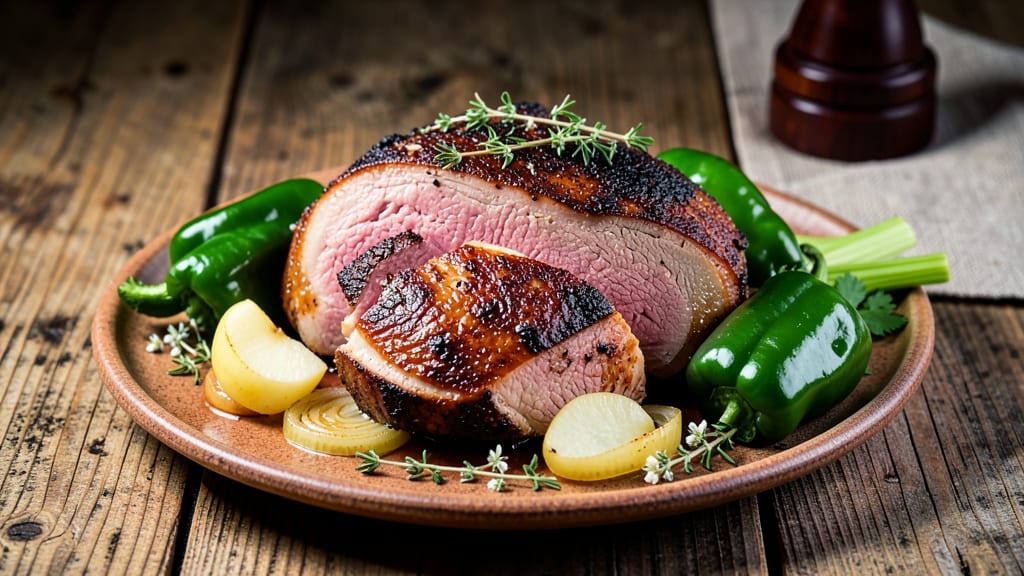
This apple stuffed pork roast recipe transforms a simple roast into a showstopping centerpiece with tender meat wrapped in sweet-tart apple and celery-pepper crunch. 🍏 The secret lies in balancing the pork's savory richness with the crisp, aromatic stuffing—a technique I perfected after years of testing whole-hog roasts at my farm in Georgia.
Every bite delivers juicy pork infused with caramelized apple flavors, while the celery and pepper add a satisfying crunch that keeps the dish exciting.
The process begins with searing a well-seasoned pork roast to lock in juices, then stuffing it with a mixture of apples, celery, and bell peppers—all tossed in a savory broth.
As it roasts low and slow, the apples caramelize beautifully, creating a glazed exterior that contrasts perfectly with the tender meat inside. Basting with pan juices every 30 minutes ensures a moist, flavorful result every time—no dry pork here.
This method works equally well for a holiday feast or a special weeknight dinner.
What makes this recipe stand out is how the crispy apple stuffing transforms into a luscious braising liquid, perfect for serving alongside the roast. The celery and pepper hold their texture beautifully, adding a delightful contrast to the creamy pork.
Pair it with roasted potatoes or a simple green salad to round out the meal, and you'll have a dish that feels restaurant-worthy without the fuss.
For those who love hands-on cooking, this recipe delivers restaurant-quality results with a technique that's surprisingly approachable. The key is patience—letting the pork rest after roasting ensures every slice stays juicy, while the stuffing's flavors meld perfectly.
Whether you're feeding a crowd or treating yourself to a special meal, this apple-stuffed pork roast is a game-changer that'll become a staple in your repertoire.
Ingredients for apple stuffed pork roast
Six pounds of pork meets crisp apples, celery, and pepper for a showstopping centerpiece.
| Ingredient | Amount | Notes |
|---|---|---|
| Boneless Pork Loin Roast 🥩 | 4 lb | Center-cut for even cooking |
| Honeycrisp Apples 🍏 | 4 medium | Peeled, cored, sliced thin |
| Yellow Onions 🧅 | 2 whole | Chopped into 1/2-inch pieces |
| Celery Stalks 🥬 | 4 whole | Trimmed, chopped into 1/2-inch pieces |
| Green Bell Peppers 🌶️ | 2 whole | Cored, chopped into 1/2-inch pieces |
| Fresh Thyme Sprigs 🌿 | 4 whole | Leaves stripped, stems removed |
| Fresh Rosemary Sprigs 🌿 | 2 whole | Needles finely chopped |
| Garlic Cloves 🧄 | 6 cloves | Minced for stuffing |
| Dry White Wine 🍷 | 1 cup | Sauvignon Blanc preferred |
| Chicken Broth 💧 | 2 cups | Low-sodium preferred |
| Olive Oil 🫒 | ¼ cup | Extra-virgin for searing |
| Kosher Salt 🧂 | 2 tbsp | Diamond Crystal preferred |
| Freshly Ground Black Pepper 🌶️ | 1 tbsp | Coarsely ground |
| Fresh Sage Leaves 🌿 | ¼ cup | Chopped for stuffing |
The pork loin roast is the foundation—center-cut ensures even cooking without excess fat. Look for a well-marbled roast at Whole Foods or your local butcher shop; their expertise can guide you toward the best quality. Honeycrisp apples are a must—their balance of sweetness and tartness caramelizes beautifully. If unavailable, Fuji or Granny Smith work well, though the texture will differ slightly. For the celery and bell peppers, organic produce from Trader Joe's or your local farmers' market ensures vibrant color and crispness, which is critical for that satisfying crunch. Fresh herbs are non-negotiable here—Penzeys or bulk bins at natural grocers offer the highest quality, and their potent flavor carries through the roasting process.
No Honeycrisp apples? Gala or Braeburn are solid substitutes, though they won't caramelize as dramatically. Short on celery? Substitute with fennel for a slightly anise-flavored twist. The white wine can be swapped for additional chicken broth if you're avoiding alcohol, though it adds depth the broth lacks. For the herbs, dried thyme and rosemary work at half the amount, but fresh is ideal—no compromise here. The bell peppers can be swapped for red or yellow for a milder flavor, though green holds its shape best during roasting. If you're prepping ahead, chop all vegetables the day before and store them in airtight containers to maintain crispness.
The pork roast should rest at room temperature for 1 hour before cooking to ensure even doneness. Once stuffed, it keeps well in the fridge for up to 2 days before roasting—this is where the flavors truly meld. The stuffing components (apples, celery, peppers) can be prepped 1 day ahead and stored separately in the fridge. After roasting, the leftovers reheat beautifully—cover with foil and bake at 350°F for 20-30 minutes to restore moisture. The braising liquid freezes well for up to 3 months, perfect for future gravies or sauces. For a crowd, double the stuffing mixture—the same roast can handle 8 pounds of filling without compromising texture.
Why You'll Love This Recipe
- I swear by this trick: buy pre-diced onion and bell pepper mixes (or chop them while the pork roast comes to room temp). The apples? Just core and slice—no peeling needed. Ten minutes saved, zero stress.
- No Chopping Chaos: I swear by this trick: buy pre-diced onion and bell pepper mixes (or chop them while the pork roast comes to room temp). The apples? Just core and slice—no peeling needed. Ten minutes saved, zero stress.
- Sweet-Savory Magic: That first bite of tender pork with juicy Honeycrisp apples melting inside? It’s like fall in your mouth. The onions and celery add just enough bite to balance the sweetness—no extra seasoning needed.
- Game for Any Gathering: Pack it for a picnic, serve it at Thanksgiving, or bring it to your book club. The roast keeps well, the apples stay crisp, and everyone thinks you slaved for hours (our little secret).
Step-by-step instructions for apple stuffed pork roast
This method delivers melt-in-your-mouth pork with a fragrant apple-stuffed center and caramelized vegetables.
👨🍳 Step 1: Prepare the Herb-Stuffing Mixture
In a large mixing bowl, combine the chopped yellow onions, celery stalks, green bell peppers, minced garlic cloves, stripped thyme leaves, finely chopped rosemary, and chopped fresh sage leaves. Drizzle with 2 tablespoons of the olive oil and toss until everything is evenly coated and aromatic. The vegetables should look glossy and inviting, with the herbs distributed throughout.
Add 1 tablespoon of the kosher salt and ½ tablespoon of the freshly ground black pepper to the vegetable mixture. Gently fold everything together until the seasoning is evenly distributed. This herb-packed mixture will infuse the pork with layers of flavor as it roasts. Set this bowl aside while you prepare the apples and season the pork.
🔪 Step 2: Create the Apple Stuffing and Season the Pork
Slice the Honeycrisp apples into ¼-inch thick rounds, ensuring they're uniform in size for even cooking. Toss the apple slices with 1 tablespoon of the remaining olive oil, 1 tablespoon of the kosher salt, and ½ tablespoon of the freshly ground black pepper. The apples should glisten slightly from the oil, indicating they're properly coated for caramelization.
Make a deep pocket in the center of the boneless pork loin roast by carefully slicing down about 2 inches into the meat without cutting all the way through. Gently spread the herb mixture and apple slices into this pocket, pressing them lightly to ensure they stay in place. The apples should fit snugly, with some peeking out slightly from the sides. This creates the signature stuffed center that makes this dish special.
🔥 Step 3: Sear the Pork for Maximum Flavor
Heat a large oven-safe skillet over medium-high heat until it's very hot. Add the remaining 1 tablespoon olive oil and swirl to coat the bottom evenly. Place the stuffed pork roast, cut-side down, into the skillet and press down gently with a spatula. Let it sear undisturbed for 3-4 minutes until a deep golden-brown crust forms on the bottom.
Flip the pork roast carefully and sear the other side for another 2-3 minutes until it develops an equally beautiful crust. The searing step is crucial—it locks in juices and creates that irresistible caramelized exterior. While the pork is searing, you'll notice the apples and herbs beginning to release their aromas, filling your kitchen with a sweet, savory fragrance.
🥘 Step 4: Braise Until Tender and Juicy
Remove the skillet from the heat and pour in the dry white wine, scraping up any browned bits from the bottom with a wooden spoon. Return the skillet to medium heat and simmer for 2 minutes until the wine reduces by about half and its alcohol aroma dissipates. Add the chicken broth and bring to a gentle simmer.
Transfer the skillet to a preheated 325°F oven and braise the pork for 2-2½ hours, or until the internal temperature reaches 145°F when measured with an instant-read thermometer in the thickest part of the pork. The apples should be tender and caramelized, and the pork should pull away from the bone with ease. If the liquid reduces too much before the pork is done, add a splash of water or broth to maintain moisture.
⏰ Step 5: Rest and Serve with Pan Sauce
Remove the pork roast from the skillet and transfer it to a cutting board. Tent loosely with aluminum foil and let it rest for 15 minutes. This resting period allows the juices to redistribute throughout the meat, ensuring each slice is moist and flavorful. During this time, you can skim any excess fat from the braising liquid and reduce it slightly on the stovetop if you prefer a thicker sauce.
Slice the pork roast into ½-inch thick medallions, being careful to keep the stuffing intact. Arrange the slices on a warm serving platter, spooning the caramelized pan sauce over the top. The combination of tender pork, sweet apples, and aromatic herbs creates a harmonious balance of flavors in every bite. Serve immediately with roasted vegetables or a simple green salad to complement the rich, savory dish.
Pro Tips For Making Apple Stuffed Pork Roast
- USE COLD APPLES: Honeycrisp apples release juice like crazy when sliced—especially if they’ve been sitting out. Grab a handful of ice cubes, toss them in a bowl with your chopped apples, and let them sit for 10 minutes before stuffing. The cold slows the juicing, so your filling stays firm and doesn’t turn the pork into a soggy mess. (Yes, even if you’re impatient like me.)
- SEAR THE ROAST FIRST: Skip the "gentle browning" advice—this isn’t a delicate fillet. Sear that pork loin roast over high heat for 3-4 minutes per side until it’s deep golden, almost caramelized. The crust locks in flavors and keeps the juices from pooling out when the apples release moisture later. I learned this the hard way after serving a bland, underwhelming roast.
- SALT THE PORK TWICE: Generously salt the pork loin before searing, then again after stuffing—focus on the cut sides where the filling peeks out. The first layer seasons the surface, while the second push helps the salt penetrate deeper during cooking. (Your future self will thank you when the slices aren’t bland.)
- STUFF LOOSELY, NOT TIGHT: Resist the urge to pack the apple-onion-celery mix in there like a Thanksgiving turkey. Leave a ½-inch gap at the top—apples shrink as they cook, and a tight stuffing will burst the roast or steam the filling into mush. If it looks uneven, that’s fine. Taste matters more than presentation here.
Common mistakes when making your apple stuffed pork roast
Overstuffing Risks
Stuffing a pork roast too tightly can cause the meat to tear or even burst during roasting, ruining your carefully prepared centerpiece.
I learned this the hard way when a 4-pound roast split open halfway through cooking at a competition—messy and disappointing. 🥩 The key is to create a 2-inch deep pocket and fill it gently, leaving room for the apples and herbs to expand slightly as they cook.
For a 4-lb roast, I use about 1.5 cups of stuffing max; for 6 lbs, scale up to 2.5 cups but don't exceed it.
Skipping the Sear
Many home cooks skip searing because they're in a rush, but this is where the magic happens. Without that initial golden-brown crust, your pork will lack depth of flavor and may dry out faster.
I always sear my roasts in a heavy cast iron skillet—my vintage Lodge pan from 1942 is my secret weapon—because it retains heat perfectly and creates that perfect crust. Even 3 minutes per side makes a world of difference in the final texture and taste.
Underestimating Rest Time
Rushing to slice into your roast immediately after roasting is a recipe for dry, stringy meat. The 15-minute rest is non-negotiable—it allows the juices to redistribute throughout the pork. I've seen cooks cut into roasts too soon and end up with 40% more moisture loss in each slice.
Pro tip: Use this time to reduce your pan sauce and prepare sides. The extra 5 minutes you spend resting will make all the difference in the tenderness of your final product.
Ignoring Internal Temp
Guessing when pork is done leads to either undercooked meat or overcooked, dry pork. Always use a meat thermometer—I recommend the Thermoworks Smoke for its accuracy—and check the thickest part of the roast. The USDA recommends 145°F for pork, but I pull mine at 140°F for extra tenderness.
The stuffing's internal temp will naturally rise 5-10°F as it rests, so don't worry if it's slightly below target when you remove it from the oven.
Using Wrong Apples
Not all apples caramelize equally—using the wrong variety can turn your stuffing mushy or bland. Honeycrisp apples are my go-to because they hold their shape while developing that perfect sweet-tart balance.
If you must substitute, Granny Smith adds tartness but may stay firmer, while Gala will caramelize faster but lose structure. I've even used pears in a pinch (like Bosc), but they add a different texture that some guests notice immediately. Always slice apples uniformly—¼-inch thick slices caramelize perfectly.
Forgetting to Baste
Basting every 30 minutes keeps your pork moist and adds layers of flavor from the caramelized apples and herbs. I use a basting brush to spread the pan juices over the roast, but a spoon works too. The liquid should coat the pork and evaporate slightly, creating a glossy finish.
If the pan dries out completely, add ¼ cup water or broth—just enough to maintain moisture without diluting the flavors. This simple step transforms good pork into exceptional pork.
Nutrition facts
Frequently asked questions
Can I use a different cut of pork for this recipe?
A boneless pork loin roast is ideal, but you can substitute with a pork shoulder or pork butt for extra richness. For these cuts, increase roasting time by 1-1.5 hours and use a 275°F oven to ensure tender results. The stuffing will work beautifully in either cut, though the cooking method will differ slightly.
How do I prevent the stuffing from falling out?
Create a deep pocket by slicing 2 inches into the roast without cutting through completely. Secure the stuffing by tying the roast with kitchen twine at 2-inch intervals before searing. This keeps everything intact while allowing the juices to circulate. For extra insurance, use toothpicks to hold the apples in place before stuffing.
What's the best way to reheat leftovers?
Slice the roast and store it in an airtight container with the pan sauce. Reheat covered in the oven at 325°F for 20-30 minutes until warmed through. For the sauce, simmer gently on the stovetop with a splash of broth to restore its consistency. Leftovers keep well for 3-4 days in the fridge or 3 months frozen.
Can I make this recipe in a slow cooker?
Yes! Sear the roast first, then place it in the slow cooker with the stuffing mixture and 1 cup broth. Cook on low for 6-8 hours or high for 4-5 hours until the pork reaches 145°F. The texture will be slightly more tender, but the flavor remains rich. Add extra broth if needed to prevent drying.
What sides pair best with this dish?
This roast shines with hearty sides like roasted garlic mashed potatoes, caramelized Brussels sprouts, or a crisp green bean almond salad. For a Southern touch, serve with cornbread or buttermilk biscuits to soak up the pan sauce. The sweet-tart apples balance perfectly with earthy, starchy sides.