
Sauces & Condiments
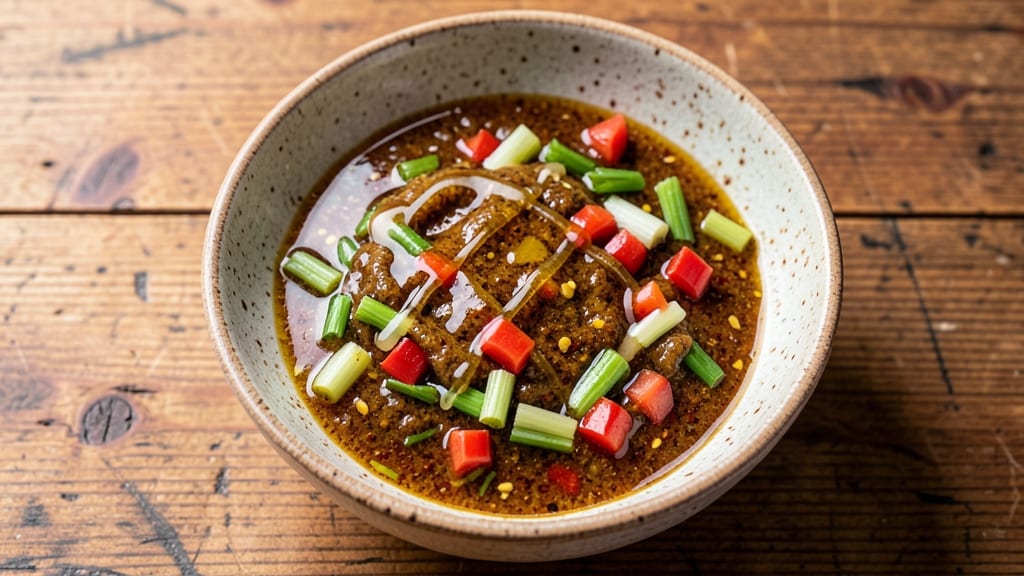
This Braggs apple cider vinegar salad dressing delivers restaurant-quality tang in just 5 minutes—no emulsifiers or complicated steps required. The secret lies in balancing raw, unfiltered vinegar with a touch of honey and Dijon mustard, creating a dressing that clings to greens without separating. I developed this recipe after years of searching for a dressing that could stand up to bold flavors while keeping the vinegar's natural complexity.
The magic happens in the celery-pepper crunch blend, which adds texture and depth without overpowering the bright acidity. High-quality olive oil provides richness while maintaining a light body, and a pinch of cayenne delivers subtle heat.
This dressing works equally well on hearty kitchari bowls, fresh spring salads, or grilled chicken—its versatility makes it a pantry essential.
What you'll end up with is a dressing that's tangy yet balanced, with just the right amount of crunch in every bite. The Braggs vinegar adds probiotic benefits and a depth of flavor you won't find in commercial dressings.
It keeps for up to 2 weeks in the fridge, making it perfect for meal prep.
Perfect for anyone who wants restaurant-quality flavor without the fuss. The key is proper whisking to combine all ingredients thoroughly—no blender required. Let's make this dressing!
Ingredients for braggs apple cider vinegar recipe salad dressing
Pantry staples meet restaurant-quality tang—just whisk and taste.
| Ingredient | Amount | Notes |
|---|---|---|
| Raw, Unfiltered Braggs Apple Cider Vinegar 🍏 | ½ cup | Use the mother culture for probiotic benefits |
| Extra-Virgin Olive Oil 🫒 | ½ cup | Light or fruity variety preferred |
| Raw Honey 🍯 | 2 tbsp | Local honey adds subtle floral notes |
| Dijon Mustard 🌶️ | 1 tbsp | Whole-grain for better texture |
| Celery Stalks 🧅 | 2 whole | Finely minced for crunch |
| Red Bell Pepper 🌶️ | ¼ cup | Finely diced, not pre-chopped |
| Garlic Cloves 🧄 | 2 cloves | Minced for subtle depth |
| Cayenne Pepper 🔥 | ¼ tsp | Adjust for desired heat level |
| Diamond Crystal Kosher Salt 🧂 | ½ tsp | For seasoning balance |
| Freshly Ground Black Pepper 🌶️ | ¼ tsp | For finishing touch |
The Braggs vinegar is non-negotiable here—its raw, unfiltered quality with the mother culture gives this dressing depth and probiotic benefits you won’t find in commercial versions. Trader Joe’s and Whole Foods stock the best quality, but any reputable health food store will have it. The honey should be raw and local if possible—it adds subtle floral notes that complement the vinegar beautifully. For the olive oil, California avocado oil or a high-quality Italian extra-virgin works best—avoid the cheap stuff that can taste bitter. The celery and red bell pepper are key for texture, so don’t skip them or use pre-chopped bags (they lose crunch fast).
No Braggs vinegar? Raw apple cider vinegar works in a pinch, but you’ll lose the probiotic benefits and some complexity. Short on honey? Maple syrup is a decent substitute, though it lacks floral depth. The Dijon mustard can be swapped for whole-grain yellow mustard if that’s what you’ve got. For the celery-pepper blend, frozen diced bell peppers (thawed and drained) can stand in, but fresh is always better. If you’re sensitive to heat, cut the cayenne to 1/4 tsp or omit entirely—this dressing still packs flavor without it.
This dressing keeps beautifully in an airtight jar in the fridge for up to 2 weeks, though it tastes best within the first week. The vinegar’s acidity acts as a natural preservative, so no need for extra additives. For meal prep, I like to make a double batch—it’s perfect over kitchari bowls, grilled chicken, or fresh spring salads. If the dressing separates after refrigeration, just give it a quick whisk before using. The texture comes back instantly.
Why You'll Love This Recipe
- Five-Ingredient Magic: I swear by this recipe—just vinegar, oil, honey, mustard, and celery. No fancy tools, no stress. Honestly, I’ve made it while waiting for my coffee to brew, and it still comes out spot-on every time.
- Tangy-Sweet Balance: That raw Bragg’s vinegar gives it a deep, almost wine-like complexity, while the honey rounds it out like a hug. The Dijon mustard? It’s the secret—adds a little kick without overpowering, and the celery adds this unexpected crunch that makes it ridiculously good.
- Works Anywhere: Drizzle it on greens for a quick lunch, toss it with roasted veggies for dinner, or even use it as a marinade for chicken. Between us, I’ve even poured it over popcorn when I’m craving something savory but don’t want to cook. (Yes, even on a Tuesday night.)
- Lasts All Week: Make a big batch—it keeps in the fridge for ages without separating or going bad. I’ve had this dressing sit for over 10 days, and it’s still fresh. Plus, the ingredients are cheap, so you’re not breaking the bank for flavor that actually matters.
Step-by-step instructions for Braggs apple cider vinegar salad dressing
Here's how to blend this vibrant dressing with perfect balance—crisp, tangy, and packed with celery-pepper crunch.
Prep the Crunchy Base
Start by finely mincing the 2 whole celery stalks—this ensures they blend smoothly without clumping. I like to use a sharp chef's knife and chop them into tiny pieces, almost like a fine dice. Next, dice the 0.25 cup red bell pepper into similarly small pieces. The goal is to create a uniform texture that will distribute evenly throughout the dressing.
While you're prepping, mince the 2 cloves garlic into a fine paste. The smaller the pieces, the more evenly the flavor will disperse. Place all these chopped ingredients in a small mixing bowl and set aside. This prep work is crucial—uneven chopping leads to pockets of texture in your dressing.
Whisk Wet Ingredients Together
In a separate bowl, combine the 0.5 cup raw, unfiltered Braggs apple cider vinegar, 0.5 cup extra-virgin olive oil, 2 tbsp raw honey, and 1 tbsp Dijon mustard. Use a whisk to blend these ingredients vigorously for about 30 seconds. You want everything fully incorporated before adding the dry components.
The vinegar and honey should start to emulsify slightly as you whisk, creating a smooth base. If you notice any separation, don't worry—it will come together once we add the mustard. This step is where the dressing's foundational flavors come together, so take your time to ensure everything is well combined.
Add Spices and Combine
Now, sprinkle in the 0.5 tsp Diamond Crystal kosher salt, 0.25 tsp cayenne pepper, and 0.25 tsp freshly ground black pepper over the wet ingredients. Give everything another 20-30 seconds of whisking to distribute the spices evenly. The cayenne will add a subtle kick, while the black pepper provides a finishing touch.
Next, add the prepped celery, red bell pepper, and garlic mixture. Fold these in gently with a spatula, being careful not to overmix. You want the crunchy elements to stay intact while still being evenly distributed. The dressing should have a thick, almost paste-like consistency at this point—this is perfect for creating that signature crunch in every bite.
Taste and Adjust for Balance
Give the dressing a taste and adjust the seasoning as needed. If it needs more tang, add a splash of the Braggs apple cider vinegar. For extra sweetness, stir in another ½ teaspoon of raw honey. If the heat from the cayenne is too intense, balance it with a pinch more kosher salt or a drizzle of olive oil to mellow the flavors.
Let the dressing sit for 5-10 minutes before using. This resting period allows the flavors to meld together, ensuring a harmonious blend of sweet, tangy, and spicy notes. Once ready, drizzle over your favorite greens or toss with your go-to salad ingredients for a dressing that's anything but basic.
Pro Tips For Making Braggs Apple Cider Vinegar Recipe Salad Dressing
- STRAIN THE CELERY WELL: Don’t just chop celery and toss it in—press the stalks against a fine-mesh strainer or cheesecloth to extract the liquid. That celery juice is where the dressing’s subtle earthiness hides, and skipping it means missing out on the depth. (Yes, it looks like you’re making juice, but trust me.)
- WHISK IN STAGES: Start with vinegar and mustard, then slowly drizzle in olive oil while whisking like you’re trying to win a prize. Stopping mid-whisk leaves you with a separated mess—especially with raw honey’s natural resistance to emulsifying. Go slow, or regret it later.
- USE COOL HONEY: Warm honey loses its delicate floral notes and turns cloying. Scoop straight from the fridge or chill the jar for 10 minutes before measuring. The dressing stays bright, not syrupy, and the flavor stays sharp enough to cut through greens.
- SALT THE VINEGAR FIRST: Taste the vinegar before adding anything else. Bragg’s is salty by nature, but raw batches vary—some need a pinch, others a full teaspoon. Adjusting early saves you from overcompensating with honey or mustard later. (I learned this after making a dressing that tasted like a sugar bomb.)
Best sauces and condiments for this dish
Celery-Pepper Crunch
The finely minced celery and red bell pepper create a signature texture that elevates this dressing beyond basic vinaigrettes. I always use a sharp chef's knife to chop the celery into tiny pieces—almost like a fine dice—so it blends smoothly without clumping.
For the red bell pepper, I dice it into similarly small pieces to ensure even distribution. The key is to keep these ingredients fresh; pre-chopped mixes lose their crunch quickly. 🧅
Sweet-Tangy Balance
The combination of raw honey and Braggs apple cider vinegar creates a perfect sweet-tangy balance that makes this dressing irresistible. The honey should be local and raw to add subtle floral notes that complement the vinegar's sharpness.
If you're using maple syrup as a substitute, add it gradually—it lacks the floral depth but still works in a pinch. The Dijon mustard acts as an emulsifier, ensuring the dressing stays cohesive without separating.
Spice Level Control
For those who prefer a milder dressing, reduce the cayenne to ¼ teaspoon or omit it entirely—the dressing still delivers bold flavor without heat. If you love spice, add an extra ⅛ teaspoon for a noticeable kick.
Freshly ground black pepper adds a finishing touch that enhances the overall complexity. I always taste as I go, adjusting seasoning until the balance feels just right.
Emulsification Secrets
This dressing relies on the Dijon mustard to create a stable emulsion, but it doesn’t require a blender. Whisking vigorously for 30 seconds after combining the wet ingredients is key to preventing separation. If the dressing does separate after refrigeration, simply whisk it again before using—it will come together instantly.
The olive oil should be high-quality, like California avocado oil or a premium Italian extra-virgin, to avoid bitterness that can disrupt the balance.
Storage and Shelf Life
Store this dressing in an airtight jar in the refrigerator for up to 2 weeks, though it tastes best within the first week. The vinegar’s acidity acts as a natural preservative, so no additives are needed.
For meal prep, I double the batch—it’s perfect over kitchari bowls, grilled chicken, or fresh spring salads. If the texture thickens after refrigeration, add a splash of water or extra olive oil to restore consistency. ✨
Nutrition facts
Frequently asked questions
Can I make this dressing without Braggs apple cider vinegar?
You can substitute with raw apple cider vinegar, but you'll lose the probiotic benefits and some depth of flavor. For best results, use a high-quality vinegar with similar acidity. If you're in a pinch, white wine vinegar works, though it lacks the fruity complexity.
Why does my dressing separate after refrigeration?
This is normal! The vinegar and oil naturally separate when chilled. Just whisk vigorously for 10-15 seconds before using—it will re-emulsify perfectly. For extra stability, add ½ teaspoon of Dijon mustard or a pinch of xanthan gum (⅛ teaspoon) to future batches.
What's the best way to store leftovers?
Transfer to an airtight jar and refrigerate for up to 2 weeks. The vinegar's acidity preserves it naturally. For longer storage, freeze in 1-tablespoon portions—thaw overnight in the fridge before using. Always keep the lid tightly sealed to maintain freshness.
Can I use this dressing on non-salad dishes?
It's perfect for drizzling over grilled chicken, roasted vegetables, or even as a marinade base. The tangy balance works beautifully with hearty dishes like kitchari bowls or crudité platters. Just adjust the amount—use 1-2 tablespoons per serving.
How can I make this dressing spicier?
Add ½ teaspoon of extra cayenne pepper or swap in red pepper flakes for a smoky heat. For depth, infuse the olive oil with garlic or chili flakes before combining. Always taste as you go—start with small amounts to avoid overwhelming the dressing.