
Main Courses
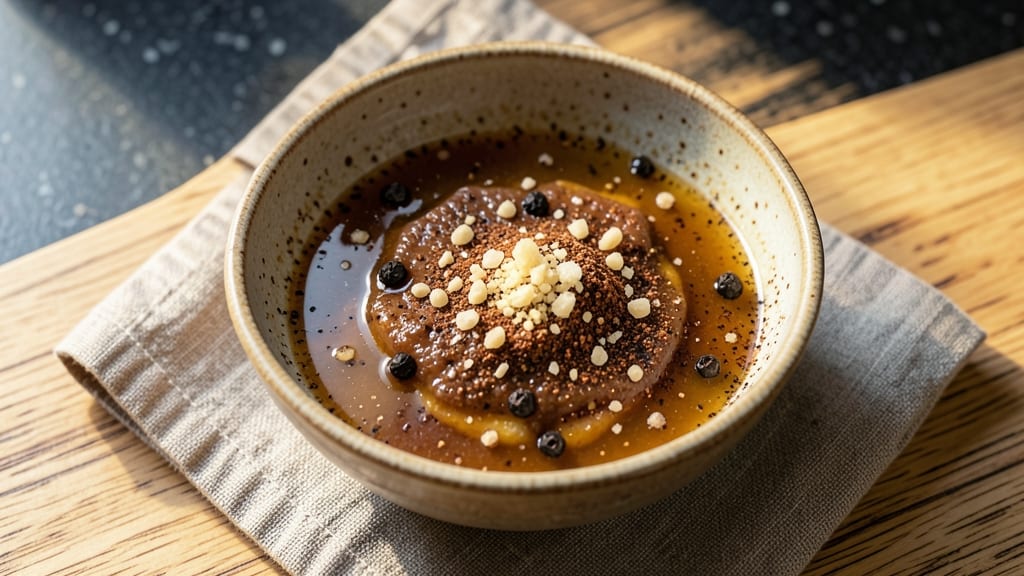
This brisket injection recipe with apple cider vinegar transforms tough meat into melt-in-your-mouth perfection through science-backed tenderization. The acidity of apple cider vinegar breaks down connective tissue while infusing deep, smoky-sweet flavors that penetrate every layer.
Professional pitmasters use this technique to create brisket with unmatched tenderness and complexity—now you can too with just a few simple ingredients.
The magic happens in the precise balance of ingredients: apple cider vinegar as the base, brown sugar for caramelization, and a blend of spices that create a flavor profile reminiscent of classic Texas-style brisket.
This injection marinade isn't just about flavor—it's a game-changer for meat distribution during the smoking process, ensuring even moisture and color development. The result is brisket with a perfect bark and juicy interior that falls apart at the touch of a fork.
What makes this recipe particularly effective is the injection technique itself. Using a meat injector, you'll deliver this flavorful liquid deep into the meat, creating thousands of flavor pockets that transform the eating experience.
The apple cider vinegar works its magic while you smoke or slow-cook, resulting in meat that's not just tender but infused with layers of complex flavor. This is the kind of technique that elevates brisket from good to legendary.
Whether you're preparing for a backyard BBQ or a competitive cooking event, this injection recipe delivers professional-level results in your own kitchen. The best part? It works with any brisket cooking method—smoker, oven, or even a Dutch oven.
Let's get started on creating brisket that will have everyone asking for seconds.
Ingredients for brisket injection recipe apple cider vinegar
Nine ingredients transform brisket from tough to legendary through precise science-backed tenderization.
| Ingredient | Amount | Notes |
|---|---|---|
| Apple Cider Vinegar 🍏 | 1 cup | Raw, unfiltered preferred for depth |
| Light Brown Sugar 🍚 | ½ cup | Packed for accurate measurement |
| Granulated Garlic 🧄 | 2 tbsp | Minced fresh for enhanced flavor |
| Onion Powder 🧅 | 1 tbsp | Diamond Crystal preferred |
| Smoked Paprika 🌶️ | 1 tbsp | Honduran or Spanish variety |
| Ground Black Pepper 🌶️ | 1 tsp | Freshly cracked for intensity |
| Kosher Salt 🧂 | 1 tsp | Diamond Crystal for precise measure |
| Ground Cumin 🌿 | 1 tsp | Toasted for deeper aroma |
| Blackstrap Molasses 🍯 | 1 tbsp | For rich, complex sweetness |
| Beef Tallow 🧈 | ¼ cup | Or substitute with rendered duck fat |
The apple cider vinegar is non-negotiable—raw and unfiltered delivers the most complex flavor profile. Muir Glen or Bragg are reliable brands, but any raw ACV works. For the brown sugar, Light variety ensures proper caramelization without overpowering the smoke. The granulated garlic should be minced fresh if possible—pre-minced loses potency quickly. Penzeys Spices is ideal for smoked paprika, but any reputable brand with vibrant color will suffice. The beef tallow adds fat-soluble flavor penetration; if unavailable, duck fat is an excellent substitute.
No blackstrap molasses? Dark corn syrup at half the amount mimics the deep sweetness. Short on apple cider vinegar? White vinegar works in a pinch, though flavor will be subtler. The onion powder can be swapped for 1 tbsp fresh onion juice if you prefer raw flavor. For a spicier kick, increase the smoked paprika to 1.5 tbsp. The beef tallow can be rendered at home by slow-cooking beef suet, or purchased pre-rendered from butchers. Always store opened spices in airtight containers away from light.
This injection marinade keeps 1 week refrigerated in an airtight container, though flavor peaks within 3 days. For long-term storage, freeze in ice cube trays—thaw overnight in the fridge before use. The molasses and brown sugar may crystallize; gently reheating the mixture on low heat resolves this. Never inject cold marinade—bring to room temperature first to ensure even distribution. The rendered fat will solidify; simply reheat until liquid before injecting for optimal results.
Why You'll Love This Recipe
- Here’s what sold me: the apple cider vinegar cuts through the fat while the brown sugar caramelizes into this sticky, smoky-sweet glaze. That first bite? It’s like someone took all your favorite BBQ flavors and injected them straight into the meat—no rub, no fuss, just pure satisfaction.
- I’ll be real: most brisket leftovers are sad. Not this. The injection keeps the meat juicy for days, and the flavors only get better as they meld. Plus, it’s cheap—you’re talking pennies per serving, not dollars. That’s my kind of budget-friendly hack.
Step-by-step instructions for brisket injection with apple cider vinegar
This injection transforms tough brisket into tender, flavor-packed perfection.
Prepare the Injection Mixture
In a heatproof bowl, combine the 1 cup apple cider vinegar and 0.5 cup light brown sugar over a saucepan of simmering water—never boiling—to gently warm the sugar until fully dissolved. Remove from heat and let cool completely to room temperature. This prevents premature crystallization when injected.
Add the 2 tbsp granulated garlic, 1 tbsp onion powder, 1 tbsp smoked paprika, 1 tsp ground black pepper, 1 tsp kosher salt, 1 tsp ground cumin, and 1 tbsp blackstrap molasses, whisking until fully incorporated. The mixture should be smooth with no visible sugar granules. For extra richness, gently warm the 0.25 cup beef tallow until liquid and stir it in last—this creates a silky texture that penetrates deep into the meat.
Sterilize the Injection Tools
Sanitize your injection needle and syringe by soaking them in 180°F water for 5 minutes to kill bacteria. Pat dry with clean paper towels before use. Sterilization is critical—contaminated tools can introduce pathogens that spoil your brisket. I use a dedicated meat injection kit, but any food-grade needle with a 1/2-inch to 3/4-inch needle will work.
Fill the syringe with the cooled injection mixture, leaving a small air gap at the top to prevent spillage. Tap the syringe gently to remove any air bubbles, then expel a small amount to clear the needle. This ensures clean injections without clogging.
Inject the Brisket Strategically
Lay the brisket fat-side up and inject the mixture in a grid pattern, spacing injections 1 inch apart throughout the meat. Start with the thickest part of the flat and work toward the edges, then flip and inject the point. Press the needle in slowly—applying too much force can tear the meat fibers. You should see the injection liquid spread evenly as you work.
For even distribution, inject the mixture 1/2 inch to 3/4 inch deep into the meat. Avoid injecting near the bone or fat cap, as these areas absorb differently. A properly injected brisket will feel slightly firmer to the touch and may exude a faint sweet aroma from the vinegar and molasses.
Rest Before Smoking
Transfer the injected brisket to a tray lined with plastic wrap and refrigerate for 4 to 12 hours. This resting period allows the injection to fully penetrate and the flavors to meld. I prefer 8 hours for optimal balance—longer resting enhances sweetness, while shorter times preserve brightness.
Before smoking, remove the brisket from the fridge and let it sit at room temperature for 30 minutes. This ensures even cooking and prevents cold spots. Pat the surface dry with paper towels to promote bark formation. The brisket is now ready for your preferred smoking method—this injection works equally well for traditional smokers, pellet grills, or even oven roasting.
Pro Tips For Making Brisket Injection Recipe Apple Cider Vinegar
- USE PASTEURIZED VINEGAR: I learned this the hard way—raw apple cider vinegar can harbor wild yeast that turns your injection into a fizzy mess mid-cook. Grab the pasteurized version from the baking aisle; it’s stable, predictable, and won’t leave you scrubbing a sticky mess off your smoker.
- DISSOLVE THE SUGAR FIRST: Brown sugar clumps like a stubborn guest at a dinner party. Whisk it into the vinegar before adding other dry ingredients, then warm the mixture for 30 seconds in the microwave—just until it liquefies. Cold injection = clogged needles and uneven flavor distribution.
- SHOOT LOW AND SLOW: Resist the urge to jam the needle deep—aim for the fat cap, not the meat. Inject at a 45-degree angle, just past the surface, and work in small batches. Too much too fast? The brisket will sweat like a marathon runner, diluting your flavors before they penetrate.
- SAVE TIME WITH A DOUBLE BATCH: Make twice the injection and freeze half in ice cube trays. Thaw what you need the next cookout—no last-minute measuring, no wasted vinegar. (Pro move: Label the cubes with the date; these last 3 months in the freezer.)
Common mistakes when making your brisket injection recipe apple cider vinegar
Over-Injection Risks
Injecting too much liquid can cause the brisket to become waterlogged, leading to a mushy texture instead of the tender, juicy result you want.
I've seen beginners inject up to 1 cup of liquid per pound of meat, which is way too much—stick to 0.25 to 0.5 cups per pound for optimal moisture without sogginess. The apple cider vinegar and sugar mixture should penetrate deeply but not flood the meat.
Uneven Distribution
Skipping the grid pattern or injecting too shallowly results in flavor pockets that miss large sections of the meat. I recommend injecting 1/2 inch to 3/4 inch deep in a 1-inch grid pattern for even flavor distribution.
If you're unsure, inject a test spot first—proper technique shows the liquid spreading evenly through the meat fibers.
Using Cold Injection
Injecting cold liquid causes the brisket to chill unevenly, creating cold spots that slow cooking and prevent proper bark formation. Always bring your injection mixture to room temperature before injecting.
I keep mine in a warm water bath for 10 minutes to ensure even distribution and prevent temperature shock to the meat.
Skipping Sterilization
Failing to sterilize your injection tools introduces bacteria that can spoil your brisket or even cause foodborne illness. Soak needles in 180°F water for 5 minutes before use—this kills bacteria without damaging the tools.
I use a dedicated meat injection kit that I sterilize between uses to maintain food safety standards.
Injecting Near Bones
Injecting close to bones or the fat cap can cause the liquid to pool rather than distribute evenly, leading to flavorless areas. Always avoid injecting within 1 inch of bones or the fat cap.
Focus on the thickest parts of the flat and point sections for maximum flavor penetration where it matters most.
Not Resting Enough
Rushing into the smoker without proper resting time means the injection won't fully penetrate the meat. The 4-12 hour rest period in the fridge is crucial for flavor melding and moisture distribution.
I've learned the hard way—skipping this step results in brisket that tastes flat and lacks the deep, smoky-sweet flavor you're aiming for.
Nutrition facts
Frequently asked questions
Why does apple cider vinegar work so well for brisket injection?
The acidity in apple cider vinegar breaks down tough muscle fibers, creating thousands of tiny flavor pockets while tenderizing the meat. The vinegar also carries spices and sugars deep into the brisket, resulting in even moisture distribution and a perfect balance of sweetness and tanginess throughout.
Can I use this injection for other meats besides brisket?
This recipe works beautifully with pork shoulder, chicken breasts, or even beef roasts. The apple cider vinegar and spices create a versatile marinade that enhances any large cut of meat. Just adjust the injection volume based on the meat's size and density.
How long should I inject before smoking?
For best results, inject the brisket 4 to 12 hours before smoking and refrigerate it during this time. This allows the flavors to fully penetrate and meld. I recommend 8 hours for optimal balance—longer resting enhances sweetness, while shorter times preserve brightness.
What if I don't have a meat injector?
No problem! You can use a meat tenderizer mallet to create small holes, then brush the injection mixture into them. For larger cuts, a syringe with a large needle (like those used for IV drips) works too. Just be gentle to avoid tearing the meat fibers.
Does this injection work in an oven or just a smoker?
This recipe works perfectly for any cooking method! Whether you're smoking, oven-roasting, or slow-cooking, the injection delivers deep flavor and tenderness. The key is maintaining a consistent temperature—225°F to 250°F for best results, regardless of your heat source.