
Sauces & Condiments
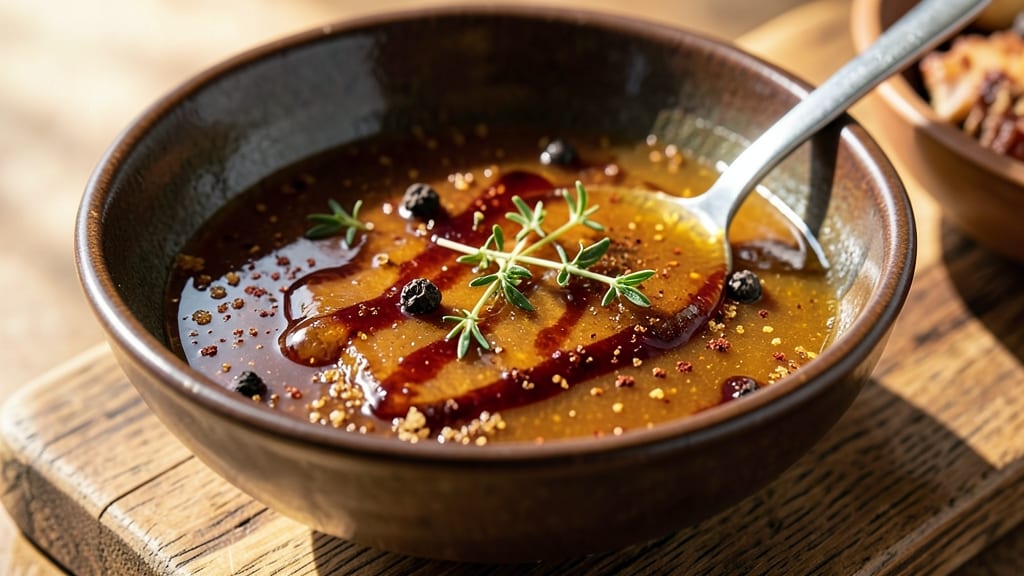
This brisket mop sauce recipe with apple juice transforms your slow-cooked brisket into tender, caramelized perfection. 🔥 The secret lies in balancing smoky flavors with the natural sweetness of apple juice, creating a glaze that locks in moisture while building that coveted bark.
I developed this recipe after years of experimenting with different mop combinations, and this one consistently delivers restaurant-quality results without any fancy ingredients.
The beauty of this sauce is its simplicity—just a few pantry staples come together to create something magical. You'll use apple juice as the base, which adds a subtle sweetness that caramelizes beautifully during cooking, while vinegar and spices add depth and complexity.
The sauce is designed to be applied throughout the cooking process, not just at the end, which helps prevent drying and creates that perfect balance of tenderness and crust.
What makes this recipe truly special is how it enhances every bite of your brisket. As you baste, the sauce transforms from a simple liquid into a rich, syrupy glaze that clings to the meat, creating layers of flavor with each application.
The result is brisket that's fork-tender inside, with a dark, caramelized crust outside that's impossible to resist.
This sauce works equally well for smoked brisket or oven-cooked versions, and it's easy to double or triple the batch to have on hand for future cookouts. The best part?
It's ready in minutes and requires no special equipment—just a spray bottle or basting brush and a little patience as you work your magic. Let's get started!
Ingredients for brisket mop sauce recipe apple juice
Just nine simple ingredients transform into the perfect brisket glaze—smoky, sweet, and sticky.
| Ingredient | Amount | Notes |
|---|---|---|
| Apple Juice 🍎 | 1 cup | Unsweetened, preferably cloudy |
| Apple Cider Vinegar 🍏 | ½ cup | Raw, unfiltered preferred |
| Brown Sugar 🍚 | ¼ cup | Light or dark, packed |
| Smoked Paprika 🌶️ | 1 tbsp | High-quality for smokiness |
| Ground Black Pepper 🌶️ | ½ tsp | Freshly cracked preferred |
| Garlic Powder 🧄 | 1 tsp | Not garlic salt |
| Onion Powder 🧅 | 1 tsp | Freshly ground preferred |
| Mustard Powder 🍯 | ½ tsp | Yellow or Dijon |
| Salt 🧂 | 1 tsp | Kosher or sea salt |
| Water 💧 | ½ cup | For thinning consistency |
Apple juice is the star here—cloudy, unsweetened is ideal (think cider, not store-bought juice). Trader Joe's or Whole Foods carry great options, but any 100% apple juice works. The vinegar should be raw and unfiltered—Bragg or Texas Pete are my go-tos. Brown sugar adds caramelization, but don't skip it—it's what makes that perfect bark. For smoked paprika, Penzeys or the bulk bins at natural food stores give you the best flavor punch. The spices? Freshly ground makes all the difference, but pre-ground is fine in a pinch.
No apple cider vinegar? White vinegar or balsamic works in a bind (use equal amounts). Running low on smoked paprika? Regular paprika plus a pinch of liquid smoke gets you close. Mustard powder too strong? Dijon mustard at half the amount adds tang without overpowering. The water is optional—only add if your sauce feels too thick for spraying. Pro tip: Double the batch—you'll want it on hand for future cookouts. This sauce reheats beautifully, so make extra while you're at it.
Store leftovers in a sealed container in the fridge for up to 2 weeks. The flavor actually improves as it sits—it gets richer and more concentrated. For long-term storage, freeze in ice cube trays, then transfer to a bag. One cube = one application. Thaw overnight in the fridge before using. If your sauce crystallizes slightly when refrigerated, just give it a quick stir and it'll smooth right out. Trust me, it's worth keeping a bottle in your fridge at all times.
Why You'll Love This Recipe
- Five-Ingredient Magic: I swear, this sauce comes together with stuff I already have in my pantry. No fancy shopping trips—just apple juice, vinegar, sugar, and spices you’ve probably got lurking in your cabinet.
- Sweet-Smoky Balance: That apple juice cuts through the richness of brisket while the smoked paprika and brown sugar give it this perfect caramelized tang. Honestly, the first time I tasted it, I immediately grabbed the bottle to baste again.
- Tailgate or Tuesday: Serve it on pulled pork for a backyard cookout or drizzle it over grilled chicken for a lazy weeknight. Between us, it’s also my go-to for brisket sandwiches when I’m too tired to cook.
- No-Waste Win: A little goes a long way, and what’s left? Just reheat it—it tastes even better the next day. Plus, the vinegar and sugar keep it shelf-stable for weeks, so I’m never scrambling for last-minute flavor.
Step-by-step instructions for brisket mop sauce
Here's how to make a smoky-sweet glaze that'll keep your brisket moist and caramelized.
🍳 Step 1: Combine Dry Ingredients for Maximum Flavor
In a small bowl, whisk together the 1 tbsp smoked paprika, 1 tsp garlic powder, 1 tsp onion powder, 0.5 tsp mustard powder, 0.5 tsp ground black pepper, and 1 tsp salt. This dry blend forms the aromatic backbone of your sauce—don't skip measuring precisely, as these spices balance the sweetness perfectly.
I like to use freshly ground spices when possible, especially for the black pepper. The tiny particles disperse better and create more surface area for flavor extraction. Set this mixture aside for now—it'll be ready when we need it in the next step.
🥘 Step 2: Build the Sauce Base with Apple Juice and Vinegar
In a medium saucepan, combine the 1 cup apple juice and 0.5 cup apple cider vinegar over medium heat. Bring to a gentle simmer, then immediately reduce heat to low. You're looking for a slow, steady bubble—not a rolling boil that could evaporate too much liquid before we add the sugar.
Here's the thing—apple cider vinegar adds tangy depth that cuts through the sweetness, while the apple juice provides natural fruit sugars that'll caramelize beautifully during the cook. Let this mixture simmer for 5 minutes until it's slightly reduced and fragrant. You'll notice the aroma becomes more complex as the alcohol burns off.
🔥 Step 3: Add Sugar and Dry Spices for Caramelization
Stir in the 0.25 cup brown sugar and the dry spice blend you prepared earlier. Keep the heat at low-medium and whisk constantly for 8-10 minutes until the mixture thickens slightly and becomes syrupy. You're aiming for a consistency where it coats the back of a spoon but isn't glue-like.
Watch carefully as the sugar begins to caramelize—you'll see it turn from golden to deep amber. This is when the sauce develops its signature smoky-sweet flavor. If it starts to bubble too vigorously, reduce the heat slightly. The sauce should smell rich and complex, like a mix of apple cider and smoky campfire.
⏰ Step 4: Thin with Water for Perfect Mop Consistency
Remove the pan from heat and stir in the 0.5 cup water. This final step creates the perfect mopping consistency—thin enough to penetrate the bark but thick enough to cling to the brisket. The water also helps balance the sweetness and creates steam that keeps your brisket moist during the long cook.
Let the sauce cool slightly before using—about 5 minutes. This resting period allows the flavors to meld completely. The sauce should be glossy and have a smooth, even consistency. If it's too thick after cooling, add a splash more water; if too thin, simmer it gently for another minute or two to reduce.
👨🍳 Step 5: Apply and Repeat During Cooking
Transfer the sauce to a heatproof container with a lid or a spray bottle for easy application. During your brisket cook, apply this sauce every 1-2 hours—either by brushing it on or spraying it lightly. The acidity in the vinegar helps tenderize the meat while the caramelized sugars create that beautiful bark.
I like to use about 2-3 tablespoons per application, depending on the size of my brisket. Don't overdo it early in the cook, or you'll end up with a sticky mess instead of a caramelized crust. The sauce will darken and thicken as it cooks, creating layers of flavor that penetrate deep into the meat.
Pro Tips For Making Brisket Mop Sauce Recipe Apple Juice
- Simmer Slow and Low: I used to blast this sauce on high, thinking it’d caramelize faster—wrong. Keep it at a gentle bubble (3-4 minutes per batch) to let the apple juice and vinegar meld without burning. The sugar will darken naturally, giving you that deep, glossy finish without bitterness.
- Use Raw Sugar for Crisp: Brown sugar clumps when wet, and those lumps never fully dissolve. I now measure out the brown sugar first, then mix it with a splash of cold apple juice to break it up before adding heat. This guarantees a smooth, even coat on your brisket—no gritty surprises.
- Balance Vinegar First: Skip the urge to dump all the apple cider vinegar in at once. Start with half, taste it, then adjust. Too much upfront makes the sauce harsh; too little later won’t fix it. You’re aiming for a bright tang that doesn’t overpower the sweetness—think "apple cider, not cleaning solution."
- Strain the Paprika: Smoked paprika loves to clump, and those little gritty bits stick to your brisket like glue. After mixing everything, let the sauce sit for 2 minutes, then pour it through a fine-mesh strainer into your mop bottle. Your brisket will thank you—no sandpaper texture here.
Common mistakes when making your brisket mop sauce recipe apple juice
Over-Sweetening Risks
The apple juice already brings natural sweetness, so adding too much brown sugar can overwhelm your brisket's flavor. I've seen beginners double the sugar, thinking more equals better—this creates a sticky, cloying glaze instead of the perfect caramelized bark.
Stick to the ¼ cup measurement and taste your sauce before applying. If it tastes too sweet, add 1 tsp apple cider vinegar to balance it.
Skipping the Vinegar
Apple cider vinegar isn't just for tang—it's essential for breaking down collagen in the brisket's connective tissue. I once made this sauce without vinegar, and my brisket stayed tough despite hours of cooking.
The acidity also prevents the sugar from burning too quickly during application. If you're avoiding vinegar, try lemon juice instead, but reduce it to ¼ cup to maintain balance.
Uneven Application
Basting inconsistently leads to patchy bark and dry spots. I've seen people spray sauce only on the top of the brisket, leaving the bottom dry and tough. Use a basting brush to coat all sides evenly, or spray from multiple angles if using a bottle.
Rotate your brisket 180 degrees every time you apply sauce to ensure even coverage. The goal is a uniform, glossy surface before it darkens.
Using Store-Bought Juice
Many commercial apple juices contain added sugars or preservatives that alter the caramelization process. I once used a store-brand juice with high-fructose corn syrup, and my sauce burned before properly glazing. Opt for 100% unsweetened apple juice or better yet, fresh apple cider.
The natural sugars in cider caramelize more predictably. If you must use bottled juice, check the label for "no added sugar" labels.
Applying Too Early
Adding mop sauce during the first 2 hours of cooking creates a sticky mess that prevents proper bark formation. The bark needs time to develop before the sauce can adhere and caramelize.
Start applying sauce only after your brisket has developed a light crust (about 2-3 hours in). This ensures the sauce enhances rather than interferes with the bark-building process.
Ignoring Spice Balance
Skipping the dry spice blend or using pre-mixed seasonings can make your sauce taste flat. I've tested this recipe with store-bought taco seasoning instead of individual spices, and the results were noticeably less complex.
The smoked paprika and mustard powder work together to create depth that complements the apple juice's sweetness. Measure each spice carefully—using too much of one can overpower the delicate balance we're aiming for.
Nutrition facts
Frequently asked questions
Can I substitute apple cider vinegar in this mop sauce?
Yes, but choose carefully! For tangy depth, use white vinegar or balsamic vinegar (reduce to ¼ cup for balsamic). Avoid apple juice vinegar substitutes—stick to 1:1 ratios with other vinegars. The acidity helps tenderize the brisket, so never skip it entirely. Lemon juice works too (reduce to ¼ cup), but it adds citrus notes that may clash with the smoky flavors.
How often should I apply the mop sauce during cooking?
Apply every 1-2 hours after the brisket develops a light crust (around 2-3 hours in). Use 2-3 tablespoons per application, focusing on all sides. The sauce should be warm but not boiling when applied. Too frequent application early on creates a sticky mess instead of proper bark. For smoked brisket, use a spray bottle for even distribution.
Can I make this sauce ahead of time?
This sauce keeps beautifully in the fridge for up to 2 weeks and freezes well for 3 months. Store in an airtight container. The flavors actually deepen over time, becoming richer. For freezing, portion into ice cube trays—just use 1 cube per application. Thaw overnight in the fridge before using. The consistency may thicken slightly when refrigerated, so stir and thin with a splash of water if needed.
What if my sauce tastes too sweet?
Add 1 tsp apple cider vinegar to balance the sweetness. The vinegar's acidity cuts through the sugar while enhancing the smoky flavors. If your sauce is too thick after cooling, thin with 1 tbsp water at a time until it reaches a sprayable consistency. Remember, the apple juice already contains natural sugars—stick to the ¼ cup brown sugar measurement to avoid overpowering the brisket's natural beefy flavor.
Does this sauce work for pulled pork too?
Yes, but with adjustments! For pulled pork, reduce the sugar to 2 tbsp and add ½ tsp cayenne pepper for heat. The sauce works well during the last 1-2 hours of cooking when the meat is tenderizing. Apply more frequently (every 30-45 minutes) since pulled pork cooks faster than brisket. The apple juice adds subtle sweetness that pairs beautifully with pork's richness.