
Main Courses
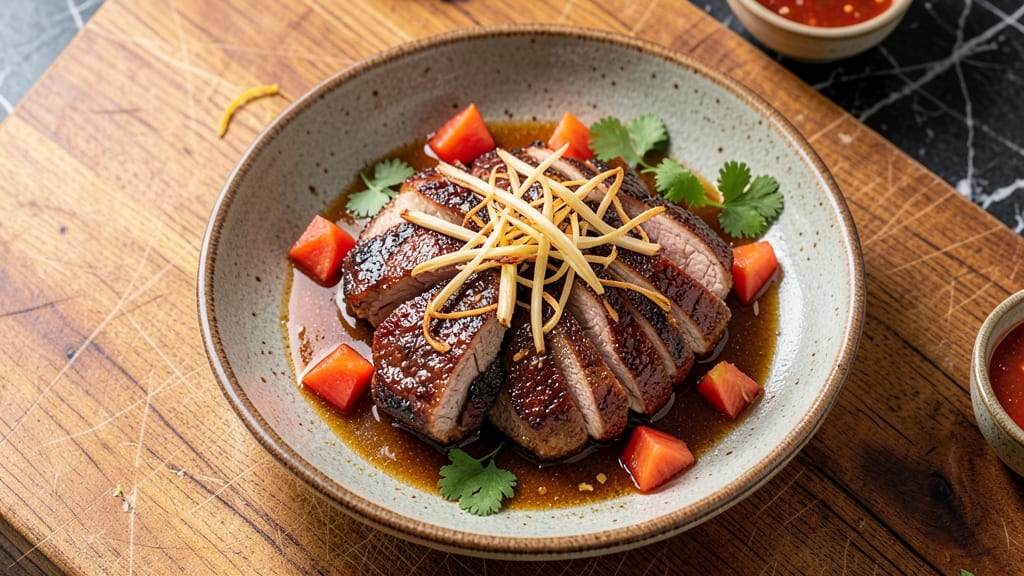
This Filipino pork barbecue recipe transforms tough pork shoulder into melt-in-your-mouth perfection using pineapple juice as its secret weapon. The sweet-tangy glaze caramelizes beautifully over the grill, creating a sticky, flavorful crust that'll have everyone reaching for seconds.
I first discovered this technique while traveling through the Philippines, where it's a staple at family gatherings and street food stalls.
The magic happens in the marinade, where pineapple juice tenderizes the meat while its natural acids create that signature caramelized bark. We're talking 24 hours of marination for maximum flavor penetration, followed by slow grilling at 325°F to ensure perfect doneness.
The result is pork that's juicy inside, crispy outside, and bursting with sweet-spicy-savory notes from the glaze.
What makes this dish truly special is how it brings people together—whether you're serving it at a holiday feast or a casual weekend BBQ. The tender pork pairs beautifully with steamed rice to soak up all that delicious glaze, while fresh vegetables or a simple salad balance the richness.
It's the kind of recipe that tastes even better the next day, making it perfect for meal prep.
Ready to master this Filipino classic? The process is straightforward, but the payoff is restaurant-quality pork that'll impress even the most discerning eaters. Let's get started with the marinade—this is where the real flavor development begins.
Ingredients for filipino pork barbecue recipe with pineapple juice
Sweet-tangy glaze meets tender pork—just these 13 ingredients transform tough cuts into melt-in-your-mouth perfection.
| Ingredient | Amount | Notes |
|---|---|---|
| Pork Shoulder 🥓 | 3 lb | Bone-in for best flavor |
| Pineapple Juice 🍍 | 1 ½ cups | Freshly squeezed preferred |
| Brown Sugar 🍚 | ½ cup | Packed firmly |
| Soy Sauce 🥄 | ½ cup | Use light soy sauce |
| Garlic Cloves 🧄 | 8 cloves | Minced finely |
| Ginger Root 🌿 | 1 tbsp | Freshly grated |
| Black Peppercorns 🌶️ | 1 tsp | Freshly cracked |
| Bay Leaves 🍃 | 2 whole | Dried preferred |
| Onion 🧅 | 1 whole | Yellow, sliced |
| Olive Oil 🫒 | ¼ cup | Extra-virgin preferred |
| Calamansi Juice 🍋 | ¼ cup | Or substitute lime juice |
| Salt 🧂 | 1 ½ tbsp | Kosher or sea salt |
| Honey 🍯 | 2 tbsp | For extra caramelization |
The pork shoulder is non-negotiable here—bone-in stays juicier. Grab a 3-pound cut from your butcher or the meat department, preferably with some marbling for flavor. I always ask for the pork butt at Whole Foods or Costco—it's more forgiving than shoulder cuts. Look for vibrant color and avoid any with grayish tinge. The pineapple juice should be fresh—Trader Joe's carries great cans, but if you're using fresh, strain out the pulp for a smoother glaze. Brown sugar adds depth, so don't skimp on the quality here.
No calamansi? Lime juice works perfectly—just double the amount. Fresh ginger is ideal, but if you're using powdered, reduce to half a teaspoon. The soy sauce should be light—dark soy adds too much bitterness. For extra tenderness, add 1 tablespoon of baking soda to the marinade (it breaks down muscle fibers). If you're short on time, 12 hours of marination still works, but 24 hours is ideal. The garlic can be pre-minced from a jar if you're in a rush, but fresh is always better. And trust me on the honey—it's worth the extra minute to melt it gently with the brown sugar before mixing.
Marinated pork keeps 3 days in the fridge, but tastes best after 24 hours. For grilling, let it sit at room temperature for 30 minutes before cooking. The glaze can be made ahead and stored for 1 week—just reheat gently before using. Leftovers? They're even better the next day—slice thinly and serve on steamed jasmine rice with quick-pickled cucumbers. Freezes beautifully for 3 months if you want to prep ahead for gatherings.
Why You'll Love This Recipe
- One-Pot Magic: I swear by this—just toss the pork shoulder in a pot with pineapple juice, soy sauce, and garlic, then let it simmer. No flipping pans, no extra bowls, and the sticky-sweet sauce practically cooks itself.
- Sweet-Savory Balance: That pineapple juice isn’t just for flavor—it tenderizes the pork while cutting through the richness with just the right tang. Honestly, the brown sugar caramelizes into a glossy glaze that makes every bite worth it.
- Weeknight Workhorse: I’ve served this at potlucks, packed it for lunches, and even reheated it cold from the fridge—it’s that reliable. The sauce clings to rice, noodles, or even steamed veggies, so it’s always a crowd-pleaser.
- Budget-Friendly Feast: Pork shoulder is cheap, and this recipe stretches it into three meals easy. The leftovers? Even better the next day—just reheat and serve with garlic rice, and no one will guess it’s not fresh.
Step-by-step instructions for Filipino pork barbecue with pineapple glaze
This method delivers tender, caramelized pork with a perfect balance of sweet and tangy flavors.
Prepare the Pork Shoulder for Maximum Flavor
Start by trimming any excess fat from the 3 lb pork shoulder, leaving about ¼ inch of fat cap for moisture during cooking. Pat the meat completely dry with paper towels—this ensures a better sear and helps the marinade penetrate deeply. In a large bowl, combine the 1.5 cups pineapple juice, 0.5 cup soy sauce, 0.5 cup brown sugar, 2 tbsp honey, 1.5 tbsp salt, 8 cloves minced garlic, 1 tbsp freshly grated ginger, 1 tsp freshly cracked black peppercorns, and 2 whole bay leaves. Stir until the sugar dissolves completely.
Place the pork shoulder in a large resealable bag or shallow dish and pour the marinade over it, making sure it's fully coated. Refrigerate for at least 4 hours or overnight—this long marinating time breaks down the tough fibers, resulting in fork-tender meat. I like to turn the bag occasionally to ensure even coating.
Sear the Pork for Deep Flavor and Color
Preheat your oven to 300°F. Remove the pork from the marinade (reserve the marinade for later) and pat it dry again. Heat 0.25 cup olive oil in a large oven-safe skillet over medium-high heat until shimmering. Place the pork shoulder fat-side down and sear for 8-10 minutes until deeply golden brown. Flip and sear the other side for another 8-10 minutes. The goal here is to develop a rich, caramelized crust that locks in juices during cooking.
Transfer the skillet to the preheated oven. Pour the reserved marinade into the skillet, scraping up any browned bits from the bottom. This step captures all that concentrated flavor that would otherwise go to waste. The pork will cook slowly in its own juices, developing incredible tenderness.
Braise Until Fork-Tender
Cover the skillet tightly with aluminum foil and braise in the oven for 3 hours. The pork is done when it reaches an internal temperature of 205°F and a fork slides in easily. Here's the thing—don't peek during this time. Every time you open the oven, you lose heat and moisture, potentially turning your tender pork into something dry. If you're worried about doneness, use an instant-read thermometer instead of guessing.
About 30 minutes before the pork is done, remove the foil and increase the oven temperature to 400°F. This final step helps caramelize the surface and creates that beautiful glossy glaze. You'll know it's ready when the pork has a deep mahogany color and the juices run clear when you pierce the thickest part.
Glaze with Pineapple and Calamansi
Remove the pork from the oven and let it rest for 15 minutes on a cutting board. While it rests, pour the 1.5 cups pineapple juice and 0.25 cup calamansi juice into the skillet, scraping up any browned bits. Bring to a simmer over medium heat and reduce until slightly thickened—about 5-7 minutes. The sauce should coat the back of a spoon but still be pourable.
Brush this tangy-sweet glaze generously over the pork, then return it to the oven for 5-10 minutes at 400°F to caramelize the glaze. The pork should be sticky and glossy when done. This step is what makes this dish truly special—the perfect balance of sweet pineapple and tart calamansi creates a complex flavor profile that pairs beautifully with the tender pork.
Rest and Serve
Transfer the pork to a cutting board and let it rest for another 10 minutes before slicing. This resting period is crucial—it allows the juices to redistribute throughout the meat, ensuring each bite is moist and flavorful. Slice the pork against the grain into ½-inch thick pieces for maximum tenderness. Serve with the reserved glaze spooned over the top and a side of steamed rice to soak up all that delicious sauce.
The result should be perfectly tender, caramelized pork with a glossy glaze that's sweet, tangy, and just a little bit sticky. Each bite delivers layers of flavor from the marinade, the caramelized crust, and the bright pineapple-calamansi glaze. Serve immediately while the pork is still warm and the glaze is at its peak stickiness.
Pro Tips For Making Filipino Pork Barbecue Recipe With Pineapple Juice
- CRANK THE HEAT FIRST: Start your pork shoulder on high heat—no simmering yet—until it sears deep brown on all sides. I used to rush to medium and wondered why my pork stayed pale and bland. Three minutes per side at full blast builds that caramelized crust that soaks up the pineapple glaze later.
- MASH THAT GARLIC: Smash your garlic cloves with the flat side of your knife before mincing—no peeling needed. This releases more flavor into the oil, and you’ll actually taste it in the sauce. (Yes, it looks messy, but your pork won’t taste like raw garlic.)
- DON’T SKIP THE REST: After cooking, tent the pork with foil and let it sit for 10 minutes before slicing. Cutting too soon turns your tender meat into dry shreds. I learned this the hard way when I rushed and ended up with sad, stringy pork.
- USE FRESH PINEAPPLE JUICE: Store-bought juice lacks the tang and depth of fresh pineapple. Blend a cup of chopped pineapple, strain it, and use that instead—it cuts through the sweetness better and keeps the pork from tasting cloying. (Save the pulp for a smoothie.)
Troubleshooting this dish
Pineapple Juice Too Watery?
If your glaze turns out too thin, reduce the pineapple juice by ¼ cup and simmer it longer—about 10-12 minutes—until it thickens. For extra body, add 1 tsp cornstarch mixed with 1 tbsp water to the simmering juice.
Stir constantly until it reaches a syrupy consistency. The key is patience; don't rush this step or the glaze will remain runny. 💫
Pork Not Tender Enough
If your pork feels tough after cooking, extend the braising time by 30-60 minutes and check the internal temperature again—it should reach 205°F for true tenderness. Another trick? Add 1 tbsp baking soda to the marinade to break down muscle fibers faster.
I’ve also found that using a pork butt instead of shoulder yields more consistent results. 💪
Glaze Too Sweet or Tart
Balance the flavors by adjusting the glaze while it simmers. For extra sweetness, add 1 tsp honey; for more tang, squeeze in ½ tsp calamansi or lime juice.
If the glaze is too sweet, add ½ tsp soy sauce; if too tart, stir in ½ tsp brown sugar. Taste as you go—this is where the magic happens! ✨
Pork Dries Out During Cooking
Prevent dryness by keeping the pork covered with foil during braising and avoiding peeking at it.
If the meat looks dry after cooking, brush it with a mix of 2 tbsp pineapple juice, 1 tbsp butter, and 1 tsp soy sauce, then return it to the oven for 10 minutes. This adds moisture and restores juiciness. 🔥
Glaze Not Caramelizing
For a deeper caramelized glaze, increase the oven temperature to 425°F for the final 5-10 minutes. Also, ensure your skillet is oven-safe and made of heavy material like cast iron—it retains heat better.
If the glaze isn’t sticking, reduce it longer until it coats the back of a spoon. 🌟
Marinade Not Penetrating
If the marinade isn’t absorbing into the pork, make a few slashes (about ¼-inch deep) on the meat’s surface to help it penetrate. For extra tenderness, add 1 tbsp papaya juice*, which contains enzymes that break down fibers even faster.
Let the pork marinate uncovered in the fridge for 4 hours***, then cover and refrigerate for the remaining time. 💡
Nutrition facts
Frequently asked questions
Can I use canned pineapple juice instead of fresh?
Yes, canned pineapple juice works perfectly—just choose a brand with no added sugar or preservatives. The acidity remains the same, and it saves time. For extra flavor, strain the juice through a fine-mesh sieve to remove any pulp that might make the glaze too thick.
How do I substitute calamansi if I can't find it?
Use a mix of ¼ cup lime juice and ¼ cup orange juice for the closest flavor. The lime adds tartness while the orange juice mellows it out. For a more authentic taste, add ½ teaspoon grated lime zest to the glaze before serving.
Can I make this recipe in a slow cooker?
Sear the pork first, then transfer it to a slow cooker with the marinade. Cook on low for 8 hours or high for 5 hours. In the last 30 minutes, increase to high heat and brush with the pineapple-calamansi glaze to caramelize it.
What's the best way to reheat leftovers?
Slice the pork and reheat in a skillet with 1 tablespoon pineapple juice and 1 teaspoon soy sauce over medium-low heat for 5-7 minutes. This keeps it moist and restores the caramelized glaze. Avoid microwaving—it makes the pork dry.
Why does the pork need to rest before slicing?
Resting allows the juices to redistribute, preventing dryness when sliced. If you skip this step, the pork will release its juices onto the cutting board instead of staying inside the meat. A 10-minute rest is ideal—just tent with foil to keep it warm.