
Desserts
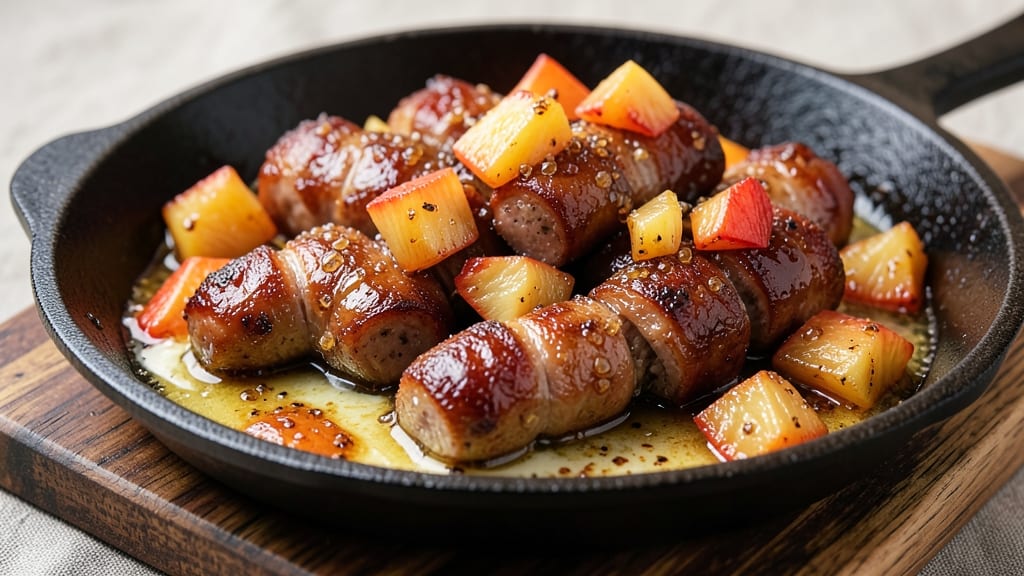
This brown sugar and pineapple sausage recipe transforms simple ingredients into a dish that balances sweet, smoky, and tangy flavors in every bite.
The caramelized brown sugar glaze creates a sticky, glossy finish that pairs perfectly with juicy sausage, while fresh pineapple adds a bright contrast that cuts through the richness. I developed this recipe after years of experimenting with sweet-and-savory combinations, and it’s now a crowd-pleaser at family gatherings and holiday dinners.
The secret lies in the glaze—simmering brown sugar with pineapple until it thickens creates a sauce that’s both sweet and slightly tangy, with just the right amount of caramelization. This recipe works equally well with smoked sausage, kielbasa, or even chicken sausage, making it versatile for any occasion.
The process is straightforward: sear the sausage until browned, then finish it with the glaze for a restaurant-quality result.
By the time you serve this dish, you’ll have tender, caramelized sausage that’s perfectly balanced with the sweet-tart pineapple glaze. The combination is rich enough to satisfy a hearty appetite but light enough to feel special.
It pairs beautifully with roasted potatoes, a simple green salad, or even a side of rice to soak up every last bit of that delicious sauce.
This recipe delivers on its promise of juicy meat and a perfectly balanced sweet-savory profile, making it ideal for both weeknight dinners and festive meals. The caramelized glaze adds depth and a glossy finish that elevates the dish to something truly impressive. Let’s get cooking!
Ingredients for brown sugar and pineapple sausage
Twelve ingredients balance sweet, smoky, and tangy notes for a restaurant-quality dish.
| Ingredient | Amount | Notes |
|---|---|---|
| Smoked Sausage Links 🌭 | 1 ½ lb | Kielbasa or chicken sausage preferred |
| Light Brown Sugar 🍯 | ¾ cup | Packed firmly, not packed down |
| Fresh Pineapple Chunks 🍍 | 1 ½ cups | Fresh or canned in juice, drained |
| Apple Cider Vinegar 🍎 | 2 tbsp | For tangy balance, not white vinegar |
| Unsalted Butter 🧈 | 3 tbsp | Full-fat for best caramelization |
| Garlic Cloves 🧄 | 3 cloves | Minced for depth of flavor |
| Ground Black Pepper 🌶️ | ½ tsp | Freshly cracked for heat |
| Ground Cinnamon 🌿 | ¼ tsp | Warmth without overpowering |
| Diamond Crystal Kosher Salt 🧂 | 1 tsp | For seasoning, not iodized |
| Olive Oil 🫒 | 1 tbsp | For searing sausage |
| Fresh Rosemary 🌿 | ¼ tsp | Chopped, for aromatic depth |
| Fresh Thyme Leaves 🌿 | ¼ tsp | Or 1/4 tsp dried thyme |
The sausage selection matters—smoked kielbasa delivers the ideal balance of smokiness and fat content for caramelization, but chicken sausage works beautifully too. Look for high-quality smoked sausages at specialty butchers or well-stocked grocery stores like Whole Foods or Trader Joe's. The brown sugar should be light brown (not dark) for a more delicate caramel flavor. Fresh pineapple is ideal, but canned pineapple in juice (not syrup) works well if you need convenience. The key is to drain it thoroughly to prevent a watery glaze.
No smoked sausage? Italian sausage or bratwurst add different but equally delicious flavors—just adjust the cooking time slightly. Running short on fresh herbs? Dried rosemary and thyme at half the amount will work, though fresh provides superior aroma. The apple cider vinegar adds that essential tang—substitute lemon juice if needed, but reduce to 1.5 tbsp to avoid over-acidity. For a deeper glaze, add 1 tbsp of molasses to the brown sugar mixture. The olive oil is crucial for searing; avocado oil has a higher smoke point if you prefer.
Store the cooked sausage and glaze in an airtight container in the refrigerator for up to 4 days. The glaze thickens as it cools, so reheat gently with a splash of water or pineapple juice to restore its glossy consistency. For longer storage, freeze portions for up to 3 months. This dish reheats beautifully—microwave for 30 seconds or warm in a skillet for a crispy finish. The leftovers make excellent sandwiches or tacos the next day.
Why You'll Love This Recipe
- One-Pan Magic: I swear by this recipe—just toss everything on a sheet pan, pop it in the oven, and walk away. No pots, no pans, no stress. That caramelized brown sugar clinging to the sausage? Pure reward for doing almost nothing.
- Sweet-Savory Balance: The smoky sausage meets the bright, tangy pineapple and just a hint of vinegar—it’s like a party in your mouth. My husband still steals bites straight from the pan, and I don’t even blame him.
- Budget Win: Smoked sausage and pineapple stretch like crazy—feed four for dinner, then reheat the leftovers for lunch the next day. (Yes, even on a Tuesday night.) Plus, the ingredients won’t break the bank, but the flavor will fool you into thinking it’s a fancy meal.
Step-by-step instructions for brown sugar and pineapple sausage
Here's the method for achieving perfectly caramelized sweetness with juicy, flavorful sausage every time.
Sear the Sausage for Maximum Flavor
Heat a large oven-safe skillet over medium-high heat and add the 1 tablespoon olive oil. Once shimmering, add the 1.5 lb smoked sausage links and sear for 3-4 minutes per side until they develop a deep golden-brown crust. This step is crucial for building flavor through the Maillard reaction.
Don't overcrowd the pan—work in batches if needed to maintain even browning. The sausage should release easily from the pan when ready. Remove the sausage and set aside on a plate, leaving all the rendered fat in the skillet. This fat becomes the foundation for your caramelized sauce.
Build the Caramelized Base
Reduce the heat to medium and add the 3 cloves minced garlic to the skillet, cooking for 30 seconds until fragrant. Immediately add the 0.75 cup light brown sugar and stir constantly for 2-3 minutes until it begins to melt and turn a deep amber color.
Here's where the magic happens: the sugar should caramelize into a thick, glossy syrup. If it starts to burn before reaching this stage, remove the skillet from heat for 10-15 seconds to cool slightly, then continue cooking. The caramelized sugar will form the sweet backbone of your dish.
Incorporate Aromatics and Acid
Add the 3 tablespoons unsalted butter to the caramelized sugar and stir until fully melted and incorporated. Then add the 2 tablespoons apple cider vinegar, 0.25 teaspoon chopped fresh rosemary, 0.25 teaspoon fresh thyme leaves, 0.5 teaspoon ground black pepper, and 0.25 teaspoon ground cinnamon. Stir well to combine all the ingredients.
The vinegar will help balance the sweetness while the herbs and spices add depth. Let the mixture simmer for 1 minute to allow the flavors to meld together. This is where you'll notice the aromatic herbs releasing their essential oils into the sauce.
Finish with Pineapple and Combine
Return the seared sausage to the skillet and add the 1.5 cups fresh pineapple chunks. Stir gently to coat the sausage in the caramelized mixture. The pineapple will release its juices, which will help create a glossy, sticky sauce that clings beautifully to the sausage.
Cover the skillet and let it simmer on low heat for 8-10 minutes, stirring occasionally. You're looking for the pineapple to soften slightly while the sausage absorbs all that delicious caramelized flavor. The dish should smell sweet, tangy, and aromatic—this is your cue that everything is coming together perfectly.
Rest and Serve for Juicy Perfection
Transfer the sausage and pineapple to a serving platter, spooning the sauce over the top. Let it rest for 5 minutes before serving. This resting period allows the juices to redistribute throughout the sausage, ensuring each bite is moist and flavorful.
Serve immediately with the caramelized sauce drizzled generously over each piece. The combination of juicy sausage, sweet caramelized sugar, and tangy pineapple creates a perfect balance of flavors. For best results, serve with crusty bread or over mashed potatoes to soak up every last bit of that delicious sauce.
Pro Tips For Making Brown Sugar And Pineapple Sausage
- CRISPY FIRST: Brown the sausage links in a cold skillet first—no need to rush. Add them to the pan over medium-high heat and let them sit undisturbed for 2 full minutes per side until deep golden. I used to flip too soon, and they’d steam instead of crisp. That’s when the caramelized crust magic starts.
- DRY THE PINEAPPLE: Pat those fresh pineapple chunks very dry with paper towels before adding them to the pan. Moisture makes the sugar clump and the sauce turn gloppy. Trust me, your sauce will cling better to the sausage and caramelize into a glossy glaze instead of a sticky mess.
- STIR THE SUGAR: Once the brown sugar hits the pan, resist the urge to walk away. Stir it constantly for the first 3 minutes—even if it looks like it’s not browning yet. That’s when it’s actually forming the flavor base. I learned this after one batch tasted bland because I got distracted. Now I keep a spoon in hand until it’s deep amber.
- SIMMER THE VINEGAR: Add the apple cider vinegar last, after the sugar has caramelized, and let the whole thing simmer uncovered for 5 minutes. This cuts the sweetness and brightens the pineapple without making the sauce watery. I used to add it too early, and the sauce would lose its richness—now it’s perfectly balanced every time.
Storing and reheating this brown sugar and pineapple sausage
Refrigerator Storage
Store your brown sugar and pineapple sausage in an airtight container for up to 4 days in the refrigerator. The caramelized glaze thickens as it cools, so reheat gently with a splash of pineapple juice or water to restore its glossy texture.
I always use glass containers (like Pyrex) because they prevent odors from seeping in and keep the dish tasting fresh. 🥫
Freezer Prep Tips
For longer storage, freeze portions in single-serving containers for up to 3 months. The glaze may separate slightly when frozen, but a quick stir and reheat brings it back together beautifully.
I recommend using quart-sized freezer bags with ¼-inch headspace to prevent freezer burn. Label with the date to track freshness.
Reheating Methods
For stovetop reheating, warm in a skillet over medium-low heat for 5-7 minutes, adding 1-2 tablespoons of water or pineapple juice to prevent drying. The sausage will crisp up beautifully while the glaze becomes glossy again.
For microwave reheating, cover with a damp paper towel and heat in 30-second intervals until reaching 165°F internal temperature.
Leftovers Reinvention
Transform leftovers into sausage sandwiches by slicing the sausage and piling it high on toasted brioche buns with a drizzle of extra glaze. For tacos, warm the sausage and serve with avocado slices and pickled red onions.
The sweet-savory flavors make this dish perfect for breakfast or lunch the next day. 🌮
Sauce Preservation
If you prefer to store just the glaze separately, transfer it to a small jar and refrigerate for up to 1 week. The sauce thickens significantly when cold, so reheat it gently with 1 teaspoon of water per ¼ cup of sauce.
This makes it perfect for drizzling over roasted vegetables or grilled chicken later in the week.
Thawing Frozen Sausage
Thaw frozen sausage in the refrigerator overnight for best results. If you're short on time, use the cold water method: place the sealed container in a bowl of cold water, changing the water every 30 minutes until thawed.
Never microwave-thaw sausage, as it can create uneven cooking and food safety risks. Once thawed, proceed with the recipe as written. ❄️
Nutrition facts
Frequently asked questions
Can I use chicken sausage instead of smoked sausage?
Chicken sausage works beautifully and adds a lighter flavor profile. The cooking time remains the same, but chicken sausage typically has less fat, so you might want to add an extra 1 tablespoon of butter to the caramelized sugar mixture to compensate. Just ensure it reaches 165°F internal temperature for safe consumption.
How do I prevent the brown sugar from burning?
Watch the pan closely and stir constantly for those first 2-3 minutes of caramelization. If it starts to darken too quickly, remove the skillet from heat for 10-15 seconds to cool slightly, then continue on low heat. A light amber color is perfect—it should be glossy but not dark or bitter.
What if I don't have fresh pineapple?
Canned pineapple in juice works perfectly—just drain it thoroughly to avoid a watery glaze. For extra flavor, add ½ teaspoon of vanilla extract or ¼ teaspoon of ground ginger to the caramelized sugar mixture. Avoid pineapple in syrup, as it will make the sauce too sweet and sticky.
Can I make this recipe in a slow cooker?
Yes! Brown the sausage in a skillet first, then transfer it to your slow cooker with the caramelized sugar mixture and pineapple. Cook on low for 2-3 hours, stirring occasionally. The slow cooker will create a more tender sausage with a slightly thicker sauce. Add 1-2 tablespoons of water if it gets too dry during cooking.
What's the best way to serve this dish?
This recipe shines with simple sides that complement its sweet-savory balance. Try serving it with garlic mashed potatoes, crusty bread for dipping, or a fresh green salad with a tangy vinaigrette. For a tropical twist, add grilled pineapple slices on top. The caramelized glaze pairs especially well with roasted sweet potatoes too.