
Sauces & Condiments
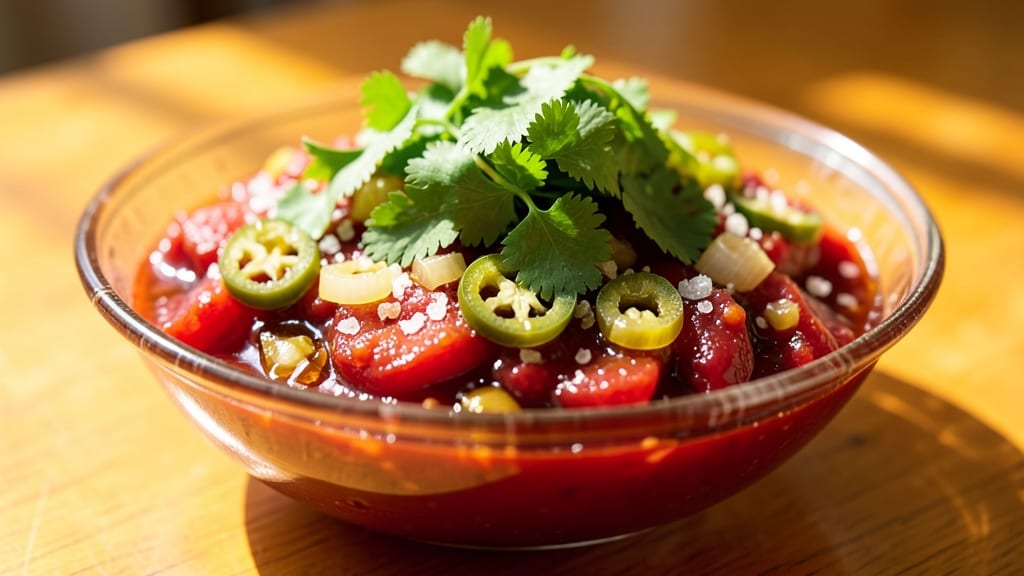
This apple cider vinegar salsa recipe from Canning Diva transforms fresh garden produce into a vibrant, tangy condiment that keeps beautifully for months. The secret lies in balancing sweet tomatoes, crisp onions, and zesty vinegar—creating a flavor profile that brightens everything from tacos to grilled meats.
Perfect for canning enthusiasts who want restaurant-quality salsa without the grocery store shortcuts.
The apple cider vinegar acts as a natural preservative while adding a subtle sweet-tart depth that traditional white vinegar can't match. We'll use a hot water bath canning method to ensure safety and longevity, with proper acidity levels guaranteed.
The recipe yields about 7 pints, making it ideal for stocking your pantry or gifting to neighbors who love homemade condiments.
What sets this salsa apart is its textural contrast—juicy diced tomatoes, finely chopped onions, and fresh cilantro create a bright crunch with every bite. The vinegar not only preserves but also enhances the natural sweetness of the tomatoes, creating a balance that's both complex and approachable.
This version stays fresh-tasting for up to 12 months when properly canned.
Use it as a topping for taco night, a dip for fresh tortilla chips, or a bright accompaniment to grilled chicken and fish. The recipe includes step-by-step canning instructions with safety tips, so even beginners can achieve professional results. Let's get started on preserving that summer harvest!
Ingredients for canning diva salsa recipe apple cider vinegar
Fresh garden produce meets preservation science for salsa that shines on tacos or lasts a year.
| Ingredient | Amount | Notes |
|---|---|---|
| Roma Tomatoes 🍅 | 6 cups | Diced, fresh or frozen |
| Yellow Onions 🧅 | 2 whole | Finely chopped, medium size |
| Jalapeño Peppers 🌶️ | 4 whole | Seeds removed, minced |
| Fresh Cilantro 🌿 | ½ cup | Chopped, stems removed |
| Apple Cider Vinegar 🍎 | 1 ½ cups | Raw, unfiltered preferred |
| Granulated Sugar 🍚 | ½ cup | White or raw cane |
| Salt 🧂 | 1 ½ tsp | Non-iodized preferred |
| Garlic Cloves 🧄 | 6 cloves | Minced, fresh preferred |
| Lime Juice 🍋 | ¼ cup | Freshly squeezed |
The apple cider vinegar is non-negotiable here—it's what gives this salsa its signature depth and preservation power. Raw, unfiltered brands like Bragg or Texas Cider Mill elevate the flavor profile beyond standard vinegars. Roma tomatoes are ideal for their meaty texture and lower water content, but San Marzano canned tomatoes work in a pinch. For onions, yellow or white varieties provide the best balance of sweetness and sharpness when finely chopped. The jalapeños should be fresh and firm, not wilted or overly soft. Cilantro is best bought in small bunches and used within a few days—farmers markets often have fresher options than grocery stores.
No fresh tomatoes? Canned crushed tomatoes with no added salt work perfectly—they're already peeled and ready to dice. Swap jalapeños for serrano peppers at half the amount for extra heat. The sugar is purely for balancing acidity, not sweetness—honey or agave can substitute at a 1:1 ratio. If you're sensitive to cilantro's flavor, parsley works at double the amount without the same aftertaste. For canning safety, the acidity from vinegar and lime juice is critical—never reduce the vinegar below 1.5 cups even if you think it's too much. The garlic can be roasted for a sweeter profile—wrap whole cloves in foil and roast at 400°F for 20 minutes before mincing.
This salsa maintains peak freshness for 12 months when processed in a hot water bath. Store sterilized pint jars in a cool, dark pantry—basements are ideal—and check seals annually. The texture will soften slightly over time, but the flavor actually improves with aging. For immediate use, refrigerate in an airtight container for up to 4 weeks. Freezing isn't recommended as it alters the texture significantly. When canning, use new, unchipped jars and follow USDA guidelines for processing times—75 minutes for pints at 212°F. Label each jar with the date and contents for easy pantry organization.
Why You'll Love This Recipe
- No-Fuss Prep: I swear by this recipe because it’s literally five ingredients—no fancy techniques. Toss chopped Romas, onions, and jalapeños in a pot, let them simmer until soft, then stir in the vinegar and cilantro. Honestly, I’ve made it while waiting for dinner to cook.
- Tangy Kick: That apple cider vinegar? It’s the MVP here. It brightens the tomatoes so they don’t turn mushy, and the heat from the jalapeños lingers just enough to wake up your taste buds—without overpowering. (Yes, even on a Tuesday night.)
- Endless Pairings: This salsa is my go-to for tacos, grilled fish, or just straight from the jar with chips. I’ve even drizzled it over scrambled eggs—trust me, it works. It’s the kind of recipe that makes you want to batch-make it just to try everything.
- Budget-Friendly Staple: Roma tomatoes and onions are cheap, and this recipe stretches far. I make a big batch, store it in the fridge, and it lasts weeks. Between us, I’ve had it for months and it still tastes fresh—no sad, watery salsa here.
Step-by-step instructions for bright apple cider vinegar salsa
This method preserves the vibrant flavors while ensuring shelf stability through proper acidification.
Prepare the Base Ingredients with Precision
Combine the 6 cups Roma Tomatoes in a large stainless steel pot. I use Roma tomatoes for their meaty texture and low water content, which prevents dilution during canning. Add the 2 whole Yellow Onions (finely chopped) and 4 whole Jalapeño Peppers (seeds removed, minced) to the pot. The jalapeños should be minced finely to distribute heat evenly throughout the salsa.
Bring the mixture to a boil over medium-high heat, then reduce to a simmer. Cook uncovered for 10 minutes, stirring occasionally, until the onions soften and the tomatoes break down slightly. This step develops the base flavors and reduces excess moisture, which is critical for proper canning. You'll notice the mixture becomes thicker and more aromatic as it simmers.
Add Acidification and Sweetness for Balance
Remove the pot from heat and stir in the 1.5 cups Apple Cider Vinegar, 0.5 cup Granulated Sugar, 1.5 tsp Salt, and 6 cloves Garlic Cloves (minced). The apple cider vinegar serves a dual purpose: it acidifies the salsa to a safe pH level for canning while adding a bright tang that complements the tomatoes. The sugar helps balance the acidity and enhances the overall flavor profile.
Return the mixture to a simmer and cook for an additional 5 minutes, stirring frequently. This ensures the vinegar and sugar fully incorporate and the garlic infuses its flavor. Taste the mixture at this stage—it should be bright, slightly sweet, and properly acidic. If you're concerned about heat levels, this is the time to adjust by adding more vinegar or reducing the jalapeño quantity slightly.
Finish with Fresh Herbs and Acid
Remove the pot from heat once more and stir in the 0.5 cup Fresh Cilantro (chopped) and 0.25 cup Lime Juice. The cilantro adds freshness that balances the vinegar's acidity, while the lime juice brightens the entire salsa. Let the mixture cool to room temperature—this is crucial for safe canning and prevents steam buildup during processing.
Once cooled, ladle the salsa into clean, hot canning jars, leaving ½-inch headspace at the top. The headspace allows for proper expansion during processing. Wipe the jar rims with a clean, damp cloth to ensure a proper seal. This step is non-negotiable for safe canning—any residue can prevent the lid from sealing correctly.
Process the Jars for Long-Term Storage
Place the filled jars into a water bath canner, ensuring they are fully submerged by at least 1 inch of water. Bring the water to a rolling boil and process the jars for 15 minutes at 0-1,000 feet elevation. If you're at a higher elevation, adjust the processing time according to a trusted canning guide.
After processing, remove the jars and let them cool undisturbed for 12-24 hours. You'll hear the lids pop as they seal—this is the sound of a successful canning job. Check the seals by pressing down on the lid center; if it doesn't pop back up, the jar is properly sealed. Store the sealed jars in a cool, dark place for up to 12 months, though the flavor will be at its peak within the first few months.
Pro Tips For Making Canning Diva Salsa Recipe Apple Cider Vinegar
- Char the Tomatoes First: I used to skip this step and ended up with a watery, bland salsa. Roast the Roma tomatoes at 425°F (220°C) for 15-20 minutes until their skins blister and darken—this concentrates their flavor and makes the vinegar sing. Spread them cut-side down on a baking sheet, no oil needed.
- Seed and Mince the Jalapeños: Remove the seeds and membranes from the jalapeños before dicing—this keeps the heat manageable and consistent. Then, pulse them in a food processor for 2 seconds instead of chopping by hand; you’ll get a finer, more even texture that blends better with the vinegar’s sharpness.
- Let the Onions Sweat Slowly: After dicing the yellow onions, cook them in a dry skillet over medium-low heat for 8-10 minutes until they’re translucent but not browned. Rushing this step leaves them raw and bitter, and the vinegar will just highlight the harshness instead of balancing the salsa’s acidity.
- Add Vinegar Last, Then Rest: Stir in the apple cider vinegar only after everything else is cooked and off the heat. Let the salsa sit for 10 minutes before tasting—this gives the flavors time to marry. I know, I know, you’re eager to eat it, but waiting makes the vinegar’s tang work with the tomatoes, not fight them.
Perfect Pairings for these flavors
Taco Night Toppings
This salsa shines as the star topping for crispy corn tortillas or flour tortilla chips. I always serve it warm—just heat in a small saucepan for 2-3 minutes to intensify the flavors.
For extra texture, sprinkle with crumbled cotija cheese and toasted pumpkin seeds. The apple cider vinegar's tang cuts through the richness of shredded chicken or beef carnitas perfectly. 🌮
For a deconstructed taco experience, serve the salsa in small bowls with black beans, avocado slices, and pickled red onions. The vinegar's acidity makes it a natural match for queso fresco, which melts beautifully when combined with the salsa.
I like to add a drizzle of avocado oil just before serving to enhance the freshness.
Grilled Meats Companion
This salsa elevates grilled chicken breasts and pork chops with its bright acidity. Brush the meat with olive oil and grill to 165°F internal temperature, then serve with a generous spoonful of salsa.
The vinegar tenderizes the meat slightly while adding a refreshing contrast. For steak lovers, try it with skirt steak or flank steak—the salsa's heat balances the richness beautifully. 🥩
When grilling fish fillets like snapper or cod, serve the salsa as a topping after cooking. The acidity prevents the fish from tasting overly fishy, and the texture provides a delightful crunch.
I also like to mix it with mayonnaise (equal parts) for a quick tartar sauce that pairs perfectly with grilled shrimp. The vinegar's preservation properties make it ideal for summer grilling when fresh ingredients are at their peak.
Breakfast Pairings
Don't limit this salsa to dinner—it's a fantastic breakfast companion. Spread it on whole grain toast with a fried egg and crumbled bacon for a brunch twist. The vinegar's tang cuts through the richness of eggs beautifully, while the jalapeños add a subtle heat.
I also serve it as a topping for breakfast burritos with scrambled eggs and cheddar cheese. 🍳
For a lighter option, mix 2 tbsp of the salsa into ½ cup Greek yogurt with a pinch of salt and serve with warm tortillas or pita bread.
The yogurt softens the salsa's texture while enhancing its bright flavors. This combination works perfectly with smoked salmon or avocado slices for a fresh, protein-packed breakfast.
Cheese Board Essentials
This salsa transforms any cheese board into a vibrant spread. Pair it with creamy goat cheese, sharp cheddar, and blue cheese for a balance of flavors.
The vinegar's acidity cuts through the richness of the cheeses, while the jalapeños add a subtle kick. Serve with crusty baguette slices and walnuts for crunch. 🧀
For a sweet and savory twist, include aged gouda and honey drizzle alongside the salsa. The sweetness of the honey complements the vinegar's tang, creating a harmonious balance.
I also like to add prosciutto for a salty contrast that ties everything together. This combination is perfect for holiday gatherings or casual weekend brunches.
Nutrition facts
Frequently asked questions
Why does this recipe use apple cider vinegar instead of white vinegar?
The apple cider vinegar adds a subtle sweetness and complexity that white vinegar can't match. It also enhances the natural flavors of the tomatoes and onions while providing the necessary acidity for safe canning. The raw, unfiltered variety adds a pleasant depth that makes this salsa truly special.
Can I adjust the heat level in this salsa?
Remove the seeds and membranes from jalapeños for milder heat, or keep them for extra spice. For a smoky flavor, add ½ teaspoon of smoked paprika when simmering. If you prefer no heat, simply omit the jalapeños and add more lime juice for brightness.
How do I know if my canned salsa is properly sealed?
After cooling, press the center of each lid—it should stay down and not pop back up. If the lid flexes up and down, the jar didn't seal properly and should be refrigerated for use within 7 days. Always check seals before storing jars long-term.
Can I use this salsa in cooked dishes?
Yes! While it's perfect as a topping, this salsa works beautifully in cooked dishes like chili, taco fillings, or even pasta sauces. Simmer it for 10-15 minutes to soften the texture and deepen the flavors. The vinegar's acidity helps balance rich ingredients like meat or cheese.
What if I don't have fresh tomatoes?
Use 6 cups canned crushed tomatoes with no added salt instead. Drain them well and pat dry to reduce excess moisture before proceeding with the recipe. The texture will be slightly softer, but the flavor remains vibrant.