
Sauces & Condiments
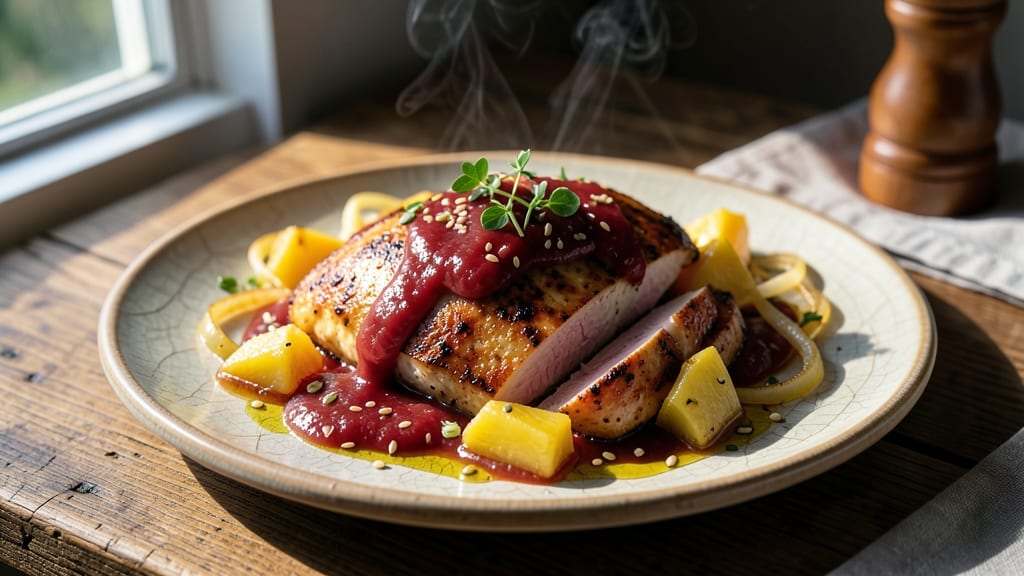
This chicken pineapple tomato sauce transforms a simple simmer into a vibrant, balanced condiment that bridges tropical sweetness with rich umami depth. 🌟 The secret lies in caramelizing onions and garlic until deep golden—this foundational step builds complexity that fresh pineapple and tomatoes alone can't achieve.
What makes this sauce truly special is how it marries the bright acidity of tomatoes with pineapple's natural sweetness, creating a harmony that works as a dipping sauce, pasta topping, or protein glaze.
The recipe starts with a simple aromatic base—onions, garlic, and ginger—cooked until fragrant but not browned, then deglazed with white wine to lift the flavors. Chicken stock forms the backbone, while crushed tomatoes and pineapple chunks infuse the sauce with natural sweetness and acidity.
Simmering low and slow allows the flavors to meld without the pineapple turning mushy, ensuring every spoonful delivers a perfect balance of sweet, tangy, and savory notes.
What you’ll end up with is a glossy, velvety sauce that’s rich enough to stand alone but bright enough to complement any dish. The texture is smooth yet vibrant, with just enough body to cling to noodles, meats, or even crispy fries.
This isn’t just another sweet-and-sour sauce—it’s a versatile condiment that elevates everything it touches, from grilled chicken to roasted vegetables.
Best of all, this sauce keeps well in the refrigerator for up to five days, making it perfect for meal prep. Double the batch and store it for quick weeknight dinners—just reheat and drizzle.
Whether you’re serving it over rice, using it as a marinade, or pairing it with fresh bread, this recipe delivers restaurant-quality results with minimal effort.
Ingredients for chicken pineapple tomato sauce
Ten ingredients. One sauce. Tropical sweetness meets rich umami in every spoonful.
| Ingredient | Amount | Notes |
|---|---|---|
| Yellow Onion 🧅 | 1 ½ cups | Diced small, caramelized until golden |
| Garlic Cloves 🧄 | 6 cloves | Minced finely, aromatic base |
| Fresh Ginger 🌿 | 2 tbsp | Grated finely, fresh is best |
| White Wine 🍷 | ½ cup | Dry variety like Sauvignon Blanc |
| Chicken Stock 🍗 | 2 cups | Low-sodium preferred, homemade if possible |
| Crushed Tomatoes 🍅 | 15 oz | San Marzano preferred, no salt added |
| Fresh Pineapple 🍍 | 1 ½ cups | Chunks, fresh or frozen (thawed) |
| Extra-Virgin Olive Oil 🫒 | ¼ cup | For richness, fruity variety |
| Brown Sugar 🍯 | 1 tbsp | Balances acidity, light brown preferred |
| Soy Sauce 🥢 | 1 tbsp | For umami depth, low-sodium if preferred |
The onions and garlic are your flavor anchors—caramelizing them until deep golden gives that restaurant-quality depth. Yellow onions work best, but red adds color. Trader Joe's sells pre-minced garlic that saves time, but fresh is always better. For the ginger, grab the freshest root you can find—it's non-negotiable for that bright zing. The San Marzano tomatoes are worth the splurge; their sweetness and acidity balance perfectly. If you can't find them, any high-quality canned tomatoes will do, just drain off excess liquid.
No white wine? Chicken stock plus a splash of apple cider vinegar mimics that tangy lift. Fresh pineapple is ideal, but frozen chunks work too—just thaw and drain well. The soy sauce adds that savory punch—low-sodium version keeps the sauce from getting too salty. For extra richness, swap half the olive oil for butter or coconut milk. The brown sugar might seem small, but it's crucial for balancing the acidity of tomatoes and pineapple. If you're watching sugar, reduce to 1 teaspoon and add a pinch more soy sauce for depth.
This sauce tastes even better the next day as flavors meld. Store in an airtight container in the fridge for up to 5 days. For longer storage, freeze in ice cube trays—perfect for single servings. Reheat gently on low heat, stirring occasionally. Double the batch and freeze half for future meals. The sauce thickens as it cools, so thin with a splash of stock or water if needed. Trust me, you'll want to make extra—this disappears fast!
Why You'll Love This Recipe
- Pantry-Friendly Base: I swear by this sauce because it uses what I always have—onions, garlic, ginger, and a splash of wine—no specialty items needed. The chicken stock deepens the flavor without extra fuss, and the pineapple’s natural sweetness balances the acidity of tomatoes like magic.
- One-Pot Magic: Honestly, this is the kind of recipe where I dump everything into one pot and walk away. The ginger and garlic caramelize while the wine reduces, and by the time the chicken simmers in, the house smells like a restaurant. Minimal effort, maximum aroma.
- Weeknight to Dinner Party: Between us, this sauce works for takeout night and when I’m hosting. Thin it with stock for a quick stir-fry, thicken it for pasta, or serve it over rice—my roommates never guess it’s the same base. (Yes, even on a Tuesday night.)
- Budget Stretch: I make this in big batches because it’s ridiculously economical. The chicken stock adds richness for pennies, and pineapple’s sweetness means I can cut back on sugar elsewhere. Leftovers? They taste just as good reheated the next day—proof it’s a keeper.
Step-by-step instructions for chicken pineapple tomato sauce
This tropical sauce delivers bright sweetness, rich umami, and perfect balance in every spoonful—let's build it together.
🍳 Step 1: Caramelize the Aromatics for Deep Flavor
Heat the 0.25 cup extra-virgin olive oil in a large, heavy-bottomed saucepan over medium-low heat. Add the 1.5 cups diced yellow onion and cook for 8-10 minutes until softened and beginning to turn golden. Stir occasionally so it cooks evenly without burning.
Here's the thing—this slow caramelization develops sweetness that forms the sauce's foundation. If the onions start to brown too quickly, reduce the heat slightly. Add the 6 cloves minced garlic and 2 tbsp finely grated fresh ginger and cook for another 1-2 minutes until fragrant. You'll smell that aromatic punch—this is where the magic begins.
🍳 Step 2: Deglaze with Wine and Build the Sauce Base
Pour in the 0.5 cup white wine and scrape up all those delicious browned bits from the bottom of the pan. Let it simmer for 2-3 minutes until the wine reduces by half and the alcohol cooks off completely. You'll notice the aroma changes from sharp to mellow—this is when the sauce starts coming together.
Add the 15 oz crushed tomatoes and 2 cups chicken stock, stirring to combine. Bring to a gentle simmer, then reduce heat to medium-low. Let it cook uncovered for 10 minutes while you prep the remaining ingredients. This step develops the sauce's depth—don't rush it.
🍳 Step 3: Add Tropical Sweetness and Umami Balance
Stir in the 1.5 cups fresh pineapple chunks, 1 tbsp brown sugar, and 1 tbsp soy sauce. The pineapple will release juices as it cooks, creating a beautiful balance of sweet and tangy flavors. Simmer for 10-12 minutes until the sauce thickens slightly and the pineapple softens but still holds its shape.
Taste and adjust seasoning—you might need a pinch more salt or sugar depending on your preferences. The sauce should be vibrant with tropical sweetness but still have that rich umami depth from the soy sauce and tomatoes. If it's too thick, add a splash of water or stock to reach your desired consistency.
⏰ Step 4: Simmer to Perfect Consistency
Continue simmering for another 5-7 minutes until the sauce coats the back of a spoon. The pineapple should be tender but still have a slight bite. For a smoother sauce, you can mash some of the pineapple against the side of the pan with a wooden spoon.
This is where patience pays off—the longer it simmers, the more the flavors meld together. If you're serving it over chicken or rice, you want a sauce that clings beautifully and delivers that perfect balance of sweet, tangy, and savory in every bite. Remove from heat and let it sit for 5 minutes before serving to let all the flavors settle.
Pro Tips For Making Chicken Pineapple Tomato Sauce
- Sweat the Onions Slow: I learned this the hard way—drowning onions in wine or stock too soon turns your sauce into a watery mess. Get them golden-brown first (about 8-10 minutes on medium heat), then deglaze with wine. That caramelized base is what carries the flavor through the whole dish.
- Mince Ginger Like Mad: Skip the grater—finely minced fresh ginger (about 1 tablespoon) blends smoother and releases its heat more evenly. If you’re lazy like me, freeze it first for 15 minutes; it’ll slice like butter. (Yes, even if you’re impatient.)
- Reduce Wine to Syrup: After adding white wine, let it bubble hard for 3-4 minutes until it’s reduced by half. This concentrates the flavor and prevents a boozy aftertaste. Trust me, your sauce won’t taste like a cheap cocktail if you do this.
- Salt the Stock Early: Toss in a pinch of salt (½ teaspoon) with the chicken stock right when you add it—this jumpstarts the seasoning and lets it meld before the sauce thickens. I used to add it at the end, and the flavor always felt flat. (Your future self will notice.)
Essential equipment for this recipe
Heavy-Bottomed Saucepan
This is the single most important tool for your sauce—stainless steel or cast iron pans distribute heat evenly and prevent scorching. I swear by my All-Clad stainless steel saucepan (12-inch size) because it handles both high and low heat beautifully.
If you're on a budget, a Lodge cast iron skillet works too, though it's heavier. The key is avoiding thin, reactive metals that can alter flavors.
Wooden Spoon & Spatula
Use a wooden spoon for stirring—it won't scratch your pan and helps prevent sticking. I keep a Oxo Good Grips wooden spoon nearby for all my sauces.
For scraping up those precious browned bits, a heat-resistant silicone spatula (like OXO's Good Grips) is my go-to. Both are dishwasher-safe and last forever.
Fine-Mesh Strainer
If you prefer a smoother sauce, a fine-mesh strainer (I use OXO Good Grips) lets you remove pineapple fibers while keeping the juices. Press the pulp with a spoon to extract every last drop of flavor.
For chunkier texture, skip this step—it's all about preference. Just don't skip straining if you're using frozen pineapple to remove ice crystals.
Immersion Blender
For ultra-smooth results without straining, an immersion blender (like Ninja's 720-watt model) lets you blend directly in the pan. Pulse for 5-10 seconds after simmering to achieve a velvety consistency.
Pro tip: Remove the pan from heat first to avoid splattering. This tool is a game-changer for busy weeknights when you want restaurant-quality texture with minimal effort.
Measuring Cups & Spoons
Precision matters with this sauce—stainless steel measuring cups (like OXO's set) ensure accurate ingredient ratios. For the brown sugar and soy sauce, a liquid measuring cup with markings works best.
I keep my Pyrex glass measuring cups within arm's reach while cooking. Don't skimp on quality here—cheap plastic can warp from heat and give false measurements.
Tasting Spoon
A small stainless steel spoon (I use Weston's 1-tbsp tasting spoon) is essential for checking seasoning throughout the process. Keep one dedicated to tasting and another for stirring to avoid cross-contamination.
This simple tool helps you adjust flavors in real time—adding a pinch more sugar here or a splash of wine there makes all the difference. 💡
Nutrition facts
Frequently asked questions
Can I substitute fresh pineapple with canned for this sauce?
Yes, but with one key adjustment! Use 1 cup drained crushed pineapple (not the syrup-packed kind) and add 1 extra tablespoon of brown sugar to compensate for the lost natural sweetness. The texture will be slightly softer, but the flavor remains vibrant. For best results, choose pineapple labeled "crushed" rather than "chunks" to mimic fresh texture.
How can I make this sauce spicier without adding heat?
Swap 1 teaspoon of the brown sugar for 1 teaspoon of grated fresh ginger (total 3 tbsp ginger) and add ½ teaspoon of ground coriander for warmth. The ginger's natural heat builds gradually, while coriander adds earthy depth without capsaicin. For smoky notes, add ¼ teaspoon smoked paprika instead of extra sugar.
Will this sauce work as a marinade for chicken?
Use it as-is for 4-6 hours of marinating time (no longer, as the acidity can break down the meat). For extra tenderness, add 1 tablespoon of honey and 1 teaspoon of fish sauce to the sauce before marinating. The pineapple's enzymes will tenderize while the tomatoes add moisture—just don't over-marinate to avoid mushy chicken.
Can I make this sauce in an Instant Pot?
Yes, but with timing adjustments! Sauté the onions, garlic, and ginger in normal mode for 5 minutes, then add wine and deglaze. Switch to high pressure for 8 minutes after adding all ingredients. Quick-release the pressure, then blend with an immersion blender for a silky texture. The Instant Pot version cooks 30% faster but may need 1 extra tablespoon of stock to reach ideal consistency.
What's the best way to store leftovers?
Let the sauce cool completely, then transfer to an airtight container with a parchment paper barrier (to prevent skin formation). It keeps in the fridge for 5 days or freezes for 3 months. For reheating, warm over low heat and stir occasionally—never microwave directly, as it can separate. The sauce actually improves overnight as flavors meld!