
Sauces & Condiments
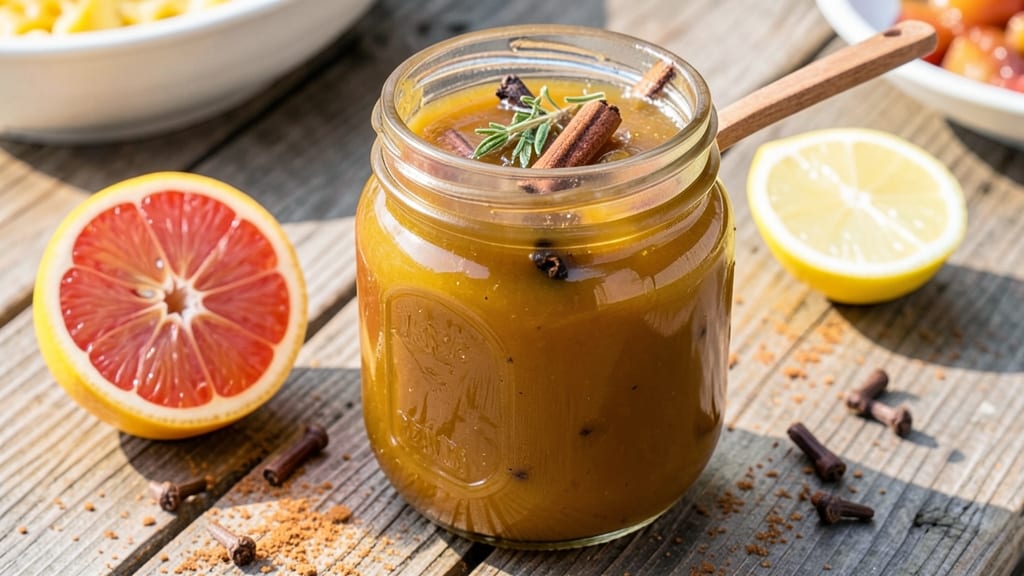
This crab apple sauce canning recipe transforms tart crab apples into pantry-stable preserves with that perfect balance of sweet and tangy flavors. 🍏 The traditional method—simmering fruit with sugar and spices—creates a thick, spreadable sauce that’s ideal for glazing meats, topping desserts, or pairing with cheese.
Unlike store-bought versions, homemade sauce captures the fruit’s natural depth while ensuring shelf stability through proper canning techniques.
The process begins with selecting firm crab apples, peeling and slicing them before simmering in a sugar syrup until tender. Spices like cinnamon or cloves add warmth, while lemon juice brightens the flavor.
Once canned, the sauce maintains its vibrant color and rich taste for up to a year, making it a versatile pantry staple. For those watching sugar intake, a reduced-sugar version uses pectin and less sweetener while still achieving the right consistency.
Sterilizing jars and lids is critical for safety, followed by processing in a boiling water bath to seal the sauce properly. The result is a smooth, jam-like preserve with a texture that’s thick enough to cling to spoons or brush onto roasted chicken.
Whether you’re a canning beginner or a seasoned pro, this recipe delivers restaurant-quality results with minimal effort.
Use your crab apple sauce on pork tenderloin, as a glaze for ham, or even as a unique topping for pancakes. The versatility ensures you’ll find countless ways to enjoy this homemade treasure long after the harvest season ends. Here’s how to make it safely and successfully.
Ingredients for crab apple sauce canning
Six pounds of fruit, two cups of sugar, and simple spices create this pantry treasure.
| Ingredient | Amount | Notes |
|---|---|---|
| Crab Apples 🍏 | 4 lbs | Firm, unblemished fruit (about 12-15 apples) |
| Granulated Sugar 🍚 | 3 cups | White or raw cane preferred |
| Lemon Juice 🍋 | ¼ cup | Freshly squeezed, for brightness |
| Ground Cinnamon 🌿 | 1 tbsp | For warm depth |
| Ground Cloves 🌶️ | ½ tsp | Whole cloves work too (2-3) |
| Apple Cider Vinegar 🍶 | 1 tbsp | For acidity balance |
| Low-Sugar Pectin 🍎 | 2 tbsp | For reduced-sugar version |
| Pint-Sized Mason Jars 🍯 | 6 jars | With new lids and rings |
| Water 💧 | 10 cups | For sterilizing jars |
Crab apples are the heart of this recipe—look for firm, tart varieties at local orchards or specialty stores like Trader Joe's or Whole Foods. If you can't find them fresh, frozen works (thaw first). The sugar amount can be adjusted: reduce by 1 cup for a lighter version while adding 2 tbsp pectin to maintain thickness. For spices, Penzeys Spices sells high-quality ground cinnamon and whole cloves if you want to grind them yourself. The lemon juice should be freshly squeezed—bottled won't give the same bright flavor.
No crab apples? Substitute tart cooking apples like Granny Smith, but expect slightly less tang. For sugar reduction, use 2 tbsp pectin per cup of sugar saved—this maintains the jam's gelling properties. If you dislike cloves, nutmeg at half the amount works beautifully. The vinegar can be swapped for white wine vinegar if preferred. For canning safety, always use new lids—reused lids won't seal properly. The jars should be sterilized in boiling water for 10 minutes before filling.
Once canned, this sauce keeps for up to 1 year in a cool, dark pantry. Store jars upright to prevent leakage. For reduced-sugar versions, check for proper gel consistency after processing—it should wrinkle slightly when chilled. The sauce thickens as it cools, so don't overfill jars. Label with the date—first in, first out ensures maximum freshness. Portion into smaller jars for gift-giving, or freeze individual portions if you won't use them within a year.
Why You'll Love This Recipe
- No Chopping Struggle: I’ll be real—crab apples are tiny and stubborn. But this sauce only needs halved fruit, not diced. Toss them in whole, let the pot do the work while you stir sugar and spices into a fragrant syrup. No knife wars, just golden chunks that melt into jammy perfection.
- Spiced Like Autumn: That first whiff of cinnamon and cloves simmering with tart apples? Instant cozy. The lemon juice cuts through the sweetness just enough to make it bright, not cloying. It’s the kind of flavor that smells like Thanksgiving morning—even when you’re canning in July.
- Holiday Table Hero: Slather it on fresh bread for a brunch spread, stir into oatmeal for a fall twist, or drizzle over roasted pork. It’s the one pantry staple that works for holiday gifts (jars make great presents) or last-minute hostess favors. My in-laws still ask for it every Christmas—no lie.
- Zero Waste, Max Flavor: Crab apples go bad fast, but this recipe turns their tartness into shelf-stable magic. One harvest yields jars that last months, so you’re not scrambling to use them before they spoil. Plus, the spices cost pennies—just a pinch makes the whole batch sing. Budget-friendly? More like flavor-packed.
Step-by-step instructions for crab apple sauce canning
Here's the precise method for preserving that perfect sweet-tart crab apple flavor.
🍳 Step 1: Prepare and Sterilize Equipment
Fill a large pot with the 10 cups water and bring to a rolling boil. While waiting, wash the 6 jars and new lids with hot, soapy water. Place the jars in the boiling water and sterilize for 10 minutes. Keep the lids in their packaging until ready to use.
I like to use a jar lifter to handle the hot jars—it's safer than tongs and prevents burns. Sterilizing is critical to prevent contamination and ensure your preserves stay fresh for months. Don't skip this step, even if it seems tedious.
🍳 Step 2: Peel, Core, and Chop Crab Apples
Peel the 4 lbs crab apples using a vegetable peeler or paring knife, removing any bruised spots. Core the apples and cut into ¼-inch chunks. You should have about 8-10 cups of prepared fruit. Work quickly to minimize oxidation—toss the chopped apples with the 0.25 cup lemon juice immediately after cutting.
Crab apples are tart and firm, so they hold their shape well during canning. The lemon juice not only brightens the flavor but also helps prevent browning. If you're short on time, you can use a food processor for chopping, but hand-cutting gives you more control over the texture.
🍳 Step 3: Cook the Apple Mixture
In a large, heavy-bottomed pot, combine the chopped apples, 3 cups granulated sugar, 1 tbsp ground cinnamon, 0.5 tsp ground cloves, and 1 tbsp apple cider vinegar. Stir well to distribute the spices evenly. Bring the mixture to a boil over medium-high heat, then reduce to a gentle simmer. Cook for 20-25 minutes, stirring occasionally, until the apples are tender and the mixture thickens.
You'll know it's ready when the sauce coats the back of a spoon and the apples are fork-tender. The spices should be fully dissolved, and the mixture should have a syrupy consistency. If it's not thickening enough, simmer for another 5 minutes—but don't rush this step. Undercooked apples will make the sauce watery.
🍳 Step 4: Add Pectin and Finish Cooking
Remove the pot from heat and stir in the 2 tbsp low-sugar pectin. Return the mixture to a boil over medium-high heat, stirring constantly for 1-2 minutes. This step is crucial for setting the jelly and ensuring your preserves have the right texture. The sauce should thicken noticeably and become glossy.
Here's the thing—pectin needs heat to activate properly. If you skip the boil after adding it, your sauce won't set correctly in the jars. Once it reaches a full rolling boil and thickens, you're ready for the next step. The scent will be intoxicating—like autumn in a jar.
🥘 Step 5: Fill and Seal the Jars
Using a ladle or funnel, carefully fill each of the 6 pint-sized mason jars with the hot apple sauce, leaving ½-inch headspace at the top. Wipe the rims with a clean, damp cloth to remove any residue. Place the lids on the jars and screw on the rings until fingertip-tight.
I use a magnetic lid lifter to handle the hot lids—it's a game-changer for safety. The headspace is critical; too little can cause jars to seal improperly, while too much leaves room for mold. Process the jars in a water bath canner for 15 minutes after the water reaches a full rolling boil.
⏰ Step 6: Process and Store
Lower the jars into the boiling water using a jar lifter, ensuring they're fully submerged. The water should return to a full boil within 5 minutes. Process for 15 minutes, then remove the jars and let them cool undisturbed for 12-24 hours. You'll hear a satisfying ping as the lids seal.
Once sealed, store the jars in a cool, dark place for up to 1 year. The sauce will thicken further as it cools, developing a beautiful gel-like consistency. If any jars don't seal, refrigerate and use within 2 weeks. This sauce is perfect for toast, pancakes, or as a topping for yogurt—its sweet-tart balance is unforgettable.
Pro Tips For Making Crab Apple Sauce Canning
- Peel First, Core Last: Crab apples are tough—peel them before cutting to avoid slipping on their waxy skins. Core them last so the knife doesn’t tear through the flesh when you’re ready to dice. (I learned this after three batches of fruit flying across the kitchen.)
- Boil Hard, Then Soften: Bring the sauce to a full, rolling boil for 5 minutes to sterilize the jars and break down the pectin. Then drop the heat to a gentle simmer—any lower, and the sugar won’t dissolve properly. (Yes, even if you’re impatient like me.)
- Strain or Don’t: If you hate chunks, strain the cooked sauce through a fine-mesh sieve. If you love texture, skip it—but know your jars will look like a fruit salad. (I skip it half the time; the texture’s worth the mess.)
- Weigh Spices Lightly: A pinch of cinnamon and cloves is enough—too much turns the sauce medicinal. Use ¼ teaspoon each, toast them in the pot for 30 seconds first, and let the aroma wake up. (I once used a full teaspoon of cloves. Don’t ask how I fixed it.)
Dietary considerations for this crab apple sauce canning
Sugar-Free Adaptations
For those avoiding sugar, reduce the 3 cups granulated sugar to 1 cup while adding 4 tbsp low-sugar pectin. This maintains thickness without excessive sweetness. Use monk fruit sweetener (like Lakanto) or erythritol (in 1:1 ratio) for a sugar-free version.
The lemon juice and vinegar enhance tartness, balancing the reduced sweetness naturally. 🍏
Diabetic-Friendly Options
Diabetic-friendly versions replace sugar with 1 cup unsweetened applesauce and 2 tbsp pectin. Add ½ tsp vanilla extract and 1 tsp cinnamon for depth. The sauce will be less sweet but retains a jam-like consistency.
Always check carbohydrate content per serving—this version typically has 5g net carbs per 2-tbsp serving. Pair with high-protein foods to balance blood sugar.
Gluten-Free Safety
This recipe is naturally gluten-free, but verify all ingredients: use certified gluten-free sugar (like Wholesome! brand) and check pectin labels for cross-contamination warnings. The canning process itself is gluten-free, but spices like cloves or cinnamon may contain traces.
For strict diets, opt for Schar or Annie's certified gluten-free spices. Always sterilize jars thoroughly to prevent mold growth in gluten-sensitive environments.
Nut-Free Considerations
While this recipe contains no nuts, cross-contamination is possible if using shared kitchen tools or ingredients stored in nut-prone areas. Clean all equipment with hot, soapy water before use.
For nut-allergic households, designate a separate canning station or use new, unopened jars to eliminate any risk. The sauce's texture and flavor remain unaffected by nut-free precautions.
Allergen-Friendly Tips
For citrus-allergic individuals, omit the lemon juice and replace it with 1 tbsp white wine vinegar plus ½ tsp salt for acidity. Those with cinnamon allergies can substitute 1 tsp pumpkin pie spice (check for nut-free certification).
Always test small batches first—some individuals react to spices differently. Label jars clearly with allergen information if gifting.
Low-Sodium Adjustments
Reduce the apple cider vinegar to ½ tbsp and omit added salt entirely. The natural acidity from the fruit and lemon juice provides sufficient preservation. For extra flavor, add 1 tsp grated ginger or ½ tsp cardamom.
Low-sodium versions work beautifully as glaze for roasted meats or drizzled over cottage cheese. Always taste before canning—adjust spices to compensate for reduced salt content.
Nutrition facts
Frequently asked questions
Why do crab apples need peeling before canning?
Crab apples have tough, bitter skins that don't soften properly during canning. Peeling ensures a smooth texture in your sauce. The skins also contain tannins that can make the finished product overly astringent. For a quicker method, you can leave skins on but increase cooking time by 5-10 minutes to ensure they break down completely.
Can I use frozen crab apples instead of fresh?
Yes, but thaw them completely first and drain excess liquid. Frozen apples work well, though they may release more water during cooking. To compensate, increase sugar by ½ cup and simmer 5 minutes longer to achieve the proper thickness. Fresh apples are preferred for their firmer texture and better flavor retention.
How do I know when the sauce is thick enough for canning?
The sauce should reach the "gel stage"—when it coats the back of a spoon and wrinkles slightly when chilled. Test by placing a small spoonful on a clean plate and refrigerating for 15 minutes. If it holds its shape, it's ready. For extra insurance, use a candy thermometer—it should reach 220°F during the final boil.
What should I do if my jars don't seal properly?
Unsealed jars are safe to eat but must be refrigerated and used within 2 weeks. Check for proper sealing by gently pressing the center of the lid—if it pops back, it's sealed. If not, reprocess the jar for 10 additional minutes or refrigerate immediately. Never consume any jar that shows mold, bulging, or foul odors.
Can I adjust the spice level in this recipe?
For a milder flavor, reduce cinnamon to ½ tsp and cloves to ¼ tsp. For warmth, add ½ tsp ginger or ¼ tsp nutmeg. Always taste the sauce before canning—spices can intensify during storage. Store any extra spice blends in airtight containers to preserve freshness for future batches.