Sauces & Condiments
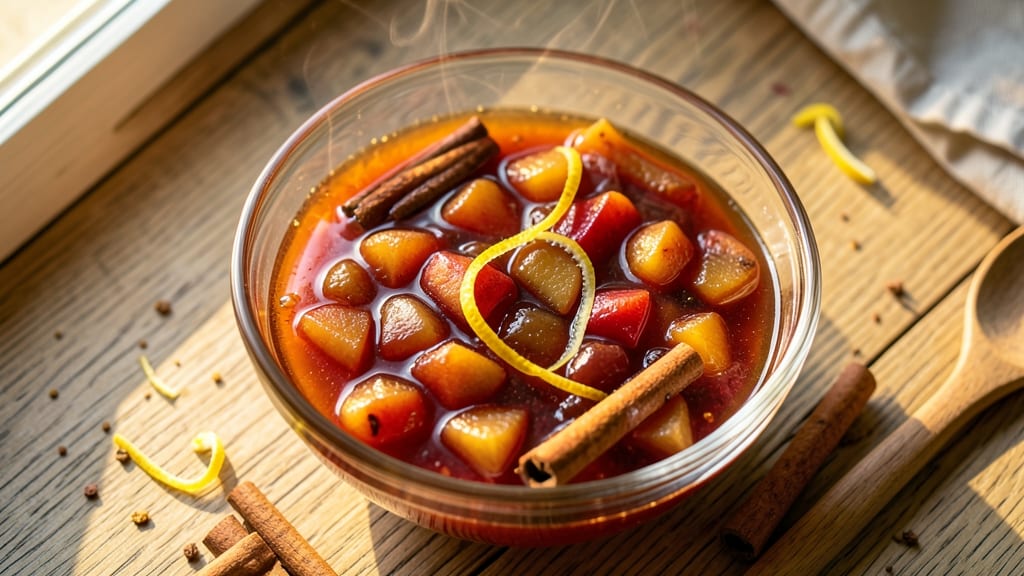
This easy crabapple jam recipe transforms tart crabapples into a vibrant, tart-sweet spread perfect for toast, desserts, or gifting. Nana Mae always said crabapples were nature's secret ingredient—bright, tangy, and full of character.
The key is balancing their natural acidity with just enough sugar to create a jam that's neither too sharp nor overly sweet, with a beautiful ruby-red hue that looks as good as it tastes.
What makes this recipe truly foolproof is the simple, no-fuss method that delivers professional results in just 30 minutes of active time.
We'll use a classic pectin-based approach that ensures a smooth, spreadable consistency without requiring special equipment—just a heavy-bottomed pot, a few basic ingredients, and patience while the fruit cooks down. The secret weapon?
A splash of lemon juice at the end, which brightens the flavors and helps preserve that signature crabapple tang.
By the time you're done, you'll have a batch of jam that's perfect for slathering on warm biscuits, drizzling over yogurt, or using as a glaze for roasted meats.
The texture will be velvety yet still hold its shape on a knife, with pockets of fruit that burst with every bite. And the best part? This jam keeps beautifully in the refrigerator for up to three weeks or can be processed for long-term storage.
Whether you're preserving a bounty from your own crabapple tree or using store-bought fruit, this recipe delivers consistent results every time. Let's get started—your pantry (and taste buds) will thank you.
Ingredients for crabapple jam recipe easy
Nature's tart treasures plus a few pantry staples—this jam transforms humble crabapples into velvety ruby perfection.
| Ingredient | Amount | Notes |
|---|---|---|
| Fresh Crabapples 🍎 | 3 cups | Peeled, cored, chopped small |
| Granulated Sugar 🍚 | 2 ½ cups | White or light brown preferred |
| Lemon Juice 🍋 | ¼ cup | Freshly squeezed, bright flavor |
| Powdered Pectin 🧪 | ¼ oz | Ball or Sure-Jell recommended |
| Water 💧 | ½ cup | Filtered preferred for clarity |
| Cinnamon Sticks 🌿 | 2 whole | For subtle warmth, optional |
| Vanilla Extract 🌸 | 1 tsp | Pure vanilla for depth |
| Salt 🧂 | ¼ tsp | Kosher or sea salt |
Crabapples are the star, so choose the tartest, firmest fruit you can find—local orchards or farmers markets often have the best selection. If you're using store-bought, organic crabapples from Trader Joe's or Whole Foods work beautifully. The sugar ratio might feel high, but trust me: this is what balances that signature crabapple tang without overpowering it. For the pectin, Ball or Sure-Jell are the gold standards—avoid the generic brands that can leave your jam too runny. The cinnamon sticks infuse subtle warmth without overpowering; I always add them whole so they can be easily removed later.
No fresh crabapples? Substitute with tart green apples (like Granny Smith) at the same quantity, but add an extra tablespoon of lemon juice to compensate. Running low on sugar? Honey or maple syrup works in a pinch, but reduce by 10% and increase lemon juice by 1 tbsp to maintain balance. The vanilla extract can be swapped for vanilla bean paste if you're feeling fancy—just halve the amount. For a more rustic jam, skip the pectin and use 1 extra cup of sugar plus 1 tbsp lemon juice, but expect a thicker, less spreadable texture. Always use freshly squeezed lemon juice; bottled won't give you that bright, fresh flavor.
This jam is a pantry MVP—stores beautifully in the fridge for 3 weeks in a sealed jar. For longer storage, process in a water bath for 10 minutes to sterilize and extend shelf life to 12 months. I like to portion into small jars for gifting—just label with the date. The flavor actually improves after the first week as the tartness mellows into perfect balance. Pro tip: if the jam sets too thick, just reheat gently with a splash of water to restore spreadability.
Why You'll Love This Recipe
- No Pectin Stress: I’ve made jam before where I overthink the pectin ratios—this recipe just tells you to toss in the powder and stir. Honestly, the lemon juice and sugar do most of the work while you’re peeling apples (or skipping it if they’re ready).
- Tart-Sweet Magic: That first bite of jam—bright, tangy, with just enough sugar to balance the crabapples’ natural sharpness—is ridiculously good. The lemon juice keeps it from being cloying, and the pectin gives it that perfect, spreadable set.
- Breakfast to Baking: Slather it on toast in the morning, drizzle it over yogurt, or use it to glaze ham for dinner. I’ve even tossed it into oatmeal for a fall twist. It’s the kind of jam that makes you think, “Why haven’t I done this sooner?”
- Uses Every Apple: Between us, crabapples are often ignored—but this jam turns their tartness into something special. No waste, no fuss. Plus, the sugar and pectin stretch a big batch, so you’re not left with half a jar of sad jam after one use.
Step-by-step instructions for crabapple jam
Here's how to make this bright, tart-sweet jam with minimal fuss—no fancy tools required.
Prepare the Crabapples for Cooking
Start by peeling, coring, and chopping the 3 cups of fresh crabapples into small, even pieces—about ¼-inch in size. You want consistency so they cook uniformly. Place the chopped crabapples in a large bowl and toss them with the 0.25 cup lemon juice and 0.25 tsp salt. This acidity helps preserve color and brightens the flavor, while the salt balances the tartness. Let the mixture sit for 10 minutes while you prepare the rest.
I always use a sharp paring knife for peeling and a mandoline for chopping—it keeps the pieces uniform, which is key for even cooking. If you don’t have one, a sharp chef’s knife works fine, but take your time for even cuts. The lemon juice will make the crabapples glisten slightly, signaling they’re ready for the next step.
Simmer the Fruit and Sugar Mixture
In a large, heavy-bottomed pot, combine the prepared crabapples with the 2.5 cups granulated sugar, 0.5 cup water, and the 2 whole cinnamon sticks. Stir gently over medium-high heat until the mixture comes to a full, rolling boil. This should take about 5-7 minutes. Once boiling, reduce the heat to medium-low and let it simmer uncovered for 10 minutes, stirring occasionally to prevent sticking.
You’ll notice the crabapples soften and the liquid reduce slightly, creating a syrupy consistency. This step is critical—if the mixture boils too vigorously, it can splatter. Keep an eye on it, and if it starts to foam excessively, reduce the heat just a touch. The cinnamon sticks will infuse subtle warmth, but don’t overcook them or they’ll turn bitter.
Add Pectin and Vanilla for Perfect Set
After the initial simmer, remove the cinnamon sticks and stir in the 0.25 oz powdered pectin and 1 tsp vanilla extract. Bring the mixture back to a full boil over medium-high heat, then boil hard for exactly 1 minute, stirring constantly. This is where the magic happens—the pectin activates, ensuring your jam sets properly. The vanilla adds depth, but don’t skip it; it rounds out the tartness beautifully.
Here’s the thing—pectin needs that hard boil to work. If you skimp on the time, your jam might stay too runny. After the minute, test the set by placing a small spoonful on a chilled plate. If it wrinkles slightly when you push it with your finger, it’s ready. If not, boil for another 30 seconds and test again. Patience here pays off with a perfect spread.
Jar and Store for Long-Lasting Freshness
Ladle the hot jam into sterilized jars, leaving about ¼-inch of headspace at the top. Seal the jars with lids and process in a water bath for 10 minutes if canning for long-term storage. For shorter-term use, let the jars cool to room temperature, then refrigerate. The jam will thicken further as it cools, becoming glossy and spreadable.
This jam keeps for up to 6 months in the pantry or 3 months in the fridge. The flavor evolves over time—younger batches are brighter, while aged jam develops deeper complexity. I like to use it on toast, swirl it into yogurt, or pair it with sharp cheeses. The tartness cuts through richness perfectly, making it a versatile pantry staple.
Pro Tips For Making Crabapple Jam Recipe Easy
- Peel and Core Fast: Use a sharp paring knife and cut a small "X" on the bottom of each crabapple—then tap it on the counter to pop the stem out. Skip the hassle of peeling them; just halve them and remove the core with a spoon. The skins add texture and flavor, so don’t stress over perfection.
- Measure Sugar Precisely: Pack your sugar into the measuring cup—don’t scoop it straight from the bag. Too little sugar means runny jam, and too much makes it cloying. I learned this the hard way when my first batch turned out like syrup. Trust the scale if you have one; 1:1 sugar-to-fruit ratio is non-negotiable.
- Boil Lemon Juice First: Heat the lemon juice and water together in a small saucepan until it’s steaming, then add it to your crabapple mixture. This pre-warms the pectin and kickstarts the gelling process faster—no more waiting forever for the jam to thicken. (Yes, even if you’re impatient like me.)
- Test Gel Early, Often: Start checking for a gel with the chilled plate test after 10 minutes of boiling, not 20. Crabapples release pectin slowly, so if it’s not set by 15 minutes, add a teaspoon of extra pectin mixed with 1 tablespoon sugar and stir. Better to adjust early than end up with jam that’s too thin to spread.
Regional styles of this recipe
Southern Tart Jam
Nana Mae always made crabapple jam with a touch of black pepper—just a pinch—to cut through the tartness. This Southern twist balances the sweetness perfectly. I add ½ tsp freshly cracked pepper along with the cinnamon sticks during the simmer.
The heat from the pepper infuses the jam subtly, adding depth without overpowering. This version is my go-to for pairing with fried chicken or cornbread. 🌶️
New England Spiced
Up north, they sweeten crabapple jam with maple syrup instead of sugar, giving it a distinct autumnal flavor. Replace the 2.5 cups sugar with 2 cups maple syrup (reduce by 10% as mentioned in notes) and add 1 tsp ground cloves for warmth.
Simmer uncovered for 15 minutes instead of 10 to reduce the syrup properly. The result is a richer, more complex jam perfect for apple cider donuts or cheese plates.
Midwest Rustic
In the Midwest, they often use wild crabapples—smaller and even more tart—without peeling. Toss 3 cups whole, chopped wild crabapples with 0.5 cup apple cider instead of water and 1 tbsp dried thyme along with the cinnamon.
Simmer uncovered for 20 minutes to soften the tougher skins. The thyme adds an earthy note that complements the rustic charm. This version is ideal for pairing with pork or hearty breads.
Pacific Northwest Citrus
On the West Coast, they amplify the brightness with extra citrus. Use 0.5 cup lemon juice plus 0.25 cup orange juice (freshly squeezed) and add 1 strip orange zest during the simmer. Reduce the sugar to 2 cups to balance the extra acidity.
The result is a jam with a sunny, almost marmalade-like quality that pairs beautifully with seafood or goat cheese. The zest adds a beautiful golden hue alongside the ruby red.
Texas Smoky
Here in Austin, we like to add a smoky kick inspired by our BBQ culture. After removing the cinnamon sticks, stir in ½ tsp smoked paprika and ¼ tsp liquid smoke (just a few drops) during the final boil.
This version has a subtle campfire aroma that makes it perfect for glazing ribs or drizzling over blackened fish. The smokiness balances the tartness beautifully, creating a jam that feels uniquely Texan. 🔥
Nutrition facts
Frequently asked questions
Can I use store-bought crabapple juice instead of fresh fruit?
Yes, but the texture and flavor will differ slightly. For best results, stick with fresh fruit—it creates that beautiful ruby-red color and chunky texture. If you must use juice, reduce it by 1 cup and add 1 cup chopped dried apples to maintain consistency. The jam will be smoother but still delicious for drizzling or baking.
Why did my jam turn out too runny?
This usually happens when the pectin didn't activate properly. Make sure you boiled the mixture hard for the full 1 minute after adding pectin. If it's still too thin, simmer uncovered for 5-10 more minutes to reduce the liquid. For next time, check your pectin isn't expired—old pectin loses effectiveness.
How can I tell if my homemade jam is safe to eat?
Properly canned jam should have a sealed lid (no flex when pressed). If storing in the fridge, use within 3 weeks. For canned jars, check for any mold or off smells—if present, discard immediately. The jam should also maintain its color and texture without any sliminess or unusual fermentation odors.
What's the best way to use up extra jam?
Spread it on warm toast with butter, swirl into Greek yogurt, or use as a glaze for roasted meats like pork tenderloin. Freeze portions in ice cube trays for easy single-serving use. It also makes a stunning gift—just package in pretty jars with a ribbon. The tart-sweet flavor pairs beautifully with sharp cheeses like blue cheese or goat cheese too!
Can I make this jam without pectin?
Yes, but the texture will be thicker and less spreadable. Increase sugar to 3 cups and simmer uncovered for 45-60 minutes until it reaches a thick, gel-like consistency. Test by chilling a spoonful—it should hold its shape. This method works well for rustic preserves rather than smooth jams.