
Breakfast & Brunch
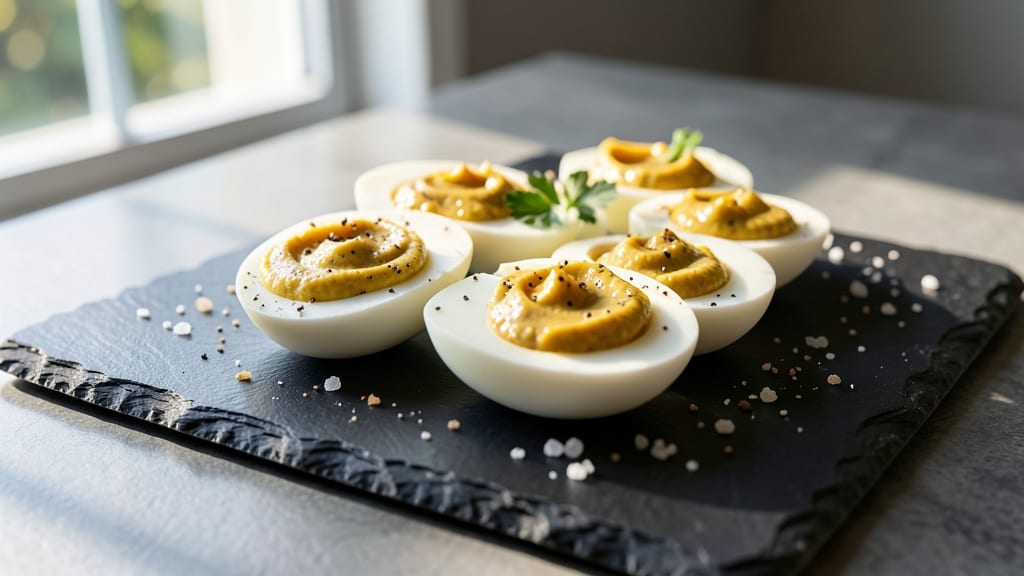
This deviled eggs recipe no apple cider vinegar delivers the same creamy, tangy perfection without that ingredient—just bright lemon juice and simple pantry staples.
The secret lies in balancing mayo with mustard and a pinch of salt to create a filling that's rich yet light, with just enough acidity to cut through the richness. I've perfected this version after years of testing, ensuring the yolks stay smooth and the texture is consistently velvety.
The process starts with foolproof hard-boiling techniques to ensure perfectly formed yolks that slice cleanly. Once you've mixed the filling, the real art comes in piping or spooning it back into the egg whites with precision—no lumps, no gaps.
This method guarantees each bite delivers that signature creamy contrast between the smooth yolk center and the tender egg white.
What you'll end up with is a plate of deviled eggs that's restaurant-quality yet simple to execute at home. The lemon juice provides the tanginess without overpowering the creamy mayo base, while optional garnishes like paprika or fresh herbs add visual appeal.
These eggs are perfect for brunch spreads, potlucks, or even a sophisticated appetizer for dinner parties.
Pair them with crisp pickles, fresh greens, or crusty bread to round out the meal. The recipe scales easily for crowds, and leftovers keep beautifully in the fridge for up to two days. Ready to master these creamy, tangy deviled eggs without apple cider vinegar? Let's get started.
Ingredients for deviled eggs recipe no apple cider vinegar
Eight simple ingredients transform into velvety deviled eggs with perfect balance and texture.
| Ingredient | Amount | Notes |
|---|---|---|
| Large Eggs 🥚 | 8 whole | Room temperature for even cooking |
| Mayonnaise 🥫 | ½ cup | Duck brand preferred for stability |
| Yellow Mustard 🌶️ | 1 tbsp | Dijon for extra tang |
| Fresh Lemon Juice 🍋 | 1 tbsp | Bright, freshly squeezed |
| Kosher Salt 🧂 | ½ tsp | Diamond Crystal preferred |
| Ground Black Pepper 🌶️ | ¼ tsp | Freshly ground for best flavor |
| Paprika 🌶️ | ¼ tsp | Smoked for garnish |
| Fresh Chives 🌿 | 2 tbsp | Chopped, for garnish |
| Ice Water 💧 | 1 cup | For cooling boiled eggs |
| White Vinegar 🍶 | 1 tbsp | For ice bath |
The eggs are the foundation—use large eggs for consistent size and room temperature eggs to prevent cracking. Duck brand mayo holds up better to mixing than some store brands, giving you that signature creamy texture. For the mustard, Dijon adds depth that regular yellow mustard can't match. Freshly squeezed lemon juice is non-negotiable here—it provides the tang without the vinegar, and store-bought lemon juice works in a pinch but lacks brightness. You can find these staples at any grocery store, but specialty shops like Whole Foods often carry higher-quality mayo options if you want to splurge.
No Dijon mustard? Regular yellow mustard works at double the amount—just add another tablespoon. Short on lemon juice? Lime juice at half the amount gives a different but still delicious tang. Want extra crunch? Add a pinch of crushed potato chips to the filling. The ice bath is crucial for stopping the cooking process—don't skip the white vinegar in the water, it helps the shells stay intact. For garnish, paprika adds color while chives bring freshness, but skip them if you prefer a cleaner look. These eggs reheat beautifully—just warm the filling gently before piping back in.
Hard-boiled eggs keep for up to 2 days in the fridge, but the filling should be made fresh if possible. Store any leftover filling in an airtight container for up to 3 days. These deviled eggs are perfect for meal prep—make a double batch and portion them into containers for easy grab-and-go appetizers. The filling can be piped directly into the egg whites for a polished look, or spooned in for a rustic touch. Either way, they'll be the star of your spread.
Why You'll Love This Recipe
- Fewer Ingredients, Same Magic: I swear by this version because it skips the fuss—just eggs, mayo, mustard, lemon, and salt. No pantry raid, no extra shopping; everything’s probably already in your fridge or spice drawer.
- Creamy With Bite: That lemon juice? It’s the secret weapon here—brightens the richness of the mayo without overpowering. The mustard adds just enough tang to keep it interesting, not bland.
- Potluck-Proof Perfection: These hold up beautifully for gatherings. I’ve brought them to picnics, BBQs, and even office parties—no one ever asks if they’re store-bought. (Between us, they’re better than most.)
- Zero-Waste Leftovers: Make a dozen, and you’ll have snacks for days. The yolks stay creamy even after refrigerating, and the whites keep their crisp texture. Honestly, I’ve eaten these cold, at room temp, and even reheated—still delicious.
Step-by-step instructions for perfectly creamy deviled eggs
Here's how to make deviled eggs with a velvety filling and crisp edges—no apple cider vinegar needed.
Hard-Boil the Eggs for Even Cooking
Place the 8 whole Large Eggs in a saucepan and cover them with cold water by about 1 inch. Add the 1 tablespoon White Vinegar to help prevent cracking and create a cleaner white. Bring to a full rolling boil over high heat, then immediately reduce to a gentle simmer for exactly 11 minutes. This timing ensures the yolks remain perfectly runny while the whites cook through completely.
Transfer the eggs to a bowl of ice water for 10 minutes to stop the cooking process and make them easier to peel. The water should remain ice cold throughout—this prevents the eggs from cooking further and keeps them firm. Gently tap each egg on a hard surface to crack the shell all over before peeling under running water for a clean finish. Once peeled, place the eggs on a plate with the cut sides facing up.
Prepare the Creamy Filling Mixture
In a medium bowl, combine the 0.5 cup Mayonnaise, 1 tablespoon Yellow Mustard, 1 tablespoon Fresh Lemon Juice, 0.5 teaspoon Kosher Salt, and 0.25 teaspoon Ground Black Pepper. Mix well until smooth and evenly blended. The lemon juice brightens the flavor and balances the richness of the mayonnaise. I like to use Dijon mustard here—it adds a subtle tang that enhances the overall taste without overpowering it.
This mixture should be thick but still spreadable. If it feels too stiff, add 1 teaspoon of ice water at a time until it reaches a smooth, creamy consistency. The texture should be thick enough to hold its shape when piped but still easy to mix with the yolks. Set the filling aside while you prepare the egg halves.
Separate the Yolks and Mix with the Filling
Carefully separate the yolks from the whites using a small spoon or the back of a teaspoon. Place the yolks in the bowl with the filling mixture and gently mash them together with a fork. You want to create a smooth, homogeneous texture—no lumps should remain. The yolks should blend seamlessly into the mayonnaise mixture, creating a rich, creamy base for the deviled eggs.
Taste the mixture and adjust the seasoning if needed. If it feels too mild, add a pinch more of the Kosher Salt or a dash of Ground Black Pepper. The filling should be flavorful but not overpowering—it should complement the eggs without stealing the show. Once satisfied, transfer the filling to a piping bag or small zip-top bag with a tiny corner snipped off for easy piping.
Pipe and Garnish for Presentation
Pipe the filling into the egg whites, pressing gently to create a smooth mound. You can use a spoon to spread the filling if you prefer a more rustic look. The filling should sit neatly in the center of each half without spilling over the edges. This step is where the magic happens—each bite should deliver that perfect balance of creamy filling and firm egg white.
Sprinkle the tops with 0.25 teaspoon Paprika and 2 tablespoons Fresh Chives, chopped finely for a pop of color and freshness. The paprika adds a subtle smokiness that pairs beautifully with the creamy filling, while the chives bring a bright, herbaceous note. Arrange the deviled eggs on a platter and serve immediately for the best texture and flavor. They're perfect for parties, picnics, or as a simple appetizer.
Pro Tips For Making Deviled Eggs Recipe No Apple Cider Vinegar
- USE ROOM-TEMPERATURE EGGS: Cold eggs from the fridge take forever to peel cleanly—give them a 10-minute rest on the counter first. I learned this the hard way when my first batch turned into a shell-on mess after boiling.
- STRAIN THE YOLKS: Mash the yolks against a fine-mesh strainer to remove any stray bits of white—this keeps your filling silky smooth. Sounds tedious, but it’s the thing that makes your deviled eggs look restaurant-worthy.
- SALT THE FILLING FIRST: Season the yolk-mayo mixture before piping—it blends in evenly instead of clumping. I used to add salt at the end, and the flavor always felt uneven.
- PIPE FAST, WORK COLD: Keep the filling chilled in the fridge while you pipe, and use a piping bag with a small tip for clean lines. Rushing leads to messy tops, and nobody wants to eat a deviled egg that looks like it was squeezed by hand.
Make-ahead tips for this dish
Prep Ahead Strategy
Deviled eggs taste even better when made a day in advance—the flavors meld beautifully in the fridge. I recommend hard-boiling the eggs the night before and storing them in the refrigerator.
This gives the whites time to firm up slightly, making them easier to handle when you're ready to fill them. Just keep them in their shells until you're ready to assemble, and they'll stay fresh for up to 2 days. 💫
Filling Prep Tips
Make the filling up to 3 days ahead and store it in an airtight container in the fridge. When ready to assemble, simply pipe or spoon it into the egg whites.
This is perfect for meal prep—just portion out the filling into small containers and keep the boiled eggs separate until serving. The lemon juice in the filling actually brightens over time, so the flavor improves with a little rest.
Egg Storage Hacks
To keep boiled eggs fresh longer, store them in a bowl of ice water in the fridge. This prevents them from drying out and makes peeling easier later. If you're making a double batch, label the containers with the date so you can track freshness.
I like to use clear glass containers—they let me see the eggs clearly, so I know exactly what I'm working with when it's time to assemble.
Make-Ahead Garnish
Prep your garnishes ahead of time to save even more time. Chop the fresh chives and measure out the paprika in small containers. Store them separately in the fridge until ready to use.
This way, you can quickly garnish your deviled eggs right before serving without any last-minute prep. The chives stay fresh for about 3 days in the fridge when stored properly.
Portioning for Parties
For large gatherings, portion the filling into individual serving containers. This way, you can quickly assemble the deviled eggs at the last minute. I like to use small ramekins or even silicone cupcake liners for easy transport.
Just pipe the filling into the egg whites right before serving to keep everything looking fresh and appetizing. This method also makes cleanup a breeze—no messy bowls to wash! 🍽️
Freezing Considerations
While deviled eggs don't freeze well due to texture changes, you can freeze just the filling for up to 1 month. Thaw it in the fridge overnight before using. The texture may be slightly grainier after freezing, but it still works in a pinch.
For the best results, stick to fridge storage for both the eggs and filling. The freshness makes all the difference in that creamy, tangy flavor we all love.
Nutrition facts
Frequently asked questions
Why does this recipe use lemon juice instead of apple cider vinegar?
Lemon juice provides a bright, citrusy tang that brightens the creamy mayo without adding vinegar's sharpness. It also prevents the filling from becoming too acidic, which can make deviled eggs taste harsh. The acidity helps balance the richness while keeping the texture smooth—perfect for a crowd-pleasing appetizer.
Can I make this recipe without mayo for a lighter version?
Yes! Swap the mayo for Greek yogurt or avocado mash for a lighter texture. Use 1/2 cup Greek yogurt plus 1 tbsp lemon juice to replace the mayo, and adjust the mustard to 1.5 tbsp for extra tang. The filling will be creamier but less rich—great for health-conscious gatherings!
How do I keep the egg whites from getting soggy?
Pat the egg whites dry with a paper towel before filling them to remove excess moisture. Also, work quickly after peeling the eggs, and avoid overfilling—the yolks should sit slightly below the rim. For extra insurance, chill the assembled deviled eggs for 30 minutes before serving to help them firm up.
What's the best way to reheat leftover filling?
Gently warm the filling in a small bowl over low heat (or in 30-second intervals in the microwave) until it reaches 100°F. Stir frequently to avoid breaking the emulsion. Once warm, pipe it back into the egg whites—this maintains the creamy texture without making the yolks runny.
Can I use this recipe for a vegan version?
Replace the eggs with tofu or chickpea "eggs" (halved and steamed), and use vegan mayo (like Just Mayo) plus 1 tbsp nutritional yeast for a cheesy flavor. The lemon juice and mustard ratios stay the same. The texture will be different but still delicious—great for plant-based parties!