
Sauces & Condiments
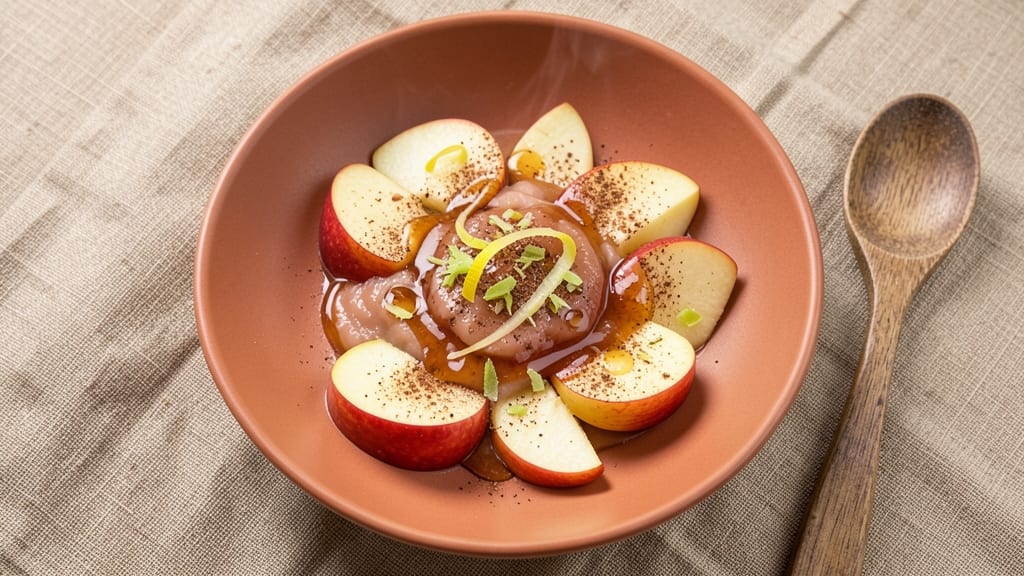
This fresh apple sauce recipe transforms seasonal fruit into a vibrant, no-cook condiment that’s brighter and fresher than anything you’ll find in a jar. The secret lies in blending ripe apples with a touch of lemon juice and cinnamon—no heat required—while preserving their natural texture and sweetness.
I developed this method after craving something lighter than traditional cooked sauces, and it’s become a staple in my kitchen for everything from breakfast to desserts.
What sets this recipe apart is its versatility and simplicity: no peeling, no boiling, just a quick blend that delivers chunky sweetness in under 10 minutes. The apples retain their crisp texture, making this sauce perfect for pairing with cheeses, spreading on toast, or drizzling over yogurt.
For a deeper flavor, you can even reduce fresh apple cider into a syrupy glaze—ideal for drizzling over pancakes or roasted meats. The result is a sauce that’s as nutritious as it is delicious, with no added sugars or preservatives.
This fresh apple sauce keeps beautifully in the fridge for up to a week, making it a great meal prep option. Whether you’re using it as a topping for oatmeal, a dip for apple slices, or a glaze for baked goods, its natural sweetness and vibrant color elevate any dish.
The best part? You can customize it with spices like nutmeg or ginger, or even blend in a handful of fresh herbs for a modern twist. Ready to make the most of your apples? Let’s get started.
The beauty of this recipe is how it adapts to your needs—whether you prefer it unsweetened for a lighter touch or lightly spiced for warmth. It’s the perfect balance of convenience and quality, proving that fresh can be just as satisfying as cooked.
Once you try it, you’ll never go back to store-bought again.
Ingredients for fresh apple sauce
Eight ingredients transform seasonal apples into vibrant, no-cook chunky sweetness in minutes.
| Ingredient | Amount | Notes |
|---|---|---|
| Ripe Apples 🍎 | 4 medium | Mixed varieties for texture |
| Fresh Lemon Juice 🍋 | 2 tbsp | Brightens flavor naturally |
| Ground Cinnamon 🌿 | 1 tsp | Warmth without overpowering |
| Pure Maple Syrup 🍯 | 2 tbsp | Optional for sweetness |
| Fresh Ginger Root 🌿 | 1 tsp | Grated, for zing |
| Vanilla Extract 🍯 | ½ tsp | Adds depth of flavor |
| Ice Water 💧 | ¼ cup | Balances texture |
| Sea Salt 🧂 | ¼ tsp | Enhances natural sweetness |
The apples are the star—mix Honeycrisp and Fuji for the perfect balance of crispness and sweetness. Farmers markets often have the freshest varieties, but any ripe fruit works. Skip the peeling—it’s full of nutrients and flavor. If you’re using tart apples like Granny Smith, add an extra tablespoon of maple syrup to balance. The key is room-temperature fruit—it blends smoother and keeps that gorgeous chunky texture. I always buy apples that are just ripe enough to eat now but still hold their shape when blended—bright color means freshness.
No maple syrup? Agave or date syrup works just as well—just use the same amount. Fresh ginger is ideal, but powdered ginger at half the amount keeps the same kick. Want extra depth? Add a pinch of nutmeg or cardamom to the blend. The lemon juice is non-negotiable—it brightens everything and keeps the sauce from turning brown. If you’re making this ahead, store the apples and lemon juice separately until blending day to keep them fresh. The vanilla extract might seem small, but it’s what ties all the flavors together—trust me on this.
This sauce keeps beautifully in an airtight container in the fridge for up to 1 week, though I usually eat mine within 3 days. For longer storage, freeze in ice cube trays—perfect portions for later. The texture stays chunky if you press plastic wrap directly on the surface before sealing. Use it on toast, yogurt, or as a topping for pancakes—the possibilities are endless. Leftovers? Blend in a splash of water to loosen it up if it thickens overnight.
Why You'll Love This Recipe
- No Peel, No Stress: I swear by this trick—just toss whole apples (peels and all) into the pot with the ginger and lemon. The skins soften right into the sauce, and honestly? The texture’s smoother than store-bought. Plus, no knife work means I’m not chopping my fingers off while scrolling through memes.
- Warm Spice Magic: That first bite of ginger’s sharp kick followed by cinnamon’s cozy embrace? It’s the kind of flavor combo that makes you pause mid-bite. The maple syrup ties it all together—just enough sweetness to balance the tartness, like a hug for your taste buds.
- Pantry-to-Plate Flex: This sauce is my go-to for oatmeal, yogurt, or even drizzled over grilled pork—no fancy plating required. Between us, I’ve also used it as a glaze for roasted carrots. (Yes, even on a Tuesday night.) The lemon keeps it fresh, so it doesn’t sit heavy like some other sauces.
- Lasts All Week: Make a big batch, and you’ll have sauce for days—no sad, mushy leftovers here. The ginger and lemon juice keep it from browning or getting watery, so it tastes just as good on day three as it does fresh. My freezer’s always stocked with jars of this stuff; it’s my secret weapon for lazy mornings.
Step-by-step instructions for fresh apple sauce
Here's how to make silky, naturally sweet apple sauce with zero cooking required.
Core and Chop the Apples
Start by washing the 4 medium ripe apples thoroughly under cool water. Using a sharp paring knife, carefully remove the core and any bruised spots. I like to cut each apple into 8-10 wedge-shaped pieces, keeping the skin on for better texture and color.
Here's the thing—you want a mix of textures in your final sauce. For the best results, leave about half of the apple pieces in slightly larger chunks (about ½-inch thick) and cut the other half into smaller pieces (about ¼-inch thick). This creates that perfect chunky texture we're after. Place all the apple pieces in a large bowl as you work.
Add Sweetness and Spices
To the bowl of chopped apples, add the 2 tablespoons of pure maple syrup and the 1 teaspoon of ground cinnamon. Toss everything together gently with your hands or a large spoon until the apples are evenly coated. The maple syrup will start to slightly soften the apples as it sits, but we're not cooking them—just letting the flavors meld.
Next, add the 0.5 teaspoon of vanilla extract and the 0.25 teaspoon of sea salt. The salt might seem like a tiny amount, but it's crucial for enhancing all the natural sweetness of the apples. Give everything another gentle mix, making sure the spices are distributed evenly throughout the apple pieces.
Grate and Incorporate the Ginger
Using a fine grater or microplane, grate the 1 teaspoon of fresh ginger root. Be careful not to grate the skin if your ginger has any. The fresh ginger adds a wonderful zing that balances the sweetness perfectly. Add the grated ginger to the apple mixture and toss again to combine.
Here's where it gets good—the fresh ginger releases its aromatic oils as it sits with the apples. Let the mixture rest for about 5 minutes while you prepare the lemon juice. This resting time allows the flavors to start blending together, giving you that complex, well-rounded taste we're after.
Brighten with Lemon and Water
Add the 2 tablespoons of fresh lemon juice to the apple mixture and toss everything together. The lemon juice brightens the flavor and helps balance the sweetness. Now pour in the 0.25 cup of ice water and give everything one final gentle mix with your hands or a spoon.
This is the moment that matters: the ice water is crucial for achieving that perfect, silky texture without cooking. The water helps break down the apple fibers just enough to create a smooth yet chunky consistency. If you're worried about diluting the flavor, don't be—the lemon juice and spices will keep everything vibrant.
Mash and Serve Immediately
Using a potato masher or the back of a fork, gently mash about half of the apple pieces until they're broken down into smaller chunks. Leave the other half intact for that perfect chunky texture. You want to keep some of the natural structure of the apples while still creating a cohesive sauce.
Taste your apple sauce and adjust the sweetness if needed. If it needs more sweetness, add a bit more maple syrup, or if it needs more zing, add a tiny splash more lemon juice. Transfer the apple sauce to serving bowls and enjoy it immediately while it's still cool and fresh. This sauce keeps well in the refrigerator for up to 5 days, but it's best enjoyed fresh!
Pro Tips For Making Fresh Apple Sauce
- PEEL AND CORE FAST: Use a paring knife to slice off the peel in one long spiral strip—no peeling in circles like you’re carving a pumpkin. For the core, cut a shallow X at the stem end, then twist the knife to pop out the core cleanly. (I used to waste 10 minutes chopping apples this way.)
- SIMMER LOW AND LONG: After the apples break down, reduce heat to a bare simmer—just small, occasional bubbles. Rush this, and you’ll end up with mushy, gluey sauce instead of smooth, silky texture. Twenty minutes at low heat makes all the difference.
- GRATE THE GINGER: Skip the minced ginger—it burns easily and makes the sauce bitter. Use a microplane or fine grater for fresh ginger, then strain it out if you prefer a smoother finish. (Yes, even if the recipe says “chopped.”)
- LEMON JUICE LAST: Add lemon juice only at the very end—right when you’re done cooking. The acid breaks down pectin and makes the sauce separate if you add it too early. A splash (about 1 tablespoon) brightens the flavor without ruining the texture.
Regional styles of this fresh apple sauce
New England Style
In New England, apple sauce often includes dried cranberries and a touch of nutmeg for a tart-sweet balance. I like to add ½ cup chopped dried cranberries and ¼ tsp freshly grated nutmeg to the basic recipe.
This variation is perfect for Thanksgiving side dishes or pairing with roasted pork tenderloin. The cranberries add a festive pop of color and a tangy contrast to the apples' sweetness. 🍎
Midwest Classic
The Midwest tradition leans toward cooked apple butter with a thicker consistency, but you can still make a fresh version. Blend in ½ cup apple cider instead of ice water and simmer the mixture gently (just until warm) for 5 minutes to thicken naturally.
Add 1 tsp apple pie spice for that classic Midwestern warmth. This works beautifully as a toasted sourdough spread or with baked beans.
Southern Comfort
Southern-style apple sauce often incorporates pecans and a hint of bourbon for depth. Toast ¼ cup pecans in a dry skillet until fragrant, then chop them and fold into your finished sauce. Add 1 tsp bourbon (like Buffalo Trace) along with the vanilla extract.
This rich variation pairs perfectly with fried chicken or cornbread. The pecans add a delightful crunch that contrasts beautifully with the smooth sauce. 🌶️
Pacific Northwest Twist
Up in the Pacific Northwest, where apples thrive, locals often blend in local honey and fresh thyme for a floral, herbal note. Swap the maple syrup for 2 tbsp local honey and add 1 tsp finely chopped fresh thyme.
This version is fantastic with grilled salmon or as a glaze for roasted root vegetables. The thyme adds an earthy complexity that complements the region's fresh, crisp apples.
Modern Fusion
For a contemporary take, try a savory apple sauce with goat cheese and rosemary. Mix in 2 oz crumbled goat cheese and 1 tsp finely chopped fresh rosemary after mashing. This unexpected combo works brilliantly as a dip for crusty bread or a topping for seared duck breast.
The tangy goat cheese balances the sweet apples, while the rosemary adds an aromatic lift. 💫
Nutrition facts
Frequently asked questions
Can I make this fresh apple sauce without a food processor?
If you don't have a food processor, simply mash the apples with a potato masher or fork until you reach your desired chunkiness. For extra creaminess, blend the mashed apples with ¼ cup ice water using an immersion blender or whisk vigorously. The texture will be slightly thicker but still delicious.
Why does my apple sauce turn brown after blending?
Apple sauce darkens when exposed to air due to oxidation. To prevent browning, toss the chopped apples with 2 tbsp lemon juice immediately after cutting. For extra protection, press plastic wrap directly on the surface before storing. If browning occurs, simply stir in a tiny splash of lemon juice—it brightens the color instantly.
What's the best way to use up leftover apple sauce?
Leftover apple sauce is incredibly versatile! Spread it on toasted bread with cinnamon, stir it into oatmeal, or use it as a topping for pancakes or waffles. For something savory, drizzle it over roasted pork or mix it into stuffing. You can also freeze it in ice cube trays for perfect portions later. The possibilities are endless!
Can I make this recipe with tart apples like Granny Smith?
Yes, but you'll need to adjust the sweetness. Use 3 tbsp maple syrup instead of 2 tbsp and add a pinch of cinnamon to balance the tartness. Tart apples also hold their shape better, so you might want to mash them slightly more for a smoother texture. The result will be a tangy-sweet sauce perfect for pairing with cheese or spicy dishes.
How can I make this sauce thicker or thinner?
For a thicker sauce, simmer it gently for 5-10 minutes (stirring often) to reduce the liquid. To thin it, stir in 1-2 tbsp ice water at a time until you reach your desired consistency. If you're using it as a glaze, you can also blend in 1 tbsp apple cider for a glossy finish. Adjust gradually to avoid ruining the texture.