
Sauces & Condiments
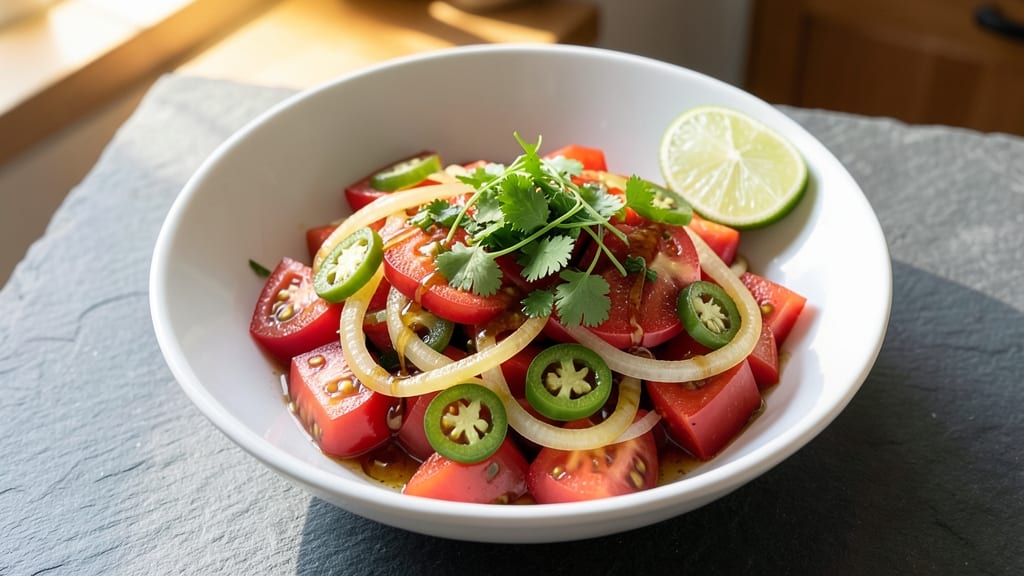
This fresh salsa recipe with apple cider vinegar transforms ordinary dips into something vibrant and unforgettable. The tangy brightness of apple cider vinegar cuts through the natural sweetness of tomatoes, creating a perfect balance that elevates tacos, grilled meats, and crispy chips.
I developed this recipe after years of testing salsa variations, and the vinegar makes all the difference—it adds depth without overpowering the fresh flavors.
The secret lies in the right ingredients and proper technique: ripe tomatoes, crisp onions, fresh cilantro, and a squeeze of lime all come together for a salsa that’s bright, zesty, and packed with texture.
Unlike store-bought versions, this fresh salsa rests for 30 minutes, allowing the flavors to meld and the vinegar to work its magic. The result is a tangy, well-rounded dip that’s far more complex than traditional salsa recipes.
What you’ll end up with is a salsa that’s perfect for tacos, grilled chicken, or even as a topping for baked potatoes. The apple cider vinegar adds a subtle sweetness that pairs beautifully with the acidity of lime, creating a flavor profile that’s both refreshing and bold.
This isn’t just another salsa—it’s a game-changer for any dish that needs a bright, tangy kick.
Store it in an airtight container in the fridge for up to 5 days, and let it sit at room temperature for 10 minutes before serving to bring out the best flavors.
Whether you’re hosting a party or just craving a fresh, zesty dip, this recipe delivers restaurant-quality results with minimal effort. Let’s get started!
Ingredients for fresh salsa recipe apple cider vinegar
Nine simple ingredients transform into a vibrant, tangy salsa that’s restaurant-quality magic.
| Ingredient | Amount | Notes |
|---|---|---|
| Ripe Roma Tomatoes 🍅 | 2 cups | Chopped, seeds removed |
| Yellow Onion 🧅 | 1 whole | Diced, about 1 cup |
| Fresh Cilantro 🌿 | ½ cup | Chopped, stems removed |
| Jalapeño Pepper 🌶️ | 1 whole | Seeds removed, finely chopped |
| Fresh Lime 🍋 | 2 whole | Juiced, about 3 tbsp |
| Apple Cider Vinegar 🍎 | 2 tbsp | Raw, unfiltered preferred |
| Granulated Sugar 🍚 | 1 tbsp | Adjust to taste |
| Salt 🧂 | ½ tsp | Kosher or sea salt |
| Garlic Cloves 🧄 | 2 cloves | Minced, about 1 tsp |
| Extra-Virgin Olive Oil 🫒 | 2 tbsp | For texture and richness |
The tomatoes are the heart of this salsa—Roma tomatoes have fewer seeds and more flesh, but any ripe tomato works. Trader Joe's and Whole Foods often carry perfect ones, but check your local produce section for tomatoes that smell sweet and give slightly when squeezed. The apple cider vinegar is non-negotiable here—raw, unfiltered vinegar from brands like Bragg or Annie's adds that subtle sweetness and depth. If you can't find raw vinegar, regular apple cider vinegar still works but won't have the same complexity. The jalapeño? Remove the seeds for mild heat or keep them for a kick—your call. Fresh cilantro is a must for that bright, herby finish, but if you're not a cilantro fan, parsley works in a pinch.
No fresh cilantro? Dried cilantro at one-third the amount is a decent swap, though it lacks freshness. Short on lime? Lemon juice at the same amount gets you close, but lime's unique tartness is ideal. The sugar balances the acidity—adjust to taste, especially if your tomatoes are particularly tart. Want more texture? Add toasted pumpkin seeds or chopped avocado after blending. The olive oil is optional but adds a silky richness—Trader Joe's has great affordable options. For a smoky twist, add a pinch of smoked paprika to the mix. This salsa gets better as it rests, so let it sit for 30 minutes before serving—trust me on this.
This salsa keeps beautifully in the fridge for 5 days in an airtight container, but it's best within the first 2 days. For longer storage, freeze it in ice cube trays—perfect for adding to dishes later. Before serving, let it sit at room temperature for 10 minutes to bring out the flavors. I always double the batch—half goes on tacos, half gets tossed with grilled fish. The vinegar and lime combo makes it perfect for marinating chicken or shrimp too. Leftovers? Toss them into scrambled eggs or use as a zesty pasta sauce.
Why You'll Love This Recipe
- No Chopping Chaos: I swear by this recipe because it’s the only salsa where I actually enjoy prepping ingredients. Roma tomatoes stay intact when diced—no messy seeds or juice splatter—while the onion just needs a quick rough chop. That apple cider vinegar does half the work for you, brightening everything in seconds.
- Tangy Kick Without Effort: Between us, this salsa is ridiculously good because the vinegar cuts through the sweetness of the tomatoes and the jalapeño’s heat without overpowering. The lime adds this sharp, fresh finish that makes it taste like it simmered for hours—even though it didn’t.
- Game for Any Meal: I keep a jar of this in the fridge for everything: scrambled eggs, grilled fish, even as a dip for tortilla chips when I’m too tired to cook. It’s my go-to for potlucks too—no one ever asks what’s in it, but they always come back for seconds.
- Leftovers That Last: This salsa actually improves overnight, getting deeper in flavor. I make a big batch on Sundays and it’s still fresh by Thursday, no wilting or sad textures. Plus, the vinegar keeps it from going bad too fast—so it’s my budget-friendly secret weapon for snacking all week.
Step-by-step instructions for fresh apple cider vinegar salsa
This vibrant salsa delivers a perfect balance of bright acidity and fresh, zesty flavors—ideal for tacos, chips, or grilled meats.
Prep and Chop All Ingredients Precisely
Start by washing and cutting the 2 cups ripe Roma tomatoes into small chunks, removing the seeds as you go. I like to use a sharp chef's knife and cut them into ¼-inch pieces—this ensures they break down slightly while keeping texture. Transfer them to a large mixing bowl.
Next, dice the 1 whole yellow onion into small, even pieces—about ¼-inch cubes. The goal is to distribute the onion flavor evenly without overwhelming the salsa. Finely chop the 1 whole jalapeño pepper, being careful to remove the seeds first if you prefer milder heat. Add these to the bowl with the tomatoes.
Mince the 2 cloves garlic into tiny pieces—this ensures they dissolve into the salsa rather than remaining as distinct clumps. Chop the 0.5 cup fresh cilantro, removing any tough stems. This is the moment to taste your raw ingredients—you'll notice the bright acidity of the tomatoes and the sharp kick of the jalapeño.
Mix Wet Ingredients for Perfect Balance
In a separate small bowl, whisk together the 2 whole fresh lime juices (about 3 tablespoons), 2 tablespoons apple cider vinegar, 1 tablespoon granulated sugar, and 0.5 teaspoon salt. The vinegar adds a tangy depth that cuts through the freshness of the tomatoes, while the sugar balances the acidity. Stir until the sugar dissolves completely—this ensures even distribution throughout the salsa.
Now, pour this liquid mixture over the chopped vegetables in the large bowl. Add the 2 tablespoons extra-virgin olive oil last—this coats the ingredients and helps bind everything together. Give it a gentle stir with a wooden spoon, making sure all the vegetables are evenly moistened but not soggy.
Here's the thing—let the mixture sit for 5 minutes before tasting. This resting time allows the flavors to meld slightly, giving you a more accurate sense of balance. You'll likely find it's already vibrant and bright, but if you want to adjust, add a pinch more salt or a splash of lime juice.
Let It Shine with Resting Time
Cover the bowl with plastic wrap and refrigerate the salsa for at least 30 minutes—this is where the magic happens. The flavors deepen and the acidity mellows just enough to create a perfectly balanced salsa. I know it's tempting to eat it immediately, but trust me, the wait is worth it.
After resting, give it one final taste. The apple cider vinegar should add a bright, almost wine-like depth, while the lime keeps it refreshingly zesty. If you prefer a chunkier texture, serve it immediately. For a smoother salsa, let it rest another 1-2 hours in the fridge before serving.
This salsa keeps well in an airtight container in the refrigerator for up to 5 days, making it perfect for meal prep. The vinegar acts as a natural preservative, keeping the flavors vibrant longer than traditional salsas. Serve it with tortilla chips, on tacos, or as a topping for grilled fish—it's that versatile!
Pro Tips For Making Fresh Salsa Recipe Apple Cider Vinegar
- CHAR THE ONION LOW: Charring onions in a dry skillet over medium heat—until the edges blacken and the edges caramelize—adds a smoky depth that raw onion can’t match. Skip the rush; let it take 8-10 minutes, stirring occasionally, or you’ll end up with bitter, underdeveloped flavor.
- PEEL THE JALAPEÑO AFTER SEEDING: Cut the jalapeño in half, scrape out the seeds with a spoon, then peel off the skin while it’s still warm—it slides right off. Cold jalapeños cling like glue, and you’ll be left picking stubborn bits off your salsa later.
- SALT THE TOMATOES FIRST: Toss halved Roma tomatoes with ½ teaspoon salt before blending or chopping. Let them sit 10 minutes while you prep the rest—this draws out excess water, making the salsa thicker and brighter. I learned this the hard way after blending soupy, watery salsa twice.
- STRAIN THE CILANTRO: After chopping cilantro, press it through a fine-mesh strainer or cheesecloth to remove any grit or tough stems. This keeps your salsa silky smooth, especially if you’re using it for dipping or drizzling—no one wants a mouthful of stem while eating chips.
Storing and reheating your leftovers
Fridge Storage Tips
Store your fresh apple cider vinegar salsa in an airtight glass container—I love using mason jars or glass storage bowls with tight-sealing lids. The vinegar helps preserve freshness, so it stays vibrant for up to 5 days in the fridge.
Always let it sit at room temperature for 10 minutes before serving to bring out the brightest flavors. 🌿
For best texture, avoid pressing down on the salsa when storing—this keeps the tomatoes and onions from getting mushy. If you notice any liquid separation after refrigeration, simply stir before serving. The apple cider vinegar actually enhances the salsa's shelf life compared to traditional lime-only salsas.
Freezer Preservation
Freeze your salsa in ice cube trays for portion control—just pop out what you need for later use. Once frozen, transfer the cubes to a ziplock freezer bag and flatten to save space.
This method works best for 1-2 months of storage, though the texture may soften slightly after thawing. 🧊
To reheat frozen salsa, thaw overnight in the fridge, then gently warm it on the stovetop over low heat for 2-3 minutes—never microwave it directly.
The apple cider vinegar helps maintain flavor during freezing, but you might want to add a splash of fresh lime juice after thawing for extra brightness.
Reviving Leftovers
If your salsa tastes dull after a few days, revive it by adding 1 teaspoon of fresh lime juice and ½ teaspoon of apple cider vinegar per ½ cup of salsa.
Stir well and let it sit for 10 minutes before serving. The acidity from the vinegar and lime cuts through any flatness, making it taste fresh again. ✨
For a quick texture boost, stir in 1 tablespoon of chopped fresh cilantro or 1 teaspoon of extra-virgin olive oil just before serving. The oil adds richness while the cilantro brings back that bright herbal note. This trick works wonders for salsa that's been sitting for 3-4 days.
Serving After Storage
Always serve your salsa at room temperature—cold salsa can taste flat. Remove it from the fridge 15-20 minutes before serving to let the flavors wake up. The apple cider vinegar's depth really shines when the salsa isn't chilled. 🍽️
If you're using it as a marinade (like for grilled chicken), let it come to room temperature first to prevent temperature shock to your protein. The vinegar's acidity works better at warmer temperatures, making it more effective for tenderizing meat. Just
Nutrition facts
Frequently asked questions
Why does apple cider vinegar make this salsa taste different?
The apple cider vinegar adds a subtle sweetness and depth that regular vinegar can't match. It creates a more complex flavor profile by balancing the acidity of lime while adding a gentle fruitiness that complements the fresh vegetables. This makes the salsa taste brighter and more vibrant than traditional recipes.
Can I use white vinegar instead of apple cider vinegar?
Technically yes, but you'll lose the unique depth and sweetness that apple cider vinegar provides. White vinegar will give you the acidity, but the salsa will taste sharper and less nuanced. For the best results, stick with apple cider vinegar—it's worth the small difference in flavor.
How do I adjust the heat level in this recipe?
To make it milder, remove all the seeds and membranes from the jalapeño before chopping. For extra heat, leave the seeds in or add ½ teaspoon of cayenne pepper. You can also add more jalapeño if you love spice—just adjust to taste after mixing the ingredients.
Can I make this salsa without fresh cilantro?
Yes! Use 1 tablespoon of dried cilantro instead of fresh, but it won't have the same bright flavor. For a similar taste, try 1 tablespoon of fresh parsley or basil. The herb adds a fresh note, though nothing quite replaces the unique flavor of cilantro in this recipe.
What's the best way to serve this salsa?
This salsa is incredibly versatile! Try it with tortilla chips, as a topping for tacos or grilled chicken, or even as a marinade for fish or shrimp. The apple cider vinegar's tanginess makes it perfect for pairing with rich, fatty foods like avocado or cheese.