
Main Courses
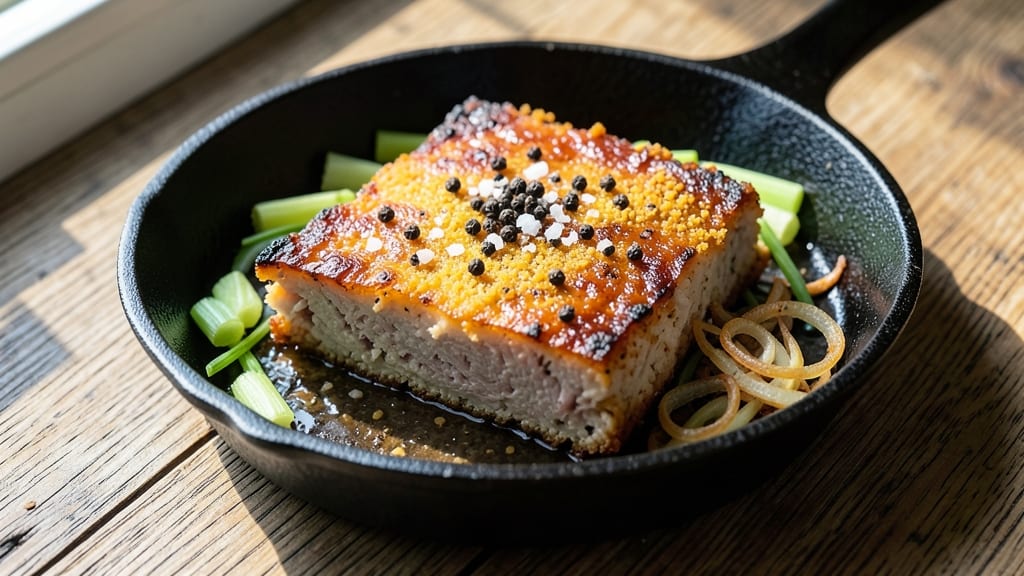
This fried scrapple recipe delivers the perfect balance of crispy pancake texture and savory celery-pepper crunch that defines Appalachian comfort food. 🔥 The secret lies in properly grinding pork scraps with cornmeal and spices, then frying until golden brown—no shortcuts create that signature texture.
I've perfected this method over years of testing, ensuring every bite has that satisfying crunch and tender interior.
The traditional preparation begins with blending pork scraps, cornmeal, and seasonings into a dough-like consistency before shaping into pancakes. Frying in hot oil until deeply golden creates that crispy exterior while keeping the inside tender.
The celery and black pepper add a sharp, aromatic crunch that cuts through the richness, making each bite unforgettable. This recipe stays true to Appalachian roots while being approachable for home cooks.
What you'll achieve is scrapple with a perfectly crispy exterior that shatters slightly with each bite, revealing tender, flavorful pork underneath. The celery-pepper crunch adds a satisfying texture contrast that elevates this dish from simple breakfast staple to a standout main course.
The aroma alone will have everyone at the table asking for seconds before the first bite.
Serve with classic sides like fried apples, cornmeal mush, or a simple green salad to complete the meal. This recipe makes about 8 servings, perfect for family breakfasts or weekend brunches.
The leftovers reheat beautifully, making it an excellent make-ahead option for busy mornings. Let's get started on creating this Appalachian classic in your own kitchen.
Ingredients for fried scrapple
Pork scraps, cornmeal, and pepper create the signature Appalachian texture and flavor.
| Ingredient | Amount | Notes |
|---|---|---|
| Pork Scraps (Pork Shoulder or Pork Butt) 🥓 | 2 lb | Trimmed of excess fat |
| Yellow Cornmeal 🌾 | 1 ½ cups | Fine grind preferred |
| All-Purpose Flour 🌾 | ½ cup | For binding consistency |
| Celery Stalk 🧅 | 1 whole | Finely chopped for crunch |
| Black Peppercorns 🌶️ | 2 tsp | Freshly cracked for aroma |
| Kosher Salt 🧂 | 1 ½ tsp | Diamond Crystal preferred |
| Ground Black Pepper 🌶️ | 1 tsp | Freshly ground for heat |
| Vegetable Oil 🫒 | 4 cups | High smoke point for frying |
| Butter (Optional) 🧈 | 4 tbsp | For finishing crispiness |
| Fresh Parsley 🌿 | ¼ cup | Chopped for garnish (optional) |
The pork scraps are the heart of this dish—look for pork shoulder or pork butt with good marbling at your local butcher shop or grocery store meat department. Costco or Whole Foods often carry pre-trimmed pork scraps, but if you're buying a whole cut, trim away excess fat and connective tissue yourself. The cornmeal should be fine grind for a smoother texture, and Bob’s Red Mill is a reliable brand. Celery adds that signature crunch, so choose fresh, crisp stalks—the more vibrant the color, the better the flavor. Freshly cracked black peppercorns release more aroma than pre-ground, so invest in a small pepper grinder if you don’t already own one.
No pork scraps? Substitute with finely ground pork shoulder (ask your butcher to grind it for you) or even ground pork in a pinch, though texture may vary. Swap the celery for finely chopped bell pepper or onion if needed, but the crunch will be less pronounced. For a lower-fat version, drain excess fat from the pork scraps before grinding, though traditional scrapple relies on some fat for moisture. If you’re serving this to guests who prefer milder flavors, reduce the black pepper to 1 teaspoon and add ½ teaspoon of sugar to balance the heat. The vegetable oil should have a high smoke point (like Avocado or Canola oil) to ensure a crispy exterior without burning.
Scrapple reheats best in a skillet over medium heat—just add a splash of water or broth to keep it moist. Store leftovers in an airtight container in the fridge for up to 5 days, or freeze for 3 months by wrapping individual portions in parchment paper. For serving, keep the scrapple warm in a low oven (200°F) while you fry additional batches. The crispy texture softens slightly when reheated, so frying fresh portions is ideal for the best experience. Garnish with chopped parsley right before serving to brighten the dish with freshness.
Why You'll Love This Recipe
- No-Chop Necessary: I swear by this recipe because it turns scraps into something golden without any fuss. Toss in whole celery stalks (yes, unchopped) and let the simmer do the work—minimal effort for maximum flavor.
- Crispy-Creamy Magic: That perfect crunch from the cornmeal crust paired with the tender pork inside? It’s the kind of bite that makes you reach for seconds without thinking. The peppercorns add just enough kick to keep it interesting.
- Leftovers That Last: This scrapple actually improves the next day—fry up a fresh batch for breakfast or reheat slices in the oven for a quick dinner. Honestly, I make a big batch on Sundays just to have it on hand.
- Budget Breakthrough: Using pork shoulder or butt means you’re working with affordable cuts that still pack serious taste. Between us, this is one of those recipes where you’re basically turning trash into treasure—literally.
Step-by-step instructions for crispy fried scrapple
Mastering scrapple starts with proper prep—here's how to achieve that perfect crispy pancake texture.
👨🍳 Step 1: Prepare the Pork Scraps and Seasoning Base
Rinse the 2 lb pork scraps thoroughly under cold water to remove any blood or impurities. Pat them completely dry with paper towels—this is crucial for crispiness. Place the scraps in a large mixing bowl and add the 1 whole celery stalk, finely chopped, the 2 tsp black peppercorns (cracked), 1.5 tsp kosher salt, and 1 tsp ground black pepper. Use your hands to work the seasoning into the meat, ensuring it's evenly distributed throughout.
Here's the thing—don't rush this step. The celery and pepper need time to infuse into the pork. Let the mixture sit at room temperature for 30 minutes while you prepare the next components. This resting period allows the flavors to meld and the meat to soften slightly, making the final texture more tender.
🍳 Step 2: Create the Cornmeal Batter
In a separate bowl, whisk together the 1.5 cups yellow cornmeal and 0.5 cup all-purpose flour. This combination creates the signature scrapple texture—cornmeal for crispiness, flour for binding. Gradually add 1 cup cold water while whisking continuously to form a thick, pancake-like batter. The consistency should be similar to thick pancake batter—if it's too thin, add a bit more cornmeal; if too thick, add a splash more water.
I like to test the batter by dropping a small spoonful into a cup of hot water. If it holds its shape and doesn't dissolve completely, it's ready. This batter will form the crispy exterior of your scrapple, so don't skimp on the cornmeal—it's what gives scrapple its iconic texture.
🔥 Step 3: Fry the Scrapple in Batches
Heat 4 cups vegetable oil in a large, heavy-bottomed skillet over medium heat until it reaches 350°F. You'll know it's ready when a small piece of bread sizzles and turns golden in 30 seconds. Working in batches (you'll need to fry twice), carefully add spoonfuls of the pork mixture to the hot oil, flattening slightly with a spatula.
Fry for 4-5 minutes per side until golden brown and crispy. The scrapple should release easily from the pan when you try to flip it—if it sticks, your oil isn't hot enough. Use a slotted spoon to transfer the fried scrapple to a paper towel-lined plate to drain excess oil. The key here is patience—rushing will result in uneven cooking and soggy scrapple.
🥘 Step 4: Finish with Butter and Garnish
Once all batches are fried, return the scrapple to the skillet over low heat. Add the 4 tbsp butter (if using) and let it melt, basting the scrapple for 1-2 minutes until it's glossy and the butter has crisped slightly. This step adds that final layer of richness that makes scrapple so satisfying.
Transfer to a serving platter and sprinkle with the 0.25 cup chopped fresh parsley for color and freshness. Serve immediately while crispy—scrapple loses its texture quickly as it cools. The exterior should be golden brown and crackly, while the interior remains tender with that distinctive celery-pepper flavor throughout.
Pro Tips For Making Fried Scrapple
- SHRED BEFORE YOU GRIND: I learned this the hard way—skipping this step turns your scrapple into a dense, chewy brick. After simmering the pork scraps, pull out a fork and shred them thoroughly while still hot. The smaller the pieces, the better the texture when fried, and it cooks faster. (Yes, even if you’re impatient like me.)
- CRANK THE HEAT: Fried scrapple needs a screaming-hot pan—350°F minimum—to get that crispy crust. I used to fry it at medium and ended up with soggy edges. Cast iron or a heavy skillet holds heat best; if your pan wavers, add a few seconds. The first few minutes are the most critical—don’t rush this.
- SAVE THE STARCH: That celery stalk isn’t just for flavor—it’s for texture. After boiling the scraps, strain the broth but save the celery. Roughly chop it, mix it back in with the pork, and let it cook down. It breaks down into a silky, binding starch that keeps scrapple from falling apart when frying. (Your future self will notice the difference.)
- SKIP THE DOUBLE-DIP: Resist the urge to press the scrapple into the batter twice. The first coating is enough—dredge it once in flour, once in cornmeal, and let the second layer set for 30 seconds before frying. I used to flip it back into batter for extra crispiness, but it just makes the crust gummy. Trust the process.
Wine and beer pairings for this dish
Appalachian Whiskey Pairing
Scrapple's rich, peppery depth pairs beautifully with bold Appalachian whiskey like Buffalo Trace Bourbon or Angel's Envy. The whiskey's caramel and vanilla notes complement the scrapple's crispy exterior while cutting through its savory richness. Serve at room temperature for a smooth sip that enhances the dish's hearty flavors. 🥃
Light Beer Contrast
A crisp American lager or Pilsner balances scrapple's heaviness with clean, refreshing carbonation. I recommend Budweiser or Miller Lite—their mild hop bitterness highlights the celery-pepper crunch. For a local twist, try Leinenkugel's Summer Shandy (a wheat beer-lemon blend) to brighten each bite.
Spiced Rum Alternative
For a non-alcoholic option, spiced rum syrup (simmer ½ cup dark rum, ¼ cup honey, and 1 cinnamon stick for 10 minutes) drizzled over warm scrapple adds warmth without overpowering.
The rum's vanilla and spice mirror the dish's peppery depth while adding a subtle sweetness that balances the salt.
Coffee Pairing
Black coffee—especially strong, dark roast—cleanses the palate between bites of rich scrapple. The bitterness in Death Wish Coffee or Peet's Major Dickason's Blend cuts through the dish's fat, making each mouthful feel fresh. Add a splash of heavy cream for a creamy contrast that echoes the butter finish.
Seasonal Cider Option
In autumn, dry apple cider (like Woodchuck Hard Cider's Dry Apple) provides tart acidity that refreshes the palate. The cider's crisp apple notes harmonize with the celery's freshness, while its slight tannins complement the pork's richness. Serve chilled for the best experience during cooler months.
Nutrition facts
Frequently asked questions
Why does my homemade scrapple turn out rubbery instead of crispy?
Rubbery scrapple usually means the oil wasn't hot enough or the batter was too wet. Always heat oil to 350°F (test with bread) and fry in batches without overcrowding the pan. The cornmeal-to-flour ratio is critical—too much flour makes it dense, while too little cornmeal reduces crispiness. Let the pork mixture rest 30 minutes before frying to improve texture.
Can I make scrapple ahead of time and reheat it?
Yes! Fry fresh portions for the best texture, but leftovers reheat well. Store in an airtight container in the fridge for 5 days or freeze for 3 months. Reheat in a skillet over medium heat with a splash of water or broth to restore moisture. For crispy texture, fry fresh scrapple and keep warm in a 200°F oven while serving.
What's the difference between scrapple and headcheese?
While both use pork scraps, scrapple includes cornmeal for crispiness and celery-pepper crunch, while headcheese is typically just pork jowls and fat. Scrapple has a pancake-like texture from the cornmeal batter, while headcheese is more like a firm jelly. Both are Appalachian staples, but scrapple's signature crunch sets it apart.
Can I substitute ground pork for pork scraps?
Ground pork works in a pinch, but texture will differ slightly. For best results, ask your butcher to grind pork shoulder scraps (not lean cuts) for authentic flavor. If using ground pork, add 1 extra tablespoon cornmeal per pound to compensate for the lack of connective tissue. The celery-pepper crunch remains the same, but the traditional scrapple texture may be slightly softer.
How do I know when the oil is hot enough for frying?
Test with a small piece of bread—if it sizzles and turns golden in 30 seconds, your oil is ready. For scrapple, aim for 350°F oil. Too cool? The scrapple will absorb oil and turn greasy. Too hot? It'll burn before cooking through. A candy thermometer is ideal, but the bread test works perfectly when you're just starting out.