
Sauces & Condiments
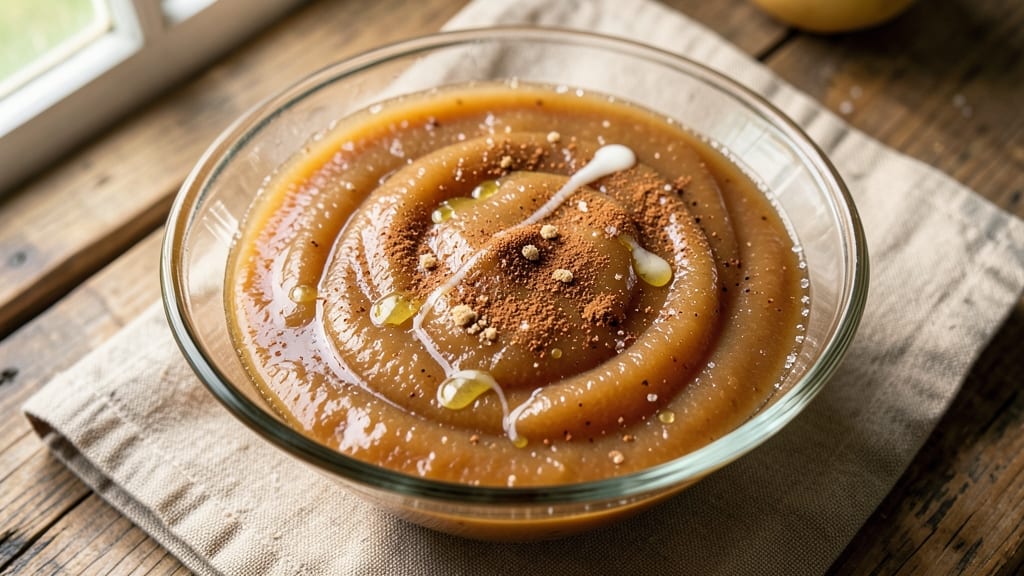
This frozen applesauce recipe transforms seasonal apples into smooth, spiced perfection with minimal effort—ideal for preserving harvests or stocking pantries for months. The process skips cooking entirely, locking in fresh flavor through freezing, and yields a versatile sauce for baking, oatmeal, or toast.
I developed this method after realizing store-bought versions couldn’t compare to homemade texture or taste, especially when infused with warm spices like cinnamon or vanilla.
The beauty of this recipe lies in its simplicity: just peel, core, and freeze whole apples before blending. No sugar is needed unless you prefer it sweeter, and the spices—cinnamon, nutmeg, or even a pinch of cardamom—infuse beautifully during the freezing process.
For a chunky texture, leave some apple pieces intact before blending; for silky smoothness, pulse until completely uniform. The result is a concentrated, aromatic sauce that brightens winter dishes without the need for canning.
What makes this recipe truly practical is its no-cook preservation—apples freeze perfectly raw, retaining their natural enzymes and vibrant color. When ready to use, simply thaw and blend, then adjust consistency with water or lemon juice for tang.
This method also eliminates the risk of spoilage, making it ideal for meal prep or gifting. Each batch yields about 4 cups of sauce, perfect for freezing in ice cube trays or airtight containers for easy portioning.
Use this versatile applesauce in muffins, pancakes, or as a topping for yogurt and cheese boards. For extra depth, stir in a splash of vanilla extract or a squeeze of lemon before serving.
The possibilities are endless, and the process couldn’t be simpler—just apples, spices, and your freezer. Let’s get started!
Ingredients for frozen apple sauce
Eight simple ingredients transform seasonal apples into a versatile, no-cook frozen sauce.
| Ingredient | Amount | Notes |
|---|---|---|
| Firm Apples (such as Honeycrisp, Fuji, or Granny Smith) 🍎 | 4 lb | Peeled, cored, and sliced into even pieces |
| Ground Cinnamon 🌿 | 1 tbsp | Freshly ground for optimal aroma |
| Pure Vanilla Extract 🥄 | 1 tsp | High-quality, pure vanilla preferred |
| Ground Nutmeg 🌿 | ½ tsp | Freshly grated for best flavor |
| Lemon Juice (freshly squeezed) 🍋 | 2 tbsp | Brightens flavor and preserves color |
| Granulated Sugar (optional) 🍚 | ¼ cup | Adjust to taste for sweetness |
| Water (for blending) 💧 | ½ cup | As needed for desired consistency |
| Cardamom Pods (optional) 🌿 | 2 whole | Lightly crushed for subtle floral note |
The apples are the foundation—Honeycrisp or Fuji deliver the best balance of sweetness and texture, while Granny Smith adds tartness. Opt for organic when possible to avoid wax coatings. Whole Foods or local orchards often carry ideal varieties. Avoid overly soft or bruised apples; they yield a mushy texture. For efficiency, peel and core the apples immediately after purchase, then store in airtight containers until ready to freeze. The spices—cinnamon, nutmeg, and cardamom—infuse beautifully during freezing, so use freshly ground varieties for maximum flavor impact.
No vanilla extract? Vanilla bean paste works equally well, or skip it entirely for a simpler profile. Prefer less sweetness? Reduce the sugar to 1/4 cup or omit entirely. For a tangier sauce, increase the lemon juice to 3 tablespoons. If you can't find cardamom, a pinch of allspice provides a similar warmth. For a chunkier texture, leave some apple slices whole before blending. For ultra-smooth sauce, pulse until completely uniform. The optional sugar can be adjusted based on apple variety—sweeter apples like Gala may need less.
Freeze the peeled and sliced apples on a tray lined with parchment paper for 2-3 hours until solid, then transfer to airtight containers or freezer bags for up to 6 months. Thaw in the refrigerator overnight before blending. The sauce will thicken upon freezing, so add water during blending if a smoother consistency is desired. Portion into ice cube trays for convenient single-use servings. This method preserves the apples' natural enzymes, maintaining vibrant color and fresh flavor without cooking. Store the finished sauce in the freezer for up to 3 months.
Why You'll Love This Recipe
- No-Core-Mess Prep: I swear by this method—just toss whole apples (peeled, quartered) into the freezer bag before chopping. No sticky counter, no knife slips, and the cold apples slice like butter. Honestly, it’s the only way I’ll prep apples now.
- Spice Blend Magic: That pinch of nutmeg and vanilla? It’s what turns this from "apple sauce" to "holiday-worthy" in two seconds. The tartness of Granny Smiths balances the sweetness, and the cinnamon lingers like a hug—especially when you add a splash of fresh lemon juice at the end.
- Freezer Superstar: Make a big batch, freeze it in ice cube trays, then transfer to a bag. Thaw what you need for oatmeal, pancakes, or even savory dishes like pork tenderloin. (Yes, even on a Tuesday night.) No waste, no stress—just convenience that actually works.
- Budget-Friendly Staple: Apples stay fresh for weeks, and spices last forever. This recipe costs me pennies per serving but feels like a gourmet treat. Plus, frozen cubes mean I’m never scrambling for fresh apples when I need a quick fix. My wallet and my taste buds thank me.
Step-by-step instructions for frozen applesauce
This no-cook method preserves apple flavor while creating a smooth, spiced sauce ready for future use.
Prepare the Apples for Blending
Start by peeling, coring, and slicing the 4 lb firm apples into even pieces. I like to cut them into ¼-inch thick slices for consistent blending. Place the sliced apples in a large mixing bowl and add the 2 tbsp freshly squeezed lemon juice immediately—this prevents browning and brightens the flavor.
If using the 2 whole cardamom pods, lightly crush them with a mortar and pestle or the bottom of a heavy pan to release their aromatic oils. Add them to the bowl along with the 1 tbsp ground cinnamon and 0.5 tsp ground nutmeg. Toss everything together gently to distribute the spices evenly. The lemon juice will also help preserve the apples' natural color during freezing.
Blend Until Smooth
Transfer the apple mixture to a high-powered blender or food processor. Add the 0.5 cup water for blending—this helps create a smoother texture without making the sauce too watery. If you prefer a thicker consistency, reduce the water to 0.375 cup. Blend in 1-second pulses at first to break down the apples, then blend continuously for 30-45 seconds until completely smooth.
Here's the thing—you want it silky, not chunky. If you're using a standard blender, you might need to stop and scrape down the sides once or twice. Taste the mixture at this stage. If you're using the 0.25 cup granulated sugar, add it now and blend again for 10 seconds to dissolve completely. The sugar should enhance the natural sweetness of the apples without overpowering their flavor.
Season and Adjust
Add the 1 tsp pure vanilla extract and blend for another 10 seconds to incorporate fully. At this point, taste the applesauce again. The spices should be warm and inviting, but not overpowering. Adjust the sweetness if needed—add more sugar if the apples are tart, or a splash of lemon juice if they're too sweet. Remember, the flavors will mellow slightly after freezing, so don't overdo it now.
For a smoother texture, strain the mixture through a fine-mesh sieve into a clean bowl. This step is optional but removes any remaining apple fibers if you prefer a completely velvety consistency. If you're keeping the natural texture, skip this and proceed directly to freezing.
Freeze for Long-Term Preservation
Portion the applesauce into 4 airtight containers—each serving should be roughly 1 cup. Leave about ½-inch headspace at the top of each container to allow for expansion as the sauce freezes. Seal the containers tightly and label them with the date and contents.
Place the containers in the freezer and freeze for 4-6 hours until completely solid. For best results, store the frozen applesauce for up to 3 months. When ready to use, thaw overnight in the refrigerator or quickly in a bowl of warm water. The texture will be slightly thicker after freezing, so you can add a splash of water or apple juice when reheating to achieve your desired consistency.
Thaw and Use
To use the frozen applesauce, transfer it to a saucepan and heat over medium-low heat for 5-7 minutes, stirring occasionally, until warmed through. If it's too thick, add 1-2 tablespoons of water or apple juice at a time until it reaches your preferred consistency. The sauce should be smooth, aromatic, and ready to use in baking, oatmeal, or as a topping for pancakes.
This no-cook method preserves the apples' natural sweetness and vibrant color while infusing them with warm spices. The result is a versatile sauce that's perfect for adding depth to both sweet and savory dishes. Store any leftovers in the refrigerator for up to 1 week or refreeze for later use.
Pro Tips For Making Frozen Apple Sauce
- PEEL AND CORE FIRST: I learned this the hard way—peeling apples before cooking saves you from scraping skins later and ensures a smoother texture. Use a paring knife to cut a shallow cross on the bottom of each apple, then twist to pop out the core cleanly.
- USE A SPLASH OF WATER: Skip the water if you’re worried about dilution, but add 2-3 tablespoons if your apples are extra dry or your sauce turns out too thick. It’s the difference between a gloppy mess and velvety perfection after freezing.
- GRIND THE SPICES FRESH: Pre-ground cinnamon and nutmeg lose potency fast. Toast whole spices in a dry pan for 30 seconds, then grind them yourself—your sauce will taste brighter, especially after months in the freezer.
- FREEZE IN PORTIONS: Fill ice cube trays with sauce, then transfer cubes to a bag. Thaw only what you need later—no more defrosting a whole batch just to use half. Label the bag with the date; it keeps well for up to 8 months.
Common mistakes when making this dish
Over-Spicing Risks
Adding too much cinnamon, nutmeg, or cardamom can turn your applesauce bitter rather than aromatic. I’ve learned this the hard way—once I used 2 tsp cinnamon instead of 1 tbsp and ended up with a dessert-like aftertaste.
Start with the recommended amounts and adjust gradually. Taste as you go, especially after thawing, since flavors intensify during freezing. 🌶️
Freezing Without Portioning
Freezing an entire batch in one container creates a logistical nightmare. Without portioning, you’ll thaw more than you need, risking waste. I recommend dividing into 1-cup portions before freezing—this makes it easy to grab just what you need for oatmeal or baking.
Use silicone ice cube trays for single-serving portions if you prefer. Label each container with the date to track freshness.
Skipping the Lemon Juice
Omitting the 2 tbsp lemon juice leads to dull, grayish applesauce. The acidity preserves color and brightens flavor, preventing the apples from turning bland during freezing. If you’re using tart apples like Granny Smith, you can reduce lemon juice to 1 tbsp, but don’t skip it entirely.
For extra vibrancy, add a pinch of salt—it enhances all the flavors.
Using Soft Apples
Overripe or mushy apples turn your sauce into a watery mess. Stick to firm varieties like Honeycrisp or Fuji, and avoid apples with bruises or soft spots. If you accidentally use soft apples, blend them with 1 extra tbsp water to compensate for the excess moisture.
For best results, store apples in the fridge until ready to use—they’ll stay firmer longer. 🍎
Thawing Too Quickly
Microwaving frozen applesauce destroys its texture, leaving it grainy and uneven. Always thaw overnight in the fridge or use a bowl of warm water for faster results. If you’re in a rush, place the sealed container in a bowl of 100°F water for 10-15 minutes—this maintains smoothness.
Never reheat directly from frozen; it’ll separate and lose its silky consistency.
Ignoring Headspace
Filling containers to the top causes spills and freezer burn. Always leave ½-inch headspace to account for expansion. I’ve seen applesauce burst containers when frozen solid—it’s a sticky mess to clean up.
Use glass containers with tight-sealing lids for best results, and press plastic wrap directly on the surface before sealing to minimize ice crystals. 💡
Nutrition facts
Frequently asked questions
Can I make this applesauce without cooking?
Yes! This recipe uses a no-cook method by freezing whole apple pieces first, then blending after thawing. The cold process preserves natural enzymes and vibrant color while infusing spices during freezing. This technique works best with firm apple varieties like Honeycrisp or Fuji.
How long does frozen applesauce last?
Properly stored in airtight containers, this applesauce maintains quality for up to 3 months in the freezer. For best flavor, use within 2 months. After thawing, refrigerate leftovers for 1 week or refreeze immediately to extend shelf life.
What's the best way to store single servings?
For easy portioning, freeze in silicone ice cube trays or small airtight containers. Each cube yields about 1 tablespoon of sauce—perfect for individual oatmeal servings. After freezing, transfer cubes to a freezer bag with the date labeled for up to 3 months.
Can I use this applesauce in savory dishes?
While traditionally sweet, this applesauce works beautifully in savory applications. Try it as a glaze for roasted pork or chicken, or stir into creamy soups like butternut squash. The cinnamon and nutmeg add warmth that complements savory flavors perfectly.
Why does my applesauce turn gray after freezing?
Gray color appears when apples oxidize due to missing lemon juice. Always add 2 tbsp lemon juice before freezing to preserve color. For extra vibrancy, add a pinch of salt—it enhances all flavors while maintaining that fresh, golden hue after thawing.