
Sauces & Condiments
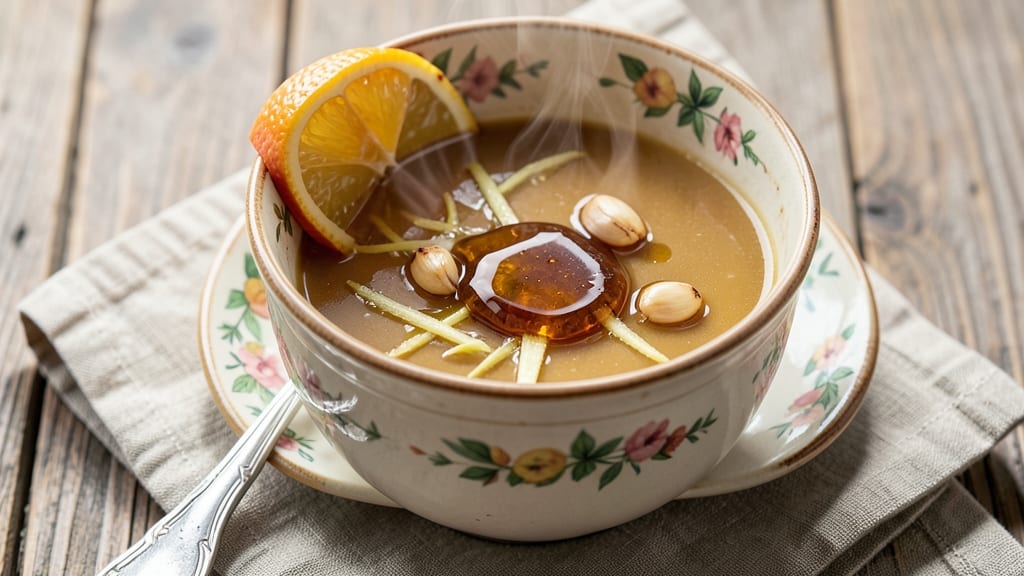
This ginger garlic lemon honey apple cider recipe transforms simple pantry staples into a versatile, bright simmer that elevates everything from roasted meats to cocktails.
The perfect balance of zesty citrus, warm spices, and natural sweetness creates a sauce that's as functional as it is flavorful—ideal for drizzling, marinating, or sipping.
What makes this recipe stand out is its adaptability: it works as a glaze for pork tenderloin, a tangy dressing for salads, or even a sophisticated cocktail mixer.
The foundation of this sauce lies in its harmonious ingredients: fresh ginger and garlic provide depth, lemon juice adds brightness, honey rounds out the acidity, and apple cider contributes a subtle fruity complexity.
The simmering process allows the flavors to meld seamlessly, resulting in a glossy, syrupy consistency that clings beautifully to proteins or enhances any dish it touches. Unlike store-bought glazes, this version delivers a vibrant, restaurant-quality finish without artificial additives.
By the time you're done, you'll have a sauce that's rich enough to stand alone but versatile enough to complement a variety of dishes. The aroma alone—warm spices intertwined with citrus—will have your kitchen smelling like a cozy autumn gathering.
This isn't just a sauce; it's a flavor multiplier that turns ordinary meals into something extraordinary with minimal effort.
Store leftovers in an airtight container in the refrigerator for up to two weeks, or freeze for extended use. Whether you're prepping for a holiday feast or simply craving a bright, flavorful addition to your weeknight dinners, this recipe delivers consistent, professional results every time. Let's get simmering!
Ingredients for ginger garlic lemon honey apple cider
Eight ingredients, endless possibilities—this bright simmer transforms ordinary dishes into extraordinary ones.
| Ingredient | Amount | Notes |
|---|---|---|
| Fresh Ginger Root 🌿 | ½ cup | Finely grated, aromatic variety |
| Garlic Cloves 🧄 | 6 cloves | Peeled, roughly chopped |
| Lemon Juice 🍋 | ½ cup | Freshly squeezed, seeds removed |
| Raw Honey 🍯 | ½ cup | Wildflower or clover preferred |
| Apple Cider 🍎 | 1 cup | Unfiltered, preferably organic |
| Extra-Virgin Olive Oil 🫒 | ¼ cup | High-quality, fruity variety |
| Low-Sodium Soy Sauce 🍶 | 1 tbsp | For umami depth |
| Ground Black Pepper 🌶️ | ½ tsp | Freshly cracked for heat |
The ginger and garlic are your flavor anchors here. Look for plump, firm ginger root with no soft spots—Whole Foods or local markets usually have the best quality. Garlic should be firm and free of sprouts. For the lemon, Meyer lemons add a floral sweetness, but regular lemons work too. The honey? Local raw honey has more depth, but any good-quality honey will do. Apple cider is where the magic happens—unfiltered, organic cider from Trader Joe's or local orchards gives the best flavor. Skip the pre-pasteurized stuff if you can.
No fresh ginger? Powdered ginger at half the amount works in a pinch, though it lacks the same punch. Substitute garlic powder, but reduce to 2 teaspoons—it's more concentrated. Ran out of honey? Maple syrup or agave works beautifully, though the flavor profile shifts slightly. The apple cider can be swapped for white grape juice if you're out, but you'll lose some of that autumnal depth. For extra richness, add a splash of balsamic vinegar—it cuts through the sweetness and adds complexity. The olive oil matters here; avoid cheap brands—you can taste the difference in the final simmer.
This sauce keeps beautifully—up to 2 weeks in the fridge in an airtight container. For longer storage, freeze in ice cube trays and transfer to a bag. Thaw overnight in the fridge before using. The flavors actually improve after a day or two as everything melds together. Use it as a glaze for roasted meats, a dressing for salads, or even a cocktail mixer. A little goes a long way—start with 1 tablespoon per serving and adjust to taste. Trust me, you'll want to make extra.
Why You'll Love This Recipe
- Five-Ingredient Magic: I swear by this combo—grate ginger, mince garlic, squeeze lemon, drizzle honey, stir into cider. That’s it. No fancy gadgets, no measuring cups (just eyeballs), and zero cleanup.
- Zesty Warmth in a Jar: Between us, this is my go-to when I need something that feels like a hug. The sharp ginger and garlic cut through the sweetness of the honey and cider, while the lemon keeps it bright enough to sip all day.
- Holiday Crowd-Pleaser: I’ve served this at Thanksgiving, Christmas, and even summer potlucks—everyone grabs a second cup. It’s the kind of drink that disappears fast, whether you’re nursing a cold or just want something festive.
- Budget-Friendly Booster: Apple cider’s cheap, honey stretches forever, and ginger/garlic last weeks in the freezer. I make a big batch, store it in the fridge, and use it in teas, dressings, or even as a marinade—talk about stretching your dollar.
Step-by-step instructions for bright simmered ginger-garlic glaze
This vibrant glaze transforms simple roasts into showstoppers with minimal effort.
Prepare the Ginger and Garlic Base
In a medium saucepan, combine the 0.5 cup finely grated fresh ginger root and 6 cloves roughly chopped garlic cloves over medium heat. Let them sizzle gently for 3-4 minutes until the garlic turns golden and the ginger softens slightly—this releases their aromatic oils. Stir occasionally to prevent burning, which would turn the glaze bitter.
Here's the thing—don't rush this step. The deeper the garlic browns, the more complex the flavor becomes. You'll know it's ready when the mixture smells intensely fragrant and the garlic edges turn a delicate golden hue. This aromatic foundation is what makes the glaze so special.
Add Liquid Components and Simmer
Pour in the 1 cup apple cider and 0.5 cup lemon juice, then bring the mixture to a gentle boil. Once boiling, reduce heat to medium-low and let it simmer uncovered for 10-12 minutes until the liquid reduces by about half. You're looking for a syrupy consistency that coats the back of a spoon—this concentrated flavor is key.
Stir occasionally to prevent sticking, especially since the ginger can settle at the bottom. The mixture should smell sweetly tangy with hints of caramelized apple and citrus. If it reduces too quickly, cover loosely with a lid to slow evaporation, but don't let it sit completely covered or it may steam instead of reduce properly.
Incorporate Sweetness and Umami
Remove the pan from heat and whisk in the 0.5 cup raw honey and 1 tbsp low-sodium soy sauce. The honey will thicken the glaze further while balancing the acidity. Return to low heat and simmer for another 5 minutes, stirring constantly, until the honey fully incorporates and the mixture becomes smooth and glossy.
This is where the magic happens—the honey and soy sauce marry the bright citrus and apple flavors with a subtle umami depth. The glaze should now have a beautiful amber color and a thick, pourable consistency. If it's still too thin, simmer uncovered for another minute or two to reach your desired thickness.
Finish with Oil and Season
Take the pan off heat completely and whisk in the 0.25 cup extra-virgin olive oil until fully emulsified. The oil adds richness and helps the glaze cling better to meats. Finish by adding the 0.5 tsp freshly cracked ground black pepper and give it one final stir.
Let the glaze rest for 5 minutes before using—this allows all the flavors to meld together. The final product should be glossy, aromatic, and perfectly balanced between sweet, tangy, and savory. Use it immediately for best results, as the flavors continue to develop even after simmering.
Pro Tips For Making Ginger Garlic Lemon Honey Apple Cider
- GRATE GINGER FINE: Fresh ginger loses its punch when it’s chopped—grate it like you mean it, using the small holes of a box grater (not the big ones). I learned this the hard way when my cider tasted like a sad, watered-down version of itself. Two minutes of extra effort makes all the difference—no one wants a ginger flavor that’s hiding.
- MINCE GARLIC SMALL: Don’t crush those cloves—smash them flat first, then finely mince with a sharp knife. Whole pieces burn before they release flavor, and you end up with bitter, charred bits instead of that bright, aromatic kick. If you’re lazy (like me sometimes), a microplane works, but your knife will thank you for the practice.
- WARM CIDER FIRST: Cold apple cider thins out the honey and dulls the spices. Heat it gently in a saucepan for 3-4 minutes until it’s just warm to the touch—this lets the honey blend smoothly and the lemon brighten without curdling. I used to skip this, and my drink always tasted uneven, like someone forgot to stir properly.
- STIR CONSTANTLY: This isn’t a set-it-and-forget-it recipe. The honey and lemon juice need constant stirring to prevent scorching, especially if you’re using a high flame. I was skeptical—"it’s just a drink, how bad can it be?"—until I burned the bottom of my pot. Now I keep a spoon moving, even if it means extra elbow grease. The payoff is a silky, balanced sip, not a bitter aftertaste.
Make-ahead tips for this dish
Prep Ahead for Roasts
Make this glaze 1-2 days ahead for maximum flavor development. Store it in an airtight container in the fridge—the flavors deepen as the spices meld together. When ready to use, gently reheat in a small saucepan over low heat until warm, stirring occasionally to maintain its glossy texture.
I like to reheat just enough to thin it slightly for easier brushing. 🍖
Freezer-Friendly Cubes
Freeze the glaze in ice cube trays for portion control and easy thawing. Once frozen, transfer the cubes to a ziplock bag and store for up to 3 months.
Thaw overnight in the fridge before using—this prevents watery consistency. Perfect for holiday prep when you need to glaze multiple dishes without last-minute fuss. 🧊
Marinade Magic
Use half the glaze as a marinade for pork tenderloin or chicken thighs. Combine with 1 cup olive oil and let it sit for 4-6 hours (or overnight for deeper flavor).
The acidity tenderizes while the spices infuse the meat. I recommend grilling or roasting after marinating for best results. 🍗
Cocktail Syrup Boost
Strain the glaze through a fine-mesh sieve to remove any ginger bits, then use as a syrup for cocktails. Add 1-2 tablespoons to bourbon or apple cider cocktails for a bright, spiced twist.
The honey balances the alcohol while the citrus keeps it refreshing. Garnish with lemon twists for extra flair. 🍹
Salad Dressing Twist
Thin the glaze with 2-3 tablespoons water to create a tangy salad dressing. Toss with mixed greens, roasted nuts, and crumbled goat cheese for a sweet-savory contrast.
The apple cider adds a subtle autumnal note that pairs beautifully with winter salads. Store leftover dressing in the fridge for up to 5 days. 🥗
Gift-Worthy Jars
Package the glaze in small mason jars tied with twine for thoughtful holiday gifts. Label with the recipe name and suggest uses like "Perfect for roasts or cocktails."
The glossy finish makes it look stunning on shelves. I've given jars to neighbors every year—they always come back asking for more. 🎁
Nutrition facts
Frequently asked questions
Can I substitute apple cider vinegar for apple cider?
Yes, but with adjustments! Use ½ cup apple cider vinegar plus ½ cup water to mimic the liquid volume. The vinegar adds more acidity, so reduce the lemon juice to ¼ cup to balance flavors. For a sweeter profile, add an extra 1 tablespoon honey during the final simmer.
How do I adjust the sweetness for different dietary needs?
For less sweetness, reduce honey to ¼ cup and add 1 extra tablespoon lemon juice. For more sweetness, increase honey to ⅔ cup and add ½ teaspoon cinnamon during the final simmer. The apple cider's natural sweetness will help guide your adjustments.
What's the best way to use this glaze on poultry?
For chicken or turkey, brush the glaze on in 2-3 thin layers during roasting. Start with 1 tablespoon per pound of meat, applying the first layer when the skin is crispy (30-40 minutes in). Add a second layer 15 minutes before finishing. The high heat caramelizes the sugars beautifully for a sticky, glossy finish.
Why did my glaze turn cloudy or separate?
Cloudiness usually means the glaze cooled too quickly. Reheat gently over low heat while stirring constantly. If it separates, whisk in 1 teaspoon olive oil or ½ teaspoon cornstarch mixed with water to re-emulsify. For future batches, maintain low heat during simmering and avoid rapid temperature changes.
Can I make this without fresh ginger?
Yes! Use 1 teaspoon ground ginger instead, but reduce the simmer time to 8-10 minutes after adding liquids. Fresh ginger has more complex flavors, so the ground version will be slightly milder. For extra depth, add ½ teaspoon ground cinnamon during the final simmer to compensate for the missing aromatic oils.