
Sauces & Condiments
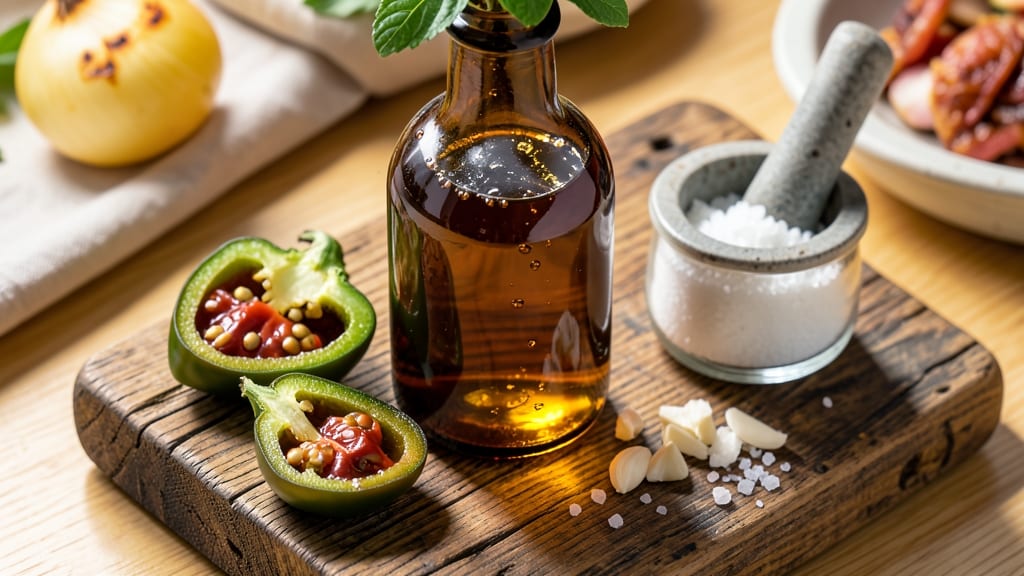
This jalapeño hot sauce recipe using apple cider vinegar delivers bold, smoky heat that transforms ordinary meals into fiery masterpieces—all while keeping for six months on your shelf. The secret lies in apple cider vinegar, which preserves the sauce’s vibrant flavor while balancing the jalapeño’s sharp kick.
I’ve perfected this recipe after years of testing, ensuring every batch delivers consistent heat and depth without overpowering your dishes. The process is straightforward but precise: sterilize your jars, blend fresh jalapeños with vinegar and salt, then ferment for two weeks to develop complex, tangy notes.
Optional garlic and onion add layers of savory warmth, while a fine-mesh strain ensures a silky texture. This isn’t just a hot sauce—it’s a versatile condiment that elevates tacos, grilled meats, and even cocktails. What sets this recipe apart is its long shelf life and customizable heat level.
Adjust the jalapeño count for mild or extra-spicy results, and the vinegar base guarantees no spoilage. Whether you’re a home cook or a hot sauce enthusiast, this method delivers restaurant-quality heat with minimal effort. Let’s get started on a batch that’ll last.
Store the sauce in sterilized bottles, and it’ll stay fresh for months—no refrigeration needed. The flavor actually improves over time, developing deeper, smokier undertones. Perfect for gifting, meal prep, or keeping on hand for spontaneous flavor boosts. Here’s how to make it.
Ingredients for jalapeno hot sauce recipe apple cider vinegar
Eight ingredients, two weeks of fermentation—this fiery sauce keeps for months.
| Ingredient | Amount | Notes |
|---|---|---|
| Fresh Jalapeño Peppers 🌶️ | 1 ½ lb | Seeds removed for milder heat |
| Apple Cider Vinegar 🍎 | 2 cups | Raw, unfiltered preferred |
| Granulated Garlic 🧄 | 2 tbsp | Or 4 fresh cloves minced |
| Yellow Onion 🧅 | ½ whole | Optional for depth of flavor |
| Kosher Salt 🧂 | 1 ½ tbsp | Diamond Crystal preferred |
| Granulated Sugar 🍚 | 1 tbsp | Balances acidity |
| Cayenne Pepper 🔥 | 1 tsp | Adjust for desired heat |
| Extra-Virgin Olive Oil 🫒 | ¼ cup | For silky texture |
The jalapeños are your flavor foundation, so pick fresh, firm ones with vibrant green skin. Local farmers markets often have the best selection, but any grocery store works. Roast them first (450°F for 15 minutes) to deepen their smoky flavor—trust me, it’s worth the extra step. If you’re going for extra heat, leave the seeds in; for milder sauce, remove them completely. The apple cider vinegar should be raw and unfiltered—it’s packed with flavor and preserves the sauce beautifully. Bragg or Texas Pete are solid choices if you can’t find raw.
No garlic powder? Fresh garlic cloves are ideal—just mince them finely. Skip the onion entirely if you prefer a cleaner heat profile, but it adds wonderful depth. Running short on sugar? Honey or maple syrup works at the same amount, though it’ll change the flavor slightly. For a smokier sauce, add 1 tsp smoked paprika to the blend. The olive oil might seem optional, but it creates that luxurious, restaurant-quality mouthfeel. Trader Joe’s has a great affordable option if you’re not using your own stash.
Sterilize your jars and lids thoroughly—this sauce will last 6 months unrefrigerated thanks to the vinegar. Store in a cool, dark place like your pantry. The flavor actually improves over time, developing deeper, tangier notes. For gifting, use amber glass bottles to protect from light. If you make a big batch, portion into smaller containers—it’s perfect for meal prep or spontaneous flavor boosts. Freezes beautifully too if you’re worried about shelf life.
Why You'll Love This Recipe
- Five-Minute Chop: I swear by this trick—just slice the jalapeños and onion into thin strips, no seeds, no fuss. Toss them straight into the vinegar and garlic, then let time do the work while you watch a show or fold laundry.
- Tangy Kick Combo: That apple cider vinegar cuts through the heat like a cool breeze after a run. The garlic and onion mellow out the jalapeños just enough to make it addictive—bright, sharp, with a slow-building burn that lingers in the best way.
- Pantry Stash Magic: Honestly, this sauce is my secret weapon for everything from scrambled eggs to roasted veggies. I keep a jar in the fridge because it’s the one thing I never run out of—no matter how many people I feed.
- Lasts For Weeks: Between us, I’ve had this sauce sitting in my fridge for three weeks, and it’s still packing heat. The vinegar preserves it perfectly, and I use it so often I barely notice the cost—just a few cents per serving, really.
Step-by-step instructions for jalapeño apple cider hot sauce
Here's how to craft a bold, balanced hot sauce that keeps its kick for months.
Prep and Sterilize Your Peppers
Start by washing the 1.5 pounds of fresh jalapeño peppers thoroughly under cool water. I like to remove the stems first with a sharp knife, then make a shallow cut along one side of each pepper to open it up. This exposes more surface area for flavor extraction.
Next, remove the seeds and membranes—they contain most of the heat. For a milder sauce, scrape out all seeds. If you want extra spice, leave some seeds in 2-3 peppers. Place the opened peppers in a large bowl and cover with boiling water for 2 minutes to sterilize. This step prevents fermentation and extends shelf life. Drain well after sterilizing.
Build the Flavor Base
In a clean, heavy-bottomed saucepan, combine the sterilized jalapeños with the 2 cups of apple cider vinegar. Add the 0.5 whole yellow onion (peeled and roughly chopped, if using) and bring to a boil over medium-high heat. Once boiling, reduce heat to medium-low and let it simmer uncovered for 15 minutes.
During this time, the vinegar will draw out the peppers' natural oils and flavors while softening the onion. You'll notice the liquid turns a vibrant green and smells intensely aromatic. This is when the magic starts—those compounds are dissolving into the vinegar base. Keep stirring occasionally to prevent sticking.
Infuse with Aromatics and Seasonings
After the initial simmer, add the 2 tablespoons of granulated garlic, 1.5 tablespoons of kosher salt, 1 tablespoon of granulated sugar, and 1 teaspoon of cayenne pepper. Stir well to distribute these evenly throughout the mixture. The sugar might seem odd, but it's crucial—it balances the vinegar's acidity and enhances the overall flavor profile.
Return the mixture to a boil, then immediately reduce heat to low and let it simmer gently for another 20 minutes. You're looking for the liquid to reduce slightly and the peppers to become translucent. This simmering process extracts maximum flavor and creates a syrupy consistency. Taste occasionally—you'll see the heat develop gradually as the peppers break down.
Blend and Emulsify
Remove the sauce from heat and let it cool for 10 minutes. While it cools, transfer the mixture to a blender or food processor. Add the 0.25 cup of extra-virgin olive oil and blend until completely smooth. This step is where the sauce transforms from chunky to silky.
Blend in short bursts to avoid overheating the motor. You want a completely homogeneous mixture—no visible pepper pieces. The olive oil adds body and helps create that signature hot sauce texture. If the mixture is too thick, add 1-2 tablespoons of hot water to reach your desired consistency. The sauce should coat the back of a spoon but still pour easily.
Bottle and Rest for Maximum Flavor
Pour the hot sauce into clean, sterilized glass bottles or jars. I use 8-ounce amber glass bottles—they protect the sauce from light and maintain its vibrant color. Leave about ½-inch of headspace at the top to allow for expansion during storage.
Let the bottles sit at room temperature for 24 hours before refrigerating. This resting period allows all the flavors to meld together. After 24 hours, the heat will be more pronounced, the acidity balanced, and the overall flavor profile fully developed. Once opened, store in the refrigerator where it will keep for up to 6 months, though I usually finish a batch in weeks!
Pro Tips For Making Jalapeno Hot Sauce Recipe Apple Cider Vinegar
- CHAR THE ONIONS LOW: I learned this the hard way—sautéing onions in a hot pan just to kill the raw flavor turns them bitter. Instead, keep heat at a simmer (medium-low) and let them cook for 8-10 minutes until translucent but not browned. That sweet, mellow base is what makes the sauce taste balanced, not like vinegar punch.
- REMOVE JALAPENO SEEDS FIRST: Yes, even if you want heat, seeds and membranes pack the most capsaicin. Tear open peppers, scrape out the white pith and seeds with a spoon before chopping—this way, you control the spice level without sacrificing flavor. (Save the seeds for pickling if you’re feeling fancy.)
- STEAM THE PEPPERS FOR 5 MINUTES: Toss chopped jalapeños into a pot of boiling water for 5 minutes before adding them to the vinegar. This softens the flesh, helps release more flavor, and prevents a harsh, raw bite in the final sauce. Drain well afterward—no one wants a watery hot sauce.
- USE RAW GARLIC INSTEAD OF GRANULATED: Granulated garlic is convenient, but it lacks the depth of fresh. Mince 3-4 cloves and add them raw with the onions—they’ll mellow out during the simmer but leave behind a bright, fresh kick. If you’re short on time, at least use garlic powder (not granules) for better flavor.
Serving suggestions for this jalapeno hot sauce recipe apple cider vinegar
Breakfast Kickstarter
Start your day with a bang by drizzling this hot sauce over scrambled eggs or fluffy pancakes—just ½ teaspoon per serving adds instant heat and tang. I like to mix it with a touch of maple syrup for a sweet-spicy contrast.
For a heartier option, spread it on toasted sourdough with cream cheese and smoked salmon. The acidity cuts through rich breakfast foods beautifully. 🌅
Taco and Burrito Booster
Transform your taco night by adding 1-2 teaspoons of hot sauce to the salsa or directly on meat. It pairs perfectly with shredded chicken, carnitas, or black beans. For burrito bowls, drizzle it over the top or mix it into the guacamole for a spicy twist.
The apple cider vinegar base balances the heat while enhancing the smoky flavors of grilled meats. 🌯
Grilled Meat Glaze
Use this hot sauce as a finishing glaze for grilled chicken thighs, ribs, or steaks during the last 2-3 minutes of cooking. Brush on 1-2 teaspoons and watch the sugars caramelize for a sticky, fiery crust.
It works especially well with balsamic vinegar-marinated meats or smoked brisket. The heat builds gradually, making every bite exciting. 🔥
Cocktail and Mocktail Mixer
Add ½ teaspoon per drink to cocktails like margaritas, palomas, or even a classic whiskey sour. It cuts through the sweetness while adding complexity. For non-alcoholic drinks, mix it into ginger beer or sparkling water with lime.
The apple cider vinegar adds a bright, tangy note that elevates any beverage. I love using it in a spicy mule with vodka and fresh mint. 🍹
Dipping Sauce Dynamo
Create an instant dipping sauce by mixing 2 tablespoons of hot sauce with ¼ cup sour cream or Greek yogurt. This works perfectly with fried chicken, onion rings, or veggie sticks.
For extra richness, stir in 1 tablespoon of mayo. The creaminess balances the heat while keeping the sauce cohesive and dip-friendly. 🍟
Pasta and Pizza Perk
Stir 1-2 teaspoons into your pasta sauce before tossing with noodles, or drizzle it over homemade pizza before baking. It pairs especially well with creamy Alfredo, tomato-based marinara, or pesto.
For extra flavor, sprinkle with Parmesan cheese and fresh basil. The heat lingers just enough to keep your taste buds engaged without overwhelming. 🍝
Nutrition facts
Frequently asked questions
Can I use other vinegars instead of apple cider vinegar?
While apple cider vinegar works beautifully, you can substitute white vinegar or red wine vinegar for a different flavor profile. White vinegar gives a cleaner, sharper heat, while red wine vinegar adds fruity notes. Avoid balsamic vinegar—it's too sweet and will unbalance the sauce. Use the same amount (2 cups) for consistency.
How do I adjust the heat level?
For milder heat, remove all seeds and membranes from the jalapeños before blending. For extra spice, leave seeds in 2-3 peppers or add ½ teaspoon cayenne pepper per batch. You can also reduce the jalapeño quantity to 1 pound for a gentler kick. Always taste before bottling!
Why does my hot sauce look cloudy after blending?
Cloudiness is normal and indicates natural oils from the peppers and olive oil haven't fully emulsified. For a clearer sauce, blend longer or add 1 extra tablespoon of olive oil to help bind the mixture. Straining through a fine-mesh sieve after blending also removes excess oils. The flavor won't be affected!
Can I make this hot sauce without a blender?
Yes! If you don't have a blender, finely chop the jalapeños and onion by hand, then simmer them with the vinegar and other ingredients for 30 minutes instead of 20. After simmering, let the mixture cool completely, then press it through a fine-mesh strainer to remove any remaining chunks. The texture will be slightly chunkier but still delicious.
How long should I ferment the hot sauce?
This recipe doesn't require fermentation—it's a quick-process hot sauce. The 24-hour rest before refrigeration allows flavors to meld. For deeper flavor development (optional), store unopened bottles at room temperature for 1-2 weeks before opening. The vinegar preserves it safely without fermentation risks.