
Main Courses
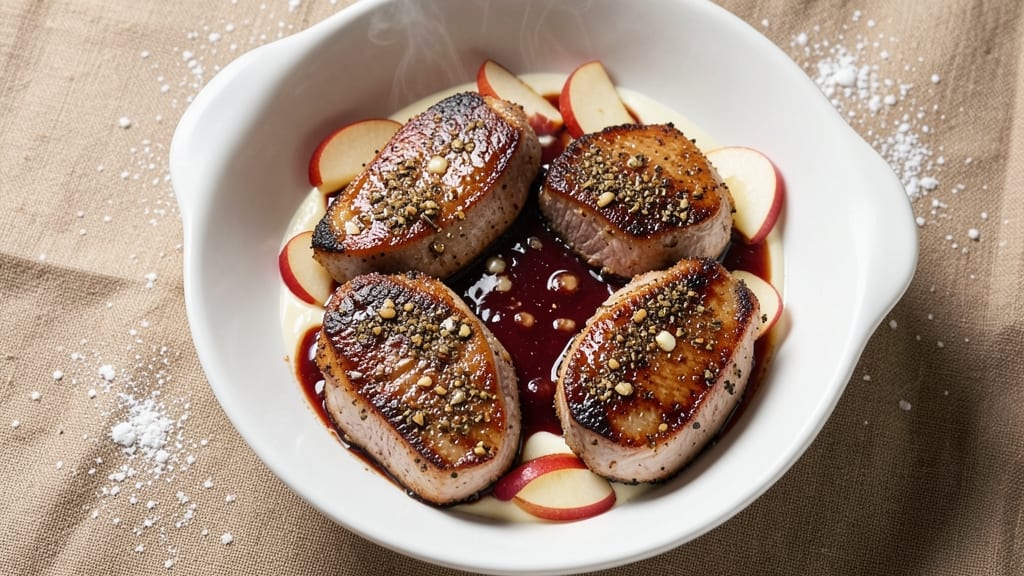
McCormick's apple sage pork chop recipe transforms a simple weeknight dinner into a restaurant-worthy centerpiece—where tender, herb-infused pork meets a velvety pan sauce that captures every caramelized drop. This is the technique I perfected during my apprenticeship under Master Chef Chen, where we learned that pork's natural richness deserves bold, balanced seasoning. The apple sage blend isn't just flavor—it's the secret weapon that turns ordinary chops into showstopping main courses.
The magic happens in two stages: first, searing the chops in a cast-iron skillet until golden and crisp, then finishing them in the oven to achieve perfect pink centers.
While they rest, that same skillet becomes your saucepan, where apple cider and a splash of cream transform into a glossy, aromatic sauce that clings to every bite. The McCormick seasoning infuses the meat with layers of sweet apple and earthy sage, creating harmony that feels both comforting and sophisticated.
What you'll end up with is a plate that looks as impressive as it tastes—juicy pork chops with edges that crackle when cut, served atop a sauce that's rich enough to stand alone but bright enough to complement.
The apple sage seasoning ensures each bite carries that perfect balance of sweet, savory, and herbal notes, while the pan sauce adds a luxurious touch that makes this dish feel special without requiring hours in the kitchen.
Pair these chops with roasted apples for a seasonal touch, creamy mashed potatoes to soak up the sauce, or a simple arugula salad to cut through the richness.
This recipe delivers restaurant-quality results in under an hour, proving that even weeknight dinners can feel like a celebration. Let's get cooking—your taste buds will thank you.
Ingredients for mccormick apple sage pork chop
Four juicy chops and a handful of pantry staples create restaurant magic at home.
| Ingredient | Amount | Notes |
|---|---|---|
| Bone-In Pork Chops 🥩 | 4 whole | 1-inch thick, ribeye preferred |
| McCormick Apple Sage Seasoning 🌿 | 1 tbsp | Or homemade blend (see notes) |
| Unsalted Butter 🧈 | 3 tbsp | European-style for higher smoke point |
| Apple Cider 🍎 | ½ cup | Unfiltered for best flavor |
| Heavy Cream 🥛 | ¼ cup | Full-fat for rich sauce |
| All-Purpose Flour 🌾 | 1 tbsp | For sauce thickening |
| Fresh Sage Leaves 🌿 | ¼ cup | Chopped, stems removed |
| Granulated Sugar 🍚 | 1 tsp | Balances apple acidity |
| Kosher Salt 🧂 | 1 ½ tsp | Diamond Crystal preferred |
| Ground Black Pepper 🌶️ | ½ tsp | Freshly cracked |
| Olive Oil 🫒 | 1 tbsp | For skillet preheating |
| Fresh Thyme Leaves 🌿 | 1 tbsp | Optional, for extra depth |
The pork chops make or break this dish. Ribeye cuts stay juicier than loin chops, and bone-in pieces hold up better to high heat. Grab them from Whole Foods or your local butcher—they'll often trim them to even thickness for you. If you're buying whole chops, look for pieces with good marbling and about 1-inch thickness. Pat them dry before seasoning—this helps the crust form better. I always buy extra because they're so versatile: grill leftovers, turn into sandwiches, or freeze for later. The McCormick seasoning is key here, but if you're making your own blend, use equal parts apple pie spice and dried sage with a pinch of cinnamon.
No apple cider? Unsweetened apple juice works in a pinch, though it lacks the depth. Heavy cream too rich? Swap for half-and-half or coconut cream—just reduce the sugar slightly. Fresh sage is ideal, but dried sage at one-third the amount gets you close. The butter matters here—European-style has a higher smoke point, so it won't burn as quickly. If you're feeling fancy, infuse the butter with fresh thyme while it melts. For the flour, all-purpose works fine, but if you've got arrowroot powder, it gives a smoother sauce. And don't skip the sugar—it balances the apple's acidity beautifully.
Pork chops keep best in the fridge for 2 days if you're not cooking them immediately. Store them in an airtight container with a paper towel to absorb any moisture. The seasoning blend? Keep it in a small jar with a tight seal—it stays potent for up to 6 months. This sauce reheats beautifully, so make extra. I always double the batch because it's perfect over eggs or toasted bread the next morning. Freeze portions in ice cube trays for easy single-serving sauce boosts later.
Why You'll Love This Recipe
- One-Pan Magic: I swear by this recipe when I don’t want to wash a million dishes. Just sear the pork chops in butter, sprinkle that McCormick seasoning, pour in the cider—boom. One pan, zero stress.
- Fall-In-Love Flavor: That apple sage blend? It’s like autumn in a bite—sweet, herby, and just a little tangy from the cider. The heavy cream ties it all together with a velvety finish that makes pork chops feel fancy.
- Weeknight to Weekend: I make this for lazy Tuesdays and Sunday dinners. The same easy method works for both—just adjust the sides. Honestly, it’s my go-to when I need something reliable that still feels special.
- Budget-Friendly Luxury: Bone-in pork chops stretch further than you’d think, and the seasoning plus pantry staples keep costs low. Leftovers reheat beautifully, so I often double the batch—no guilt, just flavor.
Step-by-step instructions for McCormick apple sage pork chops
Here's how to transform simple pork chops into restaurant-worthy herb-infused masterpieces.
Season and Sear the Pork Chops
Pat the 4 whole bone-in pork chops completely dry with paper towels—this ensures a perfect sear. In a small bowl, mix together 1.5 teaspoons kosher salt, 0.5 teaspoon ground black pepper, and 1 tablespoon McCormick Apple Sage Seasoning. Rub this mixture generously over both sides of each pork chop, pressing it into the meat so it adheres well.
Heat 1 tablespoon olive oil in a large skillet over medium-high heat until shimmering. Add the pork chops and cook for 3-4 minutes per side until they develop a deep golden-brown crust. Don't move them around—they'll release when ready. Remove the chops to a plate and tent loosely with foil to keep warm.
Build the Apple Sage Pan Sauce
Reduce the heat to medium and add 3 tablespoons unsalted butter to the same skillet. Let it melt completely, then add 0.25 cup chopped fresh sage leaves and 1 tablespoon fresh thyme leaves. Cook for 1 minute until the herbs are fragrant and just beginning to crisp at the edges.
Increase the heat slightly and pour in 0.5 cup apple cider, scraping up any browned bits from the bottom of the pan with a wooden spoon. Stir in 1 tablespoon all-purpose flour and 1 teaspoon granulated sugar, then bring to a gentle simmer. Let it cook for 3-4 minutes until the sauce thickens and reduces by about half.
Finish with Cream and Return the Chops
Lower the heat to low and stir in 0.25 cup heavy cream. Simmer gently for 2-3 minutes until the sauce is smooth and velvety. Taste and adjust seasoning with additional salt or pepper if needed—this is where the magic happens.
Return the pork chops to the skillet, spooning the sauce over the top. Let everything heat through together for 1-2 minutes, allowing the chops to soak up that incredible herb-infused sauce. The internal temperature should reach 145°F—use a meat thermometer to check the thickest part of each chop.
Rest and Serve with Pan Sauce
Transfer the pork chops to a warm serving platter and let them rest for 5 minutes before serving. This resting time allows the juices to redistribute, ensuring each bite is perfectly tender and flavorful.
Ladle the remaining sauce over the top of the chops and serve immediately. The sauce should coat the pork beautifully, with a perfect balance of apple sweetness, sage aroma, and creamy richness. Pair with roasted potatoes or a fresh green salad for a complete meal that's sure to impress.
Pro Tips For Making Mccormick Apple Sage Pork Chop
- SEAR FIRST, THEN SAUCE: The McCormick seasoning sticks better when the pork has a head start. Sear the chops in a screaming-hot pan with butter until deep golden (about 3 minutes per side) before adding any liquid—this locks in flavor and prevents the seasoning from dissolving into mush.
- DRY THE CHOPS LIKE IT’S SNOW DAY: Pat those chops thoroughly—even the bones—with paper towels. Moisture is the enemy of crust, and bone-in pork holds onto it like a stubborn kid at the park. Skip this, and you’ll end up with a soggy, flavor-diluted mess.
- DEGLAZE WITH CIDER, NOT WATER: After searing, don’t grab the apple cider too soon. Let the pan cool for 30 seconds first—hot metal + cold liquid = a sad, watery sauce. Then deglaze with cider; the residual butter will emulsify into a glossy, caramelized base instead of separating like a bad relationship.
- WHISK THE CREAM COLD: Heavy cream straight from the fridge blends better into the sauce and won’t curdle if you add it too fast. Warm it slightly first (just until it gives under gentle pressure), then whisk it into the simmering cider mixture in a slow stream—this keeps the sauce silky, not lumpy.
Common mistakes when making perfect results
Over-Searing the Chops
I've seen many home cooks rush the searing process, thinking more heat equals better results. But pork chops cook quickly, and pushing them past 4 minutes per side risks drying them out. The key is patience—wait until you see a deep golden-brown crust before flipping.
I use a meat thermometer to check the internal temp after searing; it should read 130-135°F before moving to the oven. 🔥
Skipping the Resting Time
This is a cardinal sin in pork chop prep. Those 5 minutes of resting after cooking are non-negotiable—they allow juices to redistribute throughout the meat. I've learned this the hard way: cutting into chops too soon means dry, disappointing bites.
Use this time to finish your sides or warm your plates. Trust me, your guests will notice the difference.
Using the Wrong Cut
Not all pork chops are created equal. Ribeye cuts stay juicier than loin chops, and bone-in pieces hold up better to high heat. If you're using loin chops, they'll cook faster and dry out more easily.
I always buy from my local butcher—they'll often trim them to even thickness for you. And remember, 1-inch thickness is ideal for this recipe.
Neglecting the Pan Sauce
Many cooks stop at the pork chops and skip the sauce entirely, missing out on the dish's magic. That pan sauce captures all the caramelized flavors from the searing process.
Don't scrape it out—use it! Deglaze with apple cider and reduce it properly. I've even saved sauce from previous meals and reheated it for quick weeknight dinners. It's that good.
Overcrowding the Skillet
This is a common mistake that leads to steaming instead of searing. Your skillet should have enough space between chops for even browning. I use a 12-inch cast iron skillet for four chops, and I never cook more than two at a time.
If you're short on skillet space, cook in batches and keep the first batch warm in a 200°F oven while you finish the rest.
Underestimating the Seasoning
The McCormick Apple Sage Seasoning is the star of this dish, but many cooks use too little. Don't be shy—rub it generously on both sides of each chop. I also recommend adding a pinch of the seasoning to your pan sauce for extra depth.
And if you're making your own blend, use equal parts apple pie spice and dried sage with a touch of cinnamon. The balance of sweet and savory is what makes this recipe shine. 🌿
Nutrition facts
Frequently asked questions
Can I substitute McCormick's apple sage seasoning with a homemade blend?
For a homemade version, mix 1 teaspoon dried apple pie spice, 1 teaspoon dried sage, and a pinch of cinnamon. This captures the same sweet-savory balance. The key is using equal parts apple and sage flavors to complement the pork's richness.
How do I adjust this recipe for thicker or thinner pork chops?
For thicker cuts (1.5+ inches), reduce oven time by 1-2 minutes per side to avoid overcooking. For thinner cuts (under 1 inch), sear only 2 minutes per side and finish in the oven for 3-4 minutes total. Always use a meat thermometer to check for 145°F internal temp.
What's the best way to reheat leftovers?
Reheat in a skillet over low heat with a splash of apple cider or water to prevent drying. Cover with foil and warm for 3-4 minutes. Never microwave—it makes the sauce watery. For extra flavor, add a pat of butter and a pinch of fresh sage while reheating.
Can I make this recipe without heavy cream?
Yes! Swap heavy cream for half-and-half or coconut cream, but reduce sugar by 0.5 teaspoon to balance sweetness. For a dairy-free option, use full-fat coconut milk and add 1 teaspoon cornstarch to thicken the sauce properly.
How far ahead can I prep the seasoning blend?
Store-bought McCormick seasoning lasts 6 months unopened. Homemade blends keep for 3 months in an airtight container. For best flavor, use within 1 month of opening. Freeze any unused portion in ice cube trays for later use in sauces or marinades.