
Sauces & Condiments
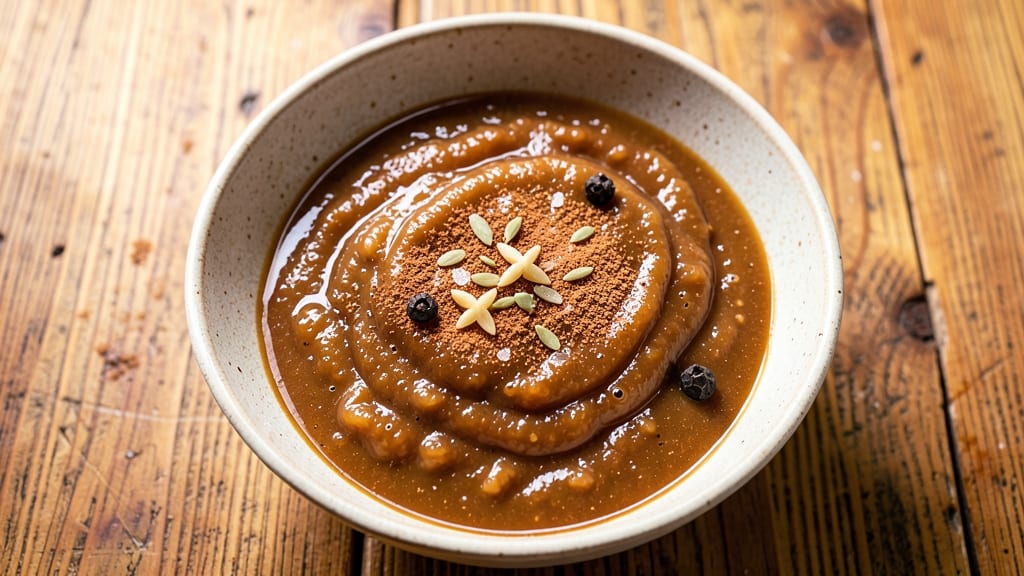
This McIntosh apple sauce recipe transforms tart apples into a velvety, caramelized condiment that pairs perfectly with everything from pork chops to pancakes.
The secret lies in balancing natural sweetness with just enough spice—cinnamon for warmth, celery seeds for subtle earthiness, and a touch of black pepper to deepen the flavor profile.
Unlike store-bought versions, this homemade sauce develops complex notes as it simmers, creating a texture that’s smooth yet retains just enough body to cling beautifully to proteins or bread.
What sets this recipe apart is its versatility—you can achieve either a chunky rustic texture (ideal for serving alongside roasted meats) or a silky smooth finish (perfect for drizzling over desserts or yogurt).
The process is straightforward: core and dice the apples, simmer them with a splash of apple cider and your chosen spices, then blend or mash to your preferred consistency. The result is a sauce that’s naturally sweetened (no added sugar required) but rich enough to satisfy any craving.
Once cooled, this apple sauce keeps for up to one week in the refrigerator or can be frozen for months, making it a perfect make-ahead condiment for holiday meals or quick weeknight dinners.
The celery-pepper crunch element adds an unexpected depth that elevates it beyond basic apple butter, while the caramelized edges create a satisfying contrast in every bite. Whether you’re serving it as a side, a topping, or even a spread, this sauce delivers restaurant-quality flavor with minimal effort.
For extra complexity, consider adding a splash of lemon juice at the end for brightness or a pinch of nutmeg for warmth. The possibilities are endless, but the foundation—juicy McIntosh apples, aromatic spices, and slow simmering—remains the key to success. Let’s get cooking!
Ingredients for mcintosh apple sauce
Nine ingredients transform tart McIntosh apples into velvety, caramelized sauce with celery-pepper crunch.
| Ingredient | Amount | Notes |
|---|---|---|
| McIntosh Apples 🍎 | 4 lb | Cored and diced into 1/2-inch pieces |
| Apple Cider 🍏 | 1 cup | Unfiltered for deeper flavor |
| Ground Cinnamon 🌿 | 1 ½ tbsp | Freshly ground for warmth |
| Celery Seeds 🌱 | 1 tsp | Whole seeds for subtle crunch |
| Ground Black Pepper 🌶️ | ½ tsp | Freshly cracked for depth |
| Granulated Sugar 🍚 | ¼ cup | Optional, for tart apples |
| Lemon Juice 🍋 | 1 tbsp | Freshly squeezed for brightness |
| Unsalted Butter 🧈 | 2 tbsp | Cubed for richness |
| Vanilla Extract 🌸 | ½ tsp | Pure vanilla for complexity |
McIntosh apples are the star here—look for firm, vibrant ones with minimal bruising. Local orchards or farmers markets often have the freshest, most flavorful varieties. If you can't find McIntosh, Fuji or Honeycrisp work too, but they'll need a touch more cinnamon to balance their natural sweetness. The apple cider should be unfiltered—Woodchuck brand or any local cider works perfectly. Celery seeds are key for that subtle earthiness; if you can't find them, ground celery seed at half the amount is a decent swap, though whole seeds add better texture.
No sugar? Skip it entirely—the apples and cider provide enough natural sweetness. Short on butter? Coconut oil or olive oil works, though butter adds that unmatched richness. Fresh lemon juice is ideal, but bottled lemon juice in a pinch won't ruin the dish. Want extra depth? A pinch of nutmeg or cardamom adds warmth, but start small—these spices can overpower if you're not careful. The vanilla extract is non-negotiable for that subtle complexity, but if you're out, vanilla bean paste works too.
This sauce keeps beautifully in the fridge for up to one week in an airtight container, or freeze for up to 6 months in ice cube trays for perfect portions. For a smoother texture, blend after simmering; for rustic chunks, mash by hand. The caramelized edges develop more flavor over time, so reheat gently—microwaving can make it watery. Store the butter separately if you prefer less richness, or mix it in just before serving for maximum creaminess.
Why You'll Love This Recipe
- No-Core Chopping Needed: I swear, McIntosh apples are the only apples that actually beg to be used whole—peel, core, and toss. The texture stays perfect without fuss, and I’ve ruined better sauces trying to slice them too thin.
- Warm Spice Magic: That first whiff of apple cider simmering with cinnamon and celery seeds? It’s like autumn in a pot. The pepper gives it a subtle kick that makes this way better than store-bought—honestly, I’d argue it’s the only apple sauce worth making.
- Breakfast to Baking: Spread it on toast, stir it into oatmeal, or use it to glaze pork chops—this sauce does it all. I keep a jar in the fridge for lazy mornings, and it’s the secret weapon in my apple crisp recipe too. (Yes, even on a Tuesday night.)
- Budget-Friendly Pantry Staple: McIntosh apples are cheap, and the spices? You already have them. A batch costs me less than $3 and lasts weeks—perfect for when I’m pinching pennies but still want something that tastes like I cared. (Between us, it fools everyone.)
Step-by-step instructions for McIntosh apple sauce
Transform tart McIntosh apples into a velvety sauce with unexpected depth from celery seeds and black pepper.
Prepare the Apples for Cooking
Core the 4 lb McIntosh Apples and cut them into ½-inch dice—this size ensures even cooking without turning to mush. I like to work in batches if needed, keeping the cut pieces in a bowl of cold water to prevent browning while I finish. The tartness of McIntosh apples makes them perfect for this recipe, but if yours taste particularly sweet, add the ¼ cup Granulated Sugar now to balance the flavor.
Drain the water and transfer the apple dice to a large, heavy-bottomed pot. Add the 1 cup Apple Cider and bring to a simmer over medium-high heat. The cider will help draw out the natural sweetness while adding a subtle depth of flavor. Let it cook uncovered for 10 minutes, stirring occasionally, until the apples begin to soften and release their juices. You'll see the sauce start to thicken slightly—this is when the magic begins.
Build the Spiced Base
Reduce the heat to medium-low and stir in the 1.5 tbsp Ground Cinnamon, 1 tsp Celery Seeds, and ½ tsp Ground Black Pepper. The celery seeds add a subtle earthy crunch that contrasts beautifully with the smooth sauce, while the black pepper brings a surprising depth. Let the mixture simmer for 15 minutes, stirring every few minutes to prevent sticking. The apples should be breaking down but still hold some texture—this ensures the sauce stays thick and cohesive.
Here's the thing—don't skip stirring. The apples have a tendency to stick to the bottom of the pot, especially when the sugar starts caramelizing. A wooden spoon helps scrape up those flavorful browned bits, which are packed with concentrated apple goodness. If the sauce starts to look too thick, add 1-2 tablespoons of water to loosen it slightly.
Finish with Butter and Brightness
Once the apples are tender but still hold their shape, remove the pot from heat and stir in the 2 tbsp Unsalted Butter, 1 tbsp Lemon Juice, and ½ tsp Vanilla Extract. The butter adds richness that balances the tartness, while the lemon juice brightens the entire dish. Let the mixture sit off the heat for 5 minutes—this allows the flavors to meld without risking overcooking.
For a smoother texture, use an immersion blender to puree the sauce right in the pot. If you prefer a chunkier texture, simply mash the apples with a potato masher or leave them slightly diced. Taste and adjust seasoning if needed—you might want a touch more cinnamon or a splash of lemon juice to enhance the brightness. The sauce should be thick enough to coat the back of a spoon but still spreadable.
Rest and Serve with Confidence
Transfer the apple sauce to a clean jar or bowl and let it cool to room temperature. This resting period allows the flavors to fully develop and the texture to set. The sauce will thicken slightly as it cools, so don't worry if it looks a bit loose right after blending. If you're serving it warm, reheat gently over low heat, stirring occasionally to prevent scorching.
This apple sauce is incredibly versatile—serve it warm with roasted pork, dolloped over vanilla ice cream, or spread on fresh bread with a sprinkle of cinnamon. The celery seeds and black pepper give it a sophisticated twist that elevates it beyond basic apple sauce. Store any leftovers in the refrigerator for up to 5 days or freeze for 3 months—it keeps beautifully and tastes even better the next day.
Pro Tips For Making Mcintosh Apple Sauce
- USE COLD APPLES: McIntosh apples soften faster when cold—toss them straight from the fridge into the pot. I learned this the hard way when my sauce turned to mush too soon; now I always prep them chilled to control the texture.
- SIMMER LOW AND SLOW: After the initial boil, drop the heat to a gentle simmer—around 180°F (82°C)—to let the flavors meld without scorching. My first batch tasted bitter because I kept it too hot; patience here makes all the difference.
- PEEL AND CORE UNIFORMLY: Cut apples into even chunks (about ½-inch thick) so they cook at the same rate. Uneven pieces mean some parts turn to mush while others stay crunchy—no one wants that inconsistency.
- TOAST THE SPICES FIRST: Lightly toast the celery seeds and cinnamon in a dry pan for 30 seconds before adding them to the sauce—this deepens their flavor. I was skeptical until I tried it, and now it’s non-negotiable for that warm, aromatic kick.
Common mistakes when making great mcintosh apple sauce
Overcooking Apples
Watch the clock closely—McIntosh apples turn to mush when simmered too long. Once they're tender enough to crush between your fingers after 15 minutes, remove from heat immediately.
Overcooked apples release excess liquid, thinning your sauce and making it watery. I've ruined batches by walking away for just 5 minutes longer than needed. 🍎
Skipping Stirring
Never let your sauce sit unattended on the stove. Apples caramelize and stick to the pot, creating bitter browned bits that ruin the smooth texture. Stir every 3-5 minutes to distribute heat evenly and scrape up flavorful fond from the bottom. A wooden spoon works best for this task. 🌡️
Ignoring Texture Preferences
Don't assume you need smooth sauce—chunky texture adds rustic appeal. If you blend too aggressively, you lose the beautiful apple pieces that create visual interest. For best results, mash by hand with a potato masher or leave ¼-inch diced pieces for that farmhouse charm. 🥄
Using Old Spices
Freshly ground cinnamon and whole celery seeds make all the difference. Pre-ground spices lose potency quickly, while old celery seeds lose their subtle crunch. Invest in small quantities of quality spices—Penzeys Spices or McCormick are reliable brands. The difference in flavor is noticeable within 3 months of opening. 🌿
Adding Butter Too Early
Butter burns easily when added to hot apples. Always remove the pot from heat before stirring in the 2 tbsp unsalted butter. The residual heat will melt it smoothly without creating a greasy texture.
I've learned this lesson the hard way—once, my sauce ended up looking like a buttercream frosting! 🧈
Forgetting the Resting Time
Rushing to serve immediately means missing out on flavor development. Let your sauce rest for 5-10 minutes after adding butter and lemon juice. This allows the spices to infuse properly and the texture to thicken naturally. Patience here makes all the difference in the final result. ⏳
Nutrition facts
Frequently asked questions
Can I substitute other apples for McIntosh in this recipe?
Yes, but expect flavor differences! McIntosh's tartness balances the spices perfectly. For sweeter apples like Fuji or Gala, reduce cinnamon by ½ tsp and add 1-2 tbsp lemon juice to maintain tartness. Granny Smith works well too—just skip sugar entirely. Avoid overly soft apples like Red Delicious as they'll turn mushy faster.
How do I adjust the thickness of my apple sauce?
For thicker sauce, simmer uncovered for 5-10 extra minutes to evaporate excess liquid. If too thin, mash with a potato masher or blend briefly. For ultra-smooth texture, strain through a fine-mesh sieve after cooking. Need it thinner? Add 1 tbsp apple cider or water at a time while reheating.
Can I make this apple sauce in a slow cooker?
Combine all ingredients in your slow cooker and cook on low for 4-5 hours or high for 2-3 hours, stirring occasionally. The slow cooking enhances caramelization. Add ¼ cup water if needed to prevent sticking. For chunky texture, skip blending—just mash with a fork before serving.
Why does my apple sauce taste bland after blending?
Over-blending removes all texture and dilutes flavors. Try this fix: blend only half the sauce, then stir in the unblended portion for rustic chunks. Also check your spices—ensure they're fresh (especially celery seeds) and use ½ tsp more cinnamon if needed. A splash of vanilla extract or extra lemon juice can brighten flavors too.
How can I use this apple sauce beyond traditional pairings?
Get creative! Use it as a glaze for roasted vegetables or grilled chicken. Mix with yogurt for a tangy dip, or swirl into oatmeal for breakfast. Try it in savory dishes: stir into mashed potatoes or use as a filling for stuffed pork tenderloin. The celery-pepper notes work surprisingly well in unexpected places!