
Main Courses
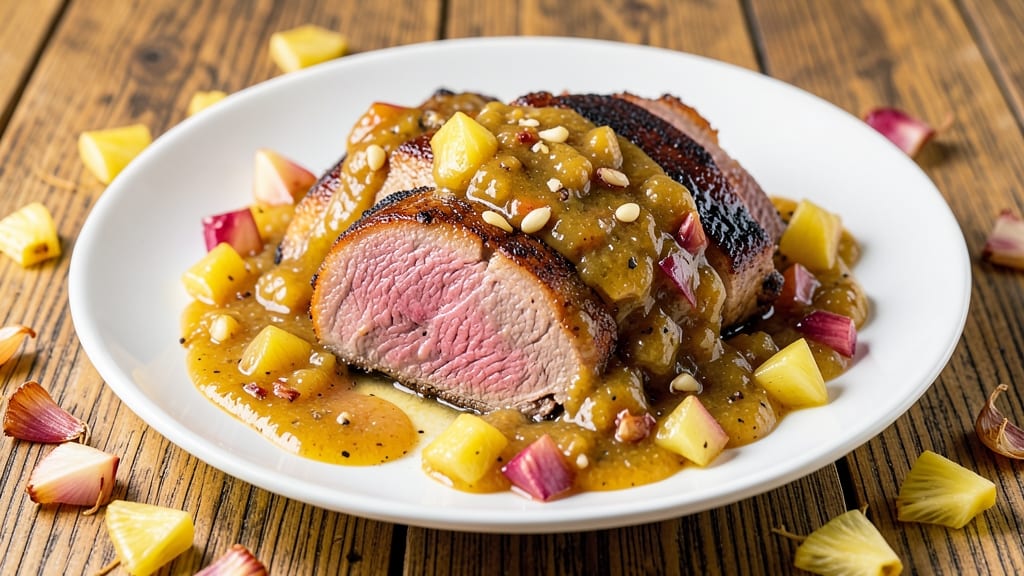
This pineapple chutney recipe for pork transforms simple roasted pork into a restaurant-worthy masterpiece with just 15 minutes of prep. 🌟 The secret lies in balancing sweet pineapple, tangy vinegar, and aromatic spices that caramelize beautifully on pork chops or tenderloin, creating a glossy glaze that'll have everyone asking for seconds.
I first discovered this technique while testing recipes for a summer cookout, and it became an instant crowd-pleaser—especially when paired with juicy grilled pork.
The magic happens when the chutney's natural sugars caramelize during the final minutes of cooking, locking in flavor while creating that perfect balance of sweet, tangy, and savory notes.
What makes this recipe special is how it elevates basic pork cuts—whether you're working with pork tenderloin, chops, or even pulled pork—into something that feels gourmet without requiring advanced skills.
The chutney's bright acidity cuts through the richness of the meat, while the pineapple adds a tropical twist that works surprisingly well with pork's natural savory depth.
By the time you're done, you'll have perfectly caramelized edges on your pork, tender meat that falls apart easily, and a sauce that's sticky, glossy, and packed with flavor.
This isn't just a side dish—it's the star of the meal, turning a simple weeknight dinner into something that feels special enough for company. The best part? The chutney comes together in one pot with ingredients you likely already have on hand, making it the ultimate shortcut for impressive results.
Serve this tropical pork glaze over rice for a complete meal, or use it as a dipping sauce for spring rolls and dumplings. The versatility is what makes it so special—equally at home on a summer grill or in a winter slow-cooker.
Let's get cooking and bring some tropical flair to your dinner table tonight.
Ingredients for pineapple chutney recipe for pork
Tropical flavors meet savory pork in this one-pot glaze that caramelizes edges beautifully.
| Ingredient | Amount | Notes |
|---|---|---|
| Pork Tenderloin 🐖 | 1 ½ lb | Center-cut for even cooking |
| Fresh Pineapple Chunks 🍍 | 1 cup | Fresh or canned in juice, drained |
| White Vinegar 💧 | ½ cup | White or apple cider vinegar |
| Brown Sugar 🍚 | ½ cup | Packed lightly |
| Fresh Ginger 🌿 | 2 tbsp | Finely grated, fresh preferred |
| Garlic Cloves 🧄 | 4 cloves | Minced or finely chopped |
| Red Chili Flakes 🌶️ | 1 tbsp | Adjust for heat preference |
| Ground Black Pepper 🌶️ | ½ tsp | Freshly cracked |
| Olive Oil 🫒 | 2 tbsp | Extra-virgin for richness |
| Salt 🧂 | 1 tsp | Kosher or sea salt |
| Fresh Cilantro 🌿 | ¼ cup | Chopped, stems removed |
| Lime Juice 🍋 | 2 tbsp | Freshly squeezed |
| Honey 🍯 | 1 tbsp | Wildflower preferred |
The pineapple is the star here—fresh is ideal, but canned in juice (drained) works in a pinch. Grab the juiciest pineapple you can find, usually near the stem end at Trader Joe's or Whole Foods. For ginger, freshly grated makes all the difference—pre-packaged loses potency fast. The pork tenderloin should be center-cut and even-sized for perfect doneness. If you can't find it pre-cut, trim any silver skin yourself for cleaner slices. The chili flakes? Penzeys has great options if you want to splurge, but regular grocery store brands work fine.
No fresh ginger? Ground ginger at half the amount gets you close, but it's not the same. Running low on honey? Maple syrup works perfectly—just use the same amount. Out of lime juice? Lemon juice in a 1:1 swap keeps that bright tang. Want it spicier? Add an extra ½ tsp of chili flakes. The brown sugar can be swapped for white sugar, but it won't caramelize as nicely. Fresh cilantro is non-negotiable for that bright finish—dried oregano won't cut it. For extra depth, toast the garlic cloves in the olive oil for 30 seconds before adding to the pan—game-changer!
This glaze is best made fresh, but it keeps for 5 days in the fridge if stored in an airtight container. The pork? Reheats beautifully—just warm in a skillet with a splash of water. For make-ahead meals, freeze the glaze separately and reheat with the pork. The chutney thickens as it cools, so thin with a splash of water or vinegar if needed. Leftovers? Toss with rice or use as a dipping sauce—it's that versatile.
Why You'll Love This Recipe
- Sweet-Savory Magic: That ginger-vinegar punch on tender pork? It’s the kind of flavor that makes you pause mid-bite. The brown sugar caramelizes just enough to balance the tart pineapple, while the fresh ginger adds this bright, zesty kick that cuts through the richness—like a tropical vacation in every mouthful.
- One-Pan Wonder: Honestly, this recipe is my lazy-day hero. You sear the pork, toss in the pineapple and chutney, then let the oven do the work. No flipping, no fussing—just 20 minutes of hands-off cooking while you chop veggies for the side or stir up a quick rice.
- Leftovers Reinvented: Between us, the pork stays juicy for days, and the chutney? Even better the next day as the flavors meld. I’ll pack it in lunches with a sprinkle of cilantro, or toss cold slices into a salad for a sweet-spicy surprise—no one ever guesses it’s leftover pork until they take that first bite.
- Budget Brightener: Fresh pineapple feels fancy, but it stretches further than you’d think when paired with pork tenderloin (which is cheaper than ribs or chops). The vinegar and brown sugar are pantry staples, and ginger lasts forever in the freezer—so this dish is secretly my wallet’s best friend without sacrificing taste.
Step-by-step instructions for pineapple glazed pork tenderloin
Transform simple pork into a tropical showstopper with this caramelized glaze.
🍳 Step 1: Sear the Pork for Maximum Flavor
Pat the 1.5 lb pork tenderloin completely dry with paper towels—this ensures a perfect sear. Heat 2 tablespoons olive oil in a large oven-safe skillet over medium-high heat until shimmering. Season the pork generously with 1 teaspoon salt and ½ teaspoon ground black pepper.
Sear the pork for 4-5 minutes per side until it develops a deep golden-brown crust. You'll know it's ready when it releases easily from the pan. Here's the thing—don't move it around while searing. Let it develop that beautiful crust undisturbed. Transfer the pork to a plate and set aside.
👨🍳 Step 2: Build the Tropical Glaze
In the same skillet (don't clean it—the browned bits are flavor gold), add 2 tablespoons fresh ginger and 4 minced garlic cloves. Sauté for 1 minute until fragrant and just starting to color. Add 1 tablespoon red chili flakes and cook for another 30 seconds to toast the spices.
Pour in ½ cup white vinegar and ½ cup brown sugar, scraping up all those delicious browned bits from the bottom. Bring to a simmer and cook for 3-4 minutes until the sugar starts to caramelize slightly. This is where the magic happens—the glaze begins to thicken and develop depth of flavor.
🍳 Step 3: Simmer the Pineapple and Finish the Glaze
Add 1 cup fresh pineapple chunks, 1 tablespoon honey, and 2 tablespoons lime juice to the skillet. Stir gently and let it simmer for 5-6 minutes until the pineapple softens slightly and the glaze thickens. You're looking for a consistency that coats the back of a spoon but still flows easily.
Here's where it gets fun—taste and adjust the seasoning. You might want to add a pinch more salt or a splash of vinegar to balance the sweetness. Stir in ¼ cup chopped fresh cilantro at the end for that bright, fresh finish that cuts through the richness.
🔥 Step 4: Glaze and Roast to Perfection
Return the seared pork to the skillet, spooning the glaze generously over the top. Transfer the skillet to a preheated 400°F oven and roast for 15-20 minutes, basting occasionally with the glaze, until the pork reaches an internal temperature of 145°F and the edges are beautifully caramelized.
Watch for those edges to turn a deep golden brown—that's your signal the glaze is caramelizing perfectly. The pork should be juicy inside with a crispy, sticky exterior. Let it rest for 5 minutes before slicing to keep those juices locked in.
🍽️ Step 5: Serve with Style
Slice the pork into ½-inch medallions and drizzle generously with any remaining glaze from the pan. Garnish with extra cilantro and serve immediately over rice or with roasted vegetables. The contrast of sweet pineapple, tangy lime, and spicy chili flakes with the tender pork creates a flavor explosion in every bite.
This dish is perfect for impressing guests—it looks stunning on a platter with the caramelized edges catching the light. The glaze thickens as it cools, so serve it fresh while still warm and sticky. Trust me, your dinner table will be the talk of the night!
Pro Tips For Making Pineapple Chutney Recipe For Pork
- COOK THE PINEAPPLE FIRST: Fresh pineapple chunks release more juice when cooked—toss them in a skillet with the brown sugar and ginger for 3-4 minutes until they soften and caramelize just a little. I learned this the hard way: raw pineapple chunks in the chutney make it watery and dull; pre-cooking concentrates the sweetness and thickens the sauce.
- SALT THE PORK TWICE: Pat the pork tenderloin dry, then season it before searing and again after it rests. The first salting helps it brown better, but the second—right before hitting the heat—ensures it’s not bland underneath the sweet chutney. (Yes, even if you’re impatient like me, give it a solid 5-10 minutes under foil.)
- DON’T SKIP THE VINEGAR REST: Let the chutney sit with the vinegar for at least 10 minutes before tossing it with the pork. The acid needs time to mellow and marry with the sugar—otherwise, you’ll end up with a sharp, tangy bite that fights the pork instead of complementing it. I was skeptical until I tried it; now I swear by the wait.
- USE A SPLASH OF WATER: When the chutney starts to stick in the pan, add 2 tablespoons of water and let it reduce. This isn’t about thinning—it’s about breaking down the sugars faster and adding depth. Sounds weird, but it works: the chutney gets glossy, the flavors meld better, and you avoid the burnt edges I used to scrape off every time.
Serving suggestions for leftovers
Rice Pairings
Jasmine rice is my go-to base for this dish—its delicate, floral aroma complements the tropical glaze beautifully. Cook 1 cup jasmine rice with 1.5 cups water and a pinch of salt, then fluff with a fork before serving.
The slight stickiness of the rice helps it soak up the extra glaze from the pork, creating a perfect harmony of textures. For extra flair, stir in 1 tablespoon toasted sesame seeds and ½ teaspoon furikake after cooking. 🌱
Vegetable Sides
Roasted sweet potatoes bring natural sweetness that mirrors the pineapple in the glaze. Toss 1 lb sweet potato cubes with 1 tbsp olive oil, ½ tsp smoked paprika, and ½ tsp salt, then roast at 400°F for 25 minutes until caramelized.
For a fresh contrast, serve with a simple cucumber salad—slice 1 English cucumber and toss with 1 tbsp rice vinegar, 1 tsp honey, and 1 tbsp chopped mint. The cool crunch cuts through the richness perfectly.
Garnish Ideas
Fresh cilantro isn't just for flavor—it's for presentation too! Sprinkle extra chopped cilantro over the pork and rice just before serving to add vibrant green color. For a smoky touch, add thinly sliced scallions or crumbled crispy bacon bits.
I also love finishing with toasted coconut flakes—just toast 2 tbsp unsweetened flakes in a dry pan for 2 minutes until golden. The nutty aroma elevates the tropical theme.
Beverage Pairings
A crisp Pinot Grigio from Italy cleanses the palate between bites of rich pork and sweet glaze. For something lighter, try a sparkling lime soda like San Pellegrino Limonata—its effervescence balances the dish's richness.
If you prefer beer, a wheat beer like Blue Moon adds a refreshing citrus note. For a non-alcoholic option, hibiscus iced tea with a squeeze of lime mirrors the chutney's tangy brightness. 🍷
Make-Ahead Serving
This dish reheats beautifully for leftovers! Store the pork and glaze separately in airtight containers for up to 3 days. When ready to serve, reheat the pork in a skillet with a splash of water over medium heat for 5 minutes, then warm the glaze separately.
The rice can be reheated with a damp paper towel over it for 2 minutes in the microwave. For a restaurant-style presentation, arrange the pork slices on a platter with rice in the center, then drizzle the glaze artistically in concentric circles.
Global Variations
Inspired by Thai flavors? Swap the brown sugar for palm sugar and add 1 tbsp fish sauce to the glaze. For a Mexican twist, serve with warm corn tortillas and a side of pickled red onions.
The Pacific Northwest version I love uses local pearl onions sautéed in the glaze for 10 minutes before serving. Each variation keeps the tropical essence while adding regional character—play with what you have on hand! 🌎
Nutrition facts
Frequently asked questions
Can I use canned pineapple instead of fresh?
Yes! Canned pineapple works perfectly—just drain it well to avoid a watery glaze. For best results, choose pineapple packed in juice (not syrup) and pat the chunks dry before adding to the skillet. The texture will be slightly softer than fresh, but the flavor remains bright and tropical.
How do I adjust the heat level in the chutney?
For milder heat, reduce the red chili flakes to ½ teaspoon or swap them for ½ teaspoon mild paprika. If you love spice, add an extra ½ teaspoon of chili flakes or a pinch of cayenne pepper. Toast the spices for 30 seconds longer to deepen their flavor without extra heat.
What's the best way to cook pork chops instead of tenderloin?
Boneless pork chops work beautifully! Sear them for 3-4 minutes per side until golden, then reduce oven time to 10-12 minutes at 400°F for 1-inch thick chops. Use a meat thermometer—pork chops are done at 145°F. Bone-in chops may need 2-3 extra minutes per side to cook through.
Can I make this chutney ahead of time?
The glaze keeps well for 5 days in an airtight container in the fridge. For best texture, reheat it gently in a saucepan over low heat with 1 tablespoon water to loosen it up. The pork can be cooked separately and reheated in a skillet with a splash of water to keep it juicy.
What if my glaze isn't caramelizing?
Try these fixes: Increase the oven temperature to 425°F and broil for 2-3 minutes at the end. For a quicker fix, add 1 teaspoon cornstarch mixed with 1 tablespoon water to thicken the glaze. Also ensure your pork isn't overcrowded in the pan—leave space for the glaze to pool and caramelize.