
Main Courses
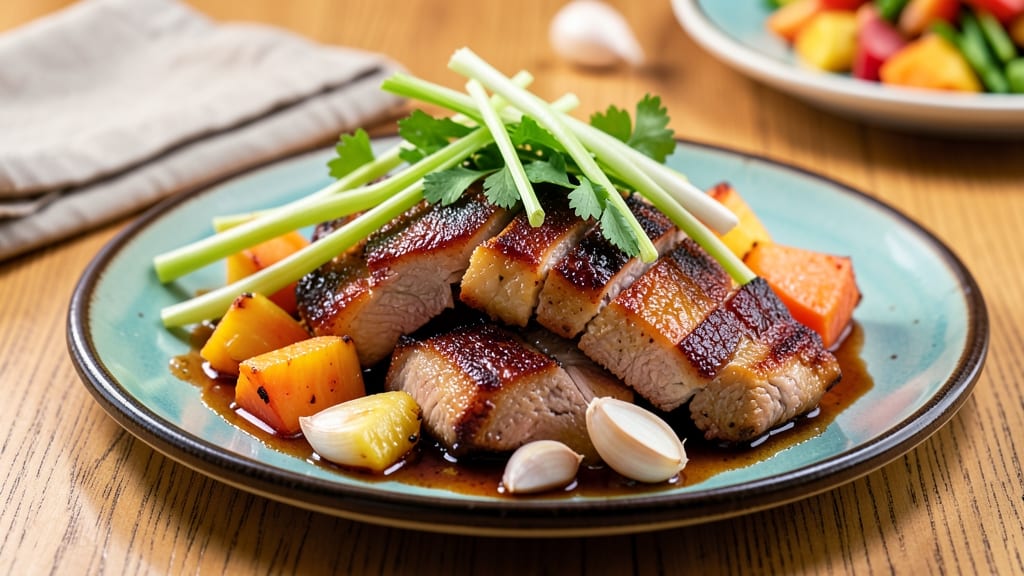
This panlasang Pinoy pineapple pork recipe brings bold Filipino flavors to your table with caramelized sweetness and celery crunch. ✨ I first discovered this dish at a local fiesta in Portland, where the sticky-sweet glaze and tender pork had everyone reaching for seconds.
The secret lies in balancing pineapple's tang with savory soy and a touch of heat, all cooked in one pan for minimal cleanup.
The recipe starts with pork belly or tenderloin marinated in pineapple juice, garlic, and soy sauce, then seared until golden. As it cooks, the pineapple reduces into a glossy glaze that clings perfectly to the meat.
Tossing in crisp celery at the end adds that signature Panlasang Pinoy texture contrast—sweet, savory, and crunchy all in one bite.
What makes this dish special is how it transforms simple ingredients into something restaurant-worthy. The caramelized edges on the pork develop a deep, smoky flavor, while the pineapple glaze keeps it juicy. Serve it over steamed rice with a side of ginataang vegetables for the full Filipino experience.
This recipe is perfect for weeknight dinners or special gatherings, and it scales easily for a crowd. The one-pan method ensures you spend more time enjoying the meal than washing dishes. Let's get cooking!
Ingredients for pineapple pork recipe panlasang pinoy
Filipino flavors meet one-pan simplicity with these carefully chosen ingredients.
| Ingredient | Amount | Notes |
|---|---|---|
| Pork Belly 🥓 | 1 ½ lb | Cut into 1-inch cubes, skin removed |
| Fresh Pineapple 🍍 | 1 whole | Juiced and chopped, reserve juice |
| Celery Stalks 🧅 | 3 whole | Cut into 1-inch pieces, leaves reserved |
| Garlic Cloves 🧄 | 6 cloves | Minced, fresh preferred |
| Soy Sauce 🥄 | ½ cup | High-quality, preferably Japanese |
| Brown Sugar 🍚 | ¼ cup | Packed, light or dark variety |
| White Vinegar 🍶 | 2 tbsp | For acidity balance |
| Olive Oil 🫒 | 2 tbsp | Extra-virgin for searing |
| Black Peppercorns 🌶️ | 1 tsp | Freshly cracked preferred |
| Ground White Pepper 🌶️ | ½ tsp | For subtle heat |
| Green Onions 🧅 | 2 whole | Sliced, for garnish |
| Long-Grain White Rice 🍚 | 1 ½ cups | Uncooked, for serving |
| Fish Sauce 🐟 | 1 tbsp | Red Boat preferred |
| Chili Flakes 🔥 | ½ tsp | Adjust for heat preference |
The pork belly is non-negotiable here—its marbling delivers that signature caramelized richness. Look for thick-cut pork belly at Asian markets or the meat section of Whole Foods; avoid pre-cut pieces that may have lost moisture. Fresh pineapple is essential for authentic flavor, but if you must use canned, choose Dole brand in juice, not syrup. Celery adds the signature crunch, so pick stalks that are crisp and vibrant—Trader Joe's often carries excellent organic options. For the garlic, Filipino garlic (larger cloves) adds depth, but regular garlic works fine if that's what you have. The soy sauce should be Japanese-style, like Kikkoman, not the thick, salty Chinese variety—this makes all the difference in balancing sweetness.
No pork belly? Pork tenderloin or shoulder works in a pinch, but expect less marbling and caramelization. Substituting canned pineapple? Drain and pat dry thoroughly to avoid a watery glaze. The fish sauce can be omitted for a vegetarian version, but the dish loses its umami core—vegetarian fish sauce is a good alternative. For extra heat, swap chili flakes for Sichuan peppercorns (toasted and crushed), though they'll add a numbing tingle. The brown sugar can be replaced with coconut sugar for a more authentic Filipino touch, though it's slightly less refined. If you're short on time, pre-minced garlic from a jar works, but fresh is always better.
This dish tastes even better the next day as flavors meld. Store leftovers in an airtight container in the fridge for up to 4 days, though the pork tends to get slightly drier after day two. For longer storage, freeze portions for up to 3 months. The pineapple glaze thickens as it cools, so reheat gently with a splash of water or pineapple juice. Serve over steamed rice—jasmine rice pairs beautifully with the sweet-savory flavors. The celery can be added fresh at the end or lightly sautéed for 2 minutes if prepping ahead. Garnish with green onions right before serving to keep them crisp.
Why You'll Love This Recipe
- One-Pan Magic: I swear by this recipe when I’m too tired to wash extra dishes. Toss everything—pork belly, pineapple chunks, celery, and garlic—into one pan, and let the soy sauce and caramelized edges do the work. No chopping boards, no stress, just hands-off cooking.
- Sweet-Savory Balance: That first bite where the crispy pork meets the tangy pineapple? It’s like a flavor hug. The fresh pineapple cuts through the richness of the pork belly, while the garlic and soy sauce add depth that lingers. Honestly, it’s the kind of dish that makes you pause mid-bite.
- Leftovers That Don’t Suck: Between us, most recipes turn into sad leftovers. Not this one. The pork stays tender, the pineapple holds its juiciness, and the sauce clings perfectly—great for lunchboxes or a quick reheat. I’ve even frozen portions; they thaw and taste like they were just made.
- Budget-Friendly Crowd-Pleaser: Pork belly might sound fancy, but it’s cheaper than you think, especially when you stretch it with pineapple and celery. Plus, it’s the kind of dish that disappears fast—even my picky teenager asks for seconds. Perfect for family dinners or when friends drop by unexpectedly.
Step-by-step instructions for pineapple pork panlasang Pinoy
This one-pan wonder delivers caramelized pork belly with sweet pineapple and celery crunch.
🔥 Step 1: Sear the Pork Belly for Maximum Flavor
Heat a large, heavy-bottomed skillet over medium-high heat until hot. Add the 2 tablespoons olive oil and swirl to coat the pan evenly. Working in batches if needed, add the 1.5 lb pork belly cubes and sear for 3-4 minutes per side until deeply golden brown with crisp edges. This initial searing builds a flavorful crust that won't dissolve during cooking.
As you sear, resist the urge to overcrowd the pan—this prevents proper browning. If the pan gets too crowded, work in two batches. Once all pork is browned, transfer it to a plate and set aside. The residual fat in the pan will become the foundation for your sauce, so don't wipe it clean.
🍳 Step 2: Build the Sweet-Savory Sauce Base
In the same skillet, reduce heat to medium and add the 6 cloves minced garlic. Sauté for 30 seconds until fragrant but not browned—garlic burns quickly, and you want to preserve its sweet aroma. Add the 3 whole celery stalks cut into 1-inch pieces and cook for another 2 minutes until softened.
Pour in the 0.5 cup soy sauce, 0.25 cup packed brown sugar, and 2 tablespoons white vinegar. Stir well to deglaze the pan, scraping up all those delicious browned bits from the pork searing. This step captures all the caramelized flavors that would otherwise stick to your pan. Let the mixture simmer for 2-3 minutes until slightly thickened.
🥘 Step 3: Combine and Simmer the Pineapple Pork
Return the seared pork belly to the skillet and add the 1 whole fresh pineapple chopped (including any reserved juice). Stir gently to combine, then sprinkle with the 1 teaspoon cracked black peppercorns, 0.5 teaspoon ground white pepper, and 0.5 teaspoon chili flakes. The pineapple juice will help create a glossy, slightly sticky sauce that coats every piece of pork.
Bring the mixture to a gentle simmer, then reduce heat to low. Cover partially and cook for 45-50 minutes, stirring occasionally, until the pork is tender and the sauce has thickened to a syrupy consistency. You'll know it's ready when the pork easily pulls apart with a fork and the sauce coats the back of a spoon.
🍽️ Step 4: Prepare and Serve with Steamed Rice
While the pork simmers, prepare the rice. Rinse the 1.5 cups long-grain white rice thoroughly under cold water until the water runs clear. Drain well and steam in a rice cooker or pot with 2 cups water and 1 tablespoon fish sauce for 15 minutes or until tender. The fish sauce adds a subtle umami depth that complements the sweet-savory pork.
Once the pork is fully cooked, stir in the 2 whole green onions sliced and heat through for 1 minute. Taste and adjust seasoning if needed—you might want to add a splash more soy sauce for saltiness or a touch of vinegar for brightness. Serve the pineapple pork immediately over the steamed rice, garnished with additional green onion slices for freshness and color.
Pro Tips For Making Pineapple Pork Recipe Panlasang Pinoy
- CRISP THE BELLY FIRST: I learned this the hard way—skipping the initial sear makes the pork belly turn out greasy instead of caramelized. Sear the pork belly slices on high heat for 3-4 minutes per side until deep golden brown before adding anything else. That crust is what holds the sauce and keeps the meat from falling apart.
- CUT PINEAPPLE SMALL: Big chunks of pineapple don’t soften evenly and leave you with a mix of mushy and undercooked pieces. Dice the pineapple into ½-inch cubes—small enough to cook through quickly but still recognizable. Pro tip: Toss the chunks in a pinch of salt while you prep the rest; it brightens the flavor and prevents bitterness.
- SAVE THE SOY SAUCE: Adding all the soy sauce at once turns the dish into a salty sludge. Split it: Use half (about 2 tablespoons) to marinate the pork belly for 15 minutes before cooking, then add the rest gradually at the end. This builds depth without overwhelming the sweetness of the pineapple.
- STIR THE POT: I used to walk away after adding the pineapple, thinking it was done—but that’s when the sauce turns watery. Keep the heat medium and stir every 2-3 minutes once the pineapple hits the pan. The constant movement ensures the garlic and celery release their flavors evenly and the sauce thickens properly. (Yes, even if you’re impatient like me.)
Perfect pairings for pineapple pork recipe panlasang pinoy
Filipino Side Dishes
No pineapple pork is complete without ginataang gulay—steamed vegetables in coconut milk. Simmer 1 cup mixed veggies (like string beans, eggplant, and okra) with 1 cup coconut milk, 1 tbsp fish sauce, and 1 stalk lemongrass for 15 minutes.
The creamy, tangy sauce balances the dish’s sweetness perfectly. 🌱
For extra crunch, serve with ensaladang talong—grilled eggplant salad. Toss 2 medium eggplants (sliced lengthwise, grilled until tender) with 1 tbsp vinegar, 1 tbsp soy sauce, and 1 tbsp chopped onions. The smoky, tangy contrast elevates every bite.
Rice Variations
Skip plain white rice and try garlic fried rice with 1 cup day-old rice, 2 cloves minced garlic, 1 egg, and 1 tbsp soy sauce.
Stir-fry until crispy for a textural upgrade. Alternatively, jasmine rice with 1 tsp toasted sesame seeds adds nutty warmth that pairs beautifully with the pineapple’s brightness.
Drink Pairings
A calamansi soda—mix 1 cup sparkling water, 2 tbsp calamansi juice, and 1 tsp honey—cuts through the dish’s richness. The citrusy tang refreshes your palate between bites.
For something stronger, sip on San Miguel beer, a Filipino lager with a crisp, clean finish that complements the sweet-savory flavors. 🍺
Garnish Ideas
Top your dish with crispy fried shallots for an extra crunch. Toss ½ cup shallots in 1 cup hot oil for 2 minutes until golden, then drain on paper towels.
The nutty, crispy texture adds a luxurious finish. For heat, sprinkle 1 tsp chili crisp or 1 tbsp chopped Thai bird’s eye chili right before serving.
Make-Ahead Tips
Prep the sauce ahead by simmering the soy sauce, brown sugar, and vinegar mixture in a saucepan for 10 minutes, then cool and store in the fridge for up to 3 days. Reheat gently with the pineapple juice before adding the pork.
For the pork itself, marinate the cubes in pineapple juice, garlic, and soy sauce for up to 12 hours—this infuses maximum flavor without overcooking.
Nutrition facts
Frequently asked questions
Can I use pork tenderloin instead of pork belly?
Yes, but expect slightly less caramelization since tenderloin has less fat. Cut it into 1-inch cubes and sear until golden, then proceed with the recipe. For extra richness, brush the pork with 1 tablespoon olive oil before cooking. Tenderloin works well but won't develop the same crispy edges as pork belly.
How do I make this recipe in an air fryer?
For an air fryer version, marinate the pork as directed, then cook at 375°F for 12-15 minutes, shaking the basket halfway. After searing, transfer to the air fryer with the sauce and cook for 10-12 minutes until tender. Add celery in the last 3 minutes to keep it crisp. The texture will be slightly different but still delicious!
Why does my sauce turn out too sweet?
This usually happens if the pineapple juice reduces too much. Balance the sweetness by adding 1-2 tablespoons white vinegar or a splash of fish sauce at the end. For next time, reduce the brown sugar to 2 tablespoons and taste as you go. The key is balancing the sweet, savory, and tangy flavors—adjust gradually!
Can I use canned pineapple instead of fresh?
Yes, but drain and pat dry thoroughly to avoid a watery sauce. Use 1 (20 oz) can crushed pineapple (not chunks) and add 2 tablespoons extra brown sugar to compensate for the lack of natural sweetness. For best results, choose pineapple packed in juice, not syrup.
What’s the best way to reheat leftovers?
Gently reheat in a skillet over low heat with 1-2 tablespoons pineapple juice or water to prevent drying. Avoid microwaving, as it can make the pork rubbery. For extra flavor, add a splash of soy sauce or a pinch of chili flakes while reheating.