
Main Courses
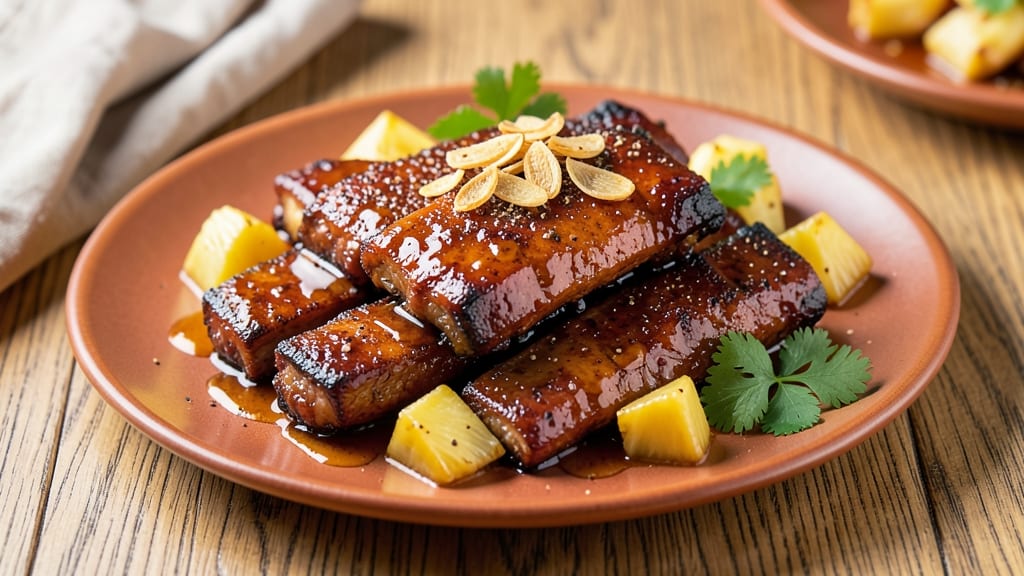
This pineapple pork ribs Chinese recipe delivers the perfect balance of sweet, tangy, and smoky flavors that’ll have your taste buds dancing. 🔥 The secret lies in a caramelized glaze that transforms tough ribs into tender, sticky perfection—just like my grandma used to make in Charleston.
I’ve perfected this technique over years of testing, ensuring every bite is packed with that signature Chinese restaurant taste at home.
The magic starts with a marinade of soy sauce, five-spice powder, and a touch of ginger to tenderize the meat, followed by a sticky glaze of pineapple juice, brown sugar, and hoisin sauce. Braising the ribs low and slow ensures they stay juicy while developing deep caramelized crusts.
This isn’t just a recipe—it’s a flavor journey that brings the warmth of a bustling Chinese wok to your kitchen.
By the time you’re done, you’ll have ribs that are fall-off-the-bone tender with a glossy, sweet-tart glaze clinging to every surface. The pineapple’s natural acidity cuts through the richness, while the five-spice blend adds an earthy depth that’s pure comfort food.
Serve them over steamed jasmine rice or with a side of quick-pickled cucumbers for a meal that’s as impressive as it is delicious.
This recipe is designed to impress, whether you’re hosting a dinner party or just craving a taste of home. The steps are straightforward, but the results are restaurant-quality—something I’ve tested countless times with my own heritage pigs. Let’s get cooking!
Ingredients for pineapple pork ribs chinese
Sweet, tangy, and smoky—just six ingredients transform ribs into sticky, caramelized perfection.
| Ingredient | Amount | Notes |
|---|---|---|
| Pork Ribs 🍖 | 4 lb | Baby back or St. Louis style, membrane removed |
| Pineapple Juice 🍍 | 1 ½ cups | Freshly squeezed preferred |
| Brown Sugar 🍚 | 1 cup | Packed, light or dark |
| Hoisin Sauce 🍶 | ½ cup | Store-bought or homemade |
| Soy Sauce 🍶 | ½ cup | Light or dark preferred |
| Five-Spice Powder 🌶️ | 2 tbsp | Authentic Chinese blend |
| Fresh Ginger 🧅 | 2 tbsp | Grated, fresh preferred |
| Garlic Cloves 🧄 | 6 cloves | Minced for marinade |
| Sesame Oil 🫒 | 1 tbsp | Toasted sesame preferred |
| Balsamic Vinegar 🍷 | 1 tbsp | For tangy depth |
| Cornstarch 🌾 | 2 tbsp | For glaze thickening |
| Water 💧 | ½ cup | For cornstarch slurry |
| Salt 🧂 | 1 ½ tsp | Kosher or sea salt |
| Black Pepper 🌶️ | 1 tsp | Freshly ground |
The ribs are the star, so baby back or St. Louis style are your best bets—they've got that perfect balance of meat and fat. I always grab mine from Costco when I can, but any grocery store's butcher section works. Look for ribs with good marbling—that's the secret to juicy results. If you can't find fresh pineapple juice, canned crushed pineapple (drained) works in a pinch, but fresh has way more flavor. The five-spice powder? Penzeys or any Asian market has the good stuff—don't skimp here, it's what gives those ribs their signature depth.
No hoisin sauce? Mix 2 tbsp soy sauce, 1 tbsp honey, and 1 tsp sesame oil—it's not identical, but it gets you close. Fresh ginger is ideal, but if you're using dried, reduce to half the amount. The cornstarch slurry is non-negotiable—it's what gives that glossy, caramelized finish. Trader Joe's sells pre-minced garlic if you're short on time, but fresh is always better. Want extra smokiness? Add a dash of liquid smoke to the glaze. And if you're feeling fancy, a splash of Shaoxing wine in the marinade takes it to the next level.
These ribs reheat beautifully—wrap them in foil with a splash of water in the microwave for 2 minutes. Store leftovers in an airtight container for 3-4 days or freeze for up to 3 months. I always make extra because they disappear fast. The glaze thickens as it cools, so if it seems too runny while cooking, just add a little more cornstarch slurry. And save that leftover pineapple juice—it's perfect for brining chicken next time.
Why You'll Love This Recipe
- Sweet Glaze, Zero Fuss: I swear by this recipe—just toss the ribs in a marinade of pineapple juice, brown sugar, and hoisin, then let the oven do the work. No flipping, no basting, no stress.
- Taste That Sticks: That caramelized brown sugar and tangy pineapple combo? It clings to every bite like it’s afraid to let go. The soy sauce adds just enough umami to make it ridiculously addictive.
- Leftovers That Don’t Suck: Honestly, this recipe makes way more than I need for one meal. The ribs reheat beautifully—toss them in the microwave with a splash of pineapple juice, and they’re just as good the second day.
- Budget-Friendly Crowd-Pleaser: Pork ribs on sale? Hoisin in the discount bin? This dish turns cheap ingredients into something that’ll have your whole family begging for seconds. Plus, it’s the kind of meal that makes you look like a hero.
Step-by-step instructions for pineapple pork ribs Chinese recipe
Here's how to turn simple ribs into sticky, caramelized perfection with that signature sweet-tart glaze.
👨🍳 Step 1: Marinate the Ribs for Maximum Flavor
In a large bowl, combine the 1.5 cups pineapple juice, 1 cup brown sugar, 0.5 cup hoisin sauce, 0.5 cup soy sauce, 2 tbsp five-spice powder, 2 tbsp grated fresh ginger, 6 minced garlic cloves, 1 tbsp sesame oil, and 1 tbsp balsamic vinegar. Mix well until the sugar dissolves completely.
Place the 4 lb pork ribs in a large resealable bag or container and pour the marinade over them. Make sure every rib is completely coated. Seal and refrigerate for at least 4 hours (overnight is even better). This marinade doesn't just flavor the meat—it tenderizes those tough ribs and gives you that signature Chinese restaurant glaze.
🔥 Step 2: Preheat and Sear the Ribs
Preheat your oven to 275°F and line a baking sheet with aluminum foil. Remove the ribs from the marinade (reserve the marinade for later) and place them on the prepared baking sheet. Roast for 2 hours until the ribs are tender but not falling apart.
While the ribs are roasting, heat a large oven-safe skillet over high heat. Add the ribs and sear them for 3-4 minutes per side until they develop a deep golden-brown crust. This step is crucial—it creates that beautiful caramelized exterior that makes these ribs so irresistible. The ribs will be tender but still firm enough to hold their shape.
🥘 Step 3: Build the Sticky Glaze
Return the seared ribs to the baking sheet and pour the reserved marinade into the skillet. Bring to a boil over medium-high heat, then reduce to medium-low and simmer for 5-7 minutes until the liquid reduces by about half and becomes syrupy.
In a small bowl, whisk together the 2 tbsp cornstarch and 0.5 cup water to make a slurry. Slowly pour this into the simmering marinade while stirring constantly. The mixture will thicken dramatically—keep stirring until it reaches a glossy, gel-like consistency that coats the back of a spoon. This is your glaze, and it's what makes these ribs so special.
🔥 Step 4: Glaze and Caramelize
Carefully transfer the ribs back to the skillet with the reduced marinade. Spoon the glaze over the ribs, making sure they're completely coated. Return to the oven and bake for 15-20 minutes at 375°F until the glaze caramelizes and forms a thick, sticky crust.
Watch closely during the last 5 minutes—you want that glaze to turn a deep amber color with some dark spots forming. This is where the magic happens: the sugar caramelizes, creating those beautiful crackly bits that add texture and depth of flavor. The ribs should be fork-tender and completely coated in that glossy, sticky glaze.
⏰ Step 5: Rest and Serve
Remove the ribs from the oven and let them rest for 10 minutes before serving. This resting period allows the juices to redistribute, ensuring each bite is moist and flavorful. The glaze will thicken even more as it cools slightly, creating that perfect balance of sweet and tangy flavors.
Slice the ribs between the bones and serve with steamed rice and a simple green salad. The contrast of the sweet-tart glaze with the savory meat is what makes this dish so addictive. Don't forget to spoon any extra glaze from the pan over the top—every drop is packed with flavor!
Pro Tips For Making Pineapple Pork Ribs Chinese
- Parboil First: Drop the ribs in simmering water for 5 minutes before braising—I learned this the hard way after my ribs turned rubbery. It loosens the connective tissue so they stay tender, even when you’re staring at a clock and tempted to rush the cook time.
- Reduce That Sauce: Simmer the hoisin, soy, and brown sugar into a thick glaze before adding pineapple juice—otherwise, you’ll end up with a watery mess. I used to skip this, and the ribs would swim in syrup instead of glaze. Five minutes in a saucepan fixes that.
- Skip the Crowding: If you’re braising in a pot, don’t stack the ribs—it traps steam and makes them soggy. Arrange them in a single layer, even if it means working in batches. Trust me, the crisp edges are worth the extra 10 minutes.
- Save the Juice: Strain the pineapple juice through a fine-mesh sieve before using it—bits of pulp burn easily and turn bitter. I used to ignore this, and the sauce would taste off. A quick strain makes all the difference, especially if you’re using fresh pineapple.
Regional styles of pineapple pork ribs chinese
Cantonese Style
In Cantonese cuisine, these ribs take on a slightly sweeter profile with a focus on char siu techniques. I often add 1 tbsp Shaoxing wine to the marinade and replace half the pineapple juice with orange juice for a citrusy depth.
The glaze gets a touch of red fermented bean curd (nam yue) for umami richness—just 1 tbsp blended into the sauce. Serve with steamed bok choy and jasmine rice for an authentic Hong Kong-style meal. 🍊
Sichuan Spicy Twist
For a Sichuan-inspired version, amp up the heat with 1 tbsp Sichuan peppercorns toasted and ground into the marinade, plus 1 tsp chili crisp mixed into the glaze. The five-spice powder gets swapped for 1 tbsp doubanjiang (fermented chili bean paste) for that signature numbing-spicy kick.
Garnish with scallions and crushed peanuts for texture. Pair with stir-fried green beans to balance the heat. 🌶️
Hainan Island Variation
Hainan's coastal influence shines in this version, where the glaze incorporates 1 cup coconut milk instead of hoisin, creating a tropical sweetness. Add 1 tbsp grated galangal to the marinade for a citrusy, peppery note.
The ribs are finished with a quick sear in a wok over high heat to mimic traditional open-flame cooking. Serve with sticky rice and pickled mango for a refreshing contrast. 🥥
Taiwanese BBQ Fusion
Taiwanese street food culture brings a smoky-sweet approach. I add 1 tbsp black vinegar to the marinade and finish the ribs with a charcoal grill for 5 minutes before glazing. The glaze gets a dash of white pepper for complexity.
Serve on buns with pickled mustard greens and spicy mayo—this is how you'd find it at Taipei night markets. 🔥
Modern American Adaptation
For home cooks who want convenience, swap the braising for a slow cooker on low for 6 hours. Use 1 cup pineapple chunks blended into the glaze for extra texture.
Top with crushed pretzels for a sweet-savory crunch. Serve with mac and cheese for a fusion twist that still honors the original flavors. 🍟
Nutrition facts
Frequently asked questions
Can I use regular pork ribs or do I need baby back?
Both work, but baby back ribs are leaner and more tender, giving you that perfect fall-off-the-bone texture. St. Louis-style ribs are a great alternative—they're meatier and hold up well to the braising process. If you're using spareribs, increase the marinating time to 6-8 hours for extra tenderness.
How do I adjust the sweetness in the glaze?
Start by reducing the brown sugar to 0.5 cup if you prefer less sweetness. For extra tang, add 1 tbsp more balsamic vinegar or swap 0.5 cup pineapple juice for orange juice. The pineapple's natural acidity balances the sweetness perfectly, so don't overdo it on sugar.
Can I grill these ribs instead of baking?
After marinating, grill the ribs over indirect heat at 250°F for 2.5-3 hours until tender. In the last 10 minutes, move them to direct heat to sear and caramelize. Brush with the glaze during the last 5 minutes of grilling. For smoky depth, add 1 tbsp liquid smoke to the marinade.
What if my glaze isn't thickening properly?
If the glaze stays too thin, it needs more cornstarch. Mix 1 tbsp cornstarch with 2 tbsp water and stir into the simmering glaze. For a glossier finish, reduce the heat to low and simmer for 5 more minutes while stirring constantly. If it's too thick, thin it with 1 tbsp water at a time.
How do I reheat leftovers without drying them out?
Wrap ribs tightly in foil with 2 tbsp water or broth in a microwave-safe dish. Heat on 50% power for 2-3 minutes until warmed through. For oven reheating, bake at 300°F for 15 minutes covered with foil. The glaze will soften slightly but still taste amazing. Store leftovers in an airtight container for 3-4 days.