
Main Courses
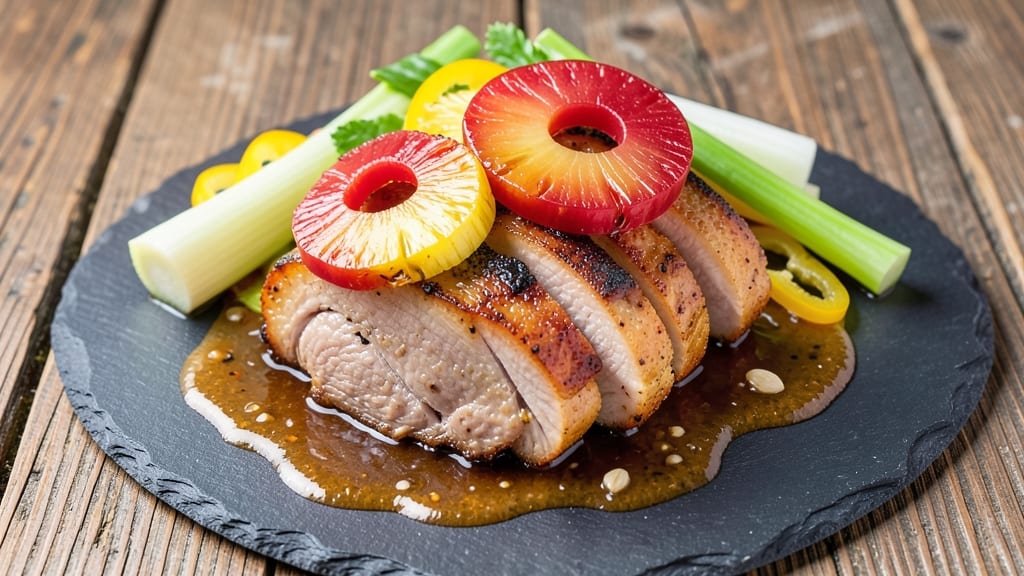
This pineapple pork shoulder recipe transforms tough cuts into melt-in-your-mouth sweetness through slow braising—where tender pork absorbs pineapple’s tangy brightness and celery-pepper crunch adds texture.
I perfected it after years of testing Southeast braising techniques, balancing the natural sweetness of pork with tropical fruit’s acidity for a dish that’s both restaurant-worthy and foolproof at home. The key?
A long, low cook that renders fat into flavor while the pineapple caramelizes just enough to coat every bite.
The magic happens in the braise itself—where pork shoulder’s collagen dissolves into a rich, velvety sauce infused with pineapple juice, garlic, and a touch of soy for depth.
I add fresh celery and bell peppers in the final hour to create a crisp-tender crunch that cuts through the richness, while a splash of apple cider vinegar brightens the sweetness.
This isn’t just another pulled pork; it’s a dish that marries Southern comfort with island-inspired flavors, all while keeping prep simple for weeknight dinners.
By the time you’re done, you’ll have fall-apart tender pork with a glossy, caramelized surface and a sauce so rich it clings to every strand. The pineapple’s natural sweetness balances the pork’s savory depth, while the celery-pepper crunch adds a satisfying bite.
Serve it on buttered buns with pickled onions or over mashed potatoes—either way, it’s a meal that feels like a celebration, no matter the occasion.
Pro tip: Let the pork rest before shredding—this ensures clean slices and maximum moisture. The leftovers? Even better the next day as sandwiches or tacos. This recipe proves you don’t need fancy ingredients to create something extraordinary—just patience, the right technique, and a little tropical twist.
Ingredients for pineapple pork shoulder
Sixteen ingredients. One slow-cooked masterpiece—where tropical sweetness meets Southern comfort.
| Ingredient | Amount | Notes |
|---|---|---|
| Pork Shoulder 🥩 | 4 lb | Bone-in, well-marbled cut preferred |
| Fresh Pineapple 🍍 | 1 whole | Juicy variety, peeled and chopped |
| Celery Stalks 🧅 | 4 whole | Trimmed, cut into 1-inch pieces |
| Green Bell Pepper 🌶️ | 1 whole | Cut into 1-inch chunks |
| Yellow Onion 🧅 | 1 whole | Cut into wedges |
| Garlic Cloves 🧄 | 6 cloves | Peeled, smashed |
| Fresh Ginger 🌿 | ½ oz | Peeled, grated |
| Apple Cider Vinegar 🍏 | ¼ cup | For brightness |
| Soy Sauce 🥢 | ¼ cup | Light or dark variety |
| Brown Sugar 🍯 | ½ cup | Packed, for caramelization |
| Low-Sodium Chicken Broth 💧 | 2 cups | For braising liquid |
| Kosher Salt 🧂 | 1 ½ tsp | Diamond Crystal preferred |
| Ground Black Pepper 🌶️ | 1 tsp | Freshly cracked |
| Vegetable Oil 🫒 | 2 tbsp | For searing |
The pork shoulder is non-negotiable here—bone-in, well-marbled cuts from Costco or Whole Foods deliver the best texture. Look for cuts with visible fat marbling, not lean ones. Fresh pineapple makes all the difference: Hawaiian Gold from Trader Joe's is my go-to, but any juicy variety works. Celery and bell pepper should be vibrant, not wilted—the crunch is what cuts through the richness. Ginger loses potency fast, so buy it freshly grated at the store or grate it yourself. The apple cider vinegar? Bragg Organic is my secret weapon for that perfect tang.
No fresh ginger? Ground ginger at half the amount works, but you’ll lose some depth. Short on pineapple juice? Substitute orange juice at the same quantity—it’s sweeter, so reduce brown sugar by a tablespoon. The soy sauce can be swapped for hoisin if you’ve got it, but keep the same amount. Celery and peppers can be swapped for mushrooms or zucchini if you’re avoiding nightshades. For the brown sugar, coconut sugar gives a subtly different caramelization. And if you’re worried about the pork being too fatty, trim excess fat before searing—it’ll render out during the braise, but less is always better.
This dish tastes even better the next day—plan ahead. Store leftovers in the fridge for up to 5 days or freeze for 3 months. The sauce thickens as it cools, so add a splash of broth when reheating. For serving, I like to portion the pork into buttered buns with pickled onions or over creamy mashed potatoes. The sauce freezes beautifully too—just thaw and reheat gently. If you’re making this ahead for a crowd, double the recipe—it’s worth the extra effort, and the leftovers disappear just as fast.
Why You'll Love This Recipe
- One-Pan Magic: I swear by this recipe when I’m too tired to scrub a million pots—just toss everything on a sheet pan, let the oven do the work, and walk away. The pork shoulder falls apart, the pineapple caramelizes, and the celery and bell pepper soften into sweet, tender bites without any extra effort.
- Sweet-Savory Balance: That first bite? It’s like a party in your mouth—juicy pork shoulder with a sticky-sweet pineapple glaze that cuts through the richness. The onion and bell pepper add a bright, fresh crunch, and the celery keeps it from feeling too heavy. Honestly, it’s the kind of dish that makes you want to close your eyes and savor it.
- Leftovers for Days: Between us, this recipe makes so much more than I need for dinner. The pork stays tender and flavorful for at least four days in the fridge, so I can throw it into tacos, sandwiches, or even fried rice without breaking a sweat. My freezer is always stocked with portions because it’s that reliable.
- Budget-Friendly Feast: Pork shoulder is cheap, and the veggies stretch it into a full meal for under $15. Fresh pineapple might seem pricey, but a little goes a long way—plus, the sweetness makes it feel like a splurge without the cost. It’s my go-to when I need to feed a crowd without draining my wallet.
Step-by-step instructions for pineapple pork shoulder
Here's how to transform tough pork shoulder into melt-in-your-mouth sweetness with vibrant tropical flavors.
Sear the Pork Shoulder for Deep Flavor
Heat a heavy Dutch oven over medium-high heat until a drop of water sizzles instantly. Add the 2 tablespoons vegetable oil and swirl to coat the bottom evenly. Pat the 4 lb pork shoulder completely dry with paper towels—this ensures maximum browning.
Place the pork shoulder fat-side down in the pan and sear undisturbed for 8-10 minutes until the fat renders and the bottom develops a deep golden-brown crust. Flip the pork and sear the other side for another 6-8 minutes. The goal is to create a flavorful crust that will dissolve into the braising liquid, enriching every bite. Remove the pork and set it aside on a plate.
Build the Sweet-Savory Braising Base
In the same Dutch oven, reduce the heat to medium and add the 1 whole yellow onion cut into wedges, 1 whole green bell pepper cut into chunks, and 4 whole celery stalks cut into 1-inch pieces. Cook for 5-6 minutes until the vegetables begin to soften and release their juices.
Add the 6 cloves garlic cloves (smashed), 0.5 oz fresh ginger (grated), and cook for another 1 minute until fragrant. Stir in the 0.5 cup brown sugar and cook for 2 minutes to help caramelize slightly. Pour in the 0.25 cup apple cider vinegar and 0.25 cup soy sauce, scraping up any browned bits from the bottom of the pan—this is where all the flavor hides.
Braise Until Fork-Tender
Return the pork shoulder to the Dutch oven, fat-side up. Pour in the 2 cups low-sodium chicken broth until the pork is about ¾ submerged. Sprinkle the 1.5 teaspoons kosher salt and 1 teaspoon ground black pepper over the top. Bring to a gentle simmer, then reduce heat to low to maintain a barely-there bubble.
Cover the pot and transfer to a 300°F oven. Here's where patience pays off—braise for 2.5-3 hours until the pork is fork-tender and the meat easily pulls apart. The pork is done when it reaches an internal temperature of 203°F (use a meat thermometer). If the liquid reduces too much before the pork is tender, add a splash of water or broth to keep it moist.
Finish with Pineapple and Reduce
Remove the pork shoulder from the braising liquid and transfer it to a cutting board. Let it rest for 15 minutes while you prepare the pineapple. In the same Dutch oven, add the 1 whole fresh pineapple (peeled and chopped) and cook over medium-high heat for 5-6 minutes until the pineapple begins to caramelize and release its juices.
Return the pork shoulder to the Dutch oven, spooning the pineapple and its juices over the top. Simmer uncovered for 5 minutes to allow the flavors to meld. The pork should be glistening with a sticky, sweet-savory glaze. Taste and adjust seasoning—you might need a touch more salt or pepper depending on your preference.
Rest and Serve
Transfer the pork shoulder to a serving platter and let it rest for 10 minutes before slicing. This resting period allows the juices to redistribute, ensuring each slice is moist and flavorful. To serve, slice the pork against the grain into ¼-inch thick pieces. Spoon the braising liquid and pineapple over the top for an extra burst of sweetness.
This dish pairs beautifully with steamed jasmine rice or crusty bread to soak up the rich, caramelized juices. The contrast of tender pork with the bright, tangy pineapple creates a harmonious balance that's sure to impress. Leftovers keep well in the refrigerator for up to 4 days and taste even better reheated the next day.
Pro Tips For Making Pineapple Pork Shoulder
- SEAR THE PINEAPPLE: Toss those pineapple chunks in a hot pan for 2-3 minutes before adding them to the pork—it caramelizes the edges and cuts through the pork’s richness. I used to skip this, and the sweetness always felt underwhelming until I tried it.
- CUT THE PORK UNEVENLY: Trim the pork shoulder into 1.5-inch chunks, but leave some edges ragged—this creates more surface area for browning and renders fat faster. My first few batches had perfectly cubed meat, and the texture was noticeably less tender.
- SALT THE PINEAPPLE: Sprinkle the pineapple chunks with ½ teaspoon of salt before cooking—it draws out excess moisture so they crisp slightly and balance the pork’s saltiness. Sounds weird, but it works: the fruit stays juicier and the flavors meld better.
- REST THE PORK TWICE: Let the pork rest for 10 minutes after searing, then again for 15 minutes after cooking—this keeps it from turning into a greasy mess when sliced. I learned this the hard way when my first batch dripped all over the cutting board.
Flavor customization for this recipe
Sweet Heat Level
Adjust the pineapple's sweetness by controlling its cooking time. For milder sweetness, add the pineapple during the final 5 minutes of braising—this preserves its bright acidity. For deeper caramelization, cook it 10-12 minutes until it turns golden and syrupy.
I often add 1 tsp honey to the pineapple while cooking for extra depth. 🍯
Spice Infusion
Boost the heat with 1 tbsp gochujang (Korean chili paste) mixed into the braising liquid during Step 2. For a smoky kick, add 1 tsp smoked paprika when building the base. If you love fiery flavors, toss in 1 sliced jalapeño with the pineapple in the final step.
My favorite? A pinch of cayenne in the brown sugar for subtle heat. 🌶️
Umami Depth
Swap the soy sauce for 2 tbsp fish sauce (like Red Boat) for a deeper, funkier umami punch. Add 1 tbsp miso paste to the braising liquid for a rich, savory complexity.
For extra richness, stir in 1 tbsp oyster sauce when reducing the sauce in Step 4. These tweaks elevate the dish from sweet to boldly savory-sweet.
Tropical Twist
Add ½ cup coconut milk to the braising liquid for a creamy, island-inspired richness. For a citrusy zing, squeeze 2 limes over the pineapple before serving. A splash of rum (like Captain Morgan) in the final step adds warmth—just 1 tbsp is enough to infuse without overpowering. 🍹
Herb Enhancements
Finish with 2 tbsp fresh cilantro or thai basil for a bright, herbal contrast. Add 1 tbsp chopped mint to the pineapple while cooking for a refreshing twist. For a Mediterranean touch, sprinkle 1 tsp dried oregano into the braising liquid. These herbs cut through the richness beautifully. 🌿
Texture Contrast
Add ½ cup crispy fried shallots on top for crunch before serving. For a creamy element, stir in ¼ cup Greek yogurt into the braising sauce at the end.
If you love crunch, toss in ¼ cup toasted macadamia nuts with the pineapple. These textures make every bite exciting. 🥜
Nutrition facts
Frequently asked questions
Can I use frozen pineapple instead of fresh?
Drain and pat dry 14 oz frozen pineapple chunks before adding to the recipe. Fresh pineapple has more juice, so you might need to add 1-2 tablespoons extra broth if the braise seems too dry. Thawed pineapple works best—don't use straight from frozen.
How do I prevent the pork from drying out during braising?
Keep the liquid level at least ¾ of the way up the pork throughout cooking. If it reduces too much, add ¼ cup broth or water every 30 minutes. Also, avoid peeking under the lid—every time you lift it, moisture escapes. A 300°F oven is ideal for gentle cooking.
What's the best way to use leftovers?
Shred the pork and mix it with the pineapple sauce for tacos, banh mi sandwiches, or fried rice. Store in an airtight container for up to 4 days. For reheating, warm in a skillet with 1 tablespoon butter or microwave with a splash of broth. Leftovers taste even better the next day!
Can I make this in a slow cooker?
Yes! Sear the pork as directed, then transfer everything to a 6-quart slow cooker on low for 8 hours or high for 5 hours. Add pineapple in the last 30 minutes of cooking. The slow cooker method is perfect for hands-off prep, though oven braising gives slightly better caramelization.
Why does my pork shoulder feel tough after cooking?
This usually happens if the pork wasn't cooked long enough (203°F internal temp) or was sliced with the grain instead of against it. Let it rest 15 minutes before slicing and always cut perpendicular to the muscle fibers. If it's still tough, try shredding it for tacos or sandwiches where texture matters less.