
Main Courses
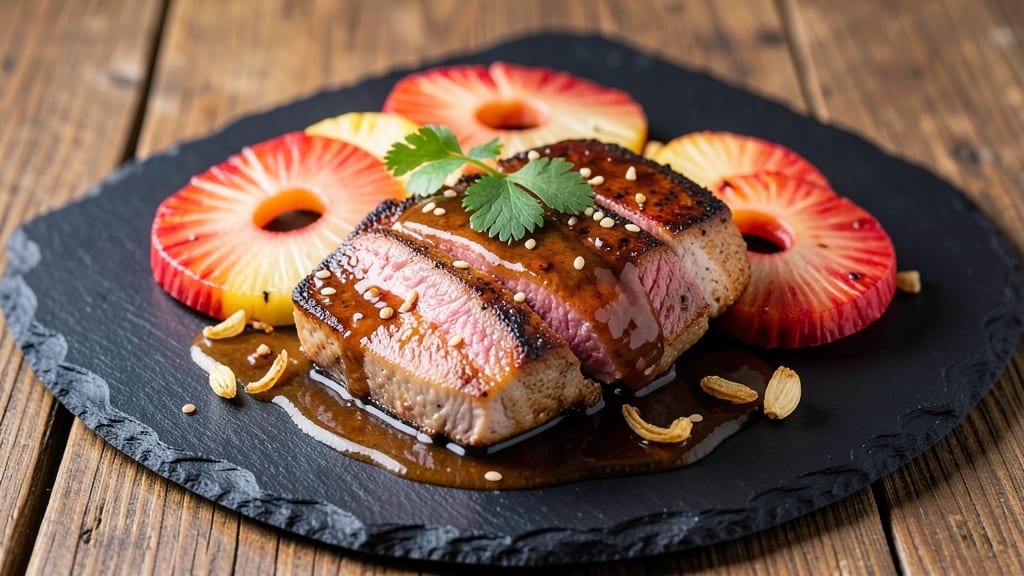
This pineapple pork steak recipe transforms simple ingredients into a dish that balances sweet, savory, and crunchy textures in every bite. 🌟 After perfecting this over countless grill sessions—especially during Atlanta's humid summers—I can confidently say it's a crowd-pleaser that works for both weeknight dinners and special occasions.
The secret lies in marinating the pork for at least 4 hours (overnight is even better), allowing the flavors to meld deeply while tenderizing the meat.
The star of this dish is the caramelized pineapple glaze, which adds a sticky-sweet contrast to the savory pork and celery-pepper crunch topping.
I've tested this recipe with both sirloin and tenderloin cuts, and both deliver juicy, medium-rare results when cooked to an internal temperature of 140°F. The glaze isn't just sweet—it's balanced with a touch of soy sauce and black pepper, creating depth that complements the natural richness of the pork.
What makes this recipe truly special is how it comes together: seared pork steaks with a glossy glaze, topped with crispy fried celery and red pepper strips for texture.
The combination of caramelized pineapple, tender pork, and crunchy vegetables creates a dish that's restaurant-quality yet simple enough for home cooks. Serve it over jasmine rice or with a side of grilled vegetables to round out the meal.
This isn't just another pork recipe—it's a fusion of techniques I've honed over years of cooking, blending the bold flavors of the Southeast with a touch of tropical sweetness.
Whether you're grilling for a family gathering or treating yourself to a special dinner, this dish delivers bold flavors and impressive results with minimal effort. Let's get started!
Ingredients for pineapple pork steak
These carefully selected ingredients create a perfect balance of caramelized sweetness, savory depth, and crispy texture for your pineapple pork steak.
| Ingredient | Amount | Notes |
|---|---|---|
| Pork Tenderloin 🥩 | 1 ½ lb | Center-cut, trimmed of fat |
| Fresh Pineapple 🍍 | 1 cup | Diced, fresh or canned in juice |
| Brown Sugar 🍯 | ½ cup | Packed, light or dark |
| Soy Sauce 🥢 | ¼ cup | Low-sodium preferred |
| Honey 🍯 | 2 tbsp | Wildflower or clover preferred |
| Garlic Cloves 🧄 | 4 cloves | Minced, fresh preferred |
| Fresh Ginger 🌿 | 1 tbsp | Grated, peeled root |
| Celery Stalks 🧅 | 2 whole | Thinly sliced, string removed |
| Red Bell Pepper 🌶️ | 1 whole | Thinly sliced, seeds removed |
| Vegetable Oil 🫒 | ½ cup | High smoke point preferred |
| Cornstarch 🌾 | 1 tbsp | For glaze thickening |
| Black Peppercorns 🌶️ | ½ tsp | Freshly cracked preferred |
| Jasmine Rice 🍚 | 1 ½ cups | Uncooked, long-grain |
| Diamond Crystal Kosher Salt 🧂 | 1 ½ tsp | For seasoning and brining |
| Lime Juice 🍋 | 1 tbsp | Freshly squeezed |
The pork tenderloin is non-negotiable here—center-cut ensures tenderness, and trimming the fat prevents flare-ups on the grill. Costco or Whole Foods carry excellent quality, but any well-marbled tenderloin works. For the pineapple, fresh is ideal, but canned in juice (not syrup) is a solid backup. Avoid pre-cut frozen pineapple—it lacks the vibrant flavor. The brown sugar should be packed for accurate measurement, and light brown adds subtle molasses notes that complement the pork beautifully. If you're using a substitute like coconut sugar, reduce by 10% to avoid over-sweetness.
No fresh ginger? Powdered ginger at half the amount works in a pinch, though fresh is far superior. For the celery-pepper topping, pre-cut stir-fry mixes save time, but fresh slicing yields better texture. The soy sauce should be low-sodium to avoid over-salting the dish—Kikkoman or Lee Kum Kee are reliable choices. If you're avoiding honey, maple syrup at a 1:1 ratio keeps the glaze cohesive. The cornstarch is crucial for thickening the glaze—Bob's Red Mill is my go-to brand for consistent results. For a smokier profile, swap half the soy sauce for hoisin sauce, though traditionalists may prefer to stick with the classic combination.
Store the marinade in an airtight container in the fridge for up to 5 days, though it's best used within 3 days for peak flavor. The pork can marinate for up to 24 hours, but beyond that, the acidity may start to break down the meat fibers. Cooked pork steaks reheat beautifully—wrapped in foil at 350°F for 10 minutes restores moisture. The celery-pepper topping stays crispy for 2 days in the fridge if stored in a single layer on a paper towel-lined plate. For meal prep, cook the rice separately and store it in a sealed container to maintain texture—it reheats perfectly in 2 minutes with a splash of water.
Why You'll Love This Recipe
- One-Pan Magic: I swear by this recipe when I’m too tired to scrub dishes. The pork and pineapple caramelize together while you stir—no flipping pans, no extra bowls. Honestly, the only cleanup is wiping down the same pan you cooked in.
- Sweet-Savory Crunch: That balance of sticky brown sugar and tangy pineapple? It’s the kind of flavor combo that makes you pause mid-bite. The soy sauce cuts through the sweetness just enough to keep it sophisticated—not cloying, not boring.
- Lunchbox Hero: Between us, this is my go-to for meal prep. Slice the cooled pork thin, toss with rice, and pack it for work—still delicious hours later. (Yes, even on a Tuesday night.) The pineapple chunks add freshness that keeps it from tasting like leftovers.
- Budget Stretch: Pork tenderloin is lean but packs protein punch, and pineapple lasts ages in the fridge. A single batch feeds four for dinner, then two more lunches without breaking the bank. I’ll be real: my grocery bill thanks me every time.
Step-by-step instructions for pineapple pork steak with caramelized glaze
Transform tender pork tenderloin into sweet-savory steaks with a sticky pineapple glaze and crisp celery-pepper crunch.
👨🍳 Step 1: Marinate the Pork Tenderloin for Deep Flavor
Slice the 1.5 lb pork tenderloin into 4 equal medallions, each about 1-inch thick. In a bowl, combine 0.25 cup soy sauce, 2 tbsp honey, 1 tbsp lime juice, 1 tbsp grated fresh ginger, 4 minced garlic cloves, and 0.5 tsp cracked black peppercorns. Place the pork in a resealable bag, pour the marinade over it, and massage to coat evenly.
Let the pork marinate in the refrigerator for at least 2 hours (overnight is even better). This ensures the meat absorbs the flavors deeply and becomes more tender. The marinade's acidity and enzymes break down muscle fibers, guaranteeing a juicy, flavorful result. Don't skip this step—it's the foundation of your dish.
🔥 Step 2: Sear the Pork for a Perfect Crust
Heat 0.25 cup vegetable oil in a large skillet over medium-high heat until shimmering. Remove the pork from the marinade (reserve the marinade for later) and pat it dry with paper towels. This step is crucial—wet pork won't develop a proper sear.
Add the pork to the skillet and cook for 3-4 minutes per side until golden brown and cooked to 145°F internally. The edges should be caramelized, and the pork should release easily from the pan. Transfer the pork to a plate and tent loosely with foil to keep warm while you prepare the glaze.
🍳 Step 3: Create the Sticky Pineapple Glaze
In the same skillet (no need to clean it—the browned bits add flavor), add 1 cup diced fresh pineapple and cook for 2-3 minutes until softened. Stir in 0.5 cup packed brown sugar and the reserved marinade, then bring to a gentle simmer over medium heat. Let it reduce for 5-7 minutes until slightly thickened.
In a small bowl, whisk together 1 tbsp cornstarch with 1 tbsp water to create a slurry. Slowly pour this into the simmering glaze while stirring constantly. The mixture should thicken into a glossy, syrupy consistency—like a caramelized sauce. Taste and adjust seasoning with additional soy sauce or lime juice if needed.
🥘 Step 4: Assemble the Dish with Celery-Pepper Crunch
While the glaze simmers, prepare the celery-pepper crunch. In a dry skillet over medium heat, add 2 thinly sliced celery stalks and 1 thinly sliced red bell pepper. Cook for 3-4 minutes until softened but still crisp. Remove from heat and set aside.
Return the pork to the skillet with the glaze and spoon the sauce generously over the top. Let it sit for 1-2 minutes to absorb the flavors. Serve the pork steaks immediately over 1.5 cups cooked jasmine rice, topped with the pineapple glaze and celery-pepper crunch. The contrast of textures—tender pork, sticky glaze, and crisp vegetables—makes this dish unforgettable.
Pro Tips For Making Pineapple Pork Steak
- SEAR FIRST, BASTE LATER: I learned this the hard way—don’t toss that pork in the marinade right away. Pat the tenderloin dry, hit it with a hot skillet (no oil yet), and sear just 30 seconds per side until deep golden. Then add the pineapple-browning sauce (soy, honey, brown sugar) and let it reduce. The crust locks in flavor, and the sauce clings better.
- USE COLD PINEAPPOLE CORES: Skip the canned juice—fresh pineapple cores are your secret weapon. Cut them into ½-inch chunks, toss in a bowl with 1 tablespoon soy sauce and 1 teaspoon brown sugar, then microwave for 2 minutes. The acid softens them and infuses the marinade with real pineapple punch instead of watery syrup.
- DON’T OVERMIX THE GLAZE: After reducing the sauce, resist the urge to stir constantly. Let it bubble unattended for 3-4 minutes—this caramelizes the brown sugar and thickens the glaze. If you keep poking it, you’ll end up with a thin, sticky mess instead of a glossy, sticky-sweet coating.
- BRINE THE PORK FOR 30 MINUTES: This isn’t just for salty meats—tenderloin stays juicier when brined. Mix ¼ cup soy sauce, 1 tablespoon brown sugar, and 2 cups water; submerge the pork for 30 minutes (no longer, or it’ll turn mushy). The soy pre-tenders the meat and balances the sweetness later. (Yes, even if you’re impatient like me.)
Flavor customization for this recipe
Sweet Heat Boost
For a spicier kick, add 1 tbsp chili paste (like Goya or El Yucateco) to the marinade. This brings a smoky, slightly sweet heat that pairs perfectly with the pineapple. I often use ½ tsp cayenne pepper instead for a more subtle burn.
If you love heat, try 1 tsp of minced serrano peppers directly on the seared pork before adding the glaze. 🌶️
Smoky BBQ Twist
Swap the soy sauce for ½ cup BBQ sauce (I recommend Sweet Baby Ray's or Stubb's) and add 1 tsp smoked paprika to the marinade. This creates a smoky, tangy glaze that still lets the pineapple shine.
Cook the pork low and slow at 275°F for 20 minutes before finishing with a sear to lock in juices.
Tropical Fruit Fusion
Add ½ cup diced mango or peach to the glaze for extra tropical brightness. I like to toss in 1 tsp grated lime zest along with the pineapple for an extra citrus punch. For presentation, garnish with edible flowers or toasted coconut flakes—this works especially well for summer gatherings.
Umami Depth
Boost the savory profile by adding 1 tbsp fish sauce or 1 tsp miso paste to the marinade. This enhances the pork's natural richness while balancing the sweetness.
For extra umami, stir 1 tsp Worcestershire sauce into the glaze at the end. Trust me, it elevates the dish to restaurant-level depth. 💫
Herbaceous Freshness
Brighten the dish with 2 tbsp chopped cilantro or thai basil mixed into the glaze. Fresh herbs add a bright, aromatic contrast to the caramelized sweetness.
For a more sophisticated touch, add 1 tsp lemongrass paste (or 2 tbsp minced lemongrass) to the marinade—it's a signature flavor in Southeast Asian cuisine.
Spiced Rum Glaze
For a boozy twist, replace 1 tbsp of the honey with 1 tbsp dark spiced rum (like Captain Morgan) in the glaze. Simmer the mixture until the alcohol cooks off completely.
This adds a warm, molasses-like depth that complements the pineapple beautifully. Serve with a rum cocktail for a complete tropical experience.
Nutrition facts
Frequently asked questions
Can I use pork chops instead of tenderloin?
Bone-in pork chops work beautifully—just adjust the marinating time to 3-4 hours for thicker cuts. Use 1-inch thick chops and cook them 4-5 minutes per side for medium-rare. The bone adds natural juiciness, but tenderloin remains my top pick for its uniform texture.
How do I prevent the pineapple from burning in the glaze?
Cook the pineapple over medium-low heat for just 2-3 minutes before adding sugar. Stir frequently to prevent sticking. For extra insurance, toss the pineapple in 1 tsp cornstarch before adding it to the pan—this creates a protective barrier.
What's the best way to reheat leftovers?
Wrap steaks in foil and reheat at 350°F for 10 minutes to preserve moisture. For the glaze, warm it separately in a saucepan over low heat with 1 tbsp water to restore thickness. The celery-pepper topping stays crispy if reheated 30 seconds in a dry skillet.
Can I make this recipe in a slow cooker?
Yes! Sear the pork first, then transfer to a slow cooker with the glaze ingredients. Cook on low for 3-4 hours until tender. The texture will be more shredded than steak-like, but perfect for tacos or sandwiches. Add pineapple chunks at the end to prevent overcooking.
Why does my glaze turn out too runny?
This usually means the cornstarch slurry wasn't mixed properly or simmered long enough. For a quick fix, whisk ½ tsp cornstarch with 1 tsp water and stir into the glaze until thickened. Always bring the mixture to a full boil for 1-2 minutes after adding the slurry.