
Sauces & Condiments
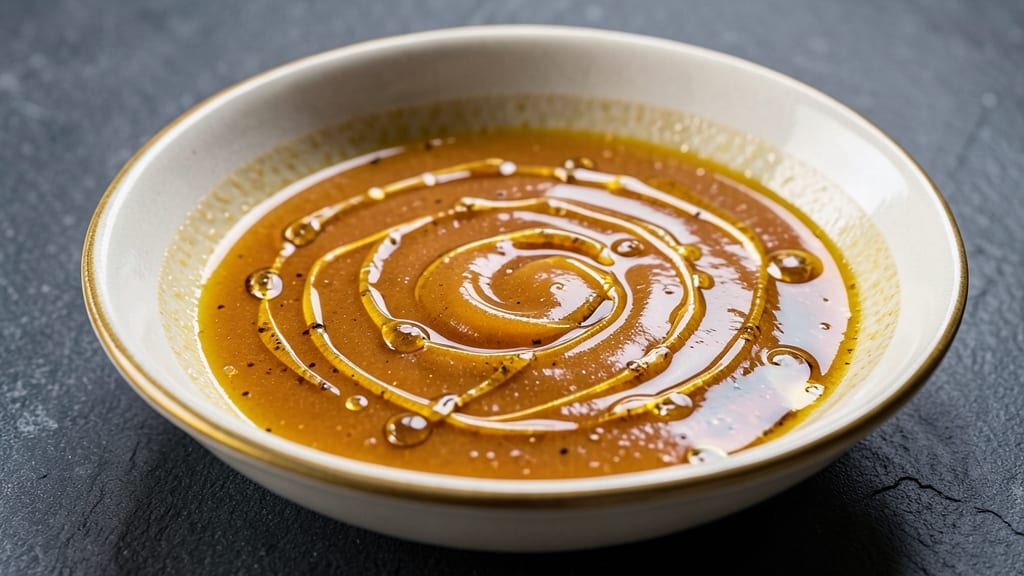
This pineapple stir-fry sauce recipe transforms ordinary stir-fries into vibrant, tropical umami masterpieces in just 10 minutes. The secret lies in balancing sweet pineapple with savory soy and aromatic ginger, creating a sauce that’s bright, sticky, and packed with layers of flavor.
I developed this recipe after realizing how much better homemade sauce tastes compared to store-bought versions—it’s the kind of upgrade that turns a simple meal into something special.
The foundation of this sauce is a simple yet powerful combination: soy sauce for umami depth, pineapple juice for natural sweetness, and garlic-ginger paste for aromatic warmth. A touch of honey or brown sugar enhances the caramelization when simmered, while a splash of rice vinegar adds brightness.
The sauce thickens beautifully as it reduces, coating every ingredient with a glossy, flavorful glaze that clings perfectly to proteins and vegetables.
What you’ll end up with is a versatile sauce that works equally well with chicken, shrimp, tofu, or vegetables—adding a tropical twist to classic stir-fry flavors.
The balance of sweet, salty, and tangy ensures every bite is memorable, while the natural stickiness helps create that signature wok-hei (breath of the wok) effect. Plus, it keeps well in the fridge for up to 5 days, making it perfect for meal prep.
Ready to elevate your stir-fries? This sauce is quick to make, easy to customize, and guaranteed to become a staple in your cooking routine. The best part? You’ll never go back to bottled versions once you taste the real deal.
Ingredients for pineapple stir fry sauce
Eight ingredients, tropical flavors, and a sauce that transforms stir-fries instantly.
| Ingredient | Amount | Notes |
|---|---|---|
| Pineapple Juice 🍍 | ¾ cup | Freshly squeezed, no pulp |
| Low-Sodium Soy Sauce 🥢 | ½ cup | Kikkoman preferred for balance |
| Garlic-Ginger Paste 🧄 | 2 tbsp | Freshly made or store-bought |
| Honey 🍯 | 2 tbsp | Wildflower for depth of flavor |
| Rice Vinegar 🍶 | 1 ½ tbsp | Seasoned works best |
| Sesame Oil 🌿 | 1 tbsp | Toasted sesame oil for aroma |
| Cornstarch 🌾 | 1 tsp | For thickening consistency |
| Fresh Chili Paste 🌶️ | 1 tbsp | Sambal oelek for heat |
The pineapple juice is your sweet foundation—Dole or Del Monte cans work great, but fresh is ideal if you're prepping ahead. Kikkoman soy sauce gives that perfect umami punch without overpowering, though any low-sodium brand works. For the garlic-ginger paste, fresh is always better: blend 2 cloves garlic and 1-inch ginger with 1 tbsp water. Trader Joe's sells pre-made paste if you're short on time, but it lacks the freshness. The honey should be wildflower or clover for that caramel depth when simmered—Manuka honey adds a floral note if you want to splurge.
No pineapple juice? Mango nectar or orange juice works in a pinch, though the flavor shifts slightly. Short on soy sauce? Coconut aminos gives a similar umami without the salt. The cornstarch is key for thickening—arrowroot powder works too, but cornstarch gives that classic wok-hei stickiness. Skip the chili paste? Red pepper flakes at half the amount adds heat without the paste's complexity. Pro tip: Toast your sesame oil in the pan before adding other ingredients—that aroma is everything.
This sauce keeps beautifully for 5 days in the fridge, sealed in a jar with a splash of water over the top to preserve freshness. For longer storage, freeze in ice cube trays—thaw overnight in the fridge before using. Double the batch if you're meal prepping: it's perfect over rice bowls, noodles, or grilled proteins. The flavor actually improves after sitting for a few hours, so make it ahead whenever possible.
Why You'll Love This Recipe
- Pantry Magic: I swear by this sauce—no fresh garlic mincing, no ginger grating, just one jar of paste. The pineapple juice cuts through the richness while the honey and rice vinegar balance it like a pro.
- Sweet-Savory Balance: That first tangy hit of soy sauce, then the bright honey and garlic—it’s like a flavor party in your mouth. Honestly, I’ve tried store-bought versions, and this one actually tastes like it was made with love.
- Weeknight Workhorse: Drizzle it over stir-fried veggies, toss it with grilled chicken, or even use it as a marinade. I’ve even dumped it on cold noodles when I was too tired to cook—still tasted amazing.
- No-Waste Winner: A little goes a long way, and the leftovers keep for weeks in the fridge. Between us, I’ve had this sauce last me through three takeout nights because it’s just that good—and cheap.
Step-by-step instructions for tropical umami stir-fry sauce
This vibrant sauce comes together in minutes with perfect balance—sweet, tangy, and packed with umami depth.
Whisk Together the Wet Ingredients
In a medium saucepan, combine the 0.75 cup pineapple juice, 0.5 cup low-sodium soy sauce, 2 tbsp garlic-ginger paste, 2 tbsp honey, and 1.5 tbsp rice vinegar. Stir gently to integrate the flavors—you'll notice the garlic-ginger paste dissolving into the liquid, releasing its aromatic punch. This base creates the sauce's fundamental harmony of sweet, salty, and tangy notes.
Here's the thing—don't rush this step. Let the mixture sit for 1 minute while you prepare the next components. This brief pause allows the flavors to begin melding, which is especially important when using freshly squeezed pineapple juice. The natural enzymes in the juice will start breaking down slightly, enhancing the sauce's complexity.
Incorporate the Sesame Oil and Chili Paste
Reduce the heat to medium-low and carefully stir in the 1 tbsp sesame oil and 1 tbsp fresh chili paste. The sesame oil will immediately release its nutty aroma, while the chili paste adds a subtle, smoky heat that brightens the entire sauce. You'll see the mixture darken slightly as the oils blend.
I like to add the chili paste last because its bold flavor needs to be tempered by the other ingredients. If you're sensitive to heat, start with ½ tbsp and adjust to taste. The sauce should now have a rich, slightly oily sheen—this indicates proper emulsification of the sesame oil.
Thicken the Sauce with Cornstarch
In a small bowl, whisk the 1 tsp cornstarch with 2 tablespoons of cold water until completely dissolved. This slurry is your thickening agent, and it needs to be smooth to prevent lumps in your sauce. Gradually pour the cornstarch mixture into the saucepan while stirring constantly with a wooden spoon.
Bring the sauce to a gentle simmer over medium heat and cook for 2-3 minutes until it thickens to a glossy, coatable consistency. You're looking for a sauce that clings to the back of a spoon but still flows smoothly—this is the perfect texture for stir-fries. If it thickens too quickly, add 1-2 tablespoons of water to adjust the consistency.
Simmer and Balance the Flavors
Continue simmering for another 1-2 minutes to allow the flavors to fully meld. Taste the sauce and make any final adjustments: a pinch more salt if needed, a drizzle of honey for extra sweetness, or a splash of rice vinegar for increased tang. The sauce should now have a perfect balance—bright from the pineapple, rich from the soy sauce, with a subtle kick from the chili.
Remove the sauce from heat and let it cool slightly before using. This brief resting period allows the flavors to settle and the sauce to reach its ideal consistency. For best results, use the sauce immediately on your stir-fry, but it will keep in the refrigerator for up to 5 days in an airtight container. The flavors actually deepen as it sits, making it even more complex the next day.
Pro Tips For Making Pineapple Stir Fry Sauce
- Simmer, Don’t Boil: This sauce isn’t a race—keep the heat at a low simmer (gentle bubbles, not rolling) or the pineapple juice will turn bitter and the garlic-ginger paste will scorch before it releases its flavor. I learned this the hard way after my first batch tasted like overcooked cabbage.
- Strain the Juice: Fresh pineapple juice? Strain it—fibers make the sauce clumpy and ruin the silky texture. If using canned juice, skip this, but if you’re blending fresh, take the extra 30 seconds. Trust me, your stir-fry will thank you.
- Balance the Vinegar: Rice vinegar adds brightness, but too much turns the sauce sharp and unappealing. Start with 1 tablespoon, taste, then add another only if needed—you can always adjust, but you can’t un-sour a sauce. (Yes, I’ve tried.)
- Use Real Honey: Substituting corn syrup or maple syrup cuts the depth of flavor—honey’s natural enzymes caramelize slightly during simmering, adding complexity. If you’re in a pinch, a 50/50 mix with agave works, but don’t skip the honey entirely.
Serving suggestions for this dish
Protein Pairings
This tropical sauce shines with grilled shrimp—toss them in the sauce for 5 minutes before serving. The natural sweetness of the pineapple caramelizes beautifully on the shrimp's surface, creating a sticky, glossy finish.
For chicken, marinate 1 lb boneless thighs in ¼ cup sauce for 30 minutes before stir-frying. 🍤
Tofu lovers rejoice: press and cube 1 block extra-firm tofu, pan-fry until golden, then toss in the sauce. The sauce's umami cuts through tofu's mild flavor while adding a vibrant tropical twist. For a heartier option, use beef strips—the soy sauce's depth complements the richness perfectly.
Vegetable Combinations
Bright, crunchy vegetables balance the sauce's richness. Try bell peppers, snap peas, and carrots—their sweetness enhances the pineapple's tropical notes. For a Thai-inspired twist, add bamboo shoots and Thai basil at the end for fresh aroma.
I like to stir-fry veggies first, then add protein and sauce together for maximum flavor absorption.
For a colorful plate, include red cabbage (shredded) and edamame. The purple hues contrast beautifully with the sauce's golden sheen, while edamame adds a protein boost. Serve with steamed jasmine rice to soak up every last drop of that sticky, flavorful sauce.
Garnish Ideas
Fresh cilantro and lime wedges elevate the dish instantly. Sprinkle 2 tbsp chopped cilantro over the top for a bright, herbal finish. Serve with lime wedges so guests can squeeze fresh juice over their portions—it cuts through the sauce's richness beautifully. 🍋
For extra crunch, toast 1 tbsp sesame seeds in a dry pan until golden, then sprinkle over the dish. A drizzle of chili oil adds another layer of heat and visual appeal. These garnishes not only look stunning but also enhance the sauce's complex flavors.
Meal Prep Serving
Store leftover sauce in an airtight container with a splash of water to preserve freshness. Reheat gently on the stove with 1 tbsp water to restore thickness.
This sauce works perfectly over cold rice bowls—just assemble with protein and veggies, then drizzle with warmed sauce for a quick, restaurant-quality meal.
For lunchboxes, pack sauce in small jars with a side of rice and pre-cooked protein. The sauce's stickiness prevents sogginess, making it ideal for on-the-go meals. Just add fresh veggies when ready to eat for maximum crunch and freshness.
Nutrition facts
Frequently asked questions
Can I substitute pineapple juice with another fruit juice?
Yes! For a similar tropical flavor, try mango nectar or orange juice—both work well, though the sweetness level may vary. If using orange juice, reduce the honey to 1 tbsp to balance the natural tartness. For a deeper umami profile, coconut water adds a subtle sweetness without altering the sauce's core flavors.
How do I adjust the heat level in this sauce?
Start with ½ tbsp chili paste for mild heat, or reduce to ¼ tbsp if you prefer no spice. For extra kick, add ½ tsp red pepper flakes or a dash of Sriracha at the end. Always taste as you go—you can't overdo it, but you can't remove heat once added!
Why did my sauce turn out too thick/thin?
If too thick, stir in 1 tbsp water while reheating. For thin sauce, mix ½ tsp cornstarch with 1 tbsp water and simmer for 1-2 minutes. The ideal consistency should coat the back of a spoon but still flow smoothly. Pro tip: Simmering too long thickens the sauce faster—keep heat at medium-low.
Can I make this sauce without cornstarch?
Yes! Swap cornstarch for 1 tsp arrowroot powder (better for thickening) or 1 tbsp tomato paste (adds depth). For a gluten-free option, use 1 tbsp coconut flour, but reduce other liquids by 2 tbsp first. The sauce will be slightly less glossy but still delicious!
How can I use leftover sauce beyond stir-fries?
This versatile sauce works as a marinade (great for grilled chicken or fish), a glaze for roasted veggies, or a dipping sauce for spring rolls. For extra richness, simmer with 2 tbsp butter or 1 tbsp coconut cream. Store leftovers in the fridge for up to 5 days or freeze in ice cube trays for easy portioning.