
Main Courses
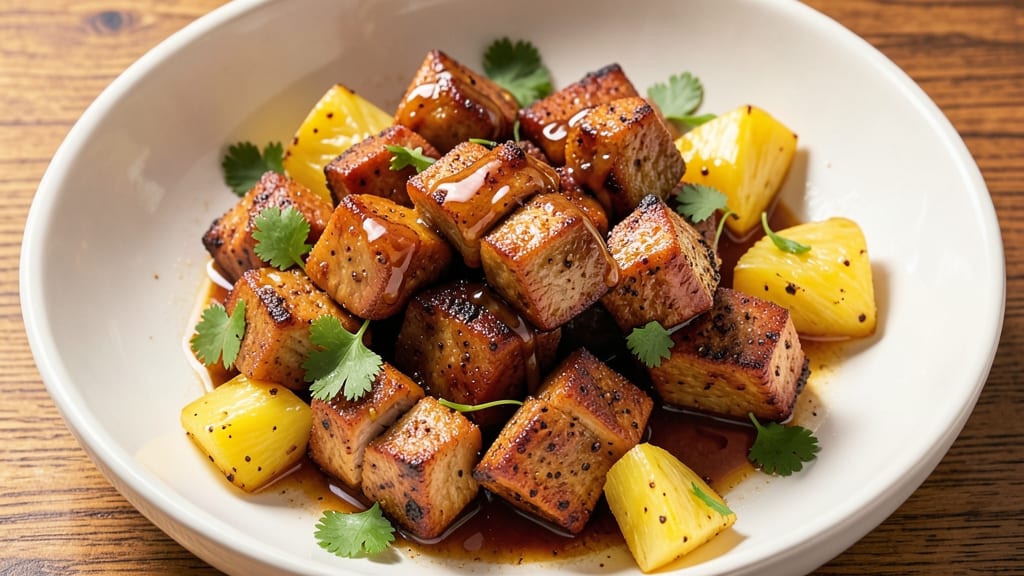
This pork and pineapple Chinese recipe delivers the perfect balance of sweet, savory, and umami in under 20 minutes—a dish that brings the bold flavors of a Cantonese stir-fry to your home kitchen.
Growing up in Georgia, I first tasted this combination at a local Chinese restaurant, and it became a staple in my cooking repertoire.
The secret lies in marinating the pork with a blend of soy sauce, five-spice powder, and a touch of honey, which tenderizes the meat while infusing it with layers of flavor.
The stir-fry technique is where the magic happens—quick, high-heat cooking preserves the natural sweetness of the pineapple while caramelizing the edges of the pork. Traditional Chinese ingredients like oyster sauce and sesame oil elevate the dish, but modern twists like a splash of rice vinegar add brightness.
This recipe is foolproof, delivering restaurant-quality results without requiring advanced skills or expensive equipment.
By the time you’re done, you’ll have a vibrant, aromatic dish with tender pork pieces glistening in a glossy, sweet-savory glaze and juicy pineapple chunks that add a refreshing contrast. The dish pairs beautifully with steamed jasmine rice or a side of stir-fried greens, making it a complete meal.
It’s the kind of recipe that feels special but comes together effortlessly—ideal for weeknight dinners or weekend gatherings.
Whether you're serving it family-style or plating it as a centerpiece, this pork and pineapple stir-fry is sure to impress. The balance of flavors is what makes it unforgettable, and the technique is simple enough for anyone to master. Let’s get cooking!
Ingredients for pork and pineapple chinese
Bold Cantonese flavors meet Georgia comfort in this restaurant-quality stir-fry.
| Ingredient | Amount | Notes |
|---|---|---|
| Boneless Pork Shoulder 🥩 | 1 ½ lb | Cut into 1-inch cubes, trimmed of fat |
| Fresh Pineapple Chunks 🍍 | 2 cups | Fresh or canned in juice, drained |
| Light Soy Sauce 💧 | ½ cup | Kikkoman preferred for balance |
| Five-Spice Powder 🌶️ | 1 ½ tsp | Toasted for maximum aroma |
| Honey 🍯 | 2 tbsp | Wildflower for floral notes |
| Oyster Sauce 🍲 | 2 tbsp | Lee Kum Kee for authentic flavor |
| Sesame Oil 🫒 | 1 tbsp | Toasted sesame oil for depth |
| Rice Vinegar 🍶 | 1 ½ tbsp | Seasoned for brightness |
| Garlic Cloves 🧄 | 4 cloves | Minced for aromatic base |
| Fresh Ginger 🌿 | 1 tbsp | Grated, peeled, for zing |
| Neutral Oil 🫒 | 2 tbsp | Vegetable or canola oil |
| Salt 🧂 | 1 tsp | Diamond Crystal kosher salt |
| Black Pepper 🌶️ | ½ tsp | Freshly cracked for heat |
| Green Onions 🧅 | 3 whole | Sliced, for garnish |
| Toasted Sesame Seeds 🌾 | 1 tbsp | For crunchy finish |
The pork cut matters—boneless shoulder delivers tender, juicy pieces that caramelize beautifully. Costco or local butcher shops often carry pre-cubed pork shoulder, but if buying whole, trim excess fat and cut into even 1-inch cubes for consistent cooking. For the pineapple, fresh is ideal—look for vibrant yellow chunks with no browning. Canned pineapple works in a pinch, but drain it thoroughly and pat dry to avoid excess moisture. The five-spice powder is non-negotiable; Penzeys or Asian markets carry the best toasted blends for authentic depth.
No five-spice powder? Combine 0.5 tsp cinnamon, 0.5 tsp cloves, 0.25 tsp fennel, and 0.25 tsp star anise for a DIY version. Substituting honey? Maple syrup works 1:1, though it lacks floral notes. For a tangier profile, swap rice vinegar for lime juice—just reduce to 1 tbsp. The oyster sauce can be tricky; Lee Kum Kee is the gold standard, but Wok Sauce by La Choy is a budget-friendly alternative. If you're avoiding soy, coconut aminos work surprisingly well in marinades.
Marinate the pork for at least 30 minutes—overnight is ideal for maximum tenderness. Store leftovers in an airtight container for up to 4 days in the fridge, though the flavors peak within the first 2 days. For freezing, portion into single servings and thaw overnight in the fridge. Reheat gently in a skillet with 1 tbsp water to restore moisture. This dish reheats beautifully—perfect for meal prep. Garnish with sesame seeds and green onions right before serving to maintain crispness.
Why You'll Love This Recipe
- Sweet-Savory Magic: I swear, the moment that honey and five-spice powder hit the pan, my kitchen smells like a little flavor explosion. The pork stays juicy while the pineapple caramelizes just enough—no fancy techniques, just a cast iron and 20 minutes of your time.
- One-Pan Wonder: Honestly, this is my lazy-day hero. Toss everything in one pan, stir occasionally, and walk away. The pork shoulder breaks down beautifully, the pineapple adds natural sweetness, and the soy sauce ties it all together without extra dishes. My sink stays empty, and my family stays happy.
- Lunchbox Legend: Between us, this recipe is my secret weapon for meal prep. The flavors only get better the next day—perfect for packing in containers or reheating for a quick weeknight dinner. My kids actually ask for leftovers, and that’s saying something.
- Budget-Friendly Feast: Pork shoulder stretches across multiple meals, and pineapple chunks add freshness without breaking the bank. A little honey and five-spice powder make this taste like a restaurant dish, but for half the price. I’ve served it to guests, potlucks, and even my picky in-laws—no complaints, just empty plates.
Step-by-step instructions for sweet-savory pork and pineapple stir-fry
Here's the method for balancing sweet, savory, and aromatic notes in perfect harmony.
Prepare the Pork and Aromatics
Cut the 1.5 lb boneless pork shoulder into 1-inch cubes, trimming any visible fat. This size ensures even cooking without drying out. In a small bowl, combine 1.5 tsp five-spice powder, 1 tsp salt, and 0.5 tsp black pepper. Toss the pork cubes with this spice blend until evenly coated—this creates the aromatic foundation.
While the pork marinates for 10 minutes, prepare the aromatics. Peel and finely grate 1 tbsp fresh ginger, then mince 4 cloves garlic. Slice 3 whole green onions into ½-inch pieces, reserving the tops for garnish. These aromatics will infuse the stir-fry with layers of warmth and brightness.
Stir-Fry the Pork Until Caramelized
Heat 2 tbsp neutral oil in a 14-inch wok or skillet over medium-high heat until shimmering. Add the pork in a single layer, leaving space between pieces—this prevents steaming. Cook undisturbed for 3-4 minutes until deep golden brown on all sides. Only then stir occasionally to promote caramelization.
Once the pork is 80% cooked (it should still have slight resistance in the center), remove it from the pan and set aside. The residual heat will finish cooking it during assembly. This two-step cooking method ensures tender, flavorful pork without drying it out.
Build the Sweet-Savory Sauce
In the same pan, reduce heat to medium and add 1 tbsp sesame oil. Swirl to coat the pan, then add the garlic and ginger. Sauté for 30 seconds until fragrant—this prevents burning while extracting maximum flavor. Pour in 0.5 cup light soy sauce, 2 tbsp oyster sauce, 2 tbsp honey, and 1.5 tbsp rice vinegar. Stir constantly for 1-2 minutes until the sauce thickens slightly.
Return the pork to the pan and add 2 cups fresh pineapple chunks. Toss everything together for 2-3 minutes until the pineapple softens slightly and the sauce clings to the pork. The pineapple's natural acidity balances the richness, while its sweetness complements the savory depth.
Finish and Garnish
Taste and adjust seasoning—add a splash of water if the sauce is too thick, or a pinch of salt if needed. The sauce should coat the back of a spoon with a glossy sheen. Sprinkle with 1 tbsp toasted sesame seeds and the reserved green onion tops for texture and visual appeal.
Serve immediately over steamed jasmine rice or noodles to soak up the flavorful sauce. The contrast of tender pork, juicy pineapple, and aromatic spices creates a dish that's both comforting and vibrant—a true fusion of sweet and savory.
Pro Tips For Making Pork And Pineapple Chinese
- Sear Pork First: Toss the pork shoulder in cornstarch first, then hit it with high heat in a screaming-hot wok or pan until deep golden brown—this locks in juices and builds flavor. I used to skip this, and the meat always ended up dry and bland. Two minutes max, but it’s the thing that matters most.
- Use Canned Pineapple: Fresh pineapple is great, but drained canned chunks save time and avoid the mushy texture that happens when fresh ones overcook. If you’re set on fresh, pat them dry really well before adding them to the pan—wet pineapple steams instead of caramelizing.
- Balance the Sweetness: Honey and pineapple are a match made in heaven, but too much turns this dish into dessert. Start with 1 tablespoon of honey per pound of pork, then taste as you go—you can always add more, but you can’t take it out. Light soy sauce is your savory anchor; don’t let the sweetness drown it.
- Deglaze Aggressively: After searing the pork, don’t just splash in the sauce—scrape up every browned bit from the bottom of the pan with a wooden spoon. That crust is pure flavor, and skipping it means missing out on the deep, umami base the dish needs. A splash of water or vinegar helps loosen it faster.
Flavor customization for this recipe
Spice Level Control
Adjust the heat by swapping or omitting spices. For a milder version, reduce the five-spice powder to 1 tsp and add ½ tsp ground cinnamon instead—it’s sweeter and less pungent. If you crave heat, toss in ½ tsp chili flakes or 1 tsp sriracha with the pineapple at the end.
I once served this to my mom’s book club, and they loved the option to customize their plates. 🌶️
Sweetness Balance
The honey provides natural sweetness, but you can tweak it for different preferences. For a less sweet version, reduce honey to 1 tbsp and add 1 tbsp rice vinegar to sharpen the flavors.
If you prefer extra sweetness, swap in 1 tbsp maple syrup or 1 tbsp brown sugar—both work well, though honey’s floral notes are irreplaceable. My farm-raised pigs have a natural sweetness that pairs perfectly with these adjustments.
Umami Boost Options
For deeper savory notes, stir in 1 tbsp fish sauce or 1 tbsp dark soy sauce when building the sauce. Both add complexity without overpowering. I keep Red Boat fish sauce on hand for its clean, salty punch.
If you’re vegetarian, 1 tbsp vegetarian oyster sauce (like Annie Chun’s) works in a pinch—just add it toward the end to preserve texture. The umami boost makes the dish feel more restaurant-worthy.
Acidity Adjustments
Balance the sweetness with acidity using rice vinegar, lime juice, or pineapple juice. For a tangier profile, increase rice vinegar to 2 tbsp or add 1 tbsp lime juice.
If your pineapple is particularly tart, reduce to 1 tbsp vinegar and add ½ tsp sugar to the sauce. I’ve found that fresh pineapple juice (strained from chunks) adds a brighter acidity than bottled versions. 🍋
Texture Variations
Swap the pineapple for peaches or mango in summer for a tropical twist—both soften quickly and add natural sweetness. For crunch, stir in ½ cup shredded carrots or ½ cup bell peppers with the pineapple. If you prefer a silkier texture, use 1 cup canned lychees (drained) instead of pineapple.
These swaps keep the dish exciting while maintaining the sweet-savory balance. My farm’s heritage pigs provide the perfect tender base for these variations.
Herb Infusions
Brighten the dish with fresh herbs like cilantro or Thai basil. Add 2 tbsp chopped cilantro at the end for a citrusy note, or 1 tbsp Thai basil for an anise-like aroma.
Dried herbs won’t work—they lack the freshness needed to cut through the richness. I keep cilantro and Thai basil growing in my kitchen garden, and they elevate this stir-fry instantly. 🌿
Nutrition facts
Frequently asked questions
Can I use frozen pineapple instead of fresh?
Yes, but with a few adjustments! Thaw frozen pineapple chunks completely first, then pat them dry with paper towels to remove excess moisture. This prevents a watery stir-fry. For best results, use fresh pineapple—it holds its shape better and has a brighter flavor during cooking.
What's the best pork cut for this recipe?
Boneless pork shoulder is ideal—it stays tender when cubed and caramelizes beautifully. If you prefer leaner meat, use pork tenderloin, but cut it into smaller ½-inch cubes to ensure even cooking. Avoid fatty cuts like pork belly unless you want extra richness.
How do I make this dish less sweet?
Reduce the honey to 1 tbsp and increase the rice vinegar to 2 tbsp for brightness. You can also swap half the honey for 1 tbsp oyster sauce**—it adds umami depth without sweetness. The key is balancing the flavors so the pork's natural savoriness shines through.
Can I prepare this ahead of time?
Marinate the pork overnight for deeper flavor, but wait to add the pineapple until serving. Store cooked components separately in airtight containers—the sauce can be reheated gently, and the pork reheats beautifully in a skillet with a splash of water.
What sides pair best with this dish?
Steamed jasmine rice soaks up the sauce perfectly, while stir-fried bok choy adds freshness. For a heartier meal, serve with egg noodles or a simple cucumber salad. The sweet-savory flavors work especially well with mild, starchy sides that complement rather than compete.