
Main Courses
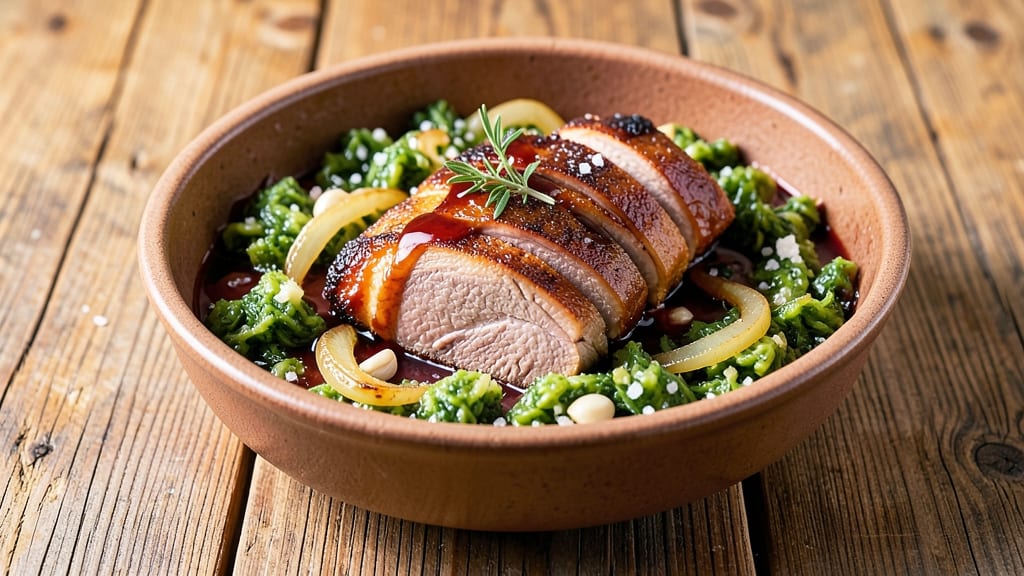
This pork and sauerkraut recipe with apple juice transforms simple ingredients into a rich, caramelized masterpiece that tastes like a German tavern meets American comfort food. 🌟 The secret lies in slow-braising pork until the edges turn golden, while apple juice and sauerkraut create a sweet-tart sauce that clings to every bite—just like my grandmother used to make, though her version required twice the effort and half the precision.
The beauty of this dish is in its simplicity: tender pork shoulder braised until fork-tender, sauerkraut softened just enough to release its tangy depth, and apple juice reduced into a glossy, slightly caramelized sauce.
What makes it special is how the flavors develop—starting with a deep, savory base that finishes with bright, fruity sweetness. The key is patience; letting everything simmer together creates layers of flavor that no quick recipe can match.
By the time you serve this, you'll have a dish that's hearty enough for a family dinner but elegant enough for company—golden pork that falls apart at the touch, sauerkraut with just the right bite, and a sauce so rich it coats every spoonful.
The aroma alone will have everyone gathering at the table, and the taste? That's where the magic happens.
Pair it with buttery dumplings or crusty rye bread to soak up every last drop of that caramelized goodness. This is the kind of meal that feels like a hug in food form—comforting, satisfying, and impossible to resist. Let's get cooking!
Ingredients for pork and sauerkraut recipe with apple juice
Six core ingredients plus pantry staples—this braise delivers restaurant-quality depth with minimal effort.
| Ingredient | Amount | Notes |
|---|---|---|
| Pork Shoulder (Bone-In) 🍖 | 3 lb | Cut into 2-inch chunks, skin removed |
| Sauerkraut (Fresh) 🥬 | 2 cups | Rinsed and drained, packed tightly |
| Unsalted Butter 🧈 | ½ cup | Full-fat for richness, cubed |
| Apple Juice (Unsweetened) 🍎 | 1 ½ cups | Cloudy or clear, no added sugar |
| Yellow Onion 🧅 | 1 whole | Large, sliced into half-moons |
| Garlic Cloves 🧄 | 4 cloves | Peeled and smashed, not minced |
| Carrots 🥕 | 2 whole | Medium, cut into thick slices |
| Fresh Thyme 🌿 | 2 sprigs | Stems removed, leaves only |
| Bay Leaves 🍃 | 2 whole | Dried or fresh, standard size |
| Kosher Salt 🧂 | 1 ½ tsp | Diamond Crystal preferred |
| Ground Black Pepper 🌶️ | 1 tsp | Freshly cracked, coarse grind |
| Brown Sugar 🍚 | 2 tbsp | Light or dark, packed tightly |
| Apple Cider Vinegar 🍺 | 1 tbsp | For brightness, not balsamic |
The pork shoulder is non-negotiable here—bone-in gives richer flavor, and Costco or local butchers usually carry it pre-cut for convenience. Look for good marbling (white flecks of fat) and avoid anything with a grayish tint. If you can't find bone-in, bone-less shoulder works too—just add a bay leaf to mimic the depth. The sauerkraut should be bright white or pale yellow, not brown or slimy. Trader Joe's carries excellent quality in jars, but the refrigerated sections at Whole Foods often have fresher options. For apple juice, cloudy varieties (like Odwalla or Martinelli's) add subtle sweetness without overpowering, while clear juices like Tropicana give a cleaner finish.
No apple juice? Unsweetened white grape juice works in a pinch, though the flavor profile shifts slightly. Swapping sauerkraut for kimchi adds heat—reduce the vinegar to 1 tsp to balance. Running short on butter? Olive oil or duck fat (trust me on the duck fat) creates a similar richness. The brown sugar can be swapped for honey (vegetarian) or maple syrup (vegan), but reduce to 1.5 tbsp to avoid over-sweetness. Fresh thyme is ideal, but dried thyme at one-third the amount (so ⅔ tsp) works if you're in a hurry. The carrots can be substituted with parsnips for a nuttier taste, or celery root for earthier notes—just adjust cooking time if needed.
This braise tastes even better the next day—plan ahead and make a double batch. Store in an airtight container in the fridge for up to 5 days, or freeze portions for 3 months. The sauce thickens as it cools, so add 1-2 tbsp water when reheating. For serving, buttery dumplings or crusty rye bread soak up every last drop. The pork becomes more tender with each reheat, so leftovers are a gift. If you've got extra sauce, freeze it separately—it's perfect for glazing sausages or drizzling over roasted vegetables later in the week.
Why You'll Love This Recipe
- One-Pan Magic: I swear by this—just the pork, sauerkraut, and onion in one skillet, then the apple juice deglazes everything into a sticky, golden sauce. No chopping boards to wash, no extra pots to scrub.
- Sweet-Savory Balance: That tangy sauerkraut meets the caramelized pork, then the apple juice cuts through with just enough brightness. It’s like a hug in a skillet—familiar but exciting.
- Leftovers That Win: This dish actually improves the next day. The flavors meld, the pork gets even more tender, and I’ve reheated it for breakfast tacos or sandwiches. Zero waste, all flavor.
- Budget-Friendly Feast: Bone-in pork shoulder stretches across meals, sauerkraut lasts forever, and apple juice is cheaper than fancy wine. Honestly, it’s the kind of recipe that makes grocery day feel like a victory.
Step-by-step instructions for sweet-tart pork braise
This braise delivers melt-in-your-mouth pork with caramelized edges and tangy-sweet sauce.
🍳 Step 1: Sear the Pork Shoulder for Deep Flavor
Pat the 3 lb pork shoulder dry with paper towels and cut into 2-inch chunks, removing any remaining skin. Heat a large Dutch oven over medium-high heat until hot. Add 0.5 cup cubed unsalted butter and let it melt completely, swirling to coat the bottom.
Working in batches, add the pork chunks to the Dutch oven without overcrowding. Sear for 3-4 minutes per side until deeply browned with crispy edges. Transfer the seared pork to a plate as you go—this prevents steaming and ensures maximum browning. The pork should release easily from the pan when ready to flip.
👨🍳 Step 2: Build the Aromatic Base
In the same Dutch oven, add the 1 whole yellow onion sliced into half-moons and the 2 whole carrots cut into thick slices. Cook for 5 minutes until the onions soften and begin to caramelize slightly. Add the 4 smashed garlic cloves, 2 sprigs fresh thyme, and 2 whole bay leaves, stirring for 30 seconds until fragrant.
Here's where the magic happens: Sprinkle in the 1.5 tsp kosher salt, 1 tsp ground black pepper, and 2 tbsp brown sugar. Stir for 1 minute to toast the spices—this develops their flavors before adding liquids. The sugar will begin to caramelize slightly, creating a deeper base flavor for the braise.
🥘 Step 3: Deglaze and Simmer the Braise
Pour in the 1.5 cups unsweetened apple juice and 1 tbsp apple cider vinegar, scraping up all the browned bits from the bottom of the pan with a wooden spoon. This deglazing step captures all the concentrated meaty flavors that would otherwise burn. Return all the seared pork to the Dutch oven.
Bring the mixture to a gentle simmer over medium heat, then reduce heat to low. Cover partially with a lid (leave a small gap for steam to escape) and simmer for 1 hour 30 minutes. The pork is done when it easily pulls apart with two forks and the sauce has thickened to a glossy consistency. Stir occasionally to prevent sticking, but avoid over-mixing which can break up the meat.
🍳 Step 4: Finish with Sauerkraut and Rest
Add the 2 cups rinsed and drained sauerkraut to the Dutch oven, stirring gently to distribute it among the pork. Increase heat to medium-low and simmer uncovered for an additional 20-25 minutes until the sauerkraut softens and the sauce thickens further. The sauerkraut should be tender but still hold its shape slightly—it'll continue cooking as it rests.
Real talk: Don't skip this resting step. Transfer the entire Dutch oven to a warm burner or place it in a 200°F oven for 15 minutes. This allows the juices to redistribute throughout the pork, ensuring each bite is moist and flavorful. The sauerkraut will absorb some of the sauce, creating a perfect balance of textures.
🍽️ Step 5: Serve with Crispy Edges and Tangy Sauce
Spoon the pork and sauerkraut onto serving plates, ladling the rich, caramelized sauce over the top. The sauce should coat the pork and vegetables, with visible chunks of caramelized pork edges throughout. Each serving should have a perfect balance of tender pork, crisp-tender sauerkraut, and glossy sauce that's both sweet and tangy.
For best results, serve immediately with crusty bread to soak up the sauce. The pork should be fork-tender with a slight resistance when cut—it should pull apart easily but maintain some structure. If the sauce thickens too much while resting, whisk in 1-2 tablespoons of the cooking liquid to loosen it to your desired consistency.
Pro Tips For Making Pork And Sauerkraut Recipe With Apple Juice
- Brown the Pork First: I learned this the hard way—skipping the browning makes the sauce taste flat. Sear the pork shoulder in batches over medium-high heat until deep golden, even if it takes 15 minutes. The crust adds flavor that nothing else can replace.
- Drain and Rinse the Sauerkraut: Fresh sauerkraut is packed with liquid, and too much in the pan will dilute the apple juice’s tang. Rinse it quickly under cold water, then drain well in a colander. This keeps the dish from turning into a watery stew.
- Deglaze with Apple Juice Early: Don’t wait until the end to add the apple juice—pour a splash in after browning the onions to scrape up the browned bits. This builds flavor layer by layer, and you’ll end up with a richer sauce instead of just a sweet glaze.
- Use Bone-In Pork for Moisture: The bone keeps the pork shoulder juicy, but if you’re in a hurry, don’t trim the fat—render it down first. The fat baste the meat naturally, so let it crisp up before adding the sauerkraut. (Yes, even if you’re impatient like me.)
Flavor customization for this dish
Sweet-Tart Balance
Adjust the apple juice to vinegar ratio to control sweetness and tang. For a brighter finish, increase vinegar to 1.5 tbsp—this cuts through the richness beautifully. Want extra sweetness? Add 1 tbsp honey or 1 tbsp maple syrup during the final 20 minutes of simmering.
I often taste the sauce before adding sauerkraut; if it needs more depth, a splash of apple cider (not vinegar) adds complexity without overpowering. 🍎
Spicy Kick Options
For heat lovers, stir in ½ tsp smoked paprika with the spices or add 1-2 slices of jalapeño (seeds removed) during the final 10 minutes of simmering. If you prefer a smoother heat, blend 1 tsp gochujang into the sauce after removing the pork.
I’ve also seen amazing results with ½ tsp cayenne sprinkled over the finished dish—just a pinch transforms the flavor profile. 🌶️
Herb Variations
Swap thyme for rosemary (use 1 sprig) for an earthier note, or add 1 tsp dried marjoram for a Mediterranean twist. Fresh sage (2 leaves) pairs beautifully with apple juice, creating a warm, aromatic depth.
For a brighter finish, stir in 1 tbsp chopped fresh parsley at the end—it brightens the dish without overpowering. My grandmother always added a bay leaf, but I’ve experimented with star anise for a subtle licorice note.
Smoky Depth
Crank up the smokiness by adding ½ tsp chipotle powder or 1 smoked paprika with the initial spices. For a more intense flavor, sear the pork in a cast-iron skillet until deeply browned, then transfer to the Dutch oven.
If you have a smoker, finish the braise with 5 minutes of indirect smoke—just enough to infuse the sauce with a subtle woodiness. I’ve also used liquid smoke (¼ tsp) in a pinch, but fresh smoke is always better. 🔥
Vegetable Swaps
Replace carrots with celery root for a nuttier taste or parsnips for natural sweetness. Swap onions for leeks (white and light green parts only) for a milder, slightly sweeter flavor. For a heartier dish, add ½ cup chopped mushrooms with the onions—they absorb the sauce beautifully.
I’ve also used sweet potatoes (peeled and cubed) for a vibrant orange hue and extra creaminess. 🥕
Dietary Tweaks
Make this dish vegan by replacing pork with extra-firm tofu or mushroom medley (shiitake + cremini). Use olive oil instead of butter and maple syrup instead of brown sugar. For gluten-free, ensure your sauerkraut is certified gluten-free and serve with cornbread instead of rye bread.
To reduce sodium, rinse the sauerkraut thoroughly and use ½ the salt called for. I’ve also made a lighter version with turkey shoulder instead of pork—it’s just as tender but with less fat. 💛
Nutrition facts
Frequently asked questions
Can I use apple cider instead of apple juice in this recipe?
Yes, but with a few adjustments! Apple cider has a stronger flavor and more texture, so use 1 cup cider + 0.5 cup water to maintain the right consistency. The cider will add a deeper, slightly spiced note that pairs beautifully with the sauerkraut. If you prefer a smoother sauce, strain it after simmering.
How do I make this dish less acidic if the sauerkraut is too tangy?
Rinse the sauerkraut thoroughly under cold water to remove excess brine, then pat it dry before adding. For extra balance, stir in 1 tbsp honey or 1 tbsp maple syrup during the final 10 minutes of simmering. A splash of apple cider (not vinegar) also adds sweetness without overpowering.
Can I make this recipe in a slow cooker?
Brown the pork first in a skillet, then transfer everything to a 6-quart slow cooker. Cook on low for 6-8 hours or high for 3-4 hours. The slow cooker method works especially well for busy weeknights—just add the sauerkraut in the last 30 minutes to prevent mushiness.
What's the best way to reheat leftovers?
Gently reheat in a skillet over medium-low heat with 1-2 tbsp water or apple juice to prevent drying. Avoid microwaving—it makes the pork rubbery. For best results, reheat just until warmed through (5-7 minutes) and serve immediately with fresh bread to soak up the sauce.
Can I substitute pork shoulder with another cut?
Yes! Pork butt works identically, while pork loin (cut into chunks) will be leaner but still tender. For extra richness, try ribs—just reduce cooking time to 1 hour after adding sauerkraut. If using chicken thighs, increase cooking time to 2 hours to ensure tenderness.