
Main Courses
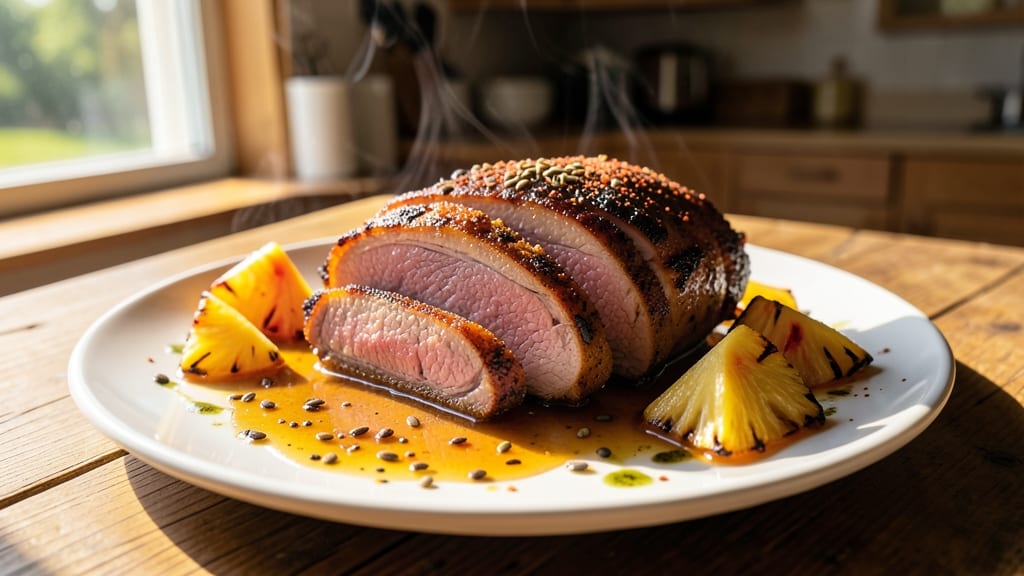
This pork asado recipe with pineapple juice brings the bold flavors of Latin America to your table with tender meat and a sweet-tangy marinade that transforms tough cuts into melt-in-your-mouth bites. 🌟 The pineapple juice isn’t just a garnish—it’s the secret weapon that breaks down fibers and adds a tropical brightness that pairs perfectly with smoky grilled flavors.
I first tried this technique while adapting my grandmother’s handwritten notes, and it became an instant family favorite for summer cookouts.
The magic happens in the marinade, where pineapple juice tenderizes the pork while balancing the heat of spices like cumin and paprika.
You’ll grill or roast the pork until it’s perfectly caramelized on the outside but still juicy inside, then serve it with grilled vegetables or a side of rice to soak up every drop of that flavorful juices.
This isn’t just a recipe—it’s a celebration of bold, simple flavors that taste like a vacation in every bite.
What makes this recipe special is how it delivers restaurant-quality tenderness without requiring hours of prep or expensive equipment.
The pineapple juice works its magic overnight, so you only need to focus on grilling or roasting for about 30 minutes—perfect for a weeknight dinner that feels like a special occasion. The result?
Juicy, flavorful pork that’s crispy on the edges and tender all the way through, with a glaze that’s sticky-sweet and just slightly tangy.
Serve it with grilled plantains or a fresh mango salsa for a dish that’s as vibrant as it is delicious. This recipe is all about balancing tradition with ease—just like my grandmother’s kitchen. Let’s get cooking!
Ingredients for pork asado recipe with pineapple juice
Pineapple juice and smoky spices transform tough pork into melt-in-your-mouth bites—just eight ingredients for restaurant-quality tenderness.
| Ingredient | Amount | Notes |
|---|---|---|
| Pork Shoulder 🐖 | 2 lb | Bone-in for best flavor |
| Fresh Pineapple Juice 🍍 | 1 cup | From ripe pineapple, not canned |
| Olive Oil 🫒 | ½ cup | Extra-virgin for richness |
| Garlic Cloves 🧄 | 6 cloves | Minced for marinade |
| Ground Cumin 🌿 | 1 tbsp | Toasted for deeper flavor |
| Smoked Paprika 🌶️ | 1 ½ tbsp | For smoky depth |
| Brown Sugar 🍯 | ½ cup | Light or dark preferred |
| Lime Juice 🍋 | ¼ cup | Freshly squeezed |
| Salt 🧂 | 1 ½ tsp | Diamond Crystal preferred |
| Black Peppercorns 🌶️ | ½ tsp | Freshly cracked |
| Fresh Cilantro 🌿 | ¼ cup | Chopped for garnish |
| Avocado Oil 🫒 | 2 tbsp | For high-heat searing |
| Orange Zest 🍊 | 1 tbsp | Brightens the marinade |
The pork shoulder is where the magic happens. Look for well-marbled cuts at your butcher or grocery store's meat counter—Costco or Whole Foods always have great options. Bone-in pieces stay juicier, and you can ask them to cut it into 1-inch chunks for even cooking. Fresh pineapple juice is non-negotiable here—the canned stuff lacks the bright acidity that tenderizes the meat. If you can't find fresh pineapple, Trader Joe's sells concentrated pineapple juice that works in a pinch, but dilute it with water to mimic fresh juice. The orange zest might seem small, but it adds that bright citrus note that balances the smokiness perfectly—don't skip it.
No fresh pineapple juice? Fresh mango purée works beautifully as a substitute, though it'll give a slightly different tropical vibe. Running short on lime juice? Key lime juice or even lemon juice will do, but reduce the amount to 2 tbsp since they're more acidic. The smoked paprika can be swapped for regular paprika if you're out, but you'll lose that deep, smoky character. For the brown sugar, coconut sugar or even maple syrup will add caramel notes without altering the marinade's balance. And if you're grilling instead of roasting, avocado oil's high smoke point makes it ideal for searing those beautiful char marks.
Marinate the pork overnight for maximum tenderness—24 hours is ideal. Store the marinade in a sealed container in the fridge, and give it a good stir before using. The pork keeps well in the fridge for 2 days after marinating, but it's best cooked within 48 hours for peak flavor. If you're prepping ahead, you can even freeze the marinated pork for up to 3 months—just thaw it in the fridge overnight before cooking. The leftovers? They're even better the next day as the flavors meld further. I always save the leftover marinade to use as a glaze for the final minutes of cooking—just reduce it on the stovetop until syrupy.
Why You'll Love This Recipe
- One-Pan Magic: I swear by this trick—just toss the pork shoulder in a sheet pan with pineapple juice, olive oil, and garlic, then let the oven do the work. No chopping, no flipping, and zero cleanup beyond one pan.
- Sweet-Savory Bomb: That fresh pineapple juice? It’s the secret weapon—bright, tangy, and just enough to cut through the richness of the pork while the cumin and garlic add this deep, earthy warmth. Honestly, it’s the kind of flavor that makes you slow down and savor every bite.
- Weeknight to Party: Between us, this is my go-to for lazy Mondays and when I need to impress guests. The same simple method works for a quick family dinner or a spread that’ll have people asking for seconds. (Yes, even on a Tuesday night.)
- Budget-Friendly Feast: Pork shoulder stretches for days, and the pineapple juice keeps it juicy without breaking the bank. I’ll make a double batch, reheat it in tacos or over rice, and still have leftovers for lunch—no takeout needed.
Step-by-step instructions for tropical-marinated pork asado
Here's how to transform simple ingredients into melt-in-your-mouth pork with a sweet-savory tropical twist.
👨🍳 Step 1: Create the Tropical Marinade
In a large bowl, whisk together the 1 cup fresh pineapple juice, 0.5 cup olive oil, 0.5 cup brown sugar, 0.25 cup lime juice, 1 tbsp orange zest, 1.5 tsp salt, 0.5 tsp freshly cracked black peppercorns, 1 tbsp ground cumin, and 1.5 tbsp smoked paprika. This marinade is the secret weapon—it tenderizes while infusing that perfect balance of sweet, tangy, and smoky flavors.
Add the 6 minced garlic cloves and mix until fully incorporated. The garlic should dissolve into the marinade, not remain as chunks. Here's the thing—the pineapple juice contains enzymes that break down the pork's tough fibers, while the citrus and sugar create a caramelized crust when cooked. Let this mixture sit at room temperature for 10 minutes to allow the spices to bloom and release their aromas.
🍳 Step 2: Coat and Rest the Pork
Place the 2 lb bone-in pork shoulder in a large resealable plastic bag. Pour the marinade over the pork, making sure it coats every surface. I like to use my hands here—massage the marinade into the meat, working it into the crevices. Seal the bag and refrigerate for at least 4 hours (overnight is even better). This resting period allows the flavors to penetrate deeply while the enzymes work their magic.
Don't skip this step. I've found that pork marinated for less than 4 hours often results in uneven flavor distribution. The bone-in cut is crucial too—it adds flavor to the cooking liquid and keeps the meat moist during the long cook.
🔥 Step 3: Sear for Maximum Flavor
Remove the pork from the refrigerator 30 minutes before cooking to bring it to room temperature. Heat a large skillet over medium-high heat and add 2 tbsp avocado oil. Once the oil shimmers, add the pork shoulder and sear on all sides until deeply browned—about 3-4 minutes per side. You're not cooking it through here, just creating that flavorful crust that'll carry all those tropical notes.
Real talk: this searing step makes a HUGE difference. The browned exterior traps the juices inside while adding depth of flavor. If you notice the marinade smoking excessively, reduce the heat slightly—you want a gentle sizzle, not a wild fire.
🔥 Step 4: Slow-Cook Until Fork-Tender
Transfer the seared pork to a Dutch oven or heavy oven-safe skillet. Pour any remaining marinade from the bag into the pan, scraping up all those delicious browned bits from the bottom. Place the pork in a 325°F oven and cook uncovered for 3 hours. Here's where the magic happens—the pork will become fork-tender as it slowly transforms from tough to melt-in-your-mouth delicious.
I check for doneness by inserting a meat thermometer into the thickest part of the pork—it should read 195-200°F. The internal temperature will rise another 5-10°F as it rests, so don't worry if it's not quite there yet. If the pork starts to dry out before reaching this temperature, add ¼ cup water to the pan and cover loosely with foil.
🍽️ Step 5: Rest and Garnish for Presentation
Remove the pork from the oven and transfer it to a cutting board. Tent loosely with aluminum foil and let it rest for 15-20 minutes. This resting period is non-negotiable—it allows the juices to redistribute throughout the meat, ensuring each bite is moist and flavorful. During this time, skim any excess fat from the cooking liquid and reduce it by simmering on the stovetop for 3-4 minutes until slightly thickened.
Slice the pork against the grain into ½-inch thick slices. Garnish each serving with 0.25 cup chopped fresh cilantro and drizzle with the reduced cooking liquid. The finished dish should have a beautiful caramelized crust with tender, juicy meat that practically falls apart at the touch. Serve with warm tortillas, grilled vegetables, or over rice to soak up all that delicious sauce.
Pro Tips For Making Pork Asado Recipe With Pineapple Juice
- Sear First, Braise Later: The pineapple juice will soften the pork fast, but if you skip the sear, you’ll lose that deep, caramelized flavor that makes the dish sing. Get your pan screaming hot—2 minutes per side for a proper crust—before you even think about adding the garlic or cumin.
- Strain That Juice: Fresh pineapple juice is brilliant, but the fibrous bits from the pulp turn your braise into a sloppy mess. Strain it through a fine-mesh sieve or cheesecloth, and you’ll avoid the texture of a fruit smoothie instead of a silky sauce.
- Don’t Rush the Cumin: Ground cumin burns faster than you’d think, especially when it’s toasting in olive oil. Keep the heat medium-low while blooming it with the garlic—just until you smell that earthy warmth, not until it turns bitter. Overdo it, and you’ll taste ash instead of spice.
- Save the Pineapple Rind: The rind from your pineapple isn’t trash—it’s a flavor booster. Toss it into the braising liquid with the pork. It’ll infuse the juice with a bright, almost citrusy depth that fresh juice alone can’t match. (Yes, even if you’re impatient like me.)
Storing and reheating this pork asado recipe with pineapple juice
Marinade Prep Ahead
Make the marinade up to 3 days in advance and store it in an airtight container in the fridge. The flavors deepen as it sits, and the pineapple enzymes continue breaking down proteins. I like to double the batch—extra marinade makes a fantastic glaze for the final minutes of cooking.
Just reduce the leftover marinade on the stovetop until it's syrupy, then brush it on the pork during the last 5 minutes of roasting. 💫
Pork Storage Tips
Raw marinated pork keeps for 2 days in the fridge, but I recommend cooking it within 48 hours for best results. For longer storage, freeze the marinated pork in a single layer on a tray, then transfer to a freezer bag.
Thaw overnight in the fridge—never at room temperature. The bone-in cut handles freezing exceptionally well, maintaining moisture even after thawing. 🥶
Reheating Leftovers
Leftover pork asado reheats beautifully in the oven. Wrap slices in aluminum foil with 1 tbsp pineapple juice and reheat at 300°F for 10-15 minutes until warmed through.
For quick meals, microwave slices covered with a damp paper towel on 70% power for 1-2 minutes, then finish with a splash of pineapple juice to revive the moisture. The reheated pork stays tender but gains a slightly crispy edge from the residual caramelization. ✨
Glaze Revival Trick
Dry reheated pork? No problem. Warm 2 tbsp pineapple juice with 1 tsp brown sugar in a small saucepan until slightly thickened. Brush this glaze over the pork just before serving—it'll restore that sticky, caramelized finish.
I keep extra pineapple juice in the fridge specifically for this purpose. It's like giving your leftovers a second chance at restaurant-quality shine. 🔥
Freezer-Friendly Sides
Prep sides ahead too! Grilled vegetables like bell peppers and onions freeze well when blanched first. Cook them ahead, cool completely, then store in airtight containers. Reheat in a skillet with 1 tbsp avocado oil for 3-4 minutes before serving.
Warm tortillas or rice can be reheated in the microwave with a damp paper towel to keep them soft and pliable. 🌶️
Make-Ahead Serving Suggestions
For stress-free entertaining, assemble the entire meal ahead. Store components separately—pork in one container, sides in others—and reheat just before serving. The pineapple-marinated pork actually tastes better the next day as flavors meld further.
I've hosted dinner parties where the pork was marinated overnight, cooked the morning of, and served at room temperature—it was a hit! Just keep everything covered to maintain moisture until serving time. 💛
Nutrition facts
Frequently asked questions
Why does pineapple juice make the pork so tender?
The pineapple juice contains natural enzymes called bromelain that break down the tough muscle fibers in pork, making it fork-tender. Plus, the acidity helps tenderize while balancing the smoky spices. For best results, use fresh pineapple juice—canned versions lack the same enzymatic power.
Can I use pork tenderloin instead of pork shoulder?
Yes, but expect different results! Pork tenderloin cooks much faster (20-25 minutes at 375°F) and stays tender without long marinating. For this recipe, cut it into 1-inch chunks and reduce the marinade time to 2-4 hours to avoid over-tenderizing. The flavor will be excellent, but the texture will be more delicate.
What if I don't have a Dutch oven for roasting?
No problem! Use a heavy oven-safe skillet or even a cast-iron pan. Just make sure it has a lid to trap steam during cooking. If you're grilling instead, sear the pork first, then move it to the grill and cook at medium heat for 20-25 minutes, turning occasionally. The key is keeping the heat steady and covered.
How do I know when the pork is fully cooked?
Use a meat thermometer! Insert it into the thickest part of the pork—it should read 195-200°F for shoulder cuts. The internal temperature will rise another 5-10°F as it rests, so don't overcook it. If you don't have a thermometer, cut into a small piece—it should be tender and juices should run clear.
Can I make this recipe in a slow cooker?
Sear the pork first, then transfer it to your slow cooker with the marinade. Cook on low for 6-8 hours or high for 4-5 hours. The slow cooking method works especially well for pork shoulder, as it breaks down the connective tissue beautifully. Just add ¼ cup water if it looks dry during cooking.