
Main Courses
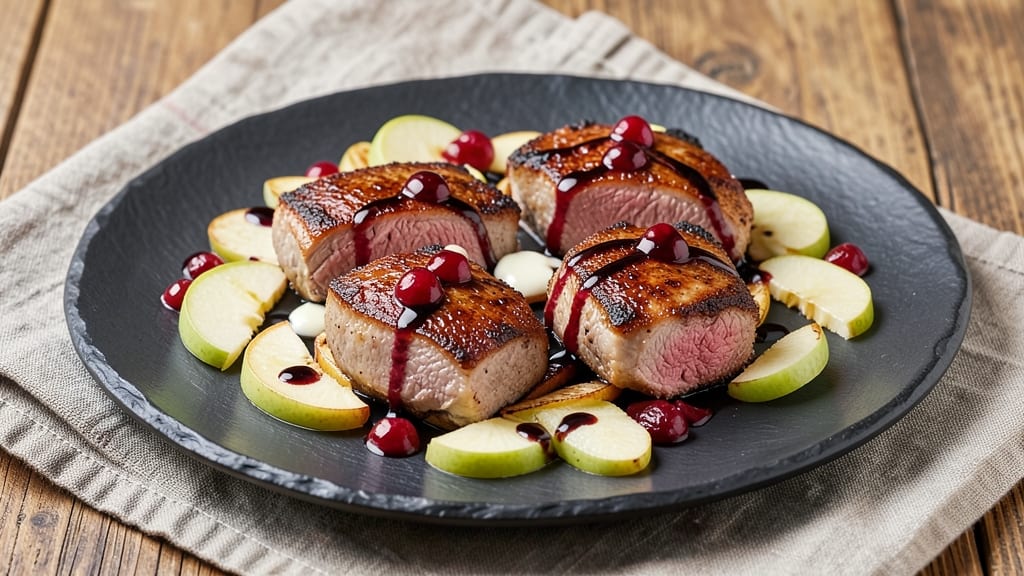
This pork chop, apple, and cranberry recipe delivers crispy edges and a sweet-tart glaze that transforms weeknight dinner into a restaurant-worthy meal. I developed it after years of perfecting the balance between savory pork and fruit's natural sweetness—no complicated techniques, just foolproof results.
The secret lies in pan-searing the chops until golden, then finishing them with a glossy compote that caramelizes into a perfect sweet-savory balance.
What makes this dish special is how effortlessly it comes together. You'll start with bone-in pork chops seared in a cast iron skillet until crispy, then simmer apples, cranberries, and a touch of balsamic vinegar into a thick, jammy sauce.
The fruit's acidity cuts through the pork's richness while adding layers of autumnal flavor. This recipe serves four in under 45 minutes, making it ideal for impressing guests without spending all day in the kitchen.
The result is juicy, tender pork with crispy edges that hold up to the vibrant fruit sauce. Each bite delivers a perfect harmony of textures—tender meat, caramelized fruit, and a glossy sheen from the reduced compote.
The sauce clings beautifully to the chops, creating that coveted "fork-tender" experience without drying out the meat. Serve with roasted sweet potatoes or a simple green salad to round out the meal.
Pair this dish with a bold red wine like Cabernet Sauvignon to complement both the pork and fruit flavors. The recipe scales easily for larger gatherings, and leftovers reheat beautifully—just warm gently with a splash of broth.
Whether you're cooking for a special occasion or just craving something elevated, this pork chop recipe delivers restaurant-quality results at home.
Ingredients for pork chop apple cranberry
Pantry staples and seasonal produce combine for restaurant-quality pork chops with crispy edges and sweet-tart glaze.
| Ingredient | Amount | Notes |
|---|---|---|
| Bone-In Pork Chops 🥩 | 4 whole | 1-inch thick, rib chops preferred |
| Granny Smith Apples 🍎 | 2 medium | Peeled, cored, sliced thin |
| Fresh Cranberries 🍇 | 1 cup | Fresh or frozen, no sugar added |
| Balsamic Vinegar 🍷 | ¼ cup | Aged, for depth of flavor |
| Unsalted Butter 🧈 | 2 tbsp | Cold for crispy edges |
| Olive Oil 🫒 | 1 tbsp | Extra-virgin for high heat |
| Fresh Thyme Leaves 🌿 | 2 tsp | Or 1 tsp dried thyme |
| Garlic Cloves 🧄 | 2 cloves | Minced for aromatic base |
| Brown Sugar 🍯 | 1 tbsp | Light or dark variety |
| Salt 🧂 | 1 tsp | Kosher or sea salt |
| Ground Black Pepper 🌶️ | ½ tsp | Freshly ground preferred |
| Honey 🍯 | 1 tbsp | For glaze finish |
The pork chops are the star, so bone-in rib chops make all the difference—they stay juicier and hold up better to high heat. Look for thick-cut chops (1-inch minimum) at Whole Foods or your local butcher. If you can't find rib chops, loin chops work too, but pat them dry before searing. The apples should be firm and crisp—Granny Smiths are ideal, but Honeycrisp or Fuji add natural sweetness. For the cranberries, fresh is best (they plump up beautifully), but frozen works in a pinch—just don't thaw them first.
No Granny Smith apples? Honeycrisp or Fuji hold up well to cooking and add natural sweetness. Substitute dried cranberries for fresh, but reduce the amount to half a cup—they're more concentrated. Running short on balsamic vinegar? Apple cider vinegar works, though it's slightly less complex. The honey can be swapped for maple syrup if you prefer, but it adds a deeper earthiness. For a quicker prep, use pre-sliced apples from the produce section (just rinse them well), and jarred cranberry sauce (no sugar added) cuts prep time in half—just simmer it with the compote ingredients.
Pork chops keep best in the fridge for 2 days before cooking—wrap them tightly in plastic wrap. The compote ingredients (apples, cranberries, vinegar) can be prepped a day ahead and stored in the fridge, saving you time on cooking day. Once assembled, the dish reheats beautifully—gentle warming in a skillet with a splash of broth brings back that crispy edge. Portion leftovers into single-serving containers for easy lunches, and freeze for up to 3 months if you're meal prepping.
Why You'll Love This Recipe
- One-Pan Magic: I swear by this recipe when I’m too tired to scrub pots—just toss everything on a sheet pan, and the apples caramelize while the pork chops crisp. The cranberries burst under the heat, and you’re left with a sticky, flavorful mess that’s almost too pretty to eat.
- Sweet-Savory Balance: That tangy balsamic glaze cuts through the richness of the pork, while the Granny Smith apples add a bright, almost citrusy bite. Fresh cranberries? They’re the secret weapon—sour, juicy, and they hold their shape perfectly. It’s the kind of dish that makes you forget it’s "healthy."
- Weeknight Hero: Between us, this is my go-to when I’ve got a houseful of people who won’t shut up about what’s for dinner. The leftovers reheat like a dream (yes, even the crispy bits), and it’s hearty enough for a Sunday supper but still feels special. My kids argue over who gets the last piece of pork—proof it works for picky eaters too.
- Budget-Friendly Luxury: Bone-in pork chops stretch further than their boneless cousins, and apples + cranberries are cheaper than you’d think when you’re not paying for pre-cut trays. Honestly, I make this when I’m pinching pennies, but it tastes like I spent hours in the kitchen. The butter and balsamic make it feel indulgent without breaking the bank.
Step-by-step instructions for pan-seared pork chops with apple-cranberry glaze
Here's how to achieve perfectly crispy pork chops with a balanced sweet-tart glaze.
Season and Sear the Pork Chops
Pat the 4 whole bone-in pork chops completely dry with paper towels—this ensures maximum crispiness. Season both sides generously with 1 teaspoon salt and ½ teaspoon ground black pepper, pressing the seasoning into the meat so it adheres. Let them sit at room temperature for 15 minutes while you prepare the rest.
Heat 1 tablespoon olive oil in a large skillet over medium-high heat until shimmering. Add the pork chops and cook undisturbed for 3-4 minutes per side until they develop a deep golden-brown crust. I press down gently on the chops during the first minute—this prevents them from curling and ensures even contact with the pan. Remove the chops and set them aside on a plate, tented loosely with foil to keep warm.
Cook the Apple-Cranberry Mixture
In the same skillet, reduce heat to medium and add 2 tablespoons cold unsalted butter. Once melted, add the 2 medium peeled, cored, and thinly sliced Granny Smith apples and cook for 3 minutes until they begin to soften slightly. Add the 1 cup fresh cranberries, 2 cloves minced garlic, and 2 teaspoons fresh thyme leaves, stirring to combine.
Cook for another 4-5 minutes until the cranberries burst and the mixture thickens slightly. Sprinkle in the 1 tablespoon brown sugar and stir, letting it caramelize for 1 minute. Pour in the ¼ cup aged balsamic vinegar and scrape up any browned bits from the bottom of the pan—these contain concentrated flavor. Simmer for 3 minutes until the liquid reduces by half.
Glaze and Finish the Pork Chops
Return the pork chops to the skillet and spoon the apple-cranberry mixture evenly over them. Cover the skillet and cook for 2-3 minutes on low heat, allowing the chops to absorb the glaze while staying tender. The internal temperature should reach 145°F when measured with an instant-read thermometer.
Remove the skillet from heat and drizzle 1 tablespoon honey over the top. Let it sit for 1 minute to thicken slightly—this creates a glossy finish. Taste and adjust seasoning if needed, then transfer the pork chops to a serving platter. Spoon any remaining glaze from the skillet over the top for presentation.
Pro Tips For Making Pork Chop Apple Cranberry
- Sear First, Braise Later: Bone-in pork chops need that crust, but don’t walk away after the first sear—I’ve learned the hard way that rushing this step means dry meat later. Get the pan screaming hot, lay those chops in butter and appleskin-side down, and let them develop a deep brown for 3-4 minutes. Then pull them out, toss in the cranberries and vinegar, and finish cooking low and slow.
- Core the Apples: Granny Smiths stay firmest when cored and sliced—no one wants mushy apples in their sauce. Use a small melon baller or knife to scoop out the core, then cut into ¼-inch slices. Thicker pieces take forever to soften and turn to mush instead of caramelizing.
- Deglaze Aggressively: That browned butter and pork fond sticking to the pan? Don’t just splash in vinegar and stir—scrape with a wooden spoon while you pour. The extra effort pulls more flavor into the sauce, and you’ll end up with a glossy, tangy reduction instead of a thin, watery glaze.
- Salt the Cranberries: Fresh cranberries taste bland until they’ve had time to burst and sweeten. Toss them in a pinch of salt and let them sit for 10 minutes before adding to the pan—I was skeptical until I tried it. The salt breaks down their tough skins faster, and the sauce gets that bright, jammy depth without extra sugar.
Common mistakes when making perfect results
Overcooking Pork Chops
One of my biggest pet peeves is dry pork chops—it happens when they spend too long in the pan or hit high heat too quickly. Bone-in pork chops should reach an internal temperature of 145°F—any higher and they turn tough.
I use an instant-read thermometer to check the thickest part of the chop. If you don’t have one, cut into the thickest part: it should be slightly pink in the center, not gray. 🌡️
Skipping the Rest
After searing, pork chops need 5-10 minutes of resting time before serving. This lets the juices redistribute—cutting into them too soon sends all that flavorful liquid running out.
I tent them loosely with foil and let them sit on a warm plate. Trust me, this step makes the difference between juicy perfection and sad, dry meat.
Using Wrong Apples
Granny Smith apples are a must—their tartness balances the sweetness of the cranberries and pork. If you grab red delicious or gala, they’ll turn mushy and lose their structure in the pan.
For extra crispness, I even par-cook the apples for 2 minutes in the skillet before adding cranberries. This keeps them from breaking down completely in the glaze.
Ignoring Pan Residue
The browned bits stuck to your skillet after searing are flavor gold—don’t scrape them out! Those caramelized bits add depth to the apple-cranberry mixture. After cooking the apples and cranberries, deglaze the pan with the balsamic vinegar, scraping up every last bit.
This simple step transforms a basic sauce into something restaurant-worthy.
Overcrowding the Pan
Crowding the skillet with too many chops at once steams them instead of searing, leading to soggy edges. Cook one chop at a time if needed—your pan will thank you. I use a 12-inch cast iron skillet for this recipe, and it comfortably fits 4 chops without overcrowding.
If your pan is smaller, work in batches and keep the cooked chops warm in a 200°F oven while finishing the rest.
Rushing the Glaze
The glaze needs time to thicken and meld with the pork’s juices. After drizzling honey, let the chops sit covered for 1 minute—this creates that glossy finish.
Skipping this step means a runny sauce instead of a cohesive, sticky glaze. Patience here is key: the longer you wait, the better the flavor integration. ✨
Nutrition facts
Frequently asked questions
Can I use frozen cranberries instead of fresh?
Yes, but use no-sugar-added frozen cranberries and don't thaw them first. Fresh cranberries plump up beautifully during cooking, while frozen ones release moisture more slowly. If using frozen, reduce the cooking time by 1-2 minutes to prevent a watery glaze. For best results, crush them slightly with your hands before adding to the pan.
What's the best way to store leftovers?
Store the pork chops and glaze separately in airtight containers for up to 3 days in the fridge. To reheat, warm the glaze in a small saucepan until thickened, then gently reheat the chops in a skillet with a splash of broth. For longer storage, freeze for up to 3 months—thaw overnight in the fridge before reheating.
How do I adjust this for a larger group?
Double or triple the recipe, but cook the chops in batches to maintain crispy edges. Use a larger skillet (14-inch) or work in two 12-inch pans. Keep finished chops warm in a 200°F oven while cooking additional batches. The glaze can be made ahead and reheated with the chops—just add a splash of water to restore thickness.
Can I make this recipe in a slow cooker?
Not ideal for crispy edges, but you can adapt it! Sear the chops first, then place them in the slow cooker with the apple-cranberry mixture on low for 2-3 hours. The result will be tender pork with a softer sauce. For best texture, finish by quickly pan-searing the chops after slow cooking to restore crispiness.
What wine pairs best with this dish?
A bold Cabernet Sauvignon or Pinot Noir complements both the pork and fruit flavors beautifully. For white wine lovers, a dry Riesling handles the sweet-tart balance. Serve the wine slightly chilled (55-60°F) to enhance the fruit's acidity while cutting through the richness of the pork.