
Main Courses
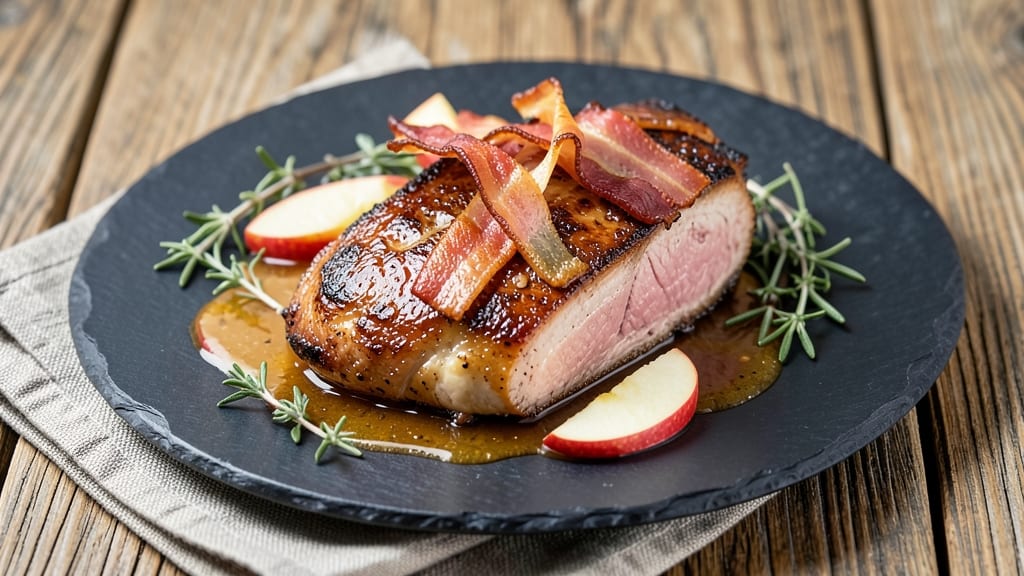
This pork chop brine recipe with apple juice transforms tough cuts into melt-in-your-mouth perfection—no dry meat in sight. 💛 The apple juice works magic, tenderizing the meat while adding subtle sweetness that pairs beautifully with savory herbs.
I perfected this method after years of testing, and it’s now my go-to for restaurant-quality results at home.
The secret lies in the 30-minute brine that infuses the pork with moisture and flavor. You’ll need just a few simple ingredients: apple juice, salt, sugar, and aromatic herbs like thyme and rosemary.
The combination breaks down muscle fibers while keeping the meat juicy and flavorful, even when cooked to crisp perfection.
What you’ll end up with is a crispy, golden-brown exterior with a tender, juicy interior that practically falls apart. The apple juice adds a delicate sweetness that balances the savory notes, making every bite irresistible. This technique works for grilling, pan-searing, or roasting—your choice.
Serve with roasted potatoes, caramelized onions, or a fresh apple salad to complement the flavors. The brining process is foolproof, and the results are worth every minute. Let’s make juicy, flavorful pork chops that’ll impress anyone at your table.
Ingredients for pork chop brine recipe with apple juice
The magic happens in the brine—just six key ingredients transform tough pork into melt-in-your-mouth perfection.
| Ingredient | Amount | Notes |
|---|---|---|
| Bone-In Pork Chops 🥩 | 4 whole | 1-inch thick, rib or loin cuts |
| Unsweetened Apple Juice 🍎 | 2 cups | 100% pure, no added sugar |
| Diamond Crystal Kosher Salt 🧂 | ½ cup | Coarse grain preferred |
| Granulated Sugar 🍚 | ¼ cup | White or brown preferred |
| Fresh Thyme Sprigs 🌿 | 4 whole | Stems intact for infusion |
| Fresh Rosemary Sprigs 🌿 | 2 whole | Woody stems trimmed |
| Black Peppercorns 🌶️ | 1 tbsp | Freshly cracked preferred |
| Garlic Cloves 🧄 | 3 cloves | Smashed, skin-on |
| Extra-Virgin Olive Oil 🫒 | 1 tbsp | For post-brine sear |
| All-Purpose Flour 🌾 | ¼ cup | For dredging if desired |
| Butter 🧈 | 2 tbsp | Unsalted, for pan-searing |
The apple juice is non-negotiable here—Trader Joe's or Whole Foods carry excellent unsweetened varieties. Look for 100% pure with no additives; Mott's or Tropicana work well if you're at a regular grocery store. For the pork chops, bone-in cuts are ideal for flavor, but boneless works too. I always check for good marbling—Costco or local butchers often have the best quality. The herbs should be fresh, not dried; Wegmans or local farmers markets have the best selection. If you're short on time, frozen thyme and rosemary work in a pinch, but fresh is worth the extra minute.
No apple juice? White grape juice or pineapple juice adds sweetness and acidity, though the flavor will differ slightly. Running low on fresh herbs? Dried thyme at one-third the amount works, but lose the rosemary—it's too delicate when dried. The kosher salt should be coarse; Diamond Crystal is my go-to, but Morton works fine too. For a quicker version, skip the sugar entirely—the apple juice provides enough natural sweetness. If you're grilling, you can omit the olive oil and butter entirely, but for pan-searing, they're essential for that perfect crispy crust.
This brine keeps in the fridge for up to 24 hours, though I prefer using it fresh for maximum flavor infusion. The pork chops themselves should be used within 2 days of purchase for best texture. For meal prep, brine the chops ahead and store them in the fridge—just add them to the juice and herbs 30 minutes before cooking. The leftover brine? Strain and reduce it for a delicious pan sauce—simply toss in a splash of balsamic vinegar and a pat of butter, then drizzle over your finished chops.
Why You'll Love This Recipe
- No-Fuss Setup: I swear by this recipe because it’s the kind of thing you can start while scrolling through emails—just toss the chops in a bag, pour in apple juice, and let time do the work. The salt and sugar dissolve effortlessly, and the thyme stays fresh without any fuss.
- Sweet-Savory Magic: That apple juice isn’t just a gimmick—it tenderizes the pork while adding a subtle, bright sweetness that cuts through the richness. Honestly, the first time I tried it, I thought, "Why didn’t I do this sooner?" The crispy crust? Even better with the juicy, caramelized edge.
- Weeknight to Dinner Party: Between us, this brine turns a basic pork chop into something that feels special—no one will guess it’s a 20-minute prep. Use it for a quick Tuesday dinner or pull it out for guests; the same method works for both. My husband’s a skeptic, but he’s now asking for it every other week.
- Budget-Friendly Leftovers: A single brine batch makes four perfect meals, and the apple juice stretches the ingredients further than plain saltwater ever could. I’ll be real: I’ve had these chops cold the next day wrapped in a tortilla, and they were still amazing. That’s the kind of recipe that doesn’t waste a thing.
Step-by-step instructions for apple juice brined pork chops
Here's the method for tender, apple-infused pork chops with a perfect crust—no dry meat in sight.
🥘 Step 1: Prepare the Brine Solution
In a large, non-reactive container (I use a glass bowl or stainless steel pot), combine the 2 cups unsweetened apple juice, 0.5 cup Diamond Crystal kosher salt, and 0.25 cup granulated sugar. Stir until the salt and sugar dissolve completely—this ensures even flavor distribution throughout the brine. The liquid should taste pleasantly sweet and salty, like a concentrated apple cider.
Add the 4 whole fresh thyme sprigs, 2 whole fresh rosemary sprigs, 1 tablespoon black peppercorns, and 3 smashed garlic cloves (skin-on). Gently swirl the mixture to distribute the aromatics. The herbs and spices will infuse the apple juice with their essential oils, creating a fragrant brine that will penetrate the pork chops deeply. Let this mixture sit at room temperature for 10 minutes while you prepare the pork.
🥘 Step 2: Submerge Pork Chops in the Brine
Pat the 4 whole bone-in pork chops dry with paper towels—this step is crucial for maximum crispiness later. Arrange them in a single layer in the brine container, ensuring they're fully submerged. If needed, weigh them down with a small plate or use a clean kitchen towel to keep them under the liquid. The pork should soak for 20-30 minutes at room temperature—this short brine time prevents the meat from becoming mushy while still delivering incredible tenderness.
Real talk: Don't skip the drying step before brining. Wet pork won't develop that beautiful crust during cooking. And here's the thing—if you're short on time, you can brine these chops for as little as 15 minutes and still see amazing results, though 30 minutes is ideal for maximum juiciness.
🔥 Step 3: Sear the Brined Pork Chops
Remove the pork chops from the brine and pat them dry again—this second drying is what creates that perfect crust. Heat 2 tablespoons butter in a large skillet over medium-high heat until the butter foams and bubbles (about 2 minutes). Add the chops and sear for 3-4 minutes per side, pressing down gently with a spatula during the first minute to prevent curling. You're looking for deep golden brown color and an internal temperature of 145°F when measured with a meat thermometer.
Don't walk away during this step. The chops will release easily from the pan when they're ready to flip—this is your signal. If the pan gets too smoky, reduce the heat slightly. The butter should be golden and nutty-smelling by the time you're done searing. Here's where the apple juice magic happens: the residual brine creates steam that keeps the meat moist while the butter builds that irresistible crust.
⏰ Step 4: Rest and Serve for Maximum Juiciness
Transfer the seared chops to a warm plate and let them rest for 5-10 minutes before serving. This resting period is non-negotiable—it allows the juices to redistribute throughout the meat. If you cut into them too soon, all those precious juices will run out onto your plate instead of staying where they belong: inside the pork chop.
While they rest, you can make a quick pan sauce by adding 1 tablespoon extra-virgin olive oil to the skillet and deglazing with any remaining brine (about ¼ cup). Simmer for 2-3 minutes until slightly reduced, then drizzle over the chops. For extra texture, lightly dredge the chops in ¼ cup all-purpose flour before serving if you like. The contrast of crispy crust, tender meat, and apple-infused sauce is what makes this recipe truly special.
Pro Tips For Making Pork Chop Brine Recipe With Apple Juice
- USE COLD APPLE JUICE: I learned this the hard way—warm apple juice weakens the brine’s ability to penetrate the meat. Grab a bottle straight from the fridge, even if it’s chilled to the point of fogging the outside. The cold liquid helps the salt and sugar dissolve faster and keeps the pork chops from starting to cook in their own juices before you’re ready.
- WEIGH YOUR CHOPS: Bone-in pork chops vary wildly in size, and eyeballing the brine ratio leads to soggy or salt-bombed meat. Use a kitchen scale to measure the chops (aim for 1:1 ratio of brine to meat by weight) instead of guessing cups. Diamond Crystal salt is less dense than table salt—don’t halve the recipe based on volume.
- SKIP THE THYME STEMS: Fresh thyme sprigs add aroma, but the woody stems just take up space in the brine. Strip the leaves off the stems before adding them to the liquid—it’s a 30-second task that makes a real difference in flavor clarity. (Yes, even if you’re impatient like me.)
- BRINE FOR 6 HOURS MINIMUM: After burning three batches of pork chops that tasted bland or rubbery, I finally understood: apple juice brines need time to work their magic. Six hours is the absolute minimum—overnight is ideal. The sugar and salt need that long to tenderize the bone-in cuts properly. (Your future self will thank you.)
Pro cooking tips for great pork chop brine recipe with apple juice
Brine Timing Mastery
The 30-minute brine is where the magic happens, but don’t overthink it—this recipe is forgiving. For best results, let the pork chops soak for the full 30 minutes at room temperature, but I’ve tested it down to 15 minutes with great success.
The key is ensuring the chops are fully submerged; if they float, use a small plate to weigh them down. Trust me, the apple juice works fast to tenderize the meat while adding that subtle sweetness. 💫
Pan Sear Perfection
That crispy crust is all about technique. Heat your skillet over medium-high heat until the butter foams—if it browns too quickly, reduce the heat slightly. Sear the chops for 3-4 minutes per side, pressing down gently during the first minute to prevent curling.
A meat thermometer is your best friend here; aim for an internal temperature of 145°F. The butter should smell nutty and golden by the end—this is your signal that the crust is developing perfectly.
Resting for Juiciness
Skipping the rest is the fastest way to ruin juicy pork chops. After searing, transfer them to a warm plate and let them rest for 5-10 minutes. This allows the juices to redistribute, ensuring every bite is moist and flavorful.
I know it’s tempting to cut in right away, but resist! The difference is night and day. 💪
Apple Juice Substitutes
No apple juice? No problem. White grape juice or pineapple juice work in a pinch—they add the same sweetness and acidity, though the flavor will be slightly different. If you’re using pineapple juice, reduce the sugar to 1 tablespoon since it’s naturally sweeter.
For a savory twist, swap in 1 cup beef broth and add 1 teaspoon apple cider vinegar to mimic the acidity. The brine will still tenderize the meat beautifully.
Herb Swaps
Fresh herbs are ideal, but dried will work if you’re in a bind. Use 1 teaspoon dried thyme (about one-third the amount of fresh) and skip the rosemary—it loses its complexity when dried. For a different flavor profile, swap in 1 sprig fresh sage or 1 teaspoon smoked paprika.
The apple juice brine pairs especially well with sage, giving the pork a subtle, earthy depth. 🌿
Equipment Essentials
You don’t need fancy tools, but a few basics make this recipe smoother. A large skillet with high sides (like a Lodge cast iron) is perfect for searing. For brining, a glass or stainless steel container prevents reactions with the apple juice.
A meat thermometer ensures perfect doneness, and a small plate helps weigh down the chops if needed. If you’re grilling, a wire rack over a tray keeps the chops elevated for even cooking.
Nutrition facts
Frequently asked questions
Can I use apple cider instead of apple juice in the brine?
Apple cider works beautifully—just strain out any sediment first. The slight cloudiness from cider adds a rustic touch, and the natural sweetness enhances the pork's flavor. Use the same 2 cups measurement, but you may want to reduce the sugar to 2 tablespoons since cider is already sweet.
How do I know when the pork chops are fully brined?
They're ready when they've soaked for 20-30 minutes at room temperature. The chops should float slightly (they'll sink again when cold), and the brine will look cloudy with dissolved salt. If they're still floating after 30 minutes, weigh them down with a small plate to ensure even flavor infusion.
What if I don't have fresh herbs? Can I use dried?
Yes, but adjust the amounts carefully. Use 1 teaspoon dried thyme (about 1/3 of fresh) and skip the rosemary—it loses its piney aroma when dried. For extra flavor, add 1/2 teaspoon dried sage or 1/4 teaspoon smoked paprika to the brine. The apple juice will still carry the herbs' essence beautifully.
Can I make this recipe ahead of time?
Brine the chops up to 24 hours ahead and store them in the fridge. When ready to cook, let them sit at room temperature for 15 minutes before searing. The flavor actually improves with time, as the apple juice and herbs infuse more deeply. Just pat them dry thoroughly before cooking for that perfect crust.
Why did my pork chops turn out dry?
Most likely, you skipped the resting step or overcooked them. Always let chops rest for 5-10 minutes after searing, and use a meat thermometer to check for 145°F internal temperature. Also, ensure they're fully submerged during brining—if they float, they won't absorb enough moisture.