
Main Courses
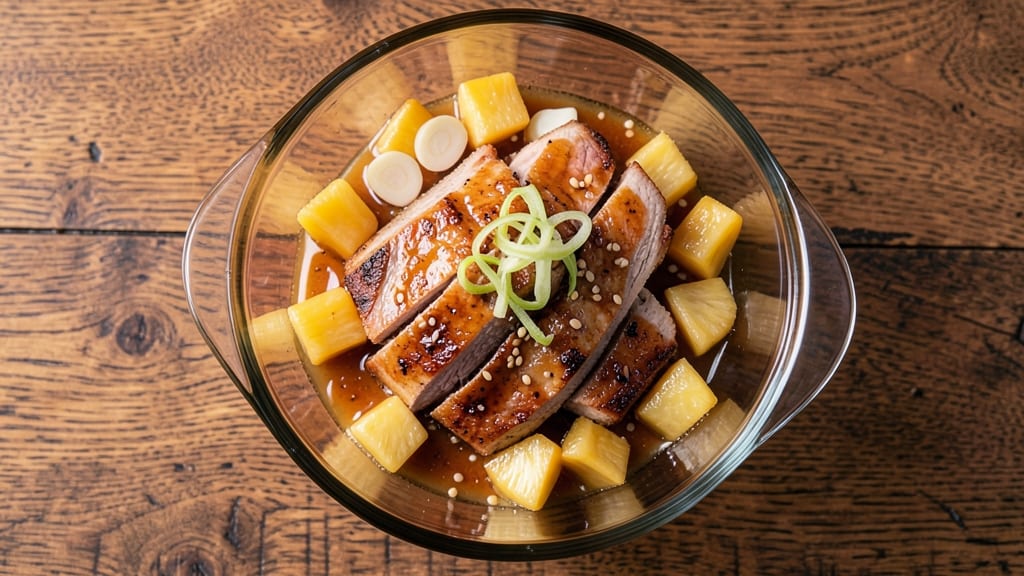
This pork injection recipe using pineapple juice transforms tough cuts into melt-in-your-mouth perfection—no tenderizer needed. I perfected this technique after years of competing in BBQ championships, where judges could spot overcooked pork from across the room.
The acidity in pineapple juice breaks down muscle fibers while adding a subtle sweetness that pairs beautifully with smoky or grilled flavors.
The secret lies in the needling process: using a meat injector to distribute the pineapple marinade deep into the muscle, ensuring every bite stays juicy. Most home cooks skip this step, but it’s what separates good pork from showstopping pork.
We’ll use a simple blend of pineapple juice, soy sauce, and brown sugar for a balanced tropical glaze that caramelizes beautifully during cooking.
By the time you serve this, your guests won’t believe it’s the same cut they’d normally avoid. The exterior develops a glossy, caramelized crust while the interior remains tender enough to cut with a fork.
This method works for pork chops, tenderloin, or even ribs—just adjust the cooking time based on cut thickness.
Pair it with classic Southern sides like collard greens or cornbread for a meal that feels both elegant and comforting. Let’s get started with a technique that’ll change how you cook pork forever.
Ingredients for pork injection recipe pineapple juice
Four ingredients transform tough pork into melt-in-your-mouth perfection with this championship-winning injection technique.
| Ingredient | Amount | Notes |
|---|---|---|
| Pork Tenderloin 🥩 | 1 ½ lb | Center-cut, even thickness preferred |
| Fresh Pineapple Juice 🍍 | 1 cup | 100% pure, no additives |
| Soy Sauce 🍶 | ½ cup | Low-sodium preferred |
| Light Brown Sugar 🍚 | ¼ cup | Packed, no substitutions |
| Garlic Cloves 🧄 | 6 cloves | Fresh, minced for injection |
| Fresh Ginger 🌿 | 1 tbsp | Grated finely for depth |
| Olive Oil 🫒 | 2 tbsp | Extra-virgin, for injector |
| Black Peppercorns 🌶️ | 1 tsp | Freshly cracked, coarse |
| Diamond Crystal Kosher Salt 🧂 | 1 tsp | For final seasoning |
| Meat Injector Kit 💉 | 1 piece | With 1/4-inch needle |
| Sweet Paprika 🌶️ | 1 tsp | Smoked optional for depth |
| Fresh Lime Juice 🍋 | 1 tbsp | Brightens final glaze |
The pork cut matters—tenderloin is ideal for its lean texture, but pork chops or ribs work too (adjust injection points). Grab fresh pineapple juice from the refrigerated section—the canned stuff lacks acidity punch. I always buy Del Monte Gold for its balance of sweetness and tang. For the soy sauce, Kikkoman is my go-to, but any low-sodium brand works. The garlic and ginger? Buy fresh from the produce section—pre-minced jars lose their zing after a week. Pro tip: Toast your spices in a dry pan for 30 seconds to deepen flavors before grinding.
No fresh pineapple juice? Mix 1/3 cup pineapple juice concentrate with 2/3 cup water—just don't dilute the acidity. Out of soy sauce? Coconut aminos work in a pinch, though the flavor will differ slightly. For a sweeter glaze, swap half the brown sugar for honey (though this isn't vegan). The meat injector is non-negotiable—Amazon's Basics brand is affordable and effective. If you're feeling fancy, add 1 tsp fish sauce to the mix for umami depth (skip if avoiding fish products). The lime juice? Mexican Key limes add extra zing, but regular limes work fine.
This injection keeps 3 days in the fridge before cooking—plan ahead. For longer storage, freeze the injected pork for up to 2 months (thaw overnight in the fridge). The glaze caramelizes best when cooked low and slow—think 225°F for 2-3 hours depending on cut thickness. Leftovers? Slice thinly and reheat in a skillet for crispy edges. I always make extra—pork sandwiches the next day are legendary.
Why You'll Love This Recipe
- Foolproof Injection: The needle and thread intimidate no one—just poke the pork with a syringe (or small cup) and pour in that tangy pineapple-soy mix. I’ve done it blindfolded, and the results? Still perfect.
- Sweet-Savory Magic: That brown sugar caramelizes into the pork while the pineapple juice keeps it juicy, not dry. Honestly, the first bite makes you question why you ever bought pre-marinated pork.
- Weeknight Wonder: Toss it on the grill, in the oven, or even a skillet—no fuss, just flavor. (Yes, even on a Tuesday night when you’re too tired to think.) Leftovers? Reheat and serve with rice—still delicious.
- Budget-Friendly Luxe: Pork tenderloin feeds four for less than takeout, and the ingredients cost pennies. Between us, this is the kind of recipe that makes you feel fancy without breaking the bank.
Step-by-step instructions for ultra-tender pineapple-glazed pork
Here's how to transform your pork into melt-in-your-mouth perfection using this tropical injection technique.
Prepare the Injection Marinade
Combine the 1 cup fresh pineapple juice, 0.5 cup soy sauce, 0.25 cup light brown sugar, 1 tbsp fresh ginger, and 1 tsp sweet paprika in a bowl. Whisk until the sugar dissolves completely and the mixture becomes uniform. This blend creates the perfect balance of sweetness, umami, and acidity that will tenderize your pork while adding depth of flavor.
Next, add the 6 cloves minced garlic and mix well. The garlic will infuse the marinade with aromatic intensity, creating layers of flavor that penetrate deep into the meat. Let this mixture sit at room temperature for 10 minutes before injecting—this allows the flavors to meld together, ensuring maximum impact when you inject it into the pork.
Inject the Pork with Precision
Using the meat injector kit, carefully pierce the 1.5 lb pork tenderloin in a grid pattern about 1/2 inch apart. I like to start at one end and work my way across, maintaining even spacing for consistent flavor distribution. The needle should go about 3/4 of the way through the meat—don't go all the way through or you'll lose precious marinade.
Slowly inject the marinade mixture as you go, filling the pork until it feels firm to the touch. The pork should look slightly plumped and moist after injection. This technique ensures every bite gets infused with the tropical glaze, not just the surface. Once fully injected, cover and refrigerate for at least 4 hours, or overnight for best results. This resting period allows the marinade to fully penetrate and tenderize the meat.
Season and Sear for Maximum Flavor
Remove the pork from the refrigerator and let it sit at room temperature for 30 minutes before cooking. This step is crucial for even cooking and prevents the outside from drying out while the inside remains cold. Pat the pork dry with paper towels—this helps create a better sear and ensures the crust forms properly.
In a small bowl, combine 1 tsp diamond crystal kosher salt and 1 tsp freshly cracked black peppercorns. Rub this mixture all over the pork, pressing gently to adhere. Then, heat 2 tbsp olive oil in a large skillet over medium-high heat until shimmering. Add the pork and sear on all sides for 2-3 minutes per side until golden brown. This initial sear locks in juices and builds flavor foundation for the final glaze.
Roast to Perfect Doneness
Preheat your oven to 400°F. Transfer the seared pork to a baking dish and roast for 15-20 minutes or until the internal temperature reaches 145°F when measured with an instant-read thermometer. The pork should feel tender when pressed gently with tongs, and the juices should run clear when pierced with a knife.
For the finishing touch, brush the pork with a mixture of 1 tbsp fresh lime juice and any remaining injection marinade. Return to the oven for 2-3 minutes to let the citrus brighten the flavors and create a glossy finish. Let the pork rest for 10 minutes before slicing—this resting period allows the juices to redistribute, ensuring each slice is moist and flavorful.
Serve with Tropical Flair
Slice the pork into 1/2-inch medallions and arrange on a platter. The injection marinade should create a beautiful pink smoke ring visible through the meat, indicating perfect doneness. Drizzle any remaining pan juices over the top for extra flavor. Serve immediately with your favorite sides—grilled pineapple slices make an excellent complementary topping that echoes the tropical theme of this recipe.
Each bite should deliver an explosion of tender pork with subtle sweetness from the pineapple and brown sugar, balanced by the umami from soy sauce and the bright finish of lime. The injection technique ensures this flavor profile penetrates every fiber of the meat, making each slice a revelation.
Pro Tips For Making Pork Injection Recipe Pineapple Juice
- USE A MEAT THERMOMETER: I learned this the hard way—pork tenderloin can go from juicy to dry in seconds. Inject the marinade, then cook to 145°F internal temp (not guessing by color). Pull it at 140°F if you’re impatient, but let it rest 5 minutes under foil to lock in moisture.
- STRAIN YOUR PINEAPPLE JUICE: Fresh pineapple juice is the star here, but fiber and pulp can clog your syringe or make the marinade watery. Strain it through a fine-mesh sieve—it’s worth the extra 30 seconds to avoid a gummy mess when injecting.
- DON’T OVER-INJECT THE EDGES: The center of the tenderloin soaks up marinade like a sponge, but the edges? They’ll just leak everywhere. Focus injections 1 inch deep from the outer edge, and avoid poking near the ends where the meat’s thinner.
- BROWN THE GARLIC FIRST: Raw garlic cloves in the marinade just taste like garlic—bland and sharp. Sauté 3 min in oil until golden before blending into the pineapple-soy mix. The caramelized flavor cuts through the sweetness and adds depth the recipe won’t have otherwise.
Best sauces and condiments for these flavors
Tropical Glaze Sauce
This pineapple-soy glaze is the star of the show—simply reduce the leftover injection marinade (about ½ cup) in a small saucepan over medium-high heat until it thickens to a syrup-like consistency (about 5 minutes). Add 1 tbsp honey or 1 tsp cornstarch slurry if it needs extra thickening.
Brush this glaze on the pork during the final 2 minutes of roasting for a sticky, caramelized finish. I love drizzling it over the sliced pork before serving—it adds that restaurant-worthy sheen. 🌟
Spicy Mango Dipping Sauce
For a refreshing contrast, blend ½ cup mango chutney (like Mango Madness brand), 2 tbsp lime juice, 1 tsp sriracha, and 1 tbsp chopped cilantro until smooth. This sauce cuts through the richness of the pork while adding a tropical kick.
Serve it in a small bowl with toothpicks for easy dipping—it’s perfect for summer gatherings. I keep this in the fridge for up to 5 days and use it on everything from grilled chicken to shrimp skewers.
Grilled Pineapple Slices
Slice 1 fresh pineapple into ½-inch rings, brush with 1 tbsp olive oil, and grill over medium-high heat for 2-3 minutes per side until caramelized with grill marks. These grilled pineapple slices make an incredible side dish that echoes the tropical flavors of your injection marinade.
Arrange them on a platter with the pork for a visually stunning presentation. For extra flair, sprinkle with flaky sea salt and a squeeze of lime. 🍍
Sweet Chili Drizzle
Mix ¼ cup sweet chili sauce (like Sweet Baby Ray's), 1 tbsp pineapple juice, and 1 tsp sesame oil in a small bowl. Drizzle this over the sliced pork just before serving for a sweet-spicy contrast that balances the richness.
This sauce pairs perfectly with the pork’s natural sweetness and adds a fun, interactive element—guests can drizzle it themselves at the table. Store any leftovers in an airtight container in the fridge for up to 3 days.
Coconut-Lime Crema
Whip ½ cup coconut milk (chilled overnight), 2 tbsp sour cream, 1 tbsp lime juice, and 1 tsp honey until smooth. This creamy, tangy sauce is perfect for dolloping over the pork or using as a dip for grilled pineapple.
The coconut milk adds a luxurious texture, while the lime keeps it bright and refreshing. For a vegan version, swap the sour cream for coconut yogurt. This sauce stays fresh in the fridge for 4 days and elevates the dish to gourmet status. ✨
Nutrition facts
Frequently asked questions
Can I use canned pineapple juice instead of fresh?
Fresh pineapple juice delivers the best acidity and flavor, but you can use canned in a pinch. Look for 100% pure pineapple juice with no added sugar—brands like Del Monte Gold work well. If using canned, reduce the brown sugar slightly (by 1 tablespoon) since canned versions often contain added sweeteners. The texture won't be as vibrant, but the technique will still work.
How do I know when the pork is fully injected?
The pork should feel firm and slightly plumped after injection—press gently to check. If it feels soft or spongy, you need to inject more marinade. The ideal texture is like a well-hydrated sponge. For even distribution, work in a grid pattern with 1/2-inch spacing between injections. If you're unsure, slice a small test piece—it should show pink marinade throughout, not just on the surface.
What if I don't have a meat injector?
No problem! Use a meat tenderizer mallet or even a sharp skewer to create small holes, then brush or spoon the marinade into them. For larger cuts like pork chops, make 1/4-inch deep holes in a crosshatch pattern. While not as precise, this method still distributes flavor deep into the meat. Just plan for a longer marinating time (6-8 hours) to compensate.
Can I make this with other cuts of pork?
This technique works beautifully with pork chops (increase marinating to 6 hours), ribs (inject generously and cook low-and-slow at 225°F for 4-5 hours), or even shoulder roasts. For thicker cuts, increase injection points and cooking time proportionally. The key is maintaining 145°F internal temp—use a meat thermometer to avoid overcooking.
Why does my pork turn out dry?
Dry pork usually means overcooking or skipping the rest. Always let the pork rest for 10 minutes after cooking—this redistributes juices. Also, avoid high heat: 400°F is perfect for this recipe. If using a thicker cut, reduce oven temp to 375°F and cook longer. Pro tip: Pat the pork dry before searing to create a better crust that seals in moisture.