
Main Courses
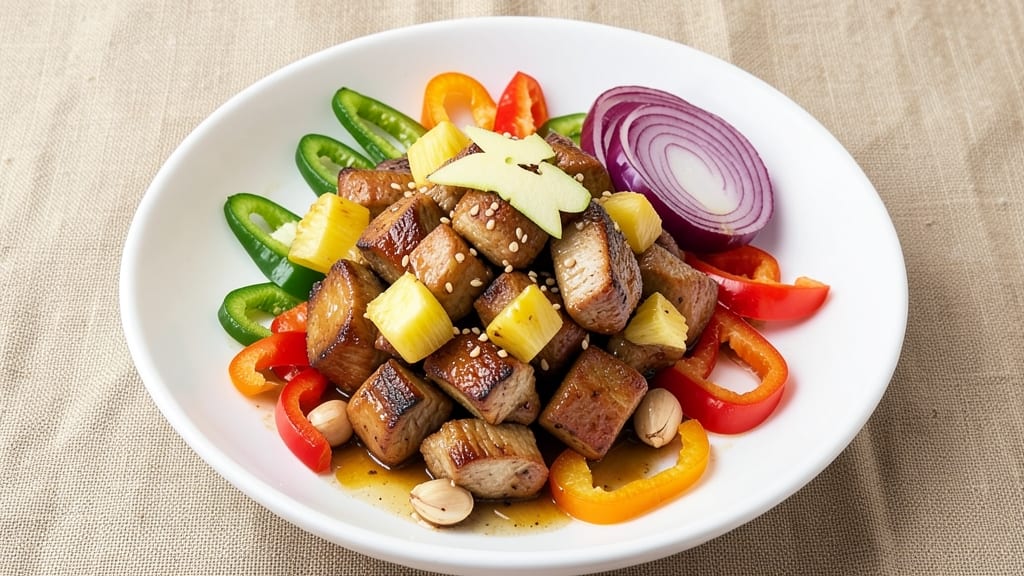
This pork pineapple peppers recipe delivers the perfect balance of sweet, tart, and savory flavors with crispy edges that make every bite irresistible. I developed it during a busy week when I needed a dish that felt special but still came together quickly—now it's a staple at my table.
The combination of tender pork, juicy pineapple, and vibrant peppers creates a stir-fry that's both restaurant-worthy and approachable for home cooks.
The secret to achieving those crispy edges lies in a two-step cooking process: first searing the pork until golden, then finishing it quickly over high heat. This ensures the meat stays juicy inside while developing that satisfying texture outside.
Pineapple adds natural sweetness that cuts through the heat of the peppers, while a simple soy-ginger marinade ties everything together with depth and balance.
What you'll end up with is a vibrant stir-fry that's packed with color and flavor—golden pork pieces, bright red peppers, and glistening pineapple chunks all tossed in a glossy, slightly sticky sauce.
The contrast between the crispy edges of the pork and the tender, juicy interior creates a texture that's impossible to resist. This dish is perfect for weeknight dinners or impressing guests with minimal effort.
Serve it over steamed jasmine rice or with a side of garlic green beans to round out the meal. The flavors only get better as they sit, making it ideal for meal prep or leftovers. Let's get cooking—this recipe is about to become your new favorite stir-fry!
Ingredients for pork pineapple peppers
Sweet pineapple, crispy pork, and vibrant peppers—just a handful of ingredients for a weeknight winner.
| Ingredient | Amount | Notes |
|---|---|---|
| Boneless Pork Loin 🥩 | 1 ¼ lb | Cut into 1-inch cubes |
| Fresh Pineapple Chunks 🍍 | 1 ½ cups | Fresh or canned, drained |
| Bell Peppers 🧅 | 2 whole | Red, yellow, or green, sliced |
| Red Onion 🧅 | 1 whole | Thinly sliced |
| Garlic Cloves 🧄 | 4 cloves | Minced |
| Fresh Ginger 🌿 | 1 tbsp | Grated, or 1 tsp ground |
| Soy Sauce 🍶 | ⅓ cup | Low-sodium preferred |
| Honey 🍯 | 2 tbsp | For balancing flavors |
| Rice Vinegar 🍶 | 2 tbsp | White or seasoned |
| Sesame Oil 🫒 | 1 tbsp | For aroma (toasted) |
| Vegetable Oil 🫒 | 2 tbsp | For stir-frying |
| Cornstarch 🌾 | 1 tbsp | For crispy coating |
| Salt 🧂 | ½ tsp | Kosher or sea salt |
| Black Pepper 🌶️ | ¼ tsp | Freshly ground |
| Green Onions 🧅 | 2 whole | Sliced, for garnish |
The pork is everything here. Look for boneless loin—it stays juicy while getting those crispy edges. I grab mine from the butcher counter at Whole Foods when it's on sale, but the regular grocery store stuff works fine. Cut it into even 1-inch cubes so they cook at the same rate. Fresh pineapple is ideal, but canned chunks in juice save time—just drain them well. The bell peppers? Any color works, but red adds the most vibrant contrast. Skip the pre-sliced ones—they're usually sad and limp.
No fresh ginger? Ground ginger at half the amount is a decent swap, but fresh is worth it. Running low on sesame oil? Toasted sesame seeds add the same nutty aroma—just sprinkle them on at the end. The soy sauce matters here—low-sodium lets you control the salt better. If you're using regular soy sauce, cut the salt in half. For extra crispiness, toss the pork cubes in cornstarch before searing. That's the secret to those golden edges you're craving.
This keeps beautifully for 3-4 days in the fridge—honestly tastes better the next day as the flavors meld. Freeze portions for up to 3 months if you're meal prepping. I always make extra because it reheats like a dream. Store the sauce separately if you're freezing, then toss it back in when reheating. Garnish with green onions right before serving—they add that fresh pop of color that makes the dish look restaurant-worthy.
Why You'll Love This Recipe
- One-Pan Magic: I swear by this—just toss everything on a sheet pan, and walk away. No chopping boards to clean, no extra pots, and the pork gets that perfect caramelized crust right alongside the peppers.
- Sweet-Savory Balance: That first bite of juicy pork with the bright pineapple and smoky peppers? It’s the kind of combo that makes you pause mid-chew. Honestly, the garlic and onion mellow into something rich while the pineapple keeps it fresh—no cloying sweetness here.
- Lunchbox Hero: Between us, this is my go-to for packed lunches. The flavors actually improve the next day (yes, really), and it reheats like a dream. Toss it with rice or eat it cold—my kids fight over it.
- Budget Bright Spot: Pork loin stretches far, and bell peppers/onions/pineapple are cheap staples. I’ve made this for $12 and fed four people. Plus, the leftovers? They’re the reason I don’t order takeout on Thursdays.
Step-by-step instructions for sweet-tart pork stir-fry
Let's create a perfectly balanced stir-fry with tender pork, crispy edges, and vibrant flavors.
Prep the Pork for Maximum Crispiness
Cut the 1.25 lb boneless pork loin into 1-inch cubes and place them in a bowl. In a separate small bowl, whisk together 1 tablespoon cornstarch, ½ teaspoon salt, and ¼ teaspoon black pepper. Pour this mixture over the pork cubes and toss gently with your hands until every piece is evenly coated.
Let the coated pork sit for 10 minutes while you prepare the rest. This resting time allows the cornstarch to adhere properly, which will give you those beautiful crispy edges we're after. Don't skip this step—it makes all the difference for texture. I like to spread the pork out on a plate so it doesn't stick together during the marinating process.
Stir-Fry the Pork to Golden Perfection
Heat 2 tablespoons vegetable oil in a large skillet or wok over medium-high heat until shimmering. Add the pork cubes in a single layer, leaving space between them. Cook undisturbed for 3-4 minutes until the bottoms develop a deep golden brown color and crispy texture.
Here's where it gets important: you want to avoid overcrowding the pan. If you need to work in batches, that's fine—just don't rush it. Once the pork is golden on one side, gently flip each piece and cook for another 2-3 minutes until fully cooked through. The internal temperature should reach 145°F. Remove the pork and set it aside on a plate, leaving the delicious browned bits in the pan—those are packed with flavor.
Build the Sweet-Tart Sauce Base
In the same skillet (no need to wash it—those browned bits are pure flavor), reduce the heat to medium and add 1 tablespoon sesame oil, 4 cloves minced garlic, and 1 tablespoon grated fresh ginger. Stir and cook for 30 seconds until fragrant—you should smell that wonderful garlic-ginger aroma filling your kitchen.
Add 2 whole sliced bell peppers and 1 whole thinly sliced red onion to the pan. Stir-fry for 3-4 minutes until the vegetables begin to soften but still retain their vibrant colors. This is where the vegetables get their initial char, adding depth to the dish. If you're using fresh pineapple chunks, add them now and cook for another 1 minute—just enough to warm them through without breaking them down.
Create the Signature Sweet-Tart Sauce
Pour in ⅓ cup soy sauce, 2 tablespoons honey, and 2 tablespoons rice vinegar. Stir everything together and let it simmer for 2-3 minutes until the sauce begins to thicken slightly. The mixture should coat the back of a spoon but still be pourable. Taste and adjust the balance—you want that perfect harmony of sweet, tangy, and umami flavors.
Return the pork to the skillet and toss everything together gently. Cook for another 1-2 minutes just to heat through and let all those beautiful flavors meld together. The pork should be coated in the glossy sauce, with those crispy edges still intact. If the sauce looks too thick, add a splash of water to loosen it up.
Finish and Serve with Fresh Garnish
Transfer the stir-fry to a serving platter and let it rest for 2-3 minutes. This brief resting period allows the juices to redistribute, ensuring each bite is packed with flavor. Garnish with 2 sliced whole green onions for a fresh pop of color and brightness that cuts through the richness.
Serve immediately over steamed rice or noodles to soak up that delicious sauce. The contrast of the crispy pork edges with the tender vegetables and sweet-tart sauce creates a perfect balance of textures and flavors. Each bite should deliver that satisfying combination of textures—crispy pork, tender vegetables, and that glossy, flavorful sauce.
Pro Tips For Making Pork Pineapple Peppers
- Sear Pork First: Hit the pork loin with a hot pan—no oil needed—until it develops a deep crust. I learned this the hard way by skipping it; the final dish tastes flat without that initial bite. Two minutes per side, then pull it off heat before adding other ingredients.
- Core the Pineapple: Cut out the tough core before dicing the pineapple—it’s the only way to avoid a mouthful of fiber. Sounds tedious, but trust me, your teeth will. Use a spoon to scoop out the center if you’re lazy, but don’t skip this step.
- Salt the Pork Twice: Season the pork loin generously before searing, then sprinkle more salt after it rests. The first layer gets absorbed, but the second ensures it’s not bland by the time it finishes cooking. Yes, even if you’re impatient like me.
- Char the Peppers: Blacken the bell peppers directly over the flame for 30 seconds per side—they’ll taste smoky and sweet. I was skeptical until I tried it; now it’s non-negotiable. Skip the crowding, or you’ll steam them instead of charring.
Pro cooking tips for great pork pineapple peppers
Pork Prep Secrets
Always cut your pork into even 1-inch cubes—this ensures consistent cooking. I swear by using a sharp chef's knife and a cutting board guide for perfect uniformity. For extra crispiness, toss the cubes in cornstarch before cooking—this creates a light batter that caramelizes beautifully. 🥩
Let the pork rest for 10 minutes after coating. This might seem like a small detail, but it's what transforms good stir-fry into great stir-fry. The cornstarch needs time to adhere properly, and the pork benefits from a brief rest before hitting the pan.
Trust me, this step makes all the difference for those coveted crispy edges.
Pan Control Mastery
Use a 12-inch cast iron skillet or wok for this recipe—it retains heat better than nonstick pans. Heat your oil over medium-high heat until it's shimmering but not smoking.
Add the pork in a single layer and resist the urge to stir immediately. Let it cook undisturbed for 3-4 minutes to develop that deep golden crust.
If your pan isn't hot enough, the pork will steam instead of sear. I've made this mistake too many times—now I always test the heat by flicking a drop of water onto the pan. If it sizzles and evaporates instantly, you're ready to cook. 🔥
Sauce Balance Tricks
The sauce should be glossy but not syrupy—aim for a consistency that coats the back of a spoon. If it's too thick, add 1 teaspoon water at a time until you reach the perfect balance.
Taste as you go: the honey should be noticeable but not overpowering, and the rice vinegar should add that bright tang without being sour.
For extra depth, add ½ teaspoon fish sauce to the sauce mixture. It enhances the umami flavor without being detectable on its own. I keep a small bottle in my pantry specifically for stir-fry recipes like this one. 💫
Vegetable Timing
Add pineapple last—it only needs 1 minute of cooking to warm through. Overcooking will turn it mushy and lose its natural sweetness. Bell peppers and onions should soften but still retain their shape and vibrant color.
If you're using frozen pineapple, thaw it first and pat it dry with paper towels to prevent excess moisture in your pan.
Pro tip: Slice your bell peppers into ¼-inch strips for even cooking. Thicker slices will take longer to soften, while thinner slices can burn before they're tender. I like to cut them into long, even strips that cook quickly but still hold their shape. 🌶️
Resting Matters
Never skip the 2-3 minute rest after combining everything. This allows the juices to redistribute throughout the pork, ensuring each bite is moist and flavorful. The sauce will also have a chance to fully coat the ingredients, creating that perfect harmony of textures and flavors.
While resting, I like to cover the dish loosely with aluminum foil. This helps maintain heat without trapping too much steam, which could make the pork soggy. Garnish with fresh green onions right before serving—their bright flavor cuts through the richness of the dish beautifully. ✨
Nutrition facts
Frequently asked questions
Can I substitute chicken for pork in this recipe?
Chicken thighs work beautifully as a 1:1 substitute—they hold up well to stir-frying and develop crispy edges just like pork. Use bone-in, skin-on thighs for maximum flavor and texture. For breast meat, cut it into smaller pieces (½-inch cubes) since they cook faster and can dry out. Adjust cooking time to 4-5 minutes per side for chicken.
What if I don't have fresh pineapple? Can I use canned?
Canned pineapple works perfectly—just drain it well and pat dry with paper towels to remove excess moisture. The key is using cranberry or juice-packed pineapple (not syrup) for the best flavor. For extra sweetness, add 1 extra teaspoon of honey to the sauce. Avoid pre-cut frozen pineapple as it often contains ice crystals that can dilute your stir-fry's texture.
How can I make this dish spicier?
Add ½ teaspoon of red pepper flakes or 1-2 slices of fresh jalapeño (seeds removed) to the sauce for heat. For smoky depth, stir in ½ teaspoon smoked paprika with the garlic and ginger. If you love spice, serve with extra hot sauce on the side—it won't overpower the sweet-tart balance but gives everyone control over their heat level.
Can I make this recipe in a slow cooker?
While not traditional, you can adapt it! Cook the pork separately (sear first, then slow cook on low for 2 hours), then combine with the sauce and vegetables at the end. The textures won't be identical—the pork won't get crispy—but it's a great option for hands-off cooking. For best results, finish by quickly pan-searing the pork after slow cooking to restore some crispiness.
What's the best way to reheat leftovers?
Reheat in a skillet over medium heat for 2-3 minutes with a splash of water to restore moisture. Microwaving works in a pinch, but add 1 teaspoon of water or oil to prevent drying. For extra crispiness, broil for 1-2 minutes at the end. Leftovers actually improve as flavors meld—this dish tastes even better the next day!