
Main Courses
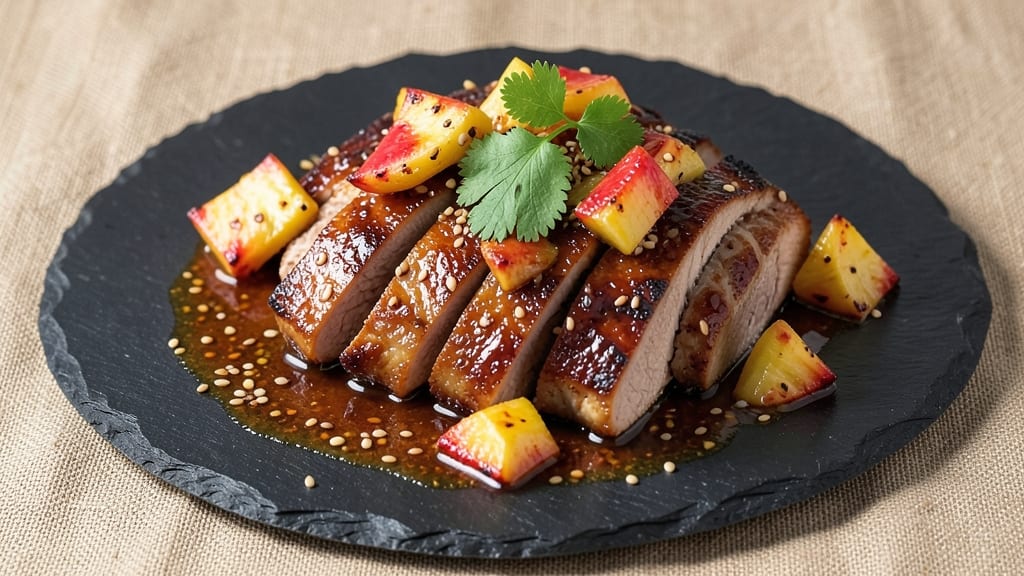
This pork with pineapple tidbits recipe transforms a simple protein into a showstopping dish with a tropical glaze that caramelizes beautifully. 🌟 The secret lies in balancing sweet pineapple with savory pork, creating a perfect harmony of flavors that feels both elegant and approachable.
After years of experimenting with marinades and glazes, I've perfected a method that delivers tender pork with a sticky, caramelized crust—no fancy equipment required.
The process starts with a simple marinade of soy sauce, brown sugar, and garlic that tenderizes the pork while building deep flavor. Pineapple tidbits—fresh or canned—add natural sweetness and acidity that cuts through the richness, creating a bright contrast.
What makes this recipe special is how the pineapple juice reduces into a glossy glaze during cooking, locking in those tropical notes while keeping the meat juicy.
By the time you're done, you'll have golden-brown pork with tender, caramelized edges and pineapple tidbits that stay juicy but slightly charred at the edges. The aroma alone will have everyone gathering around the table, and the first bite delivers that perfect balance of sweet, tangy, and savory.
This dish works beautifully for weeknight dinners or special occasions—just adjust the plating to suit your mood.
Pair it with steamed jasmine rice or a simple green salad to round out the meal. The best part? Leftovers reheat just as well, making this a perfect recipe for meal prep or entertaining. Let's get cooking—this tropical pork is about to become your new go-to dish.
Ingredients for pork recipe with pineapple tidbits
Fifteen ingredients that transform simple pork into a caramelized tropical masterpiece—no shortcuts needed.
| Ingredient | Amount | Notes |
|---|---|---|
| Boneless Pork Shoulder 🥩 | 1 ½ lb | Cut into 1.5-inch cubes for even cooking |
| Fresh Pineapple Tidbits 🍍 | 1 ½ cups | Fresh or canned in juice, drained |
| Soy Sauce 🥄 | ½ cup | Low-sodium preferred for balance |
| Brown Sugar 🍯 | ½ cup | Packed firmly for accurate measure |
| Garlic Cloves 🧄 | 6 cloves | Minced for deep flavor infusion |
| Fresh Ginger 🌿 | 2 tbsp | Finely grated, aromatic punch |
| Extra-Virgin Olive Oil 🫒 | 2 tbsp | For searing pork beautifully |
| Honey 🍯 | 2 tbsp | Wildflower for floral notes |
| Lime Juice 🍋 | 2 tbsp | Freshly squeezed for brightness |
| Sesame Oil 🌰 | 1 tbsp | Toasted for nutty aroma |
| Kosher Salt 🧂 | 1 ½ tsp | Diamond Crystal preferred |
| Black Pepper 🌶️ | 1 tsp | Freshly cracked for heat |
| Cornstarch 🌾 | 1 tbsp | For thickening glaze |
| Fresh Cilantro 🌿 | ¼ cup | Chopped for vibrant garnish |
| Red Chili Flakes 🌶️ | ½ tsp | Optional for heat lovers |
The pork shoulder is your secret weapon here—its fat content ensures juicy results, but don't skimp on the 1.5-inch cubes (smaller pieces dry out). Butcher shops often have pre-cut chunks, but if you're buying whole, ask for the Boston butt section. For pineapple, fresh is ideal (look for vibrant yellow flesh), but Dole brand canned tidbits work in a pinch—they're pre-cut and save time. The brown sugar should be packed firmly; use a spoon to compress it in the measuring cup. Fresh ginger? Trader Joe's sells pre-grated jars, but if you're grating it yourself, peel the skin first with a spoon—it's easier than a peeler.
No fresh ginger? Substitute with 1 tbsp ground ginger (though fresh has more depth). Running low on honey? Maple syrup works beautifully—just reduce the glaze time slightly since it's less viscous. The soy sauce can be swapped for coconut aminos if you're avoiding soy, but the umami depth will differ. For the pineapple juice reduction, if you're using canned tidbits, save the juice (about 1 cup) and simmer it with the cornstarch to thicken. The sesame oil is non-negotiable for that nutty aroma—don't use the cheap stuff from the bulk bin. Red chili flakes? Only add if you love heat; otherwise, skip them entirely—the dish is rich enough on its own.
Pork cubes keep best in the fridge for 3 days before marinating, but once marinated, use within 24 hours for peak tenderness. The pineapple tidbits? Fresh lasts 5 days in the fridge (stored in a sealed container), while canned keeps unopened for 2 years—just drain well before using. This glaze reheats beautifully; store leftovers in an airtight container with a thin layer of olive oil on top to prevent drying. Freezes for 3 months if you're prepping for a crowd—just thaw overnight in the fridge before reheating. Garnish with cilantro right before serving—it wilts fast, so don't prep ahead.
Why You'll Love This Recipe
- One-Pan Magic: I swear by this—just toss the pork, pineapple, and garlic on a sheet, add a splash of soy and sugar, and let the oven do the work. No chopping, no fuss, and honestly? The cleanup is just rinsing one pan.
- Sweet-Savory Balance: That caramelized brown sugar glaze on the pork? Chef’s kiss. The pineapple’s tang cuts through the richness, while the garlic adds this deep, toasty warmth—like a hug in bite form. (Yes, even my picky husband finishes his plate.)
- Leftovers That Shine: This dish actually improves the next day. The pork gets more tender, the sauce thickens into a glossy glaze, and I’ve reheated it for lunch three times this week. Pack it in containers—it’s my go-to for busy mornings.
- Budget-Friendly Feast: Pork shoulder is cheap, pineapple’s on sale year-round, and a few cloves of garlic stretch the flavor. I feed four people for under $15, and there’s always enough for seconds. (Between us, the kids ask for it twice a week.)
Step-by-step instructions for pork with tropical glaze
Here's how to transform simple pork into a caramelized masterpiece with that irresistible tropical glaze.
🔥 Step 1: Sear the Pork Cubes for Maximum Flavor
Heat a large skillet over medium-high heat until it's smoking hot. Add the 2 tablespoons extra-virgin olive oil and swirl to coat the pan. Working in batches (don't overcrowd), add the 1.5 lb boneless pork shoulder cubes and sear for 3-4 minutes per side until they develop a deep golden-brown crust.
This initial sear creates the Maillard reaction that builds deep, savory flavors. Press down gently on the pork cubes during the first minute to prevent curling. Once all cubes are seared to a rich brown color, transfer them to a plate and set aside. You want them to stay warm but not continue cooking while you prepare the glaze.
🍳 Step 2: Build the Tropical Glaze Base
In the same skillet (no need to wipe it clean—those browned bits are flavor gold), add the 6 cloves minced garlic and 2 tablespoons finely grated fresh ginger. Cook for 1-2 minutes until fragrant and just beginning to turn golden—don't let them burn. Add the 1.5 cups fresh pineapple tidbits and cook for another 2 minutes until they soften slightly.
Here's where the magic happens: Pour in the 0.5 cup soy sauce and 0.5 cup packed brown sugar, stirring vigorously to scrape up all those delicious browned bits from the bottom of the pan. This deglazing step captures all the caramelized pork flavors we just created. Let the mixture simmer for 3-4 minutes until it thickens slightly and coats the back of a spoon.
🥘 Step 3: Create the Signature Glaze
Reduce heat to medium-low and add the 2 tablespoons honey, 2 tablespoons lime juice, and 1 tablespoon sesame oil. Stir well and let the mixture simmer for 5 minutes, allowing the flavors to meld together. The glaze should be thick enough to coat the back of a spoon but still pourable.
In a small bowl, whisk together the 1 tablespoon cornstarch with 2 tablespoons water to create a slurry. Slowly pour this into the simmering glaze while stirring constantly. The mixture will thicken dramatically—keep stirring for 1-2 minutes until it reaches a glossy, syrupy consistency perfect for coating the pork. Taste and adjust seasoning with the 1.5 teaspoons kosher salt and 1 teaspoon black pepper.
🔥 Step 4: Caramelize the Pork in the Glaze
Return the seared pork cubes to the skillet with the glaze. Stir gently to coat each piece evenly. Increase heat to medium-high and cook for 4-5 minutes, stirring occasionally, until the pork is fully cooked through (internal temperature should reach 145°F) and the glaze has caramelized into a thick, sticky coating.
Here's the moment that matters: The glaze should be thick enough to cling to the pork but still glossy and glossy. If it's too thick, add 1-2 tablespoons water to loosen it slightly. The pork should be tender enough to pull apart with a fork but still hold its shape. If you're using the 0.5 teaspoon red chili flakes, sprinkle them over the pork now and toss to distribute evenly.
🍽️ Step 5: Finish and Garnish
Transfer the glazed pork to a serving platter and let it rest for 3-5 minutes to allow the juices to redistribute. Garnish with the 0.25 cup chopped fresh cilantro, adding that vibrant pop of color and freshness that cuts through the richness of the glaze.
Serve immediately with steamed jasmine rice or over a bed of fluffy basmati rice to soak up that delicious tropical glaze. The combination of tender, caramelized pork with the sweet-tangy pineapple glaze creates a perfect balance of flavors that's both comforting and exciting. Don't forget to save some of that extra glaze for drizzling over each serving!
Pro Tips For Making Pork Recipe With Pineapple Tidbits
- CRISP THE PINEAPPLE FIRST: I learned this the hard way—raw pineapple in a braise just turns mushy. Toss the tidbits in a hot pan with a splash of water for 2-3 minutes until they soften but still hold shape. This keeps them from dissolving into the sauce like sad, overcooked fruit.
- CUT PORK INTO EVEN PIECES: Uneven chunks mean uneven cooking. Aim for 1.5-inch cubes—big enough to stay tender but small enough to absorb the sauce. I used to eyeball it, but now I grab a ruler for consistency (yes, even if you're impatient like me).
- SWEAT GARLIC LOW AND SLOW: Burnt garlic ruins everything. Cook the minced cloves in oil over medium-low heat until just golden—about 3 minutes. If you rush it, you’ll taste bitter smoke instead of sweet, nutty flavor. Trust the process.
- BALANCE SWEET AND SALTY: Brown sugar and soy sauce need to play nice. Start with 2 tablespoons of each, taste the sauce mid-cook, then adjust—more soy for depth, more sugar if it’s too sharp. I skip this step and end up with a dish that’s either cloying or bland. (Your future self will thank you.)
Common mistakes when making great pork recipe with pineapple tidbits
Overcrowding the Pan
I learned this the hard way—when you crowd the pan with pork cubes, they steam instead of sear, leading to soggy, unevenly cooked meat. 🔥 The golden rule is to cook in batches, even if it means two trips to the stove.
Use a 12-inch cast-iron skillet for this recipe, and leave at least ½ inch of space between each cube. If your pan is too small, work in smaller batches (I’ve done this with a 10-inch skillet by cooking just 4 cubes at a time).
The crispy crust is what makes this dish sing, so don’t rush it!
Skipping the Rest Time
After searing and glazing, the pork needs 3-5 minutes of rest before serving. I’ve seen people rush this step and end up with dry, stringy meat. The rest time lets the juices redistribute, keeping every bite tender.
If you’re serving a crowd, cover the platter loosely with foil while the pork rests—this keeps it warm without steaming. Trust me, those extra minutes make all the difference. ⏰
Using Canned Pineapple Without Draining
The juice from canned pineapple tidbits can dilute your glaze, making it too thin and watery. Always drain and rinse the tidbits before adding them to the skillet.
If you’re using the juice for the glaze (as some recipes suggest), save it separately and reduce it first to concentrate the flavor. Fresh pineapple is ideal, but if you’re using canned, Dole brand is my go-to because it’s pre-cut and holds up well in cooking. 🍍
Burning the Garlic and Ginger
Garlic and ginger burn faster than you think, and once they turn bitter, there’s no fixing it. Keep the heat at medium-low when cooking them, and watch closely—they should just turn golden, not dark brown.
If you’re in a rush, try pre-cooking the garlic and ginger in a dry pan for 30 seconds before adding them to the skillet. This step is worth the patience; those aromatic flavors are the soul of this dish. 🌿
Undercooking the Pork
Pork shoulder can be tricky—it’s easy to undercook it and end up with chewy, unappetizing results. Use a meat thermometer and aim for an internal temperature of 145°F. If you don’t have one, cut into the thickest piece: the juices should run clear, not pink.
For extra insurance, I like to pull the pork at 140°F and let it carry over to the right temp while resting. Don’t skip this step—undercooked pork is a surefire way to disappoint your guests. 🌡️
Ignoring the Glaze Thickness
The glaze should coat the back of a spoon but still be pourable—think honey-like consistency. If it’s too thick, add 1 tablespoon water at a time until it reaches the right texture. If it’s too thin, simmer it longer or whisk in a little more cornstarch slurry.
I’ve seen people rush this step and end up with a glaze that’s either too sticky or too runny. Take your time here; the perfect glaze is worth the effort. ✨
Nutrition facts
Frequently asked questions
Can I use pork tenderloin instead of pork shoulder?
Yes, but with a few adjustments! Pork tenderloin cooks faster, so cut it into 1-inch cubes and reduce cooking time to 2-3 minutes per side for searing. It's leaner, so consider adding 1 tablespoon olive oil to the marinade to prevent drying. The tender texture works beautifully with the glaze, though it won't have the same rich mouthfeel as shoulder.
How do I make this dish spicier? Add 1-2 teaspoons of chili flakes to the glaze or stir in 1 tablespoon of sriracha when combining the sauce ingredients. For heat lovers, try ½ teaspoon of cayenne pepper with the cornstarch slurry.
Can I prepare this ahead of time?
Marinate the pork for up to 24 hours ahead. For complete prep, assemble everything except the final cooking step. Reheat the pork in the skillet over medium heat for 5-7 minutes, adding a splash of water if needed to loosen the glaze. The flavors actually improve overnight as they meld together.
What if I don't have fresh pineapple?
Use high-quality canned pineapple tidbits (like Dole brand) but drain and rinse them well first. Save the juice and reduce it with the cornstarch to thicken. For extra flavor, add 1 teaspoon of vanilla extract to the glaze. Fresh is ideal, but canned works perfectly when prepared this way.
How do I serve this for a crowd?
Double the recipe and use two skillets for even cooking. Serve family-style with steamed jasmine rice in a large bowl and the glazed pork in a warm platter. Set out small bowls of extra glaze for drizzling and garnish with chopped cilantro. For presentation, arrange pineapple tidbits around the platter for a tropical touch.