
Main Courses
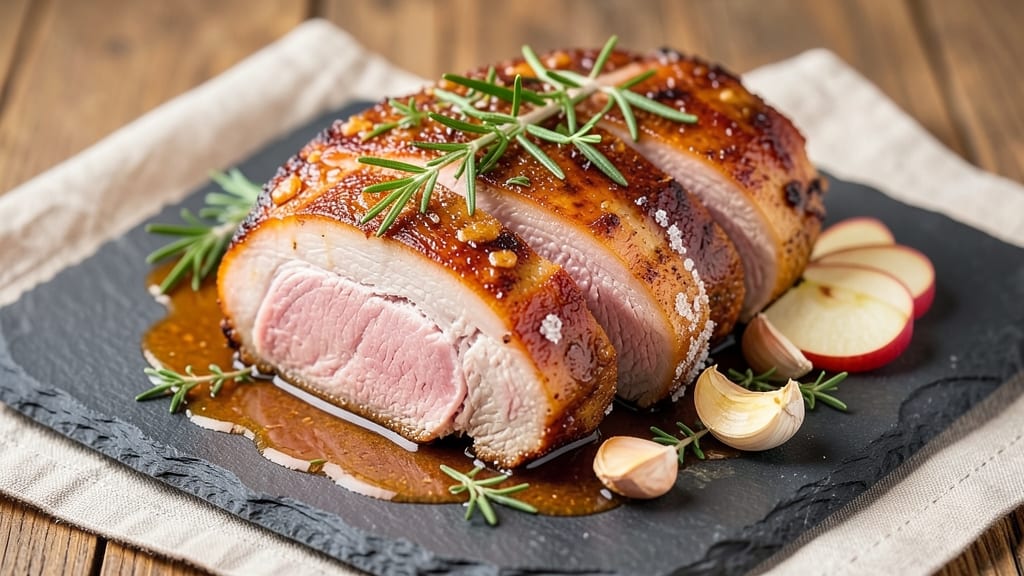
This pork roast recipe with apple cider vinegar transforms tough cuts into melt-in-your-mouth perfection. The vinegar's acidity tenderizes the meat while creating a crispy golden crust that locks in juices—no dry slices here.
I first discovered this technique while trying to salvage a slightly tough pork shoulder at a family gathering, and it became an instant favorite. The secret lies in the marinade: apple cider vinegar breaks down muscle fibers, while garlic, thyme, and rosemary infuse deep flavor.
You'll start with a dry rub for that signature crust, then let the vinegar work its magic during a slow roast at 325°F. The result? A juicy core with a caramelized exterior that'll have everyone asking for seconds.
What makes this recipe special is how it elevates simple ingredients into something extraordinary. The vinegar's tang cuts through the richness, balancing sweet and savory notes perfectly. It's the kind of dish that feels like a restaurant-quality meal without the fuss.
Serve with roasted potatoes and caramelized onions for a complete Sunday dinner. Here's how to make it foolproof every time.
Ingredients for pork roast recipe apple cider vinegar
Six ingredients transform tough pork into restaurant-quality perfection with a crispy crust and juicy core.
| Ingredient | Amount | Notes |
|---|---|---|
| Pork Shoulder (Bone-In) 🥓 | 4 lb | Center-cut for even cooking |
| Apple Cider Vinegar 🍎 | ½ cup | Raw, unfiltered preferred |
| Granulated Garlic 🧄 | 2 tbsp | Fresh minced preferred |
| Fresh Thyme Leaves 🌿 | ¼ cup | Stems removed, chopped |
| Fresh Rosemary Sprigs 🌿 | ¼ cup | Finely chopped |
| Kosher Salt 🧂 | 2 tbsp | Diamond Crystal preferred |
| Freshly Ground Black Pepper 🌶️ | 1 tbsp | Cracked peppercorns preferred |
| Brown Sugar 🍚 | 2 tbsp | Light or dark preferred |
| Olive Oil 🫒 | ¼ cup | Extra-virgin for richness |
| Yellow Onion 🧅 | 1 whole | Large, thinly sliced |
| Garlic Cloves 🧄 | 6 cloves | Peeled, smashed |
| Honey 🍯 | 1 tbsp | Wildflower preferred |
| Fresh Sage Leaves 🌿 | ⅛ cup | Chopped, optional |
The pork shoulder is the foundation—center-cut for even cooking and maximum flavor. Look for a piece with good marbling at your butcher or Whole Foods for the best quality. If buying pre-cut, check for a 4-pound bone-in roast with a thick layer of fat cap. The fat renders beautifully during roasting, creating that signature crispy crust. For extra insurance, ask your butcher to trim excess fat to about 1/4-inch thickness—this ensures even browning without excessive grease. Apple cider vinegar should be raw and unfiltered for maximum tang, and Bragg or Texas Pete are reliable brands that deliver consistent results. Fresh herbs are non-negotiable here—dried versions lack the aromatic depth that complements the vinegar's acidity.
No fresh thyme? Dried thyme at one-third the amount works in a pinch, but the flavor profile shifts noticeably. Short on rosemary? Fresh marjoram provides a similar earthy note, though the aroma won't be identical. The brown sugar adds subtle caramelization to the crust—light brown sugar has a more delicate flavor, while dark brown sugar intensifies the molasses notes. For a deeper vinegar flavor, substitute 1/4 cup red wine vinegar (reduce other liquids by 2 tbsp). The honey balances acidity; if unavailable, maple syrup or agave nectar are suitable alternatives. Diamond Crystal kosher salt dissolves more easily than table salt, so stick with it for even seasoning. Preferring a sweeter glaze? Add 1 tbsp Dijon mustard to the marinade for tangy depth.
Pork roasts develop best when prepared ahead—pat the meat dry and refrigerate uncovered for 1-2 hours before seasoning to promote better crust formation. The marinade can be made 2 days in advance and stored in an airtight container in the fridge. When roasting, remove the pork 10 minutes early—it carries over heat and finishes at the perfect internal temperature. Leftovers keep for 4-5 days in the fridge, though the flavor actually improves as the meat rests. For longer storage, portion and freeze in vacuum-sealed bags for up to 3 months. Reheat slowly in the oven at 300°F to prevent drying out, adding a splash of apple cider vinegar to the pan for extra moisture.
Why You'll Love This Recipe
- One-Pan Magic: I swear by this recipe when I’m too tired to scrub pots—just the pork, vinegar, and herbs in one pan. The vinegar does all the work, breaking down the meat while you sip wine and pretend you’re a fancy chef.
- Tangy Twist: That apple cider vinegar isn’t just flavor—it’s the secret weapon. It tenderizes the pork and gives it this bright, almost caramelized edge that makes every bite feel like a hug. (Yes, even on a Tuesday night.)
- Leftovers? More Like Leftover Wins: This roast practically begs to be made in bulk. The meat stays juicy for days, and I’ve turned it into tacos, sandwiches, and even a quick stir-fry—no one ever complains when it’s on the table.
- Budget-Friendly Feast: Bone-in pork shoulder is a steal, and the vinegar and herbs cost pennies. I’ve fed my whole family (plus the neighbors) for under $15—plus, the leftovers stretch into next week’s lunches without breaking the bank.
Step-by-step instructions for vinegar-kissed pork roast
Master the balance of acidity and sweetness for perfect texture every time.
Prepare the Pork Shoulder for Maximum Flavor
Remove the pork shoulder from the refrigerator and let it sit at room temperature for 1 hour before cooking. This ensures even cooking throughout. Pat the meat completely dry with paper towels—this step is critical for developing that crispy crust we're after. Any moisture left on the surface will steam the meat instead of allowing it to brown properly.
In a small bowl, combine the 0.5 cup apple cider vinegar, 2 tbsp granulated garlic, 2 tbsp brown sugar, 1 tbsp honey, 0.25 cup olive oil, and 1 tbsp freshly ground black pepper. Whisk vigorously until the sugar and honey dissolve completely. This marinade will tenderize the meat while creating a sticky crust that caramelizes beautifully during cooking.
Rub this mixture all over the pork shoulder, pressing it into every crevice. The acid in the vinegar will begin breaking down muscle fibers immediately, while the sugar and honey create a sweet-savory crust. Let the pork rest uncovered on a wire rack over a baking sheet for 30 minutes to allow the marinade to penetrate fully.
Build the Herb Crust and Sear the Meat
Preheat your oven to 325°F. In a separate bowl, combine the 0.25 cup fresh thyme leaves, 0.25 cup fresh rosemary sprigs, 0.125 cup fresh sage leaves, and 2 tbsp kosher salt. Finely chop the herbs if they're not already minced, then rub this mixture all over the pork shoulder, pressing firmly to create an even herb crust. The herbs will infuse flavor while helping to form that coveted bark.
Heat a large oven-safe skillet over medium-high heat until very hot. Add the pork shoulder and sear for 5 minutes per side, turning occasionally, until the exterior develops deep golden-brown spots. Don't rush this step—the Maillard reaction happening here creates complex flavors that no seasoning blend can replicate. The pork should release easily from the pan when ready to flip.
Transfer the skillet to the preheated oven and roast for 3 hours, uncovered. This low-and-slow approach allows the connective tissues to break down gradually, resulting in fork-tender meat. The vinegar marinade will create steam inside the roast, keeping it moist while the exterior develops that crispy crust.
Finish with Crispy Perfection and Rest
After 3 hours, remove the pork from the oven and increase the temperature to 425°F. Return the pork to the oven for an additional 20-30 minutes to crisp the exterior. Watch closely during this final stage—the crust should turn deep mahogany brown with crispy edges that crackle when touched.
Check for doneness by inserting a meat thermometer into the thickest part of the shoulder (avoiding bone). The internal temperature should read 195-203°F. At this point, the pork should be fork-tender, with juices running clear when pierced. If the crust starts to darken too quickly, tent loosely with foil to prevent burning.
Transfer the pork to a cutting board and let it rest for 30 minutes before slicing. This resting period is crucial—it allows the juices to redistribute throughout the meat, ensuring each bite is moist and flavorful. During this time, you can make a quick pan sauce by deglazing the skillet with 1 cup hot water, then reducing with 1 tbsp cornstarch if desired.
Slice and Serve with Confidence
Slice the pork shoulder against the grain into ¼-inch thick slices. The grain direction will be visible as lines running through the meat. Cutting against the grain shortens the muscle fibers, making each bite more tender. Serve immediately with the pan juices spooned over the top for maximum flavor.
The finished roast should have a deep mahogany crust that's crispy to the touch, with tender, juicy meat that pulls apart easily. The apple cider vinegar adds a bright acidity that cuts through the richness of the pork, while the caramelized crust delivers a perfect balance of sweet and savory. Each slice should be moist in the center with just a hint of pink, never dry or tough.
Pro Tips For Making Pork Roast Recipe Apple Cider Vinegar
- Trim the Fat First: Cut off the thickest layer of fat from the pork shoulder before roasting—it’s the part that makes your pan drippings greasy and your vinegar braise murky. I used to skip this, and the sauce always looked like soup.
- Deglaze with Vinegar: After browning the pork, splash in ¼ cup apple cider vinegar right away—it dissolves the fond and adds tang before you add the rest. I learned this the hard way when my first batch tasted flat.
- Don’t Crowd the Herbs: Tuck thyme and rosemary sprigs into the meat, not just on top—this keeps them from burning and lets their oils infuse evenly. Too many on the surface? They’ll crisp into bitter bits.
- Rest Before Slicing: Let the pork sit 10–15 minutes under foil before cutting—this traps juices that would otherwise pool on your plate. I know, I know, but trust the process. (Your future self will thank you.)
Essential equipment for pork roast recipe apple cider vinegar
Oven Essentials
Your oven is the heart of this recipe, so invest in a quality meat thermometer—I swear by the Thermoworks Smoke for its accuracy and durability. Preheat your oven to 325°F for the slow cook and then crank it up to 425°F for the crispy finish.
A cast iron Dutch oven or heavy stainless steel roasting pan like the All-Clad D5 distributes heat evenly and prevents hot spots that can dry out your meat. 🌡️
Searing Tools
For that perfect golden crust, you'll need a heavy oven-safe skillet—I love my Lodge 12-inch cast iron for its heat retention and natural non-stick properties. Preheat it over medium-high heat until it's screaming hot before adding the pork.
A tongs with a good grip (like OXO Good Grips) helps flip the roast safely without tearing the crust. A wire cooling rack placed over a baking sheet is essential for the resting phase.
Prep Must-Haves
Gather paper towels for patting the pork dry—this step is non-negotiable for that crispy crust. A sharp chef's knife (I use Wüsthof Ikon) and cutting board (the John Boos Maple is my favorite) make herb prep a breeze.
For the marinade, a whisk ensures everything blends smoothly, and a small mixing bowl keeps ingredients contained. Don't forget a measuring spoons set—precision matters when balancing vinegar, sugar, and honey.
Resting Gear
After roasting, transfer the pork to a large cutting board—my De Buyer Heritage Board has just the right size and grip. A meat rest stand (like the Amazon Basics version) elevates the roast for better air circulation during the resting phase.
For slicing, a long, sharp carving knife (I prefer Mercer Culinary Genesis) makes clean cuts against the grain. Keep a small bowl nearby to catch those precious pan juices for serving.
Optional Upgrades
For extra flavor, a garlic press (like OXO Good Grips) makes mincing garlic cloves effortless. A mortar and pestle lets you crush fresh rosemary and thyme leaves for deeper aroma. If you love crispy edges, a kitchen torch adds a final char.
For storage, vacuum-sealed bags (like FoodSaver) preserve leftovers for months. My Portland farmers market even sells pre-made herb blends if you're short on time. 🌿
Nutrition facts
Frequently asked questions
Can I use apple cider vinegar in other pork recipes?
Apple cider vinegar works wonders for pork chops, ribs, and even pulled pork. For chops, marinate them in 1/4 cup vinegar, 2 tbsp olive oil, and 1 tbsp honey for 2 hours before grilling. For ribs, add 1/2 cup vinegar to your BBQ sauce or dry rub for extra tenderness. The acidity breaks down fibers while adding bright flavor.
What if I don't have fresh herbs?
No problem! Use 1/3 the amount of dried herbs (so 1 tbsp dried thyme instead of 1/4 cup fresh). For rosemary, dried works well but lacks the same piney aroma. If you're missing sage, try 1 tsp dried oregano for a similar earthy note. The vinegar and spices will still deliver great flavor—just expect a slightly different herb profile.
How do I fix pork that's too dry?
If your pork turns out dry, it likely didn't rest long enough or was overcooked. For immediate help, slice thinly and serve with a pan sauce made by deglazing the roasting pan with 1/2 cup apple cider vinegar and 1 tbsp brown sugar, then reducing. For future attempts, always remove meat from the bone and check internal temp with a thermometer (195-203°F is perfect).
Can I make this in a slow cooker?
Yes! Brown the pork in a skillet first, then transfer to your slow cooker with the marinade ingredients. Cook on low for 8 hours or high for 5 hours. Finish by broiling for 10 minutes to crisp the crust. The vinegar will still tenderize the meat beautifully, though you'll lose that signature caramelized bark. Serve with extra pan juices for moisture.
What's the best way to reheat leftovers?
Slice leftovers and reheat in a skillet with 1 tbsp apple cider vinegar and 1 tbsp chicken broth over medium-low heat until warmed through. For oven reheating, cover with foil and bake at 300°F for 20-30 minutes—this keeps the meat juicy. Never microwave pork roast as it dries out the texture completely.