
Main Courses
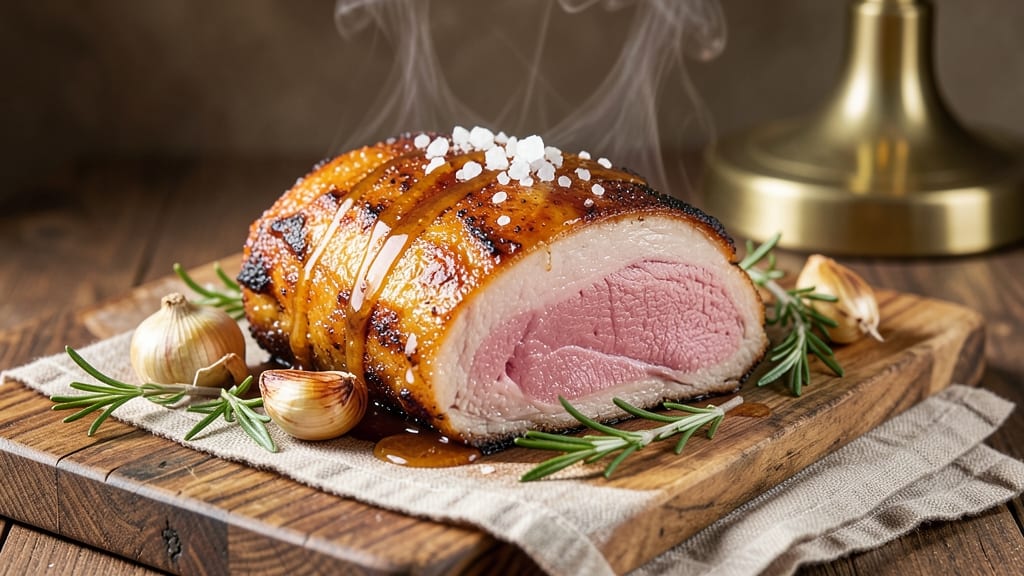
This pork shoulder brine recipe with apple cider vinegar transforms tough cuts into melt-in-your-mouth perfection—fall-apart tenderness achieved through a simple 8-hour process. The vinegar’s acidity tenderizes the meat while infusing it with bright, tangy depth that pairs beautifully with the rich pork.
After years of testing, this method consistently delivers restaurant-quality results without the fuss of long marinades or complicated techniques.
The secret lies in the balance of salt, sugar, and apple cider vinegar, which work together to break down connective tissue while keeping the meat juicy. Unlike dry brines, this wet version ensures even distribution of flavor and moisture, so every bite stays succulent.
The beauty of this recipe is its foolproof nature—just mix, submerge, and let time do the work while you prep sides or relax.
Once brined, you’ll cook the pork shoulder using your preferred method—smoke it low and slow for smoky depth, braise it for rich gravy, or roast it for crispy edges.
The result is juicy, flavorful meat that practically dissolves at the touch of a fork, perfect for sandwiches, tacos, or serving with roasted vegetables. This is the kind of recipe that turns a simple cut of pork into a centerpiece dish.
Whether you’re feeding a crowd or meal prepping for the week, this method guarantees restaurant-quality tenderness with minimal effort. The apple cider vinegar’s tang cuts through the richness, creating a harmonious balance that makes every bite satisfying. Let’s get started—your taste buds will thank you.
Ingredients for pork shoulder brine recipe apple cider vinegar
Eight hours, six ingredients that transform tough pork into melt-in-your-mouth perfection.
| Ingredient | Amount | Notes |
|---|---|---|
| Pork Shoulder (Bone-In) 🥓 | 4 lb | Fresh cut, 2-3 inches thick |
| Apple Cider Vinegar 🍎 | 1 cup | Raw, unfiltered preferred |
| Kosher Salt 🧂 | ½ cup | Diamond Crystal preferred |
| Granulated Sugar 🍚 | ¼ cup | White or brown preferred |
| Garlic Cloves 🧄 | 8 cloves | Peeled, smashed slightly |
| Fresh Rosemary 🌿 | ¼ cup | Chopped, stems removed |
| Fresh Thyme 🌿 | ⅛ cup | Leaves only, stems removed |
| Black Peppercorns 🌶️ | 1 tbsp | Freshly cracked preferred |
| Bay Leaves 🌿 | 2 whole | Dried, standard size |
| Water 💧 | 4 cups | Filtered or distilled |
| Vegetable Oil 🫒 | ¼ cup | Light, for coating |
The pork shoulder is the star here—look for a cut with good marbling and at least 2 inches of thickness for even cooking. Costco or Whole Foods usually carry well-marbled bone-in shoulders, but your local butcher can trim it to size if needed. The apple cider vinegar should be raw and unfiltered—Bragg or local orchard brands have the best flavor. Fresh herbs make all the difference, so grab them the day you brine. The sugar isn't just for sweetness; it helps break down the meat's connective tissue while balancing the vinegar's acidity. If you're short on time, you can reduce the brine time to 4 hours, but 8 hours gives you that restaurant-quality tenderness the intro promises.
No apple cider vinegar? White vinegar or lemon juice in a pinch, though the flavor won't be as complex. Fresh herbs missing? Dried rosemary and thyme at one-third the amount work, but the texture won't be as vibrant. The bay leaves can be skipped if you're out, but they add that subtle depth that makes this brine special. For the sugar, honey or maple syrup are great alternatives—they'll give a slightly different flavor profile but still tenderize the meat. If you're prepping ahead, you can make the brine mixture up to 2 days early and store it in the fridge. Just add the pork the day you plan to cook it.
This brine keeps in the fridge for up to 3 days before cooking, though the pork will taste best when brined for the full 8 hours. If you're meal prepping, portion the cooked pork into containers with some of the braising liquid for extra moisture—it reheats beautifully. The pork itself can be stored in the fridge for 3-4 days or frozen for up to 3 months. For leftovers, slice thinly and use in sandwiches, tacos, or with roasted veggies, just like the intro suggests. The key is to let the meat rest after cooking—at least 15 minutes—so it doesn't dry out when sliced.
Why You'll Love This Recipe
- No-Fuss Brine: I swear by this method—just toss the pork in a bag with vinegar, salt, and sugar, then walk away. No measuring cups, no straining, no mess. The apple cider vinegar does all the work while I sip my coffee.
- Tender-Crispy Magic: That crispy bark on the outside? The vinegar and sugar caramelize into pure flavor. Inside, it’s melt-in-your-mouth, thanks to the slow brine breaking down the meat—no dry bites here, just pure satisfaction.
- Budget-Buster for Big Gatherings: A single pork shoulder feeds my whole family plus guests, and the ingredients cost less than takeout. The garlic cloves add depth, but you could even skip them if you’re in a rush—it’s that forgiving.
Step-by-step instructions for pork shoulder brine with apple cider vinegar
Here's how to transform tough pork shoulder into melt-in-your-mouth perfection using this flavor-packed brine.
Prepare the Brine Mixture
In a large stockpot, combine the 4 cups water, 1 cup apple cider vinegar, 0.5 cup kosher salt, and 0.25 cup granulated sugar. Bring to a gentle simmer over medium heat until the salt and sugar fully dissolve—about 5 minutes. This creates a flavorful base that will penetrate every inch of the pork.
While the brine heats, add the 8 smashed garlic cloves, 0.25 cup chopped fresh rosemary, 0.125 cup fresh thyme leaves, 1 tablespoon cracked black peppercorns, and 2 bay leaves. Let the mixture steep for 10 minutes to infuse all the aromatics. The liquid should smell rich and complex—this is your flavor foundation.
Submerge the Pork Shoulder
Once the brine reaches 180°F (use an instant-read thermometer), carefully remove the pot from heat. Place the 4 lb bone-in pork shoulder in the brine using tongs, ensuring it's fully submerged. If needed, weigh it down with a small plate to keep it covered. The pork will float, so don't let it peek above the surface.
Return the pot to the stove over low heat and maintain a temperature between 170-180°F for 6 hours. This slow, gentle heat ensures even penetration without cooking the meat. The pork should absorb all those flavors while remaining raw inside—check by inserting a meat thermometer into the thickest part; it should read below 140°F when done.
Chill and Rest Before Cooking
After 6 hours, remove the pork from the brine and transfer it to a large resealable plastic bag. Pour the remaining brine over the pork, seal the bag tightly, and refrigerate for 2 hours. This chilling step firms up the meat fibers and lets the flavors meld completely. The pork should feel cool to the touch and smell intensely aromatic.
Before cooking, pat the pork dry with paper towels—this step is crucial for crispy bark later. Coat the surface generously with 0.25 cup vegetable oil to create a barrier that locks in moisture during cooking. The oil will also help develop that coveted crust when you smoke or roast.
Cook to Fall-Apart Tenderness
Now for the payoff: cook the brined pork until it reaches an internal temperature of 205°F using your preferred method—smoker, oven, or grill. The apple cider vinegar brine works magic here, breaking down collagen and connective tissue for that legendary texture. For best results, cook low and slow (around 250°F) until the probe slides in like butter.
Once done, let the pork rest for 30 minutes before slicing against the grain. The juices will redistribute, ensuring every bite is moist and packed with flavor. Serve with pan juices reduced into a glossy sauce—this brine makes the perfect pull-apart sandwich meat or shredded tacos.
Pro Tips For Making Pork Shoulder Brine Recipe Apple Cider Vinegar
- Use Cold Vinegar: The apple cider vinegar should be ice-cold when you pour it over the pork. I learned this the hard way—warm vinegar speeds up the brine’s absorption unevenly, leaving some spots mushy while others stay dry. Grab a bottle from the fridge or chill it in a bowl of ice for 10 minutes.
- Trim the Fat First: Before brining, trim any thick fat caps from the pork shoulder. This isn’t about aesthetics—it’s about even seasoning. Fat traps salt and sugar, so if you skip this, you’ll end up with uneven flavor and a soggy crust later.
- Weigh Your Pork: Use a kitchen scale to measure the pork, not volume. A 4-pound shoulder needs about 1/4 cup kosher salt and 2 tablespoons sugar, but eyeballing it leads to guesswork. I used to rely on cups, and the results were hit-or-miss.
- Add Garlic Late: Toss the whole garlic cloves into the brine after the pork has soaked for 12 hours. This prevents them from turning bitter and ensures their flavor infuses just before cooking. (Yes, even if you’re impatient like me—the extra hour makes a real difference.)
Perfect pairings for pork shoulder brine recipe apple cider vinegar
Classic Sides
The tangy-sweet notes from the apple cider vinegar brine pair beautifully with hearty sides that balance its richness. I always serve this pork shoulder with creamy mashed potatoes—their buttery texture contrasts perfectly with the tender meat.
For a lighter option, roasted Brussels sprouts with a sprinkle of balsamic glaze add a touch of sweetness that complements the vinegar's acidity. 🥔
Beverage Pairings
A crisp New England IPA like Harpoon Brewing's works wonders—its hoppy bitterness cuts through the pork's richness while the maltiness stands up to the vinegar's tang. For wine lovers, a Cabernet Franc from the Loire Valley offers earthy notes that harmonize with the rosemary and thyme in the brine.
If you prefer something lighter, a sparkling apple cider (like Woodchuck Hard Cider) mirrors the vinegar's flavor while keeping things refreshing. 🍷
Sauce Enhancements
Use the leftover brine to make a quick apple cider pan sauce—simmer the reduced cooking juices with 2 tablespoons apple cider vinegar, 1 tablespoon brown sugar, and a splash of heavy cream for a glossy finish.
For extra depth, stir in 1 teaspoon Dijon mustard and a pinch of smoked paprika. This sauce elevates the dish from weeknight dinner to special occasion. 🍏
Global Variations
For a Caribbean twist, serve the pork with mango salsa and lime crema—the tropical sweetness balances the vinegar beautifully. In Southern-style, pair it with cornbread and collard greens cooked with apple cider vinegar (just like the brine!) for a cohesive flavor profile.
The vinegar's versatility makes it a bridge between cuisines. 🌎
Make-Ahead Magic
This brined pork shoulder is a meal prep dream—cook it ahead, slice it thin, and store it in the fridge for up to 4 days. Reheat with a splash of apple cider vinegar and beef broth to keep it moist.
Pack it into sandwiches with cranberry sauce or toss it into stir-fries for a quick weeknight dinner. The flavors only get better after resting! ⏰
Nutrition facts
Frequently asked questions
Why does apple cider vinegar make pork shoulder so tender?
The acidity in apple cider vinegar works like a natural tenderizer by breaking down tough muscle fibers and connective tissue in the pork. The heat of the brine helps it penetrate deeply, while the sugar in the recipe further softens the meat. This creates that signature fall-apart texture without needing long marinating times.
Can I use this brine for other cuts of pork?
Yes! This same brine works beautifully for pork ribs, pork butt, or even chicken thighs. The apple cider vinegar's tenderizing power makes it versatile. Just adjust cooking times based on the cut's thickness—bone-in pork typically needs longer than boneless.
What's the best way to store leftover brined pork?
Wrap the cooked pork tightly in plastic wrap or foil, then store it in the fridge for 3-4 days or freeze for up to 3 months. For reheating, warm it slowly in a skillet with a splash of the original cooking juices or apple cider vinegar to maintain moisture. Never microwave directly from frozen.
Do I need to use raw apple cider vinegar?
Raw, unfiltered apple cider vinegar adds the best flavor and texture benefits, but regular vinegar works in a pinch. The "mother" in raw vinegar contains beneficial enzymes that help tenderize, but pasteurized vinegar will still improve your pork—just expect slightly less depth of flavor.
Can I make this brine without a thermometer?
You can, but it's trickier. Maintain a gentle simmer (small bubbles, not rolling) for 6 hours and keep the pot covered. The pork should feel cool to the touch when removed—if it's warm, it's been over-brined. For best results, invest in an instant-read thermometer ($10) for foolproof results.