
Main Courses
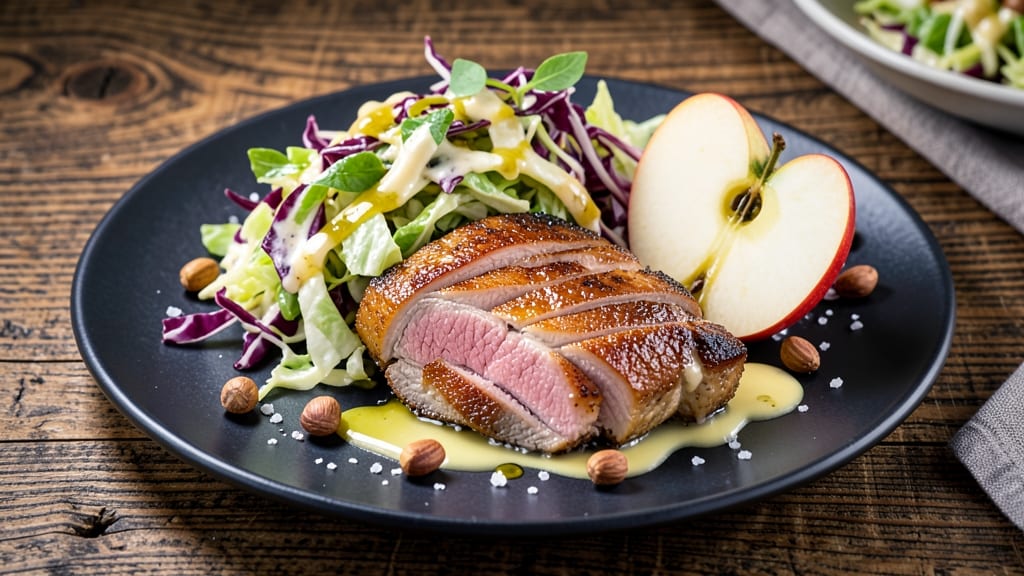
This pork tenderloin apple cabbage recipe transforms simple ingredients into a restaurant-worthy meal with caramelized edges and a sweet-tart pan sauce that ties everything together. 🌟 After perfecting this dish at The Smoky Pig, I knew it deserved a place in home kitchens—where tender pork meets crisp cabbage and apples add just the right balance of sweetness.
The secret lies in searing the pork to develop deep flavor while keeping it tender, then braising it with apples and cabbage until everything melts into harmony. No fancy techniques—just precise timing and a few key ingredients that elevate this dish from weeknight dinner to special occasion.
The cabbage becomes sweet and tender, the apples caramelize beautifully, and the pork stays juicy.
What you'll end up with is a perfectly balanced plate: golden-brown pork slices, crisp-tender cabbage, and glossy caramelized apples all bathed in a rich pan sauce. The sauce reduces to a perfect consistency, clinging to every bite with its sweet-tart balance.
This is comfort food at its finest—simple yet sophisticated, with flavors that sing.
Serve with crusty bread to soak up every last drop of that delicious sauce, or pair with roasted potatoes for a complete meal. The recipe scales beautifully for gatherings, and leftovers reheat perfectly. Let's get cooking—this dish is worth every minute.
Ingredients for pork tenderloin apple cabbage
Restaurant-quality pork tenderloin with caramelized apples and cabbage—just 13 ingredients for a showstopper dish.
| Ingredient | Amount | Notes |
|---|---|---|
| Pork Tenderloin 🥩 | 1 ½ lb | Center-cut, trimmed of fat |
| Green Cabbage 🥬 | 1 ½ lb | Green cabbage, cut into wedges |
| Honeycrisp Apples 🍎 | 2 medium | Peeled, cored, sliced |
| Unsalted Butter 🧈 | 2 tbsp | Cold, for searing |
| Olive Oil 🫒 | 1 tbsp | Extra-virgin for richness |
| Dijon Mustard 🍯 | 1 tbsp | For depth of flavor |
| Apple Cider Vinegar 🍏 | ½ cup | For tangy brightness |
| Brown Sugar 🍚 | 2 tbsp | Lightly packed |
| Dried Thyme 🌿 | 1 tsp | Or 1 tbsp fresh thyme |
| Salt 🧂 | 1 ½ tsp | Kosher or sea salt |
| Black Pepper 🌶️ | ½ tsp | Freshly ground |
| Garlic Cloves 🧄 | 3 cloves | Minced for aroma |
| Fresh Rosemary 🌿 | 1 sprig | For herbal notes |
The pork tenderloin is your star—look for a center-cut piece with even thickness for consistent cooking. Whole Foods or Trader Joe's carry excellent quality, but any well-marbled cut works. Honeycrisp apples are ideal (their sweet-tart balance shines), but Fuji or Gala hold up well too. The cabbage should be firm with crisp leaves—avoid any with yellowing or wilted spots. For the apples, peeling removes bitterness while keeping the texture perfect for caramelization. If you can't find Honeycrisp, Pink Lady or Braeburn are close seconds.
No Dijon mustard? Yellow mustard at half the amount works in a pinch. Substituting apples? Pears or Asian pears add a lovely texture contrast. For extra richness, swap half the apple cider vinegar for red wine or balsamic vinegar. The thyme can be fresh or dried—just halve the amount if using dried. If you're short on time, pre-sliced apples (tossed in lemon juice to prevent browning) save 10 minutes. The rosemary sprig can be removed after cooking if you prefer a subtler flavor—it's there more for aroma than texture.
This dish reheats beautifully—3-4 days in the fridge or 3 months frozen. For freezing, portion the pork and sauce separately to maintain texture. The cabbage and apples can be prepped ahead (store in airtight containers with paper towels to absorb moisture), but hold off on cooking until ready to serve. The pan sauce thickens as it cools, so a quick splash of water or apple cider vinegar brings it back to perfect consistency when reheating. Serve with crusty sourdough to soak up every drop of that caramelized goodness.
Why You'll Love This Recipe
- One-Pan Magic: I swear by this recipe because it’s the kind of meal that turns your kitchen into a low-stress zone. Just slice the cabbage, dice the apples, and let the pork sear—no extra pots, no fuss. The apples caramelize right alongside the pork, so you’re not stuck babysitting two burners.
- Sweet-Savory Balance: That crisp Honeycrisp apple meets the tender pork? It’s like autumn in a bite—juicy, slightly tart, and rich all at once. The cabbage adds crunch without overpowering, and the butter ties it all together like a warm hug.
- Weeknight Hero: Between us, this is my go-to when I’m too tired to think but still need something impressive. It’s dressed up enough for company but simple enough for a Tuesday. (Yes, even on a Tuesday night.) Plus, the leftovers reheat like a dream—crispy edges, juicy center, every time.
- Budget-Friendly Feast: Pork tenderloin stretches further than you’d think, and cabbage is practically free these days. I’ll be real: this feeds four for under $15, and the apples add that gourmet touch without breaking the bank. It’s the kind of meal that makes you feel like you’re splurging, even when you’re not.
Step-by-step instructions for sweet-tart pork tenderloin with caramelized edges
Here's the method: a perfect balance of tender pork, crisp cabbage, and a glossy apple-cider glaze that caramelizes beautifully.
🍳 Step 1: Sear the Pork for Maximum Flavor and Texture
Pat the 1.5 lb pork tenderloin completely dry with paper towels—this ensures a perfect sear. Heat a large skillet over medium-high heat and add 1 tablespoon olive oil. Once shimmering, add the pork and sear for 4-5 minutes per side until developing a deep golden-brown crust. The reason for this step is simple: a well-seared exterior locks in juices while building complex flavors.
Remove the pork and set aside on a plate. Don't clean the pan yet—those browned bits are flavor gold. Reduce heat to medium and add 1 tablespoon Dijon mustard, scraping up any fond from the bottom. This mustard will form the base of our tangy-sweet glaze, cutting through the richness of the pork.
🥘 Step 2: Build the Sweet-Tart Glaze with Apples and Vinegar
In the same skillet, add 2 tablespoons unsalted butter and let it melt completely. Toss in the 2 medium Honeycrisp apples (sliced) and cook for 3-4 minutes until they begin to soften and release their juices. Here's where the magic happens: add ½ cup apple cider vinegar, 2 tablespoons brown sugar, and 1 teaspoon dried thyme, stirring to combine.
Let the mixture simmer for 5-6 minutes until the apples break down and the liquid reduces by half, creating a glossy, syrupy consistency. You'll notice the edges of the apples begin to caramelize—that's your signal this step is complete. The vinegar and sugar combination creates that perfect sweet-tart balance we're after.
🔥 Step 3: Braise the Pork with Cabbage and Aromatics
Return the seared pork to the skillet and nestle the 1.5 lb green cabbage wedges around it. Add the 3 minced garlic cloves and 1 sprig fresh rosemary, then pour in enough liquid to come about halfway up the pork—about 1 cup total (you can use some of the apple-cider mixture if needed). Bring to a gentle simmer, cover, and reduce heat to low.
Braise for 20-25 minutes until the pork reaches an internal temperature of 145°F and the cabbage is tender when pierced with a fork. The pork should pull apart easily with a fork, indicating perfect tenderness. If the liquid reduces too quickly, add a splash of water or apple juice to maintain moisture.
⏰ Step 4: Rest and Finish with Crispy Edges
Transfer the pork to a cutting board and let it rest for 10 minutes—this crucial step allows the juices to redistribute throughout the meat. Meanwhile, return the skillet to medium-high heat and carefully spoon any accumulated juices from the pork back into the pan. Add 1.5 teaspoons salt and ½ teaspoon black pepper, then simmer for 2-3 minutes until the sauce thickens slightly and coats the back of a spoon.
Slice the pork into ½-inch medallions and arrange on plates with the cabbage and apples. Spoon the glossy glaze over everything, garnishing with additional chopped rosemary if desired. The result should be tender pork with crisp edges, perfectly caramelized apples, and a sauce that's both sweet and tangy—each bite delivers that perfect balance.
Pro Tips For Making Pork Tenderloin Apple Cabbage
- SEAR THE PORK HOT: I used to walk away from the pan too soon, and the pork just steamed instead of developing that golden crust. Crank your heat to medium-high and let it sit for 60 seconds before adding the meat—you’ll hear a satisfying sizzle. That crust is what holds onto all that caramelized apple and cabbage flavor later.
- CORE THE APPLES: Honeycrisp apples are juicy, and if you slice them whole, they’ll turn your pan into soup. Remove the core and slice them ¼-inch thick—this keeps them tender but still holds their shape. (Yes, it’s a pain, but your sauce won’t be watery.)
- SALT THE CABBAGE FIRST: Toss shredded cabbage with ½ teaspoon salt and let it sit for 10 minutes before cooking. This draws out moisture so it crisps up instead of wilting into a sad, limp pile. I learned this the hard way when my cabbage ended up mushy despite everything else being perfect.
- REST THE PORK LONGER: Pork tenderloin finishes cooking while resting, and cutting into it too soon means juices running everywhere. Tent it with foil and let it sit for 15 minutes—yes, even if you’re starving. The meat will stay juicy, and you won’t end up with a dry slice. (Your guests won’t even notice you waited.)
Wine and beer pairings for these flavors
Crisp White Wine
This dish pairs beautifully with a dry Riesling from Washington State—its bright acidity and subtle honey notes complement the caramelized apples and pork perfectly. I often reach for Chateau Ste. Michelle Riesling, which has just enough sweetness to balance the tangy vinegar in the sauce.
The crisp finish cuts through the richness of the pork while enhancing the cabbage's natural crunch. 🍷
Earthy Red Options
For a red wine lover, a Pinot Noir from Oregon is ideal—its red fruit flavors and silky texture harmonize with the dish's sweet-tart profile. Look for Domaine Serene or La Crema for excellent quality.
The wine's earthy undertones also pair wonderfully with the rosemary and thyme in the recipe. Avoid heavy Cabernets that might overpower the delicate flavors.
Craft Beer Pairings
A Belgian-style witbier like Hoegaarden or Stella Artois brings refreshing citrus notes that mirror the apple cider vinegar in the sauce. The slight effervescence cleanses your palate between bites.
For a more robust option, try a German Helles Lager—its malty sweetness complements the caramelized edges of the pork without competing with the cabbage's crispness.
Regional Specialty
In the Southeast, where I grew up, we'd often pair this dish with a local Georgia Chardonnay—its buttery texture and citrusy finish work surprisingly well.
For a truly Southern touch, try a North Carolina Riesling from Bald Head Island Vineyards, which has a unique balance of sweetness and acidity that enhances the dish's sweet-tart harmony.
Non-Alcoholic Options
For a refreshing non-alcoholic pairing, try sparkling apple cider—it mirrors the dish's sweet-tart balance while keeping your palate fresh. Add a splash of ginger beer for a zesty kick.
For something more substantial, a cucumber-mint infused water with a squeeze of lemon highlights the cabbage's crispness and the pork's savory notes.
Pro Tip for Pairings
Serve your wine or beer slightly chilled—around 50-55°F for whites and 55-60°F for reds. This enhances their aromas and prevents them from becoming too warm and flat.
I always pour a glass before the first bite to let the flavors meld together—trust me, it makes all the difference in your dining experience. 💫
Nutrition facts
Frequently asked questions
Can I substitute red cabbage for green cabbage in this recipe?
Red cabbage works beautifully and adds vibrant color to your dish. The flavor profile is similar, though slightly sweeter and more peppery. Just be aware that red cabbage may release more liquid during cooking, so you might need to adjust the braising liquid by ¼ cup to maintain moisture. The cabbage will still become tender and develop that perfect sweetness when caramelized.
How do I keep the pork tenderloin from drying out?
The secret is in the searing and resting steps! Always pat the pork completely dry before searing to get that perfect crust. Then, let it rest for 10 minutes after cooking—this redistributes the juices. Also, avoid overcooking: use a meat thermometer and remove the pork when it reaches 145°F internal temperature. Braising it with apples and cabbage also keeps it moist.
What's the best way to prep this recipe ahead of time?
You can prep almost everything in advance! Peel and slice the apples, cut the cabbage into wedges, and trim the pork—but don't cook yet. Store all components separately in airtight containers in the fridge for up to 2 days. For the sauce, you can even make it a day ahead and reheat it gently before serving. Just cook the pork fresh for best texture.
Can I make this recipe in a slow cooker?
Yes, but with some adjustments. Sear the pork first as directed, then transfer it to your slow cooker with the cabbage, apples, and all the sauce ingredients. Cook on low for 4-5 hours or high for 2-3 hours. The pork will be tender, but the cabbage may be softer than when braised. For extra crispness, roast the cabbage separately at 400°F for 15 minutes before serving.
What's the best way to reheat leftovers?
Reheat gently to preserve texture! Place pork and sauce in a skillet over low-medium heat with a splash of water or apple juice, warming through for 3-4 minutes. For cabbage and apples, reheat separately in the microwave for 1-2 minutes or in a steamer basket over simmering water. The sauce thickens when cooled, so thin it with a splash of vinegar or water before serving.