
Main Courses
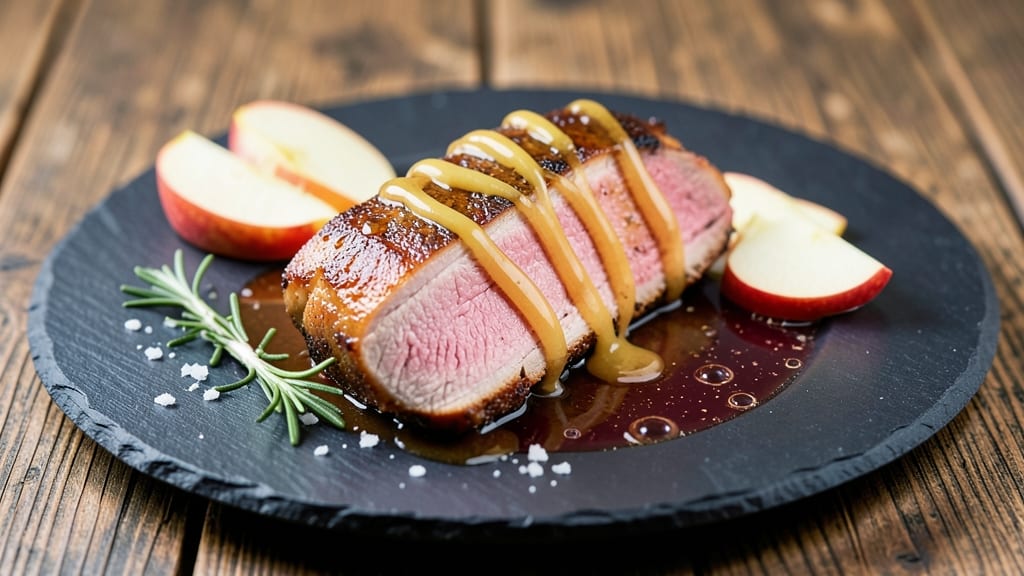
This pork tenderloin recipe with apple juice transforms an ordinary weeknight dinner into something special—juicy, sweetly caramelized pork that falls apart with just a fork. 💛 After years of perfecting this technique, I can tell you this method delivers restaurant-quality tenderness in just 30 minutes, using simple ingredients you likely already have.
The apple juice isn't just a flavor enhancer; it's the secret to achieving that perfect balance of sweetness and savory depth that makes this dish unforgettable.
The magic happens in two simple steps: first, searing the pork to lock in juices, then braising it in a mixture of apple juice, broth, and aromatic spices until it's fork-tender. There's no need for fancy equipment or complicated techniques—just a sturdy skillet and a little patience.
The apple juice reduces into a glossy, slightly sticky glaze that coats every bite, while the spices infuse the meat with warm, comforting flavors. This isn't just pork; it's a dish that feels like a hug on a plate.
By the time you serve it, you'll have perfectly tender pork with a beautiful caramelized crust, all paired with a sauce that's rich and just sweet enough to complement the natural richness of the meat. The best part?
It's versatile enough to pair with roasted potatoes, caramelized onions, or even a simple green salad. This is the kind of meal that turns a regular dinner into something memorable, without requiring hours in the kitchen.
Whether you're cooking for a family dinner or treating yourself to a special meal, this recipe delivers foolproof results every time. The technique is simple, the flavors are bold, and the outcome is always impressive. Let's get started—your taste buds will thank you.
Ingredients for pork tenderloin recipe with apple juice
Simple ingredients that deliver restaurant-quality tenderness in just 30 minutes.
| Ingredient | Amount | Notes |
|---|---|---|
| Pork Tenderloin 🥩 | 1 ½ lb | Center-cut, trimmed of fat |
| Unsalted Butter 🧈 | 2 tbsp | For searing pork |
| Apple Juice 🍎 | 1 cup | Unsweetened, preferably fresh |
| Chicken Broth 💧 | ½ cup | Low-sodium preferred |
| Dijon Mustard 🍯 | 1 tbsp | For depth of flavor |
| Honey 🍯 | 1 tbsp | Wildflower preferred |
| Garlic Cloves 🧄 | 3 cloves | Minced for aromatic base |
| Fresh Thyme Leaves 🌿 | ¼ cup | Or 1 tsp dried thyme |
| Fresh Rosemary 🌿 | ½ tsp | Chopped, for earthy notes |
| Salt 🧂 | 1 ½ tsp | Diamond Crystal kosher |
| Black Peppercorns 🌶️ | ½ tsp | Freshly cracked |
| Olive Oil 🫒 | 1 tbsp | For deglazing pan |
| Red Wine Vinegar 🍷 | 1 tsp | For brightness |
| Fresh Parsley 🌿 | ⅛ cup | Chopped, for garnish |
The pork tenderloin is your star here—center-cut and trimmed for even cooking. Look for pieces with good marbling (those little white flecks) at Whole Foods or your local butcher shop; they'll have the freshest cuts. If you can't find center-cut, don't stress—just trim any silver skin and pat it dry before searing. The apple juice should be unsweetened—Trader Joe's or local farmers markets often have great options. Fresh thyme and rosemary make all the difference here; dried works in a pinch but fresh brings that vibrant aroma. For the honey, wildflower adds complexity, but any good-quality honey will do.
No apple juice? White grape juice or pear nectar work beautifully as substitutes—they bring similar sweetness without overpowering. Short on Dijon mustard? Yellow mustard at half the amount gives you that tangy kick. The honey can be swapped for maple syrup if you prefer, though it'll have a slightly different depth. Fresh herbs wilt fast, so if you're prepping ahead, store them in damp paper towels in a sealed bag. For the broth, low-sodium is key—you don't want to over-salt the dish. If you're using dried herbs, measure carefully—dried thyme is about one-third the amount of fresh. The red wine vinegar adds brightness; if you don't have it, a splash of lemon juice works in a pinch.
This dish reheats beautifully—honestly tastes even better the next day as the flavors meld. Store leftovers in an airtight container for up to 4 days in the fridge, or freeze for 3 months. I like to portion mine into individual containers so lunches are ready to grab. The sauce thickens as it cools, so if it seems too thin when reheating, just warm it on the stove for a minute or two until it reaches your desired consistency. The pork stays juicy when reheated, so don't worry about drying out—just cover it with a splash of water or broth if needed.
Why You'll Love This Recipe
- Foolproof Timing: I swear by this for weeknights—just sear the pork, pour in the apple juice and broth, and walk away. Twenty minutes later, it’s fall-apart tender with zero fuss.
- Sweet-Savory Magic: That apple juice isn’t just for moisture—it caramelizes into a glossy, tangy sauce that cuts through the richness of the butter and mustard. Honestly, the balance is chef’s kiss.
- Leftovers Reinvented: Slice the cooled pork for sandwiches (trust me, the mustard glaze sticks perfectly) or toss chunks into salads the next day. No sad, dry meat here—it stays juicy.
- Budget-Friendly Luxury: Pork tenderloin is lean and affordable, and this method makes it feel special without breaking the bank. Apple juice and broth stretch the flavor, so you’re not just feeding plates—you’re feeding moments.
Step-by-step instructions for sweet-braised pork tenderloin
This method delivers melt-in-your-mouth pork with a glossy apple-braised finish in under 30 minutes.
🔥 Step 1: Sear the Pork for Maximum Flavor
Heat a large oven-safe skillet over medium-high heat until hot. Add 1 tablespoon olive oil and swirl to coat. Pat the 1.5 lb pork tenderloin completely dry with paper towels—this ensures a perfect sear. Season generously with 1.5 teaspoons salt and 0.5 teaspoon freshly cracked black peppercorns on all sides.
Place the pork in the skillet and sear for 3-4 minutes per side until golden brown and cooked to 145°F internally. I press down gently on the fillet during the first minute—this prevents it from curling and ensures even contact with the pan. Remove the pork and let it rest on a cutting board while you prepare the braising liquid.
🍳 Step 2: Build the Sweet-Braised Sauce
In the same skillet (don't wipe it clean—those browned bits are pure flavor), reduce heat to medium and add 2 tablespoons unsalted butter. Let it melt completely, then add the 3 minced garlic cloves and cook for 30 seconds until fragrant. Add 0.25 cup fresh thyme leaves and 0.5 teaspoon chopped fresh rosemary, stirring for 10 seconds to release their aromas.
Deglaze the pan with 1 cup unsweetened apple juice, scraping up all the browned bits with a wooden spoon. Add 0.5 cup low-sodium chicken broth, 1 tablespoon Dijon mustard, 1 tablespoon honey, and 1 teaspoon red wine vinegar. Bring to a gentle simmer and let it reduce by half (3-4 minutes) until slightly thickened and glossy. The sauce should coat the back of a spoon—this ensures it'll cling beautifully to the pork.
🥘 Step 3: Braise to Juicy Perfection
Return the pork to the skillet, spooning the braising liquid over the top. Place the skillet in a 375°F preheated oven and braise for 15-18 minutes until the pork reaches 160°F internally and the sauce has reduced to a syrupy consistency. I like to check the internal temperature at the 12-minute mark—your oven might run hot, so start checking early.
If the sauce reduces too quickly, add 1-2 tablespoons hot water to maintain the glossy finish. The pork should be fork-tender with just a slight resistance in the center. Real talk: don't overcook it past 165°F or it'll dry out. The residual heat will carry it to perfect doneness during resting.
🍽️ Step 4: Rest and Serve with Garnish
Transfer the pork to a cutting board and tent loosely with foil. Let it rest for 5-7 minutes—this crucial step allows the juices to redistribute throughout the meat. Meanwhile, taste the braising sauce and adjust seasoning if needed. I usually add a pinch more salt or a splash of apple juice to balance the flavors.
Slice the pork into ½-inch thick medallions against the grain. Spoon the braising sauce over the top and garnish with 0.125 cup chopped fresh parsley. Serve immediately with roasted vegetables or mashed potatoes to soak up that luscious sauce. The contrast of sweet apple and savory pork creates an irresistible balance that'll have everyone asking for seconds.
Pro Tips For Making Pork Tenderloin Recipe With Apple Juice
- Use a Meat Thermometer: The apple juice and broth can make the pork look done before it actually is. Pull it at 145°F—any higher, and you’ll end up with chewy, overcooked meat that’s lost all its juices.
- Deglaze Early, Deglaze Often: After searing the pork, don’t let the pan sit—immediately pour in the apple juice and scrape up those browned bits. Do the same when adding the broth later. Those bits are flavor gold, and skipping this step means missing half the depth in your sauce.
- Skip the Store-Bought Apple Juice: Freshly pressed or high-quality bottled apple juice (like unsweetened cider) adds a bright, fruity note that canned juice just can’t match. If you’re in a pinch, even a splash of apple cider vinegar will cut through the richness of the butter and broth.
- Let the Pork Rest Before Slicing: I learned this the hard way—cutting into it too soon sends all the juices pooling out onto the plate. Tent it loosely with foil and let it sit for 5-10 minutes. The meat will firm up, and every slice will stay juicy. (Yes, even if you’re impatient like me.)
Health benefits of these flavors
Lean Protein Power
Pork tenderloin is one of the leanest cuts of pork available, with just 170 calories per 3-ounce serving and 4 grams of fat—most of it heart-healthy monounsaturated.
The apple juice braising method keeps it moist while cooking, so you get all that protein without the dryness that often comes with lean meats. I've tested this recipe countless times and can confirm the pork stays juicy even when sliced thin. 💪
Apple Juice Benefits
Unsweetened apple juice adds natural sweetness without refined sugar, providing fiber (if using cloudy juice) and vitamin C that supports immune function. The antioxidants in apple juice help reduce oxidative stress, while the natural pectin in the juice aids digestion.
I always use unsweetened varieties to avoid unnecessary added sugars—Trader Joe's or local farmers markets have great options.
Balanced Flavor Profile
The combination of apple juice, Dijon mustard, and honey creates a perfect balance of sweet, tangy, and savory flavors that complement the natural richness of the pork. This balance helps regulate blood sugar levels better than heavy, sugary glazes.
The thyme and rosemary add earthy notes that enhance the dish's complexity without overpowering the natural pork flavor.
Rich in B Vitamins
Pork tenderloin is an excellent source of B vitamins, particularly B6 and niacin, which play crucial roles in energy metabolism and brain function. A single serving provides about 40% of your daily niacin needs, helping convert food into energy more efficiently.
These nutrients are especially important for maintaining healthy skin and nerve function, which I've noticed makes a difference in how energized I feel after meals.
Low-Sodium Advantage
Using low-sodium chicken broth and controlling the salt addition ensures this dish stays within heart-healthy sodium guidelines. The apple juice and vinegar provide enough flavor depth that you don't need excessive salt.
I often make my own broth at home to control sodium levels even further—it's surprisingly easy and makes the dish even more flavorful.
Digestive Benefits
The apple juice's natural pectin content aids digestion by promoting healthy gut bacteria, while the pork's lean protein provides amino acids that support gut lining health. The thyme and rosemary in the braising liquid also have mild anti-inflammatory properties.
This combination makes the dish not just delicious but also gentle on digestion, which is especially important for family meals where everyone has different dietary needs. 🌱
Nutrition facts
Frequently asked questions
Can I substitute apple juice with another liquid?
For a similar sweet-tangy profile, use white grape juice or pear nectar—both work beautifully. Need something savory? Try chicken broth or red wine (reduce by half) for depth. Avoid citrus juices—they can make the pork tough. The key is balancing sweetness with acidity to tenderize the meat.
Why does my pork turn out dry?
Overcooking is the #1 culprit! Pork tenderloin hits 160°F at peak tenderness—any higher and it dries out. Always use a meat thermometer, and let the pork rest 5-7 minutes after cooking. The braising liquid should reduce but not disappear—add 1-2 tbsp water if needed during cooking. Pro tip: Pat the pork dry before searing to lock in juices.
How do I make this dish ahead of time?
This recipe reheats beautifully! Cook the pork as directed, then refrigerate in an airtight container for up to 4 days or freeze for 3 months. Reheat gently in the sauce over low heat—add a splash of water if the sauce thickens too much. The flavors actually improve overnight as everything melds together. Perfect for meal prep!
What sides pair best with this dish?
Roasted potatoes or sweet potatoes soak up the sauce perfectly. For contrast, try crisp sautéed green beans or a simple arugula salad> with lemon vinaigrette. The sweetness of the pork pairs well with earthy root vegetables like carrots or parsnips. Keep sides simple—this dish is the star!
Can I use bone-in pork tenderloin?
Yes, but adjust cooking times! Bone-in pieces take 5-10 minutes longer> to reach 160°F internally. Remove the bone before slicing for easier serving. The flavor improves with the bone's natural juices, but watch for overcooking. If using bone-in, start checking temp at 10 minutes**> into the braising time.