
Sauces & Condiments
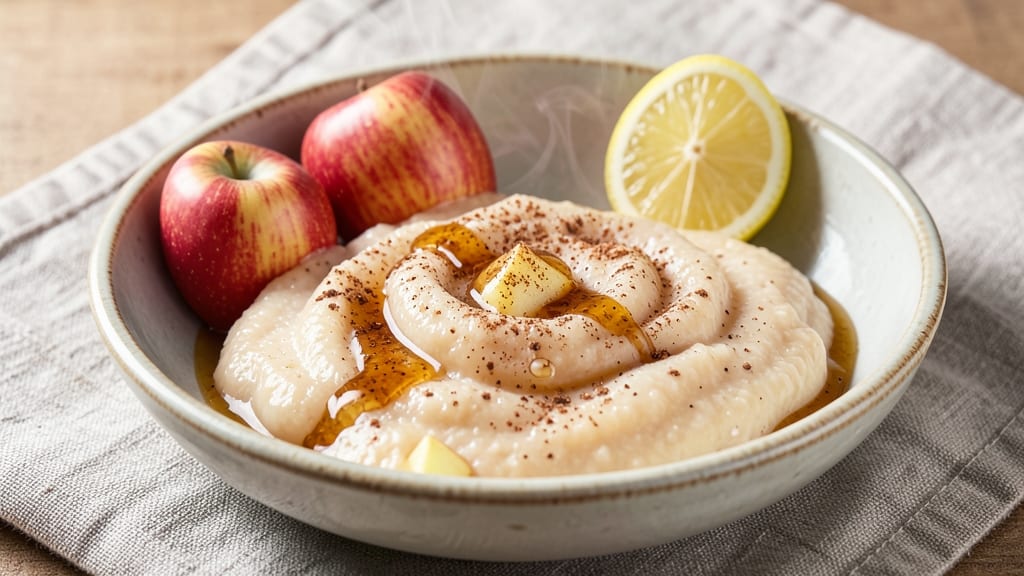
This raw apple sauce recipe transforms simple apples into a vibrant, no-cook spread that’s fresh, naturally sweet, and perfect for topping pancakes or pairing with cheese. The secret lies in blending ripe apples with just a splash of lemon juice and a touch of cinnamon—no heat required.
This method preserves the fruit’s natural enzymes, nutrients, and bright flavor, making it a healthier twist on traditional cooked apple sauce.
What sets this recipe apart is its versatility: you can achieve either a chunky, rustic texture or a smooth, velvety consistency, depending on how finely you blend the apples. The addition of maple syrup or dates balances sweetness without overpowering the apple’s natural taste.
It’s a game-changer for those who prefer raw, unprocessed ingredients—plus, it takes just 10 minutes to prepare, with no cleanup.
The result is a sauce that’s as nutritious as it is delicious, packed with fiber and natural sugars for a satisfying, energy-boosting spread. Store it in an airtight container in the refrigerator for up to a week, or freeze for longer shelf life.
Whether you’re using it as a dip for apple slices, a topping for oatmeal, or a spread for toast, this raw apple sauce adds a refreshing, seasonal touch to any meal.
For extra flavor, experiment with vanilla extract, ginger, or a pinch of nutmeg. The possibilities are endless, but the foundation remains simple: fresh apples, a splash of acidity, and a hint of spice. Let’s get started!
Ingredients for raw apple sauce
Fresh apples, a splash of acidity, and a hint of spice create this vibrant no-cook sauce.
| Ingredient | Amount | Notes |
|---|---|---|
| Honeycrisp Apples 🍎 | 4 medium | Peeled, cored, cut into chunks |
| Lemon Juice 🍋 | 2 tbsp | Freshly squeezed for brightness |
| Maple Syrup 🍯 | 2 tbsp | Grade B for richer flavor |
| Ground Cinnamon 🌿 | ½ tsp | Freshly ground preferred |
| Vanilla Extract 🥛 | ½ tsp | Pure almond extract optional |
| Filtered Water 💧 | ¼ cup | As needed for blending |
| Dates 🍇 | 2 pitted Medjool | For natural sweetness boost |
| Sea Salt 🧂 | ¼ tsp | Fine grain for balance |
Honeycrisp apples are ideal for their sweet-tart balance and firm texture, but Fuji or Gala work equally well. Local farmers markets often have the freshest, most flavorful varieties—look for apples that yield slightly to gentle pressure. If using organic apples, no need to peel, but conventional apples should be peeled to remove any wax residue. The lemon juice is crucial for preventing browning and brightening the flavor, so don't skip it. For extra convenience, Trader Joe's sells pre-washed apples that save time.
No maple syrup? Agave nectar or date syrup works as a 1:1 substitute, though maple adds that signature depth. Running short on dates? Pitted Medjool dates are best, but regular dates work in a pinch—just soak them in warm water for 10 minutes first. Want more spice? Add a pinch of nutmeg or ginger to the blend. For a smoother texture, add filtered water gradually while blending, starting with the full 1/4 cup and adjusting as needed. The cinnamon should be freshly ground if possible—pre-ground loses potency quickly.
Store in an airtight container in the fridge for up to 7 days, or freeze for 3 months. The sauce thickens as it chills, so add a splash of water when serving if needed. For best results, blend just before serving to maintain that fresh, chunky texture. This sauce pairs beautifully with vegan cheese boards, oatmeal, or as a topping for baked apples. The flavor actually improves overnight as the apples release more juice.
Why You'll Love This Recipe
- No-Cook Magic: I swear by this recipe when I’m too tired to turn on the oven. Just chop, blend, and boom—creamy, vibrant sauce ready in minutes. The Honeycrisp apples do all the work; their natural sweetness and texture melt into something velvety without a single pot.
- Sweet Heat Balance: That first bite? It’s like autumn in a jar—bright lemon juice cuts through the apples’ richness, while the cinnamon and vanilla deepen the flavor into something almost spiced-cake-like. Honestly, I’ve never made apple sauce that didn’t taste like dessert first.
- Breakfast to Dessert: Slather it on toast with peanut butter for a grown-up snack, drizzle it over oatmeal, or serve it chilled with vanilla ice cream. (Yes, even on a Tuesday night.) The maple syrup keeps it rich enough for savory dishes but sweet enough for sweets—no extra ingredients needed.
- Zero Waste, All Gain: Use the apple peels and cores in smoothies or compost them guilt-free. The recipe scales perfectly for leftovers, and since it’s just apples, honey, and spices, it’s cheaper than store-bought and healthier. My wallet and my kids’ lunchboxes thank me weekly.
Step-by-step instructions for raw apple sauce
Here's how to make vibrant, naturally sweet apple sauce without cooking.
Prepare the Apple Base
Place the 4 medium Honeycrisp Apples in a high-powered food processor or blender. I like to use the feed tube for easier cleanup with chunky textures. Pulse the apples in short bursts until they're broken down into pea-sized chunks—you want to preserve some texture, not puree them completely.
The Honeycrisp variety is perfect here because it holds its shape beautifully while still breaking down easily. If you notice any particularly tough stems or skins that didn't get removed during peeling, pulse them separately until smooth, then add back to the main batch. This ensures your sauce has a consistent texture without any gritty bits.
Add Sweetness and Seasonings
To the apple chunks, add the 2 pitted Medjool Dates and pulse again until the dates are completely broken down. This creates a natural sweetness boost without refined sugar. Then add the 2 tbsp Maple Syrup, 0.5 tsp Ground Cinnamon, 0.5 tsp Vanilla Extract, and 0.25 tsp Sea Salt.
I always recommend using freshly ground cinnamon for the best flavor—pre-ground can lose potency over time. The dates here serve two purposes: they add natural sweetness and help bind the mixture together. Pulse everything together for about 10-15 seconds until the dates are fully incorporated and the mixture looks uniformly moist.
Balance and Blend
With the processor running, slowly pour in the 0.25 cup Filtered Water through the feed tube. This helps create the perfect consistency—thick enough to coat the back of a spoon but still spreadable. The water also helps distribute the seasonings evenly throughout the mixture.
Blend for another 20-30 seconds until you achieve a chunky texture with small apple pieces visible. You're aiming for something between applesauce and apple butter—thick enough to hold its shape but still with visible texture. Taste and adjust seasoning if needed, adding more cinnamon or salt to taste.
Finish with Lemon Juice
Add the 2 tbsp Lemon Juice and pulse just 2-3 times to incorporate. The acidity from the lemon juice brightens all the flavors and prevents the sauce from tasting flat. This is the final flavor adjustment step—don't skip it, as it makes all the difference in balancing the sweetness.
For the best texture, I recommend transferring the sauce to a clean bowl and giving it one final stir with a silicone spatula. This helps distribute any remaining dry bits from the dates or apple chunks. Your raw apple sauce is now ready to serve—no cooking required!
Pro Tips For Making Raw Apple Sauce
- PEEL THE CORES FIRST: Honeycrisp apples have a thick skin that’s tough to cut through once they’re cored. I learned this the hard way—peeling them before coring saves your fingers and keeps the prep from turning into a frustrating puzzle. Grab a paring knife and work quickly; these apples bruise fast once exposed.
- GRATE THE APPLES FINE: If your texture ends up chunky, you’re either using a box grater or stopping too soon. Aim for a consistency like wet sand—push the grated apples through a fine-mesh sieve to eliminate pulp and get that silky raw sauce. (Yes, it’s extra work, but the result is worth it.)
- MEASURE THE LEMON JUICE: A splash of lemon juice isn’t enough—this recipe actually needs 1 tablespoon to balance the sweetness and prevent oxidation. I used to eyeball it and ended up with sauce that tasted flat or overly tart. Trust the measurement; your taste buds will notice the difference.
- LET IT REST 10 MINUTES: Raw apple sauce thickens as it sits, but rushing it means a runny mess. Stir in the vanilla and cinnamon, then let the mixture sit uncovered in the fridge for 10 minutes before tasting. The flavors meld, and the texture firms up—no extra cooking required. (I know, I know, but trust the process.)
Regional styles of this recipe
German Apfelmus
In Germany, raw apple sauce—called Apfelmus—is traditionally made with a mix of sweet and tart apples like Boskop or Braeburn, blended with just a touch of cinnamon and sometimes a pinch of vanilla.
The Germans often serve it warm (though this version stays raw) as a side with sausages or as a dessert with vanilla ice cream.
For an authentic twist, add 1 tsp apple cider vinegar instead of lemon juice—it’s a classic German flavor enhancer that keeps the sauce bright and tangy. 🍏
Scandinavian Chunky Style
Up north in Sweden and Norway, raw apple sauce is often left extra chunky to highlight the apples’ texture. Locals blend in a handful of fresh dill or a pinch of cardamom for a unique Nordic flavor profile.
The sauce is typically served as a topping for flatbreads (like limpa) or as a dip for smoked fish. For a Scandinavian-inspired version, swap the dates for a few soaked prunes and add ½ tsp ground cardamom—it’s a delicious, unexpected twist. ❄️
French Tarte aux Pommes Twist
In France, raw apple sauce is a staple for tarte aux pommes (apple tart) fillings, where it’s often blended with a splash of Calvados (apple brandy) for depth.
For a French-inspired version, replace the vanilla extract with ½ tsp almond extract and add 1 tbsp Calvados (or apple cider if you prefer a non-alcoholic option). The sauce pairs beautifully with crème fraîche or whipped mascarpone in a tart. 🍷
American Southern Sweetness
The American South leans into extra sweetness in raw apple sauce, often blending in pecans or walnuts for texture. A Southern favorite is adding 1 tbsp blackstrap molasses for a deep, caramelized note.
This version is perfect as a topping for cornbread or as a filling for apple hand pies. For a Southern-inspired touch, fold in 2 tbsp chopped pecans after blending and serve with a sprinkle of flaky sea salt. 🌶️
British Rustic Version
In the UK, raw apple sauce is often made with Cook’s Apple or Cox’s Orange Pippin, known for their balance of sweet and tart flavors. The British version typically includes a splash of port wine (just 1 tbsp) and a pinch of nutmeg for warmth.
It’s commonly served with roast pork or as a topping for scones with clotted cream. For a British-inspired sauce, add 1 tbsp tawny port and ¼ tsp freshly grated nutmeg—it’s a sophisticated yet simple upgrade. 🍷
Mediterranean Herb Infusion
In Mediterranean regions like Italy and Greece, raw apple sauce gets a herb-forward twist. Blend in 1 tbsp fresh rosemary or thyme (finely chopped) and a grated strip of lemon zest for brightness. This version pairs perfectly with grilled lamb or as a topping for focaccia.
For a Mediterranean touch, add 1 tbsp chopped fresh rosemary and 1 tsp lemon zest—the herbs add an earthy depth that complements the sweetness beautifully. 🌿
Nutrition facts
Frequently asked questions
Can I use any apples for this raw sauce?
Sweet-tart apples like Honeycrisp or Fuji work best, but you can use any variety you prefer. Tart apples like Granny Smith need extra sweetener (add 1 extra tbsp maple syrup), while overly soft apples may yield a watery texture. For the best results, choose firm, ripe apples that hold their shape when chopped.
How do I adjust the sweetness if my apples are tart?
Add 1-2 extra tbsp maple syrup or blend in 1-2 more pitted dates for natural sweetness. For a quick test, taste a raw apple slice first—if it's very tart, you'll know to increase the sweetener. The lemon juice will balance the flavors, so don't reduce it.
Can I make this sauce without a food processor?
Yes! Use a high-powered blender or even a potato masher for a rustic texture. For a smoother version, transfer the chopped apples to a bowl and mash with a fork, then stir in the other ingredients. You may need to add 1-2 extra tbsp water to achieve the right consistency.
Will this sauce thicken when refrigerated?
Yes, it naturally thickens as it chills—this is normal! If it becomes too thick, simply stir in 1-2 tbsp water before serving. For a smoother texture, blend again briefly after refrigerating. The sauce will keep its fresh flavor for up to 7 days in an airtight container.
What are the best ways to use this raw apple sauce?
Spread it on toast, dollop over oatmeal, or use it as a dip for apple slices. It’s also perfect as a topping for pancakes, yogurt, or vegan cheese boards. For a savory twist, try pairing it with smoked salmon or as a glaze for roasted pork—just reduce the sweetener slightly if using in savory dishes.