
Main Courses
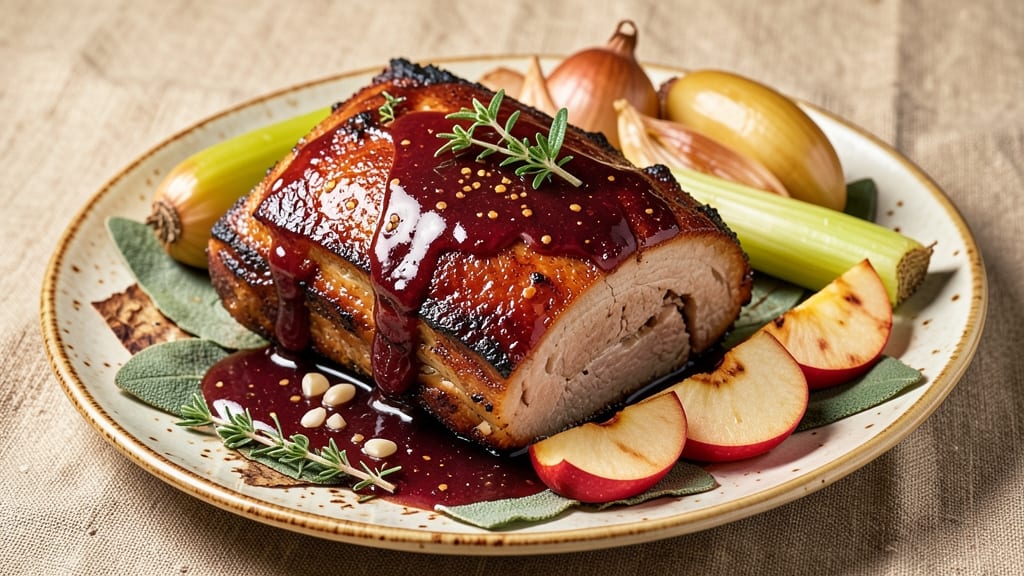
This apple cider braised pork roast transforms tough pork into melt-in-your-mouth perfection with just a few simple ingredients and hours of hands-off cooking. The secret lies in slow simmering the roast in spiced apple cider until it's fork-tender, while celery and onions build deep, aromatic layers of flavor.
My grandmother used to make this during autumn harvests, and it always became the centerpiece of our dinner table—warm, comforting, and impossible to resist.
The beauty of this recipe is its simplicity: sear the pork to lock in juices, then let the oven and cider do the rest. No fancy techniques required—just time and patience.
The apple cider adds natural sweetness that balances the savory spices, while the celery provides that satisfying crunch in every bite. It's the kind of dish that tastes even better the next day, making it perfect for meal prep or holiday gatherings.
By the time you're done, you'll have a restaurant-quality roast that's rich, tender, and bursting with autumn flavors. The pork practically falls apart at the touch of a fork, and the braising liquid reduces into a glossy, aromatic sauce that's perfect for drizzling over the top.
This is comfort food at its finest—warm, hearty, and deeply satisfying.
Serve it with creamy mashed potatoes, roasted root vegetables, or crusty bread to soak up every last drop of that delicious sauce. The contrast of tender pork with crisp celery and soft vegetables makes each bite unforgettable. Let's get cooking—this roast is about to become your new favorite weeknight dinner.
Ingredients for recipe for apple cider braised pork roast
Six ingredients transform tough pork into melt-in-your-mouth perfection with autumn's coziest flavors.
| Ingredient | Amount | Notes |
|---|---|---|
| Pork Shoulder Roast 🥩 | 4 lb | Bone-in for flavor, trimmed of excess fat |
| Apple Cider 🍎 | 4 cups | Unfiltered for best flavor, chilled |
| Yellow Onions 🧅 | 2 whole | Cut into 1-inch chunks, skin on |
| Celery Stalks 🧄 | 4 whole | Cut into 2-inch pieces, leaves reserved |
| Garlic Cloves 🧄 | 6 cloves | Smash lightly with side of knife |
| Fresh Thyme 🌿 | 2 tbsp | Leaves only, stems removed |
| Fresh Rosemary 🌿 | 1 tbsp | Needles only, chopped |
| Ground Black Pepper 🌶️ | 1 ½ tsp | Freshly cracked for best flavor |
| Kosher Salt 🧂 | 1 ½ tsp | Diamond Crystal preferred |
| Olive Oil 🫒 | ½ cup | Extra-virgin for searing |
| All-Purpose Flour 🌾 | 2 tbsp | For dusting roast |
| Fresh Bay Leaves 🌿 | 2 whole | Dried works in pinch |
| Fresh Parsley 🌿 | ¼ cup | Chopped, for garnish |
The pork shoulder is where this dish shines—bone-in cuts stay juicier, and you can find them at Costco or your local butcher. If buying pre-trimmed, pat it dry and score the fat cap in a crosshatch pattern before searing. Trader Joe's often carries great apple cider, but if you can't find unfiltered, just use regular. The celery and onions? Fresh is non-negotiable here—they're the backbone of that aromatic crunch. Look for celery with tight stalks and crisp leaves, and onions with papery skins that don't feel slimy. For the herbs, I always grab extra thyme and rosemary—half goes in the pot, half gets tied into little bundles for infusing the cider.
No fresh bay leaves? Dried works at one-third the amount, but they're worth hunting down for their piney aroma. Running short on apple cider? Substitute with apple juice plus 1 tbsp apple cider vinegar—it'll still taste amazing. The olive oil matters for searing—Trader Joe's or Whole Foods carry great extra-virgin options that won't overpower the pork. If you're prepping ahead, you can chop all your veggies and store them in a sealed container in the fridge for up to 3 days. The pork can sit in the fridge overnight too—just bring it to room temp before cooking. For the herbs, if you've got dried, use half the amount but toast them in a dry pan for 30 seconds first to wake up the flavors.
This roast gets better with time—3-4 days in the fridge is ideal if you can plan ahead. The sauce thickens beautifully as it cools, so it reheats like a dream. I always make extra and freeze portions in 1-cup containers—perfect for quick weeknight dinners. Store the roast itself wrapped tightly in foil for up to 5 days. When reheating, add a splash of water or cider to the sauce pan to keep it from drying out. The celery leaves you reserved? Toss them with the parsley and a drizzle of olive oil for a bright garnish that makes the whole dish pop.
Why You'll Love This Recipe
- One-Pot Magic: I swear by this recipe—just toss the pork, onions, celery, and garlic into a Dutch oven with apple cider, cover it, and let the oven do the work. No flipping, no fussing, no extra pans.
- Sweet-Savory Symphony: That caramelized apple cider clings to the pork like a hug, while the garlic and onions build layers of warmth. It’s rich but bright, salty but sweet—like a hug from a fall afternoon.
- Leftovers That Shine: This roast tastes even better the next day, so I always make extra. Slice it for sandwiches, shred it into tacos, or serve it cold with crusty bread. (Yes, even on a Tuesday night.)
- Budget-Friendly Feast: Pork shoulder is affordable, and apple cider stretches into a flavor bomb without breaking the bank. Honestly, it’s the kind of meal that makes grocery day feel like a win.
Step-by-step instructions for apple cider braised pork roast
This method delivers melt-in-your-mouth pork with rich apple cider depth and perfect celery crunch.
Sear the Pork Shoulder for Maximum Flavor
Pat the 4 lb pork shoulder roast completely dry with paper towels—this ensures maximum browning. In a large Dutch oven, heat 0.5 cup olive oil over medium-high heat until shimmering. Place the roast fat-side down and sear for 5 minutes until deeply golden. Flip and sear the other side for another 5 minutes.
While searing, sprinkle 1.5 tsp kosher salt and 1.5 tsp ground black pepper evenly over both sides. The high heat will caramelize the sugars in the meat, creating a flavorful crust that forms the base for our braise. Don't rush this step—patience here makes all the difference.
Sauté Aromatics Until Fragrant
Remove the roast from the Dutch oven and set it aside. In the same pot, add 2 whole yellow onions (cut into 1-inch chunks) and 4 whole celery stalks (cut into 2-inch pieces). Cook over medium heat for 5 minutes until the onions begin to soften and the celery turns bright green.
Add 6 cloves garlic cloves (smash lightly with the side of your knife) and cook for another 1 minute until fragrant. Stir in 2 tbsp fresh thyme leaves and 1 tbsp chopped fresh rosemary. The herbs should release their essential oils, filling your kitchen with an aromatic punch. This step builds the flavor foundation for your braise.
Dust and Deglaze for Rich Sauce
Sprinkle 2 tbsp all-purpose flour evenly over the seared pork shoulder. Toss the roast gently to coat all sides with the flour. Return the pork to the Dutch oven with the aromatics, then pour in 4 cups chilled apple cider. Add 2 whole fresh bay leaves to enhance the herbal notes.
Bring the mixture to a simmer over medium heat, then reduce heat to low. The liquid should barely bubble—this gentle simmer is crucial for tenderizing the meat. Let it cook uncovered for 1 hour, allowing the alcohol in the cider to evaporate and the flavors to meld. This initial simmer helps break down the tough connective tissue in the pork.
Braise Until Fork-Tender
After the initial hour, cover the Dutch oven with a tight-fitting lid and transfer it to a 325°F oven. Braise for 3 to 3.5 hours until the pork is fork-tender. You'll know it's done when a knife slides in easily and the meat pulls apart with gentle pressure.
About 30 minutes before the pork is done, check the braising liquid. If it's reduced too much, add ½ cup water to maintain moisture. The pork should be bathed in flavorful liquid—this ensures every bite is juicy and infused with the apple cider's sweet-tart notes. The celery and onions should be tender but still hold their shape.
Rest and Serve with Fresh Parsley
Remove the pork from the oven and transfer it to a cutting board. Tent loosely with foil and let it rest for 20 minutes. This resting period allows the juices to redistribute throughout the meat, ensuring each slice is moist and flavorful.
While the pork rests, skim any excess fat from the braising liquid. Discard the bay leaves and herbs, then stir in 0.25 cup chopped fresh parsley for a bright finish. Slice the pork against the grain into ½-inch thick slices. Serve the pork with the braising liquid spooned over the top and the tender vegetables from the pot. The contrast of tender pork with the crisp celery and sweet apple cider makes this dish unforgettable.
Pro Tips For Making Recipe For Apple Cider Braised Pork Roast
- SEAR THE PORK FIRST: Don’t skip browning that pork shoulder—high heat for 5-7 minutes on each side until it’s deep golden. I learned this the hard way: skipping the sear means flavorless braising liquid, and nobody wants that.
- CHOP ONIONS AND CELERY UNIFORM: Cut those yellow onions and celery into ½-inch chunks—no need for perfection, but avoid giant clumps or tiny specks. Your future self will thank you when the braise cooks evenly and nothing burns.
- USE FULL-STRENGTH CIDER: Cutting cider with water or broth dilutes the flavor, and this isn’t the time for it. Use 100% apple cider—even the cheap stuff—and reduce it aggressively for a rich, tangy sauce.
- REST THE PORK AFTER BRAISING: Let that pork shoulder sit under foil for 10-15 minutes before slicing—yes, even if you’re starving. Skipping this step means dry, stringy meat, and nobody wants that disappointment.
Pro cooking tips for great recipe for apple cider braised pork roast
Sear Like a Pro
That initial sear is where all the magic starts—don’t skip it! Heat your Dutch oven until it’s smoking hot before adding the pork. I like to test it by tossing in a drop of water—if it sizzles wildly, it’s ready.
Sear the fat side first for 5 minutes until deep golden brown, then flip and repeat. This creates a flavorful crust that locks in juices. Pro tip: Use a meat thermometer to check internal temp—it should hit 145°F before braising. 🔥
Celery's Secret Role
Celery isn’t just a filler—it’s the backbone of flavor! Cut the stalks into 2-inch pieces (not smaller) so they hold their shape but still soften in the braise. Save those leafy tops too—they’re perfect for garnishing the finished dish or making a quick herb oil.
I always add a pinch of salt to the celery while sautéing to draw out moisture and intensify flavor. The crisp-tender texture in every bite? That’s pure magic. 🧄
Apple Cider Magic
Chilled apple cider works best because it prevents the pork from cooking too quickly at the start. If using store-bought cider, look for unfiltered varieties—they have more sediment and natural sweetness. Pour it in gradually while stirring to dissolve any flour clumps.
For extra depth, I sometimes add 1 tbsp apple cider vinegar to the braising liquid during the last hour—it brightens the flavors beautifully. 🍎
Oven Temperature Control
Set your oven to 325°F and don’t be tempted to crank it higher to speed things up. The slow cook ensures the pork becomes fork-tender without drying out.
I like to place a tray of water on the lower rack to add moisture to the oven—this keeps the pork juicy and prevents the braising liquid from reducing too quickly. Check the temp every 30 minutes—ovens vary wildly! 🌡️
Resting is Non-Negotiable
This is where most home cooks mess up—skipping the rest! After removing the pork from the oven, tent it with foil and let it rest for 20 minutes. The juices need time to redistribute, or you’ll end up with dry slices.
I know it’s tempting to dig in immediately, but trust me—this step makes all the difference. While it rests, use that time to skim fat from the braising liquid and finish with fresh parsley. 💫
Make-Ahead Mastery
This dish actually tastes better the next day! Let it cool completely, then refrigerate the roast and braising liquid separately. Reheat gently in a pot with a splash of water or cider until warmed through.
For serving, I like to slice the pork thinly against the grain and reheat the sauce separately—this keeps everything perfectly tender. The flavors develop overnight as the spices meld together beautifully. ⏰
Nutrition facts
Frequently asked questions
Can I use regular apple juice instead of apple cider?
The flavor won't be quite the same, but it'll still taste delicious! For best results, use apple juice plus 1 tbsp apple cider vinegar to mimic the tangy depth of cider. The vinegar adds acidity that helps tenderize the pork and balances the sweetness. If you're short on time, this substitution works perfectly.
How do I know when the pork is fully cooked?
Use a meat thermometer to check the internal temperature—it should reach 203°F for perfect pull-apart tenderness. If you don't have one, cut into the thickest part: the juices should run clear, and the meat should separate easily with a fork. The pork will continue cooking slightly as it rests, so don't worry if it's not quite there at 200°F.
What's the best way to reheat leftovers?
Slice the pork and reheat gently in a pot with ¼ cup apple cider or water over low heat until warmed through (3-4 minutes). For the sauce, warm it separately—it thickens beautifully when reheated. Never microwave, as it can make the pork dry. This dish actually tastes better the next day as the flavors meld!
Can I make this in a slow cooker? Sear the pork as directed, then transfer everything (including the apple cider) to your slow cooker. Cook on low for 8 hours or high for 4-5 hours until fork-tender. The slow cooker method is even more hands-off—just
What if my pork turns out dry?
This usually happens if the pork wasn't rested properly or the oven was too hot. To salvage it, slice thinly against the grain and serve with extra braising liquid spooned over the top. The sauce will help keep it moist. For next time, always rest for 20 minutes and check your oven temperature—325°F is crucial for tender results.