
Sauces & Condiments
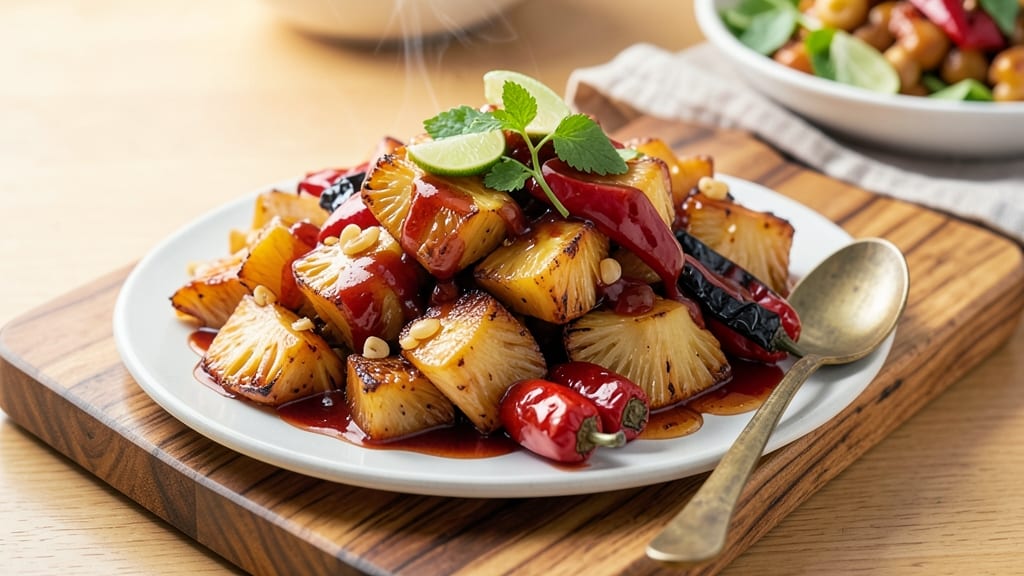
This roasted pineapple and habanero sauce recipe delivers a perfect balance of tropical sweetness and fiery heat that transforms grilled meats into unforgettable centerpieces. The caramelized pineapple adds natural depth while habanero peppers provide controlled intensity—ideal for those who crave complexity without overwhelming spice.
What sets this sauce apart is the roasting technique, which intensifies the pineapple's flavor and mellows the habanero's sharpness for a smoother finish.
The process begins with roasting pineapple chunks until deeply caramelized, then blending them with habanero peppers, garlic, and a touch of lime juice to create a vibrant, chunky base. A splash of honey or maple syrup balances the heat while enhancing the sauce's natural sweetness.
The result is a glossy glaze that clings beautifully to grilled chicken, pork, or even vegetables, offering both visual appeal and bold flavor in every bite.
What makes this sauce particularly versatile is its ability to adapt to different heat preferences—simply adjust the habanero quantity based on your tolerance level. The sauce also stores well in the refrigerator for up to two weeks, making it perfect for meal prep or gifting to fellow grilling enthusiasts.
Whether you're hosting a summer barbecue or simply elevating weeknight dinners, this glaze guarantees restaurant-quality results with minimal effort.
Pair it with grilled shrimp for a seafood twist or drizzle over roasted sweet potatoes for a vegetarian-friendly option. The sauce's natural sweetness and smoky undertones make it equally at home on bold meats or lighter dishes.
Here's how to create it step by step for a flavor experience that lingers long after the last bite.
Ingredients for roasted pineapple and habanero sauce
Nine ingredients transform simple grilling into a tropical flavor experience with balanced heat and caramelized depth.
| Ingredient | Amount | Notes |
|---|---|---|
| Fresh Pineapple Chunks 🍍 | 2 cups | Cut into 1-inch pieces, skin removed |
| Habanero Peppers 🌶️ | 2 whole | Seeds removed for milder heat |
| Garlic Cloves 🧄 | 4 cloves | Peeled and lightly crushed |
| Extra-Virgin Olive Oil 🫒 | ¼ cup | For roasting pineapple chunks |
| Fresh Lime Juice 🍋 | ¼ cup | Strained for smooth consistency |
| Pure Maple Syrup 🍯 | ¼ cup | Grade A for optimal balance |
| Cane Sugar 🍚 | 2 tbsp | Lightly browned for caramel notes |
| Kosher Salt 🧂 | ½ tsp | Diamond Crystal preferred |
| Ground Black Pepper 🌶️ | ¼ tsp | Freshly cracked for aroma |
| Fresh Cilantro Leaves 🌿 | ¼ cup | Chopped for garnish and freshness |
The pineapple's quality makes all the difference—opt for ripe, golden-yellow fruit with no green core. Whole Foods or local farmers' markets often carry the sweetest varieties, though any fresh pineapple works if it's firm and fragrant. Habanero peppers should be bright red or orange, firm to the touch, and free of soft spots. Penzeys or local Latin markets carry excellent habanero varieties, but standard grocery stores usually stock them too. For the maple syrup, Grade A ensures proper balance without overpowering the sauce's natural flavors. Lightly browning the cane sugar in a dry pan before adding to the mixture creates deeper caramel undertones that elevate the sauce's complexity.
No habanero peppers? Substitute with 1-2 jalapeños for milder heat or 1-2 serrano peppers for more intensity. Fresh lime juice unavailable? Bottled lime juice works, though it may lack brightness. For a vegan-friendly sweetener alternative, agave nectar can replace maple syrup at a 1:1 ratio. The cilantro is optional but adds bright freshness—skip it if you dislike the flavor. For those with heat sensitivity, reduce habanero to just 1 pepper or remove seeds entirely. The sauce's versatility extends to grilled vegetables like zucchini or eggplant, making it perfect for vegetarian meals.
This sauce reaches peak flavor after 24 hours of refrigeration, allowing the ingredients to meld completely. Store in an airtight glass jar in the refrigerator for up to 2 weeks. For longer storage, freeze in ice cube trays and transfer to a sealed bag—each cube makes an excellent portion for drizzling. The sauce thickens slightly when chilled, so stir and warm gently before using. Garnish with extra cilantro just before serving to maintain vibrant color and fresh aroma. Leftovers can be reused for up to 3 weeks in the refrigerator, though flavor may mellow slightly over time.
Why You'll Love This Recipe
- Sweet Heat Magic: I’ll be real—this sauce is ridiculously good because the roasted pineapple caramelizes into something sticky and golden, while the habanero adds a slow-building heat that lingers. That first bite? Pure satisfaction, like a tropical vacation in your mouth.
- One-Pan Wonder: Honestly, this recipe couldn’t be simpler: toss pineapple and garlic in olive oil, roast until blistered, then blend with lime and habanero. No chopping, no fuss—just 20 minutes of hands-off cooking while you prep the rest of your meal.
- Meal Prep MVP: Between us, this sauce keeps perfectly for a week in the fridge, and it’s amazing on everything from grilled chicken to rice bowls. I make a big batch on Sundays so I can toss it into lunches all week—no reheating required, just grab and go.
- Budget-Friendly Fire: Fresh pineapple and lime might sound pricier, but they stretch way further than you’d think. A single habanero (seeds removed for less heat) goes a long way, and the garlic and olive oil are pantry staples. Plus, the leftovers? Even better the next day.
Step-by-step instructions for roasted pineapple and habanero sauce
This sauce delivers perfect balance—caramelized sweetness and controlled habanero heat—ideal for glazing grilled meats.
Roast the Pineapple and Habanero Peppers
Preheat your oven to 425°F and line a baking sheet with parchment paper. Arrange the 2 cups fresh pineapple chunks and 2 whole habanero peppers (seeds removed) in a single layer on the sheet. Drizzle evenly with the 0.25 cup extra-virgin olive oil, tossing gently to coat.
Roast for 15-18 minutes until the pineapple is caramelized with golden-brown edges and the habanero peppers develop deep char marks. The pineapple should release its aroma, and the peppers should soften slightly but remain intact. Remove from the oven and let cool for 5 minutes—this prevents steam burns when handling.
Char the Garlic and Prepare the Base
While the pineapple roasts, heat a dry skillet over medium heat. Add the 4 cloves garlic cloves and cook, stirring frequently, until they develop golden-brown spots and release their fragrant aroma (2-3 minutes). Immediately transfer to a cutting board and roughly chop.
In a blender, combine the roasted pineapple, habanero peppers, charred garlic, 0.25 cup fresh lime juice, and 0.25 cup pure maple syrup. Blend until completely smooth, scraping down the sides as needed. The mixture should be vibrant orange with a thick, syrupy consistency—this is your base for the sauce.
Simmer and Refine the Sauce
Transfer the blended mixture to a saucepan and place over medium-low heat. Stir in the 2 tbsp cane sugar, 0.5 tsp kosher salt, and 0.25 tsp ground black pepper. Let the sauce simmer uncovered for 8-10 minutes, stirring occasionally, until it thickens slightly and coats the back of a spoon.
Taste and adjust the balance—if the heat is too intense, add a splash of lime juice; if it needs more depth, simmer for another 2 minutes. The sauce should be glossy with a perfect harmony of sweet, smoky, and spicy flavors. Remove from heat and let cool to room temperature before using.
Finish and Serve
Once cooled, stir in the 0.25 cup chopped fresh cilantro leaves just before serving. The cilantro adds brightness and freshness that cuts through the richness of the sauce. For best results, use immediately to glaze grilled chicken, pork, or shrimp, or drizzle over tacos and bowls.
This sauce keeps well in the refrigerator for up to 5 days, though the flavors deepen slightly over time. For a smoother texture, strain through a fine-mesh sieve before serving. The balance of sweet and heat makes it versatile—adjust to taste for your preferred level of spice.
Pro Tips For Making Roasted Pineapple And Habanero Sauce
- CHAR THE PINES FIRST: Toss pineapple chunks in 1 tablespoon olive oil, then roast at 425°F (220°C) for 15–20 minutes until caramelized and slightly blistered—this turns bland fruit into sweet, jammy perfection. I used to skip this, and the sauce always tasted flat until I realized the Maillard reaction is non-negotiable here.
- DESEED HABANEROS CLEVERLY: Cut peppers lengthwise, scrape out seeds with a spoon, then run the flesh under cool water to rinse away residual capsaicin clinging to the membranes—this cuts the heat by half without losing flavor. After burning my eyes twice, I learned this step is the difference between "spicy" and "regretful."
- SWEAT GARLIC LOW AND SLOW: Cook minced garlic in olive oil over low heat until just golden (5–7 minutes), stirring often—high heat torches it to bitterness. I was skeptical until I tried it: the sauce gains depth without that acrid aftertaste that ruins everything.
- ACIDIFY IN STAGES: Add lime juice after roasting the pineapple and peppers, then taste and adjust—starting with 1 tablespoon, waiting 10 minutes, then adding more if needed. Dumping all the juice upfront makes the sauce taste harsh; this lets the flavors marry properly. (Yes, even if you’re impatient like me.)
Wine and beer pairings for these flavors
White Wine Pairings
For this tropical glaze, I reach for crisp Sauvignon Blanc from New Zealand—its zesty citrus notes and herbal undertones mirror the lime and cilantro in the sauce while standing up to the habanero's heat. Look for a Marlborough Sauvignon Blanc with vibrant acidity like Cloudy Bay or Oyster Bay.
The wine's bright acidity cuts through the sauce's richness, cleansing your palate between bites of grilled pineapple-glazed meats. 🍷
Light Beer Options
A Mexican lager like Modelo Especial or Pacifico is my go-to beer pairing—its clean, slightly malty profile complements the caramelized pineapple without competing with the habanero's spice. The beer's subtle sweetness also enhances the sauce's tropical flavors.
For a local craft option, try a wheat beer with citrus notes like Blue Moon or Allagash White. Serve both chilled to balance the sauce's warmth.
Red Wine Contrast
If you prefer red wine, a light-bodied Grenache or Beaujolais works surprisingly well—these wines have enough fruitiness to match the pineapple while their lower tannins won't clash with the sauce's sweet-spicy profile.
I recommend Château de Beaucastel Châteauneuf-du-Pape for its bright cherry notes. The wine's earthiness also complements the charred habanero flavors beautifully. 🍇
Non-Alcoholic Pairings
For a refreshing non-alcoholic option, serve with sparkling limeade—mix sparkling water, fresh lime juice, and a touch of agave syrup. The bubbles and citrus enhance the sauce's tropical vibrancy.
Alternatively, try ginger beer (like Feather) for a spicy kick that echoes the habanero. Both options keep the meal feeling light and refreshing, especially on warm summer days.
Regional Adaptations
In Hawaii, where tropical flavors reign, this sauce pairs perfectly with local beers like Kona Longboard Lager or Maui Brewing Company's citrusy offerings. The island's love of bold flavors makes this combination a natural fit.
For Texas BBQ, swap the white wine for a Texas Hill Country Riesling—its honeyed notes complement the caramelized pineapple beautifully while standing up to the heat.
Serving Temperature Tips
Always serve your wine or beer chilled—white wines at 45-50°F and beers at 38-42°F to fully appreciate their refreshing qualities against the sauce's warmth. Red wines should be slightly cooler than usual (55-60°F) to balance the habanero's heat without overwhelming the dish.
Pro tip: Use an ice bucket for quick chilling or a wine fridge for consistent temperatures. ✨
Nutrition facts
Frequently asked questions
How do I adjust the heat level in this sauce?
For milder heat, reduce habanero peppers to 1 whole pepper or remove all seeds. For extra spice, add ½ teaspoon cayenne pepper or include seeds. Always taste before serving—you can balance with more lime juice or maple syrup if needed.
Can I make this sauce without roasting the pineapple?
Yes, but the flavor will be less complex. For a quick version, sauté 2 cups pineapple chunks in 1 tablespoon olive oil for 5 minutes until softened. Roasting develops deeper caramelization and smoky notes that enhance the sauce's overall balance.
What's the best way to store leftover sauce?
Transfer to an airtight glass jar and refrigerate for up to 2 weeks. The sauce thickens when chilled—stir and warm gently before using. For longer storage, freeze in ice cube trays (each cube = 1 tbsp portion). Thaw overnight in the fridge.
Can I use this sauce on vegetarian dishes?
Drizzle over grilled portobello mushrooms, eggplant, or tofu skewers. The sweet-spicy glaze works beautifully with roasted sweet potatoes or as a dipping sauce for plantain chips. The sauce's versatility makes it perfect for meat-free meals.
Why does my sauce look too thin?
Simmer uncovered for 5-10 more minutes to reduce. If still too thin, mix 1 teaspoon cornstarch with 1 tablespoon water, stir into the sauce, and simmer until thickened. Avoid over-blending—some texture adds body.