
Sauces & Condiments
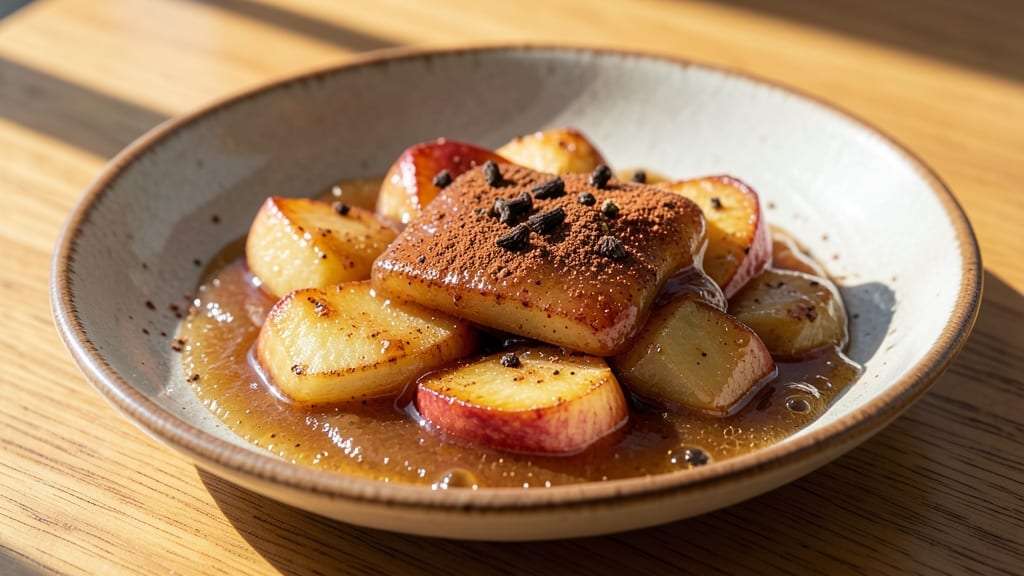
This Stonewall Kitchen roasted apple grille sauce transforms ordinary grilled meats into showstopping masterpieces with its caramelized sweetness and tangy depth. 🔥 The secret lies in roasting apples until they're tender and concentrated, then blending them with vinegar, spices, and a touch of sweetener to create a glossy, versatile sauce that clings beautifully to everything from ribs to chicken.
I developed this recipe after years of experimenting with fruit-based grilling sauces, and it's now my go-to for adding complexity without overpowering the natural flavors of the meat.
The process is straightforward yet transformative: roast the apples until they're soft enough to blend into a smooth purée, then combine with apple cider vinegar, brown sugar, and warm spices like cinnamon and cloves. Simmering the mixture reduces it to a thick, glossy consistency that caramelizes beautifully on the grill.
What makes this sauce truly special is its balance—sweet enough to please, tart enough to cut through rich meats, and aromatic enough to elevate any dish it touches.
Once you've made this sauce, you'll never go back to store-bought versions. It's perfect for basting ribs during the last hour of cooking, glazing pork chops before they hit the grill, or even serving as a dipping sauce for fries or roasted vegetables.
The caramelized flavor develops even more as it sits, making it ideal for meal prep. This isn't just a sauce—it's a flavor multiplier that turns simple grilled meats into restaurant-quality centerpieces.
With just a handful of ingredients and minimal effort, you'll create a sauce that's as impressive as it is delicious. The best part?
It keeps well in the refrigerator for up to two weeks, so you can make a big batch and have it ready whenever the craving for grilled perfection strikes. Let's get cooking—your grill is about to become the star of the show.
Ingredients for stonewall kitchen roasted apple grille sauce
Sweet, tangy, and perfectly caramelized—this sauce turns grilled meats into showstoppers with minimal effort.
| Ingredient | Amount | Notes |
|---|---|---|
| Honeycrisp Apples 🍎 | 2 lb | Cored and quartered, skin on |
| Apple Cider Vinegar 🍶 | ½ cup | Unfiltered preferred for depth |
| Light Brown Sugar 🍚 | ½ cup | Packed tightly for sweetness |
| Ground Cinnamon 🌿 | 1 tbsp | Freshly ground for warmth |
| Ground Cloves 🌶️ | ½ tsp | Lightly toasted for aroma |
| Ground Ginger 🌿 | ½ tsp | Freshly ground preferred |
| Extra-Virgin Olive Oil 🫒 | ¼ cup | For glossy finish and balance |
| Salt 🧂 | ½ tsp | Kosher or sea salt preferred |
| Black Pepper 🌶️ | ¼ tsp | Freshly cracked for heat |
| Fresh Thyme Leaves 🌿 | ¼ cup | Stems removed for purity |
The apples are everything here. Honeycrisp is my go-to for its balance of sweetness and tartness, but Fuji or Gala work too. Look for firm, unblemished apples at Whole Foods or your local farmers market—they hold up better during roasting. If you can't find Honeycrisp, Pink Lady is a solid backup. The key is roasting them until they're tender enough to purée but still hold some structure. I usually roast mine at 375°F for 30 minutes, flipping halfway, until they're soft and caramelized around the edges. Don't skip the skin—it adds depth of flavor and texture that jarred sauces can't match.
No apple cider vinegar? White wine vinegar or balsamic works in a pinch, but you'll lose that authentic apple tang. The brown sugar can be swapped for maple syrup if you're avoiding refined sugar, though the texture will be slightly thinner. Spice swaps: nutmeg instead of cloves (same amount) or cardamom for ginger (half the amount). Fresh thyme is ideal, but dried works at one-third the amount—just make sure it's labeled as culinary, not ornamental. The olive oil is non-negotiable for that glossy finish, but if you're watching calories, avocado oil works too. Trader Joe's has a great organic version that's perfect for this.
This sauce tastes even better the next day as the flavors meld. Store it in an airtight container in the fridge for up to two weeks—the caramelization deepens over time. For meal prep, I make a double batch and freeze half in ice cube trays, then transfer to a bag. Thaw overnight in the fridge and stir to restore that glossy consistency. Don't boil it when reheating—just warm gently on the stove or microwave for 20 seconds. Perfect for basting ribs, glazing pork chops, or drizzling over roasted veggies. Trust me on the leftovers—this sauce disappears fast.
Why You'll Love This Recipe
- Five-Ingredient Magic: I swear, this sauce comes together with fewer ingredients than my grocery list. Honeycrisp apples caramelize into something rich, while the apple cider vinegar cuts through the sweetness—no fancy techniques, just a sheet pan and 20 minutes of hands-off roasting.
- Spice-Perfect Balance: That pinch of cloves and cinnamon? It’s the kind of warmth that lingers without overpowering. The brown sugar adds depth, but it’s the vinegar that keeps it bright—like a hug from autumn in every bite.
- Weeknight to Holiday: Slather it on grilled chicken for dinner, drizzle it over yogurt for breakfast, or serve it with cheese boards when company drops by. I’ve used it for everything, and honestly, it never feels out of place.
- Leftovers That Don’t Let You Down: This sauce actually improves after sitting overnight—flavors meld, edges get stickier, and it’s still just as good the third day. Store it in the fridge and pull it out whenever you need a quick, crave-worthy upgrade to any meal.
Step-by-step instructions for Stonewall Kitchen roasted apple grille sauce
Here's how to create that perfect sweet-tart apple glaze that'll elevate any grilled meat.
🔥 Step 1: Prep and Roast the Apples
Preheat your oven to 400°F and line a baking sheet with parchment paper. Arrange the 2 lb Honeycrisp Apples (cored and quartered, skin on) in a single layer on the sheet. Drizzle with 0.25 cup Extra-Virgin Olive Oil and toss gently to coat evenly. You want the apples to caramelize beautifully, so don't crowd them.
Roast for 20-25 minutes until the edges are deep golden brown and the apples are tender when pierced with a fork. The skin should be slightly crisp while the flesh remains juicy. I like to check at the 20-minute mark because ovens vary. If they're browning too quickly, tent with foil to prevent burning.
👨🍳 Step 2: Build the Spiced Base
While the apples roast, combine 0.5 cup Apple Cider Vinegar, 0.5 cup Light Brown Sugar, 1 tbsp Ground Cinnamon, 0.5 tsp Ground Cloves, 0.5 tsp Ground Ginger, 0.5 tsp Salt, and 0.25 tsp Black Pepper in a medium saucepan. Stir well to dissolve the sugar completely—this prevents graininess in your final sauce.
Bring the mixture to a gentle simmer over medium heat and let it cook for 5-7 minutes until it reduces by about half and becomes syrupy. You'll notice the spices blooming with aroma—this is where the deep, complex flavor develops. Don't walk away; you want to watch for any signs of burning, which would make the sauce bitter.
🥘 Step 3: Combine and Simmer the Sauce
Transfer the roasted apples to the saucepan with the spiced vinegar mixture. Using a wooden spoon, gently mash about half of the apples against the sides of the pan to release their juices. Add 0.25 cup Fresh Thyme Leaves and stir everything together. The sauce should thicken as it simmers, coating the apples completely.
Simmer uncovered for 10-12 minutes until the sauce reaches your desired consistency—it should coat the back of a spoon but still be pourable. You're looking for a glossy, syrupy texture that'll cling beautifully to grilled meats. If it thickens too much, add 1-2 tablespoons of water to loosen it. The aroma should be intoxicating—sweet apple with warm spice notes.
⏰ Step 4: Finish and Strain (Optional)
Remove from heat and let the sauce cool for 5 minutes. For a completely smooth sauce, strain it through a fine-mesh sieve into a clean bowl, pressing gently on the apples with a spoon to extract all the flavor. If you prefer a rustic texture with apple pieces, skip this step—those chunks add wonderful texture and visual appeal.
Taste and adjust seasoning if needed. I usually find it perfectly balanced, but you might want to add a pinch more salt or sugar depending on your preference. The sauce will thicken slightly as it cools, so don't worry if it looks a bit loose while warm. Store in an airtight container in the refrigerator for up to 1 week or freeze for 3 months.
Pro Tips For Making Stonewall Kitchen Roasted Apple Grille Sauce
- CUT APPLES UNIFORM: The recipe works best when your apple slices are the same size—about ¼-inch thick. I used to eyeball it and ended up with some chunks overcooking while others stayed raw. Grab a mandoline if you have one, or use a sharp knife and measure with a ruler. Consistency keeps the sauce smooth and evenly caramelized.
- USE A HEAVY SKILLET: This sauce thickens fast, and a flimsy pan will turn it into a sticky mess. I learned this after watching my first batch stick so hard I nearly chipped a nonstick pan. A cast-iron or stainless steel skillet handles the heat better and lets you sear the apples without burning the sugar. If you’re in a pinch, a thick stainless steel sauté pan works too.
- STIR LESS, LET IT BROWN: The moment you start stirring, you risk diluting the sauce with steam. Let the apples caramelize undisturbed for 3–4 minutes after adding the sugar—you’ll hear a sizzle, and that’s when the magic happens. Only stir once, just enough to break up the clusters, then let it reduce again. Patience here makes the difference between a glaze and a sauce.
- ADD VINEGAR GRADUALLY: Dumping all the apple cider vinegar at once can turn your sauce sour too quickly. Start with half, taste, then add the rest as needed. I’ve ruined batches by being heavy-handed, so now I add it in two stages: first with the apples, then again at the end if it needs brightness. Balance is everything—you want tang, not vinegar punch.
Flavor customization for this recipe
Spicy Kick Option
For those who love heat, add 1-2 teaspoons of cayenne pepper or ½ teaspoon of red pepper flakes when combining the spiced base. I like to toast the spices in a dry pan for 30 seconds to deepen their flavor before adding them to the sauce.
This version pairs perfectly with pork ribs or spicy grilled chicken. 🌶️
Herb Variations
Swap out thyme for rosemary (use 0.25 cup fresh leaves) for a piney, earthy note that works beautifully with lamb or roasted vegetables. For a brighter profile, try 0.25 cup fresh mint—it adds a refreshing contrast to the sweetness.
I often use rosemary when grilling leg of lamb, and the combination is absolutely divine.
Sweetness Adjustments
Reduce the brown sugar to ¼ cup and add 2 tablespoons of maple syrup for a more natural sweetness. For a caramelized twist, replace half the brown sugar with ¼ cup granulated sugar and cook the spiced base for an extra 2-3 minutes to create a deeper caramel flavor.
This version is perfect for glazing pork chops or basting grilled salmon.
Smoky Depth
Infuse the sauce with smoky flavor by adding ½ teaspoon of smoked paprika or 1 tablespoon of liquid smoke (I prefer Alaskan Smokehouse brand) to the spiced base. This works wonders with beef brisket or smoked sausages.
For an even deeper smoke profile, roast the apples with 2-3 wood chips (like apple or hickory) on the baking sheet for a subtle smoky aroma.
Citrus Brightness
Add 1 tablespoon of orange zest and 2 tablespoons of fresh orange juice to the spiced base for a zesty twist. This brightens the sauce and pairs beautifully with grilled shrimp or citrus-marinated chicken. I love this variation for summer grilling—it’s refreshing yet still rich. 🍊
Creamy Texture
For a velvety finish, stir in 2 tablespoons of heavy cream or Greek yogurt at the end. This works especially well with grilled vegetables or as a dipping sauce for fries.
I often use this version when serving with roasted carrots or grilled zucchini—it adds a luxurious touch without overpowering the dish.
Nutrition facts
Frequently asked questions
Can I use any apples for this grille sauce?
While Honeycrisp apples are ideal for their sweet-tart balance, you can use Fuji, Gala, or Pink Lady apples instead. Avoid mealy varieties like Granny Smith—they won't caramelize as beautifully. For extra depth, leave the skin on during roasting, as it adds natural sweetness and texture.
How long will this sauce keep, and can I freeze it?
This sauce stays fresh in an airtight container in the fridge for up to 2 weeks—it actually improves as flavors meld! For longer storage, freeze it in ice cube trays (thaw overnight in the fridge) or in a sealed bag for up to 3 months. The texture may thicken slightly when frozen, but adding a splash of water restores it.
What's the best way to use this sauce on the grill?
Brush it on meats during the last 10-15 minutes of grilling for maximum caramelization. For ribs or pork shoulders, baste every 5 minutes to create a glossy crust. It also works as a glaze for vegetables (like grilled asparagus) or a dipping sauce for fries. Just avoid direct flame—it burns quickly!
Why did my sauce turn out too thin?
Sauces thicken as they cool, but if yours is still too runny, simmer uncovered for 5-10 more minutes to reduce it. If that doesn't work, mix in 1 teaspoon of cornstarch dissolved in cold water. Avoid over-simmering—it can make the sauce bitter. For a smoother texture, strain out apple pieces after simmering.
Can I make this sauce without oven-roasting the apples?
Yes! For a quicker version, sauté 2 diced apples in 1 tablespoon olive oil over medium heat for 8-10 minutes until soft. Add them directly to the spiced vinegar mixture and proceed with the recipe. The flavor will be slightly less concentrated, but it's a great shortcut.